REVIEW · FLORENCE
The Medici family and the Renaissance with a local art historian
Book on Viator →Operated by Flora's walk · Bookable on Viator
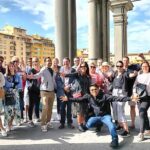
A Renaissance city feels different with a guide. This 2-hour Florence walk turns the big names of the Medici era into a clear street-level story, connecting churches, palaces, and public squares to the art that still defines the city.
I really like the storytelling approach and the way it keeps people at the center, not just dates. I also like the short, efficient route: you hit the major landmarks without the usual wandering fatigue, and you get practical pointers on what to notice on buildings as you go. One thing to consider: a few stops require you to bring your own admission ticket, and you’ll be on your feet on uneven old-stone streets.
In This Review
- Key points you’ll actually care about
- A Renaissance City You Can Read Like a Map (In Two Hours)
- Starting at Piazza di San Lorenzo: Get Oriented Before the Story Gets Loud
- Basilica di San Lorenzo: Medici Roots in Stone
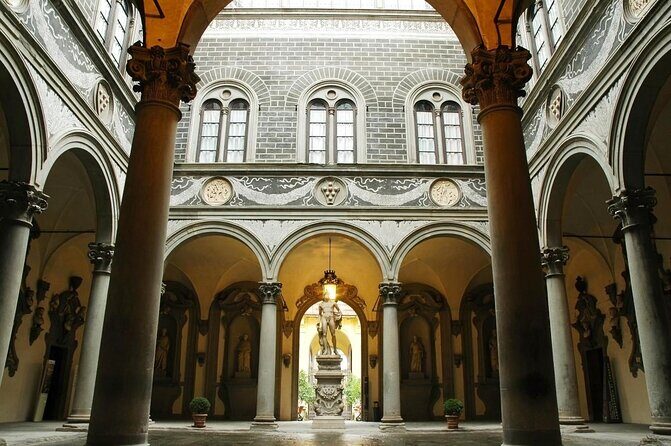
- Palazzo Medici Riccardi: Where Florence’s Big Taste Gets Funded
- Duomo Time (About 20 Minutes): The Cathedral That Feels Too Big to Be Real
- Piazza della Signoria: Renaissance Power Outdoors, No Ticket Needed
- Palazzo Vecchio (About 15 Minutes): Political Heart and Color in One
- Ponte Vecchio Finale (About 10 Minutes): The Riverwalk That Lands the Plane
- Guides and Style: What Makes This Walk Feel Different
- Price and Value: Is $100 Worth It?
- Who Should Book This Medici and Renaissance Art Walk?
- When to Go and What to Bring
- Should You Book It?
- FAQ
- How long is the tour?
- How much does it cost?
- Is the ticket mobile?
- Where does the tour start and end?
- Which stops require admission tickets?
- What should I bring?
- Is there a maximum group size?
Key points you’ll actually care about
- Medici-focused narrative: the dynasty is explained through real places and visible symbols
- Six major stops in ~2 hours: tight timing, good if you don’t want to burn a whole day
- Mix of included-free and ticketed segments: some entrances are on you, some viewpoints are free
- Art historian vibe: you’ll learn what to look for on façades, not just where to stand for photos
- Small group size (max 15): easier pace and more chances to ask questions
- Ends by Ponte Vecchio and the Uffizi area: convenient for what you do next
A Renaissance City You Can Read Like a Map (In Two Hours)
Florence without the Renaissance is like gelato without the cone. The city still looks beautiful, sure—but with the Medici story in your head, the buildings start making sense fast.
This walk is built around a simple idea: Renaissance wasn’t magic. It was people making choices—about money, power, taste, and risk. That’s why the tour centers on the Medici family and the artists, or maestri, whose paintings and statues left behind clues for us to follow.
If you like your history told with a steady pace and a human angle (instead of a textbook voice), you’re in the right place. Just remember you’ll be walking for roughly two hours, so wear comfortable shoes and bring water.
You can also read our reviews of more tours and experiences in Florence.
- Tuscany Day Trip from Florence: Siena, San Gimignano, Pisa and Lunch at a Winery
★ 5.0 · 21,634 reviews

Starting at Piazza di San Lorenzo: Get Oriented Before the Story Gets Loud
The tour begins at Piazza di San Lorenzo, address 13, right in the heart of the area that shaped Medici-era Florence. Starting here matters because it puts you near key symbols first, before you start bouncing between grand sites.
From a practical point of view, the start is easy to reach using public transportation. And because the group size is capped at 15, you’re not stuck in a slow-moving human knot.
You’ll get a quick framing of Florence and its symbols, then the route begins stacking meaning: where you stand is the point, not just the destination.
Basilica di San Lorenzo: Medici Roots in Stone
The first stop is Basilica di San Lorenzo, and you’ll spend about 15 minutes there. The goal isn’t to treat it like a checklist of artworks. It’s to understand why this church belongs at the start of a Renaissance story—because it connects faith, family ambition, and public image.
You’ll get a short intro that helps you read what you see right away. That’s valuable because churches can feel overwhelming if you don’t know what you’re looking for. With a good art-historian lens, details stop being random decoration and start acting like clues.
Possible drawback: this is one of the stops where admission is not included. So if you hate surprises, plan for extra costs at the ticket desk.
Palazzo Medici Riccardi: Where Florence’s Big Taste Gets Funded
Next is Palazzo Medici Riccardi, again about 15 minutes. This is where the story leans into the people behind the power—specifically the era associated with Laurence the Magnificent.
You’re not just looking at a palace. You’re learning how patronage works: a family finances art and architecture, then earns influence by shaping what the city values. The palazzo becomes a physical argument—stone talking about status.
What I like about this kind of stop is that it helps you connect private ambition to public outcomes. In Florence, the Medici story isn’t separate from what you can still see today. It’s the reason certain styles, commissions, and civic messages traveled forward into the Renaissance identity.
Ticket note: admission is not included for this stop. Build in time and budget for it.
Duomo Time (About 20 Minutes): The Cathedral That Feels Too Big to Be Real
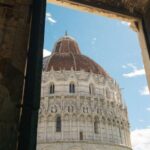
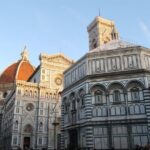
The Duomo segment lasts around 20 minutes, and the admission is listed as free for this part of the tour. Even if you’ve seen photos, Florence’s cathedral complex can feel almost unreal in person—less like a building and more like a landmark shaped by human determination.
This part of the walk asks a key question: why is it so special? You’ll get explanations that help you understand the scale, the visual drama, and the idea that Renaissance Florence wanted architecture to announce itself. When you know what to look for, you’ll notice how the city built an image of greatness into its skyline.
Consideration: because it’s a “big wow” stop, people tend to pause for photos. If you’re prone to lingering, you may lose some of the guide’s points unless you keep moving with the group.
- Tuscany Day Trip from Florence: Siena, San Gimignano, Pisa and Lunch at a Winery
★ 5.0 · 21,634 reviews

Piazza della Signoria: Renaissance Power Outdoors, No Ticket Needed
Then you head to Piazza della Signoria for about 15 minutes, with admission free. This is one of those spaces where politics, art, and everyday life overlap. The atmosphere is open-air and public, which is perfect for a story about influence.
You’re meeting other members of the Medici family here—meaning the guide is using the square to show how the Medici presence extended beyond palaces into civic symbolism. In other words, this is where the story becomes public-facing.
I like outdoor stops like this because you get instant context. From the square, the city reads like a stage: people move, landmarks anchor attention, and art becomes part of the civic message.
Why it matters for value: in a two-hour tour, free outdoor time lets you keep your wallet calm while still absorbing the big themes.
Palazzo Vecchio (About 15 Minutes): Political Heart and Color in One
Palazzo Vecchio is next for about 15 minutes, and this is one where admission is not included. The tour frames it as the political heart of Florence—so it’s not just about the appearance. It’s about what power wanted to look like.
You’ll also hear why it’s so colored. That sounds like a small detail, but in Florence it often reflects how leaders communicated authority through design. This is a good stop for anyone who enjoys the “how things got done” side of art: art and architecture weren’t only for churches and private homes. They were for governing.
Ticket note again: if you’re budgeting tightly, plan for an extra entrance cost here.
Ponte Vecchio Finale (About 10 Minutes): The Riverwalk That Lands the Plane
If you have time, the tour concludes at Ponte Vecchio, about 10 minutes, and admission is free. The route ends by the river area near the Uffizi Gallery and in front of Ponte Vecchio, so you finish in a place that naturally invites a stroll afterward.
This ending works because it changes pace. After palaces and politics, you land in one of Florence’s most recognizable scenes—so the story leaves you with a strong image, not just more information.
You’ll likely hear a simple takeaway: Wow. But it’s not only the view. Ending here helps you connect Renaissance Florence to how the city continues to present itself—through iconic spaces that still pull people in.
Guides and Style: What Makes This Walk Feel Different
The tour is run by Flora’s walk, and the experience is described as a local art historian style. That matters because Renaissance Florence is loaded with symbols. A guide who knows what to point out helps you avoid the common trap: staring at beautiful things without understanding why they matter.
The tone is also people-first. The Medici family isn’t presented as a museum label. The story treats them as decision-makers in a fast-moving world where culture, ambition, and reputation are constantly in motion.
And based on guide names associated with the experience—like Deborah and Manuel Messina—you can expect a style that’s engaging and story-driven, with tips on how to spot hidden details and notice features on buildings that most people skip.
Price and Value: Is $100 Worth It?
$100 for a 2-hour walk is not the cheapest option. But for Florence, it can be good value if you want more than location facts.
Here’s how the math makes sense. You’re paying for:
- a local art historian who ties buildings to the Medici story
- a tight route across major landmarks without spending hours self-planning
- an experience designed for a small group (max 15)
You’ll also want to plan for the fact that some admissions are not included. Still, the Duomo segment plus Piazza della Signoria and Ponte Vecchio are free for this tour’s purposes, which helps balance the ticket costs.
If your goal is to understand the city quickly and walk away with a mental map of how Renaissance culture took shape, the structure supports that. If your goal is purely photos and you don’t care about context, you might feel it’s more than you need.
Who Should Book This Medici and Renaissance Art Walk?
This tour fits best if you:
- like history told through real people and clear motives
- want a compact intro to Renaissance Florence without committing to a full day
- enjoy architecture and art details you can recognize during the walk
It’s also a smart choice if you’re mixing this with museum time afterward, since the ending area is close to the Uffizi zone. And if you’re traveling with others, the small group size helps keep the pace human.
Most travelers can participate, and service animals are allowed. That said, you should still expect walking on uneven stone streets, so comfortable shoes are a must.
When to Go and What to Bring
This experience requires good weather. Florence can be slippery when it rains, and a two-hour outdoor-and-stone route isn’t the place to gamble.
Plan to bring:
- water
- comfortable shoes
- good vibes (seriously—this kind of tour is happier when you show up ready to listen)
Also, the tour uses a mobile ticket, so have your confirmation ready on your phone.
Should You Book It?
Yes, if you want an art-historian guided walk that explains why Florence looks the way it does during the Renaissance era. The route is efficient, the Medici story is the center of the experience, and the guide style is built on storytelling and practical observation.
Skip it only if you prefer unscripted wandering and don’t care about the meaning behind the sights. In that case, you might find the time pressure less comfortable.
If you’re aiming for a smart first pass at Renaissance Florence before you explore further on your own, this is a strong choice.
FAQ
How long is the tour?
The tour lasts about 2 hours.
How much does it cost?
The price is $100.
Is the ticket mobile?
Yes, it’s a mobile ticket.
Where does the tour start and end?
It starts at Piazza di San Lorenzo, 13, 50123 Firenze FI, Italy and ends at Lungarno Anna Maria Luisa de’ Medici, 8, 038983 Firenze FI, Italy near Ponte Vecchio and the Uffizi area.
Which stops require admission tickets?
Admission is not included for Basilica di San Lorenzo, Palazzo Medici Riccardi, and Palazzo Vecchio. The Duomo segment is listed as free, and Piazza della Signoria and Ponte Vecchio are also listed as free for this tour.
What should I bring?
Bring water and wear comfortable shoes.
Is there a maximum group size?
Yes, the tour has a maximum of 15 travelers.
You Might Also Enjoy
More Tour Reviews in Florence
- Tuscany Day Trip from Florence: Siena, San Gimignano, Pisa and Lunch at a Winery
★ 5.0 · 21,634 reviews - The Best tour in Florence: Renaissance & Medici Tales – guided by a STORYTELLER
★ 5.0 · 12,316 reviews