REVIEW · FLORENCE
Florence: Exclusive Evening Tour of Michelangelo’s David
Book on GetYourGuide →Operated by Florence with Locals Group Tours · Bookable on GetYourGuide
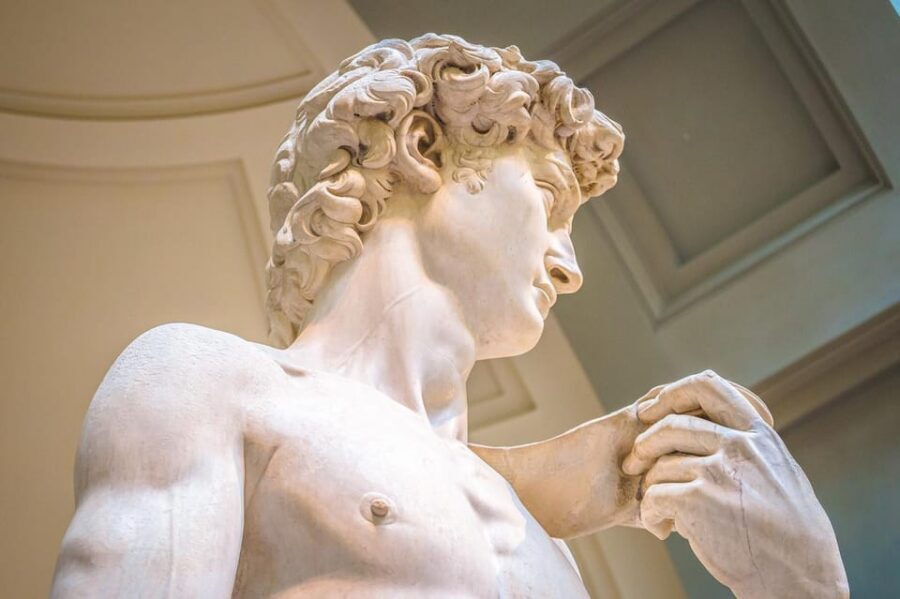
David looks better after hours. This exclusive evening tour of Florence’s Accademia Gallery is built around seeing Michelangelo’s David when the room is calmer and your guide can actually point out what matters. In your guided hour, you also get a hands-on-feeling tour of the plaster casts and other mind-bending works that explain how Renaissance masterpieces were made.
I like that the experience is paced for real looking, not speed-watching. You get an expert local guide first, then you’re free to keep exploring at your own pace once the guided portion ends. One consideration, though: the phrase private viewing can be a little optimistic, because the group may end up larger than you expect once you’re at the museum, so keep your expectations flexible about solitude around David.
In This Review
- Key Highlights You’ll Care About
- Why the Accademia After Dark Feels Different
- The Start: Meeting Michelangelo’s David in a Quieter Moment
- The Guided Route Through the Prisoners, Music, and Plaster Casts
- The Four Prisoners Sculptures: Tension You Can See
- The Music Instrument Room: A Left Turn That Works
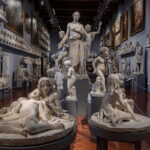
- Plaster Casts: Where the Art Process Gets Real
- How the 1-Hour Structure Helps (and Where It Can Feel Tight)
- After the Tour: Use Your Free Time Like a Pro
- Price and Value: What You’re Really Paying For
- What to Expect on the Day: Timing, Meet-Up, and Group Reality
- Who This Tour Is Best For (and Who Might Want Another Option)
- Should You Book This Florence David Evening Tour?
- FAQ
- How long is the tour?
- Where do I meet the guide?
- Is admission included?
- Does it include a skip-the-line entrance?
- What languages are available?
- Is food included?
Key Highlights You’ll Care About
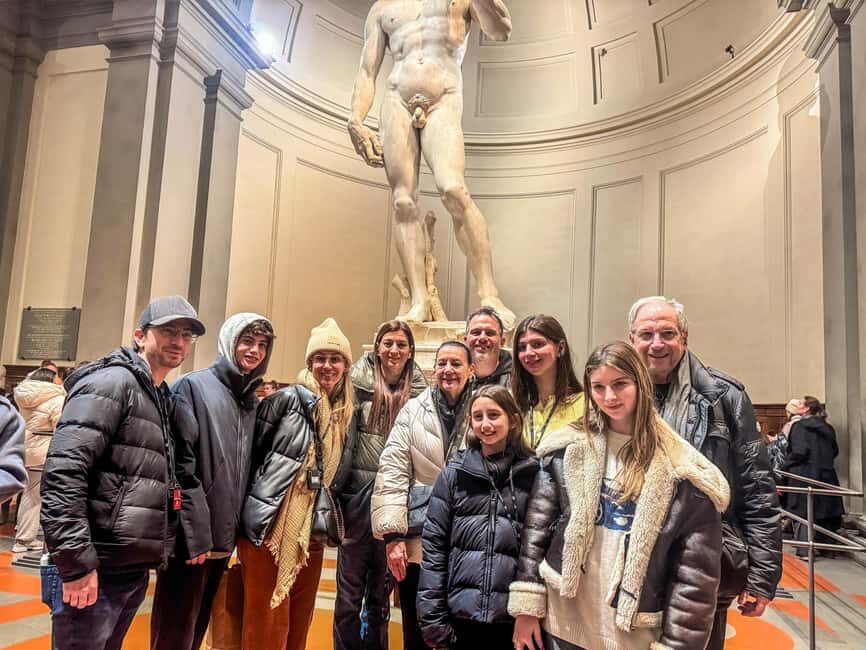
- Evening opening hours mean fewer crowds and better “stand and actually study” time
- A full guided hour starts with David and then moves through the most important supporting works
- Plaster casts show the process behind major sculptures, not just finished results
- The Prisoners sculptures (four works) are part of the main route and are worth slowing down for
- Music Instrument Room adds variety if you’re bored of galleries that only do painting and marble
- Your own pace time afterward helps you re-visit David or focus on whatever grabs you
Why the Accademia After Dark Feels Different
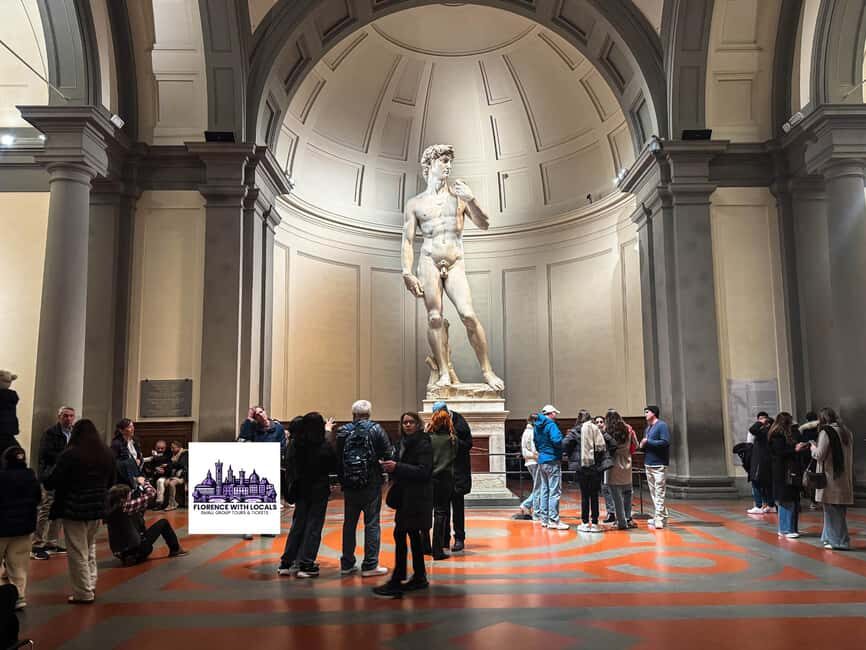
Florence’s Accademia Gallery is famous for Michelangelo’s David. The problem? Daytime visits can feel like organized chaos. The real appeal of an evening slot is simple: fewer people, more breathing room, and more chances for your eyes to adjust to the scale.
In this tour format, the evening timing is the main value driver. It makes a difference in how David lands on you. Up close, David is not just impressive. He’s intense. The evening calm helps you notice the small things you often miss when you’re herded along.
The museum itself also behaves differently in the evening. Without the crush of peak hours, your guide can slow down and give context. You’ll get the story behind why the artworks are arranged the way they are, and you’ll have time to look like a person, not a checkpoint.
You can also read our reviews of more evening experiences in Florence
The Start: Meeting Michelangelo’s David in a Quieter Moment
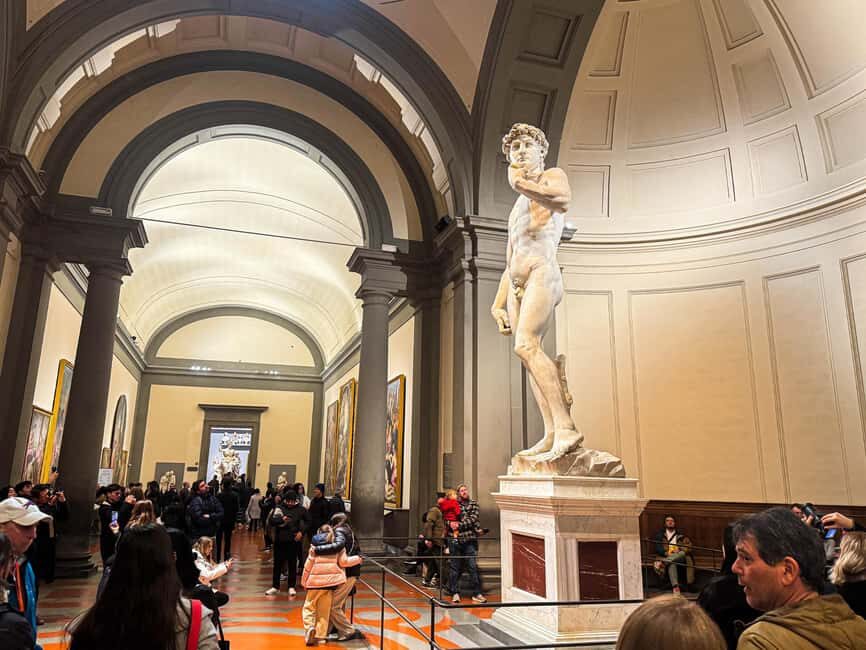
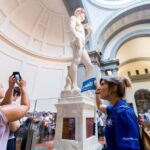
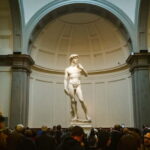
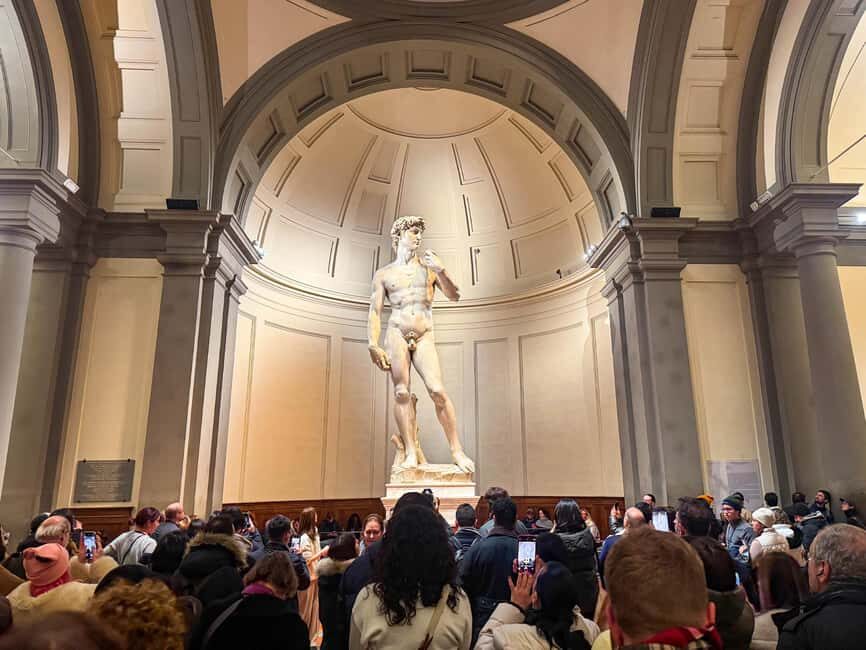
Your tour begins with you standing before David as the guide sets the tone. This matters more than you might think. When you first reach him, your brain usually starts judging angles and proportions. A good guide helps you shift from I’m looking at David to I’m understanding David.
Here’s what typically makes a David viewing work best: you need time to step back, then forward again. You need a chance to look at the hands, the face, and then the body’s tension as a single system. The evening crowd-reduction goal supports that kind of looking.
Also, there’s the wording to pay attention to. The tour is described as exclusive and includes private viewing, but one practical caution is this: once you arrive, the “exclusive” feel may depend on what happens with other groups at the museum entrance. Plan your mindset as guided and prioritized, not guaranteed solitary.
If you’re sensitive to that kind of difference, you might still love the experience—but you’ll enjoy it more if you’re focused on art interpretation and timing, not on absolute privacy.
The Guided Route Through the Prisoners, Music, and Plaster Casts
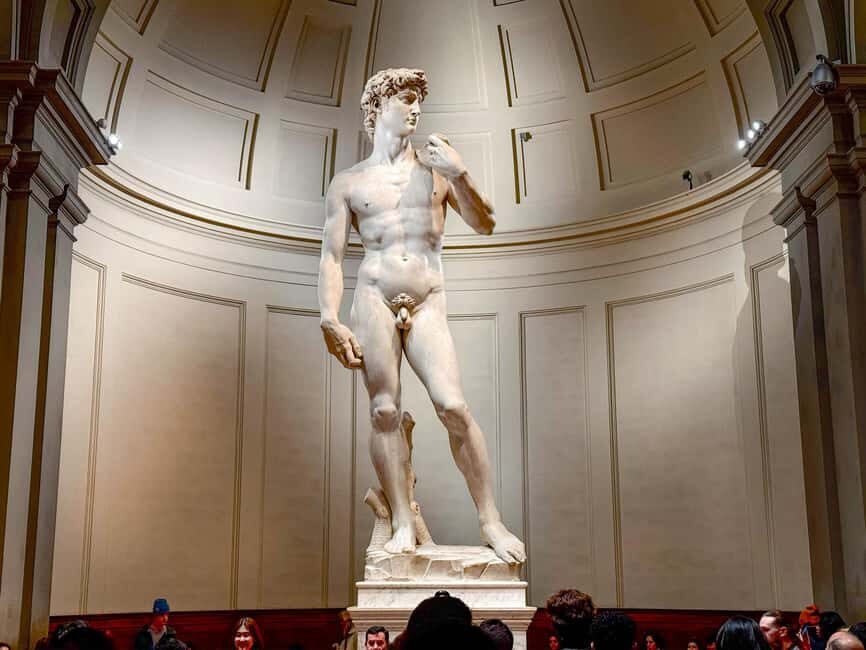
After David, the guide leads you through the standout sequence inside the Accademia. This is where the tour earns its ticket price, because it’s not only about seeing the famous piece. It’s about seeing how sculptors thought and worked.
The Four Prisoners Sculptures: Tension You Can See
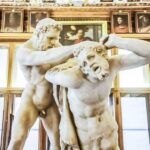
The tour includes the four Prisoners sculptures as a key part of the guided hour. These works are fascinating because they don’t feel finished in the same way as a statue meant for display. Instead, you see bodies that look like they’re being pulled out of stone.
That changes how you interpret David. You start thinking about carving as a process of emergence, not just a process of polishing. If you like symbolism and visual drama, the Prisoners set is usually a highlight because it’s emotional sculpture, not museum poster art.
The Music Instrument Room: A Left Turn That Works
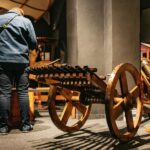
Next comes the Music Instrument Room. This is a smart inclusion because it breaks the expectation that the Accademia is only marble and muscle. The presence of instruments gives the museum a different rhythm, and it can refresh your brain when you’ve been staring at sculpture for too long.
You don’t need to be a music person to enjoy this stop. What matters is contrast. It helps you see the museum as a collection with multiple threads, not a single attraction.
- Tuscany Day Trip from Florence: Siena, San Gimignano, Pisa and Lunch at a Winery
★ 5.0 · 21,634 reviews

Plaster Casts: Where the Art Process Gets Real
One of the most distinctive promises of this tour is time with plaster casts that show the artistic process. This is the “wait, I’ve never looked at it like that” part for many visitors.
Why plaster casts matter: they’re not just replicas. They’re tools for teaching and understanding form. Seeing them in context helps you understand how artists studied anatomy, proportion, and surface effects long before you ever stand in front of the final marble.
If David is the headline, the plaster casts are often the reason the experience feels educational without being boring. You’ll get a deeper sense of how greatness is built—layer by layer, decision by decision.
How the 1-Hour Structure Helps (and Where It Can Feel Tight)
The guided tour portion lasts about one hour. That’s a good length if you want focus. It’s also short enough that you won’t feel trapped in a long lecture.
The best way to use that one hour is to treat it like a map. Let the guide show you the most important points, but keep your own eyes active. If something grabs you—hands, torsion, a facial expression—linger for a few seconds before moving on.
The one “catch” is that if you’re the type who wants to soak in every room, you might wish the guided time were longer. The workaround is built into the plan: after the guided section, you can continue exploring at your own pace.
So if you’re the “I need time with art” traveler, you’ll likely do well here. If you’re the “give me everything fast” traveler, you’ll appreciate the hour, but you should plan to spend additional time afterward so your eyes catch up.
After the Tour: Use Your Free Time Like a Pro
Once the guide wraps up the structured portion, you’re welcome to keep exploring the Accademia on your own. This is where you decide what kind of viewer you want to be.
Here are two practical ways to use that freedom:
- Revisit David with a new mental checklist. After the guided explanations, look again for the tension and the anatomy choices. Evening lighting often makes this feel even more striking.
- Spend extra time on whichever stop resonated most. If the Prisoners grabbed you, return to that zone. If the plaster casts made the process click, slow down there.
Because you’re not stuck in a group afterward, you can also take breaks. That sounds basic, but it’s important in Florence museums. A short pause makes your next look better, not worse.
Price and Value: What You’re Really Paying For
The price is $100 per person, and it’s worth thinking about what you get for that money—not just the headline number.
You’re paying for three main things:
- Exclusive evening access to the Accademia Gallery when it’s calmer
- A guided route that focuses on the most meaningful items (David, the Prisoners, the Music Instrument Room, and plaster casts)
- Admission plus skip-the-line entry via a separate entrance
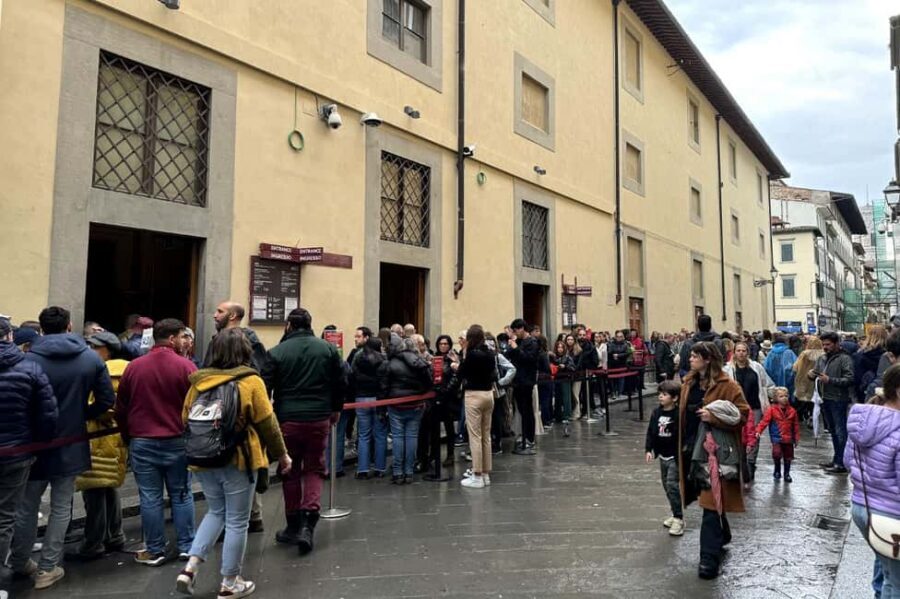
Time is currency in Florence. If you arrive and lose momentum to entry lines, the day can start feeling like logistics instead of art. Skip-the-line access isn’t magic, but it can protect your schedule and your mood.
Also, the evening format typically gives you more value out of the guide. If the rooms are packed, even a great guide gets louder and faster. When it’s quieter, the explanations land.
One more note on value: food and drinks aren’t included. That’s normal for museum tours, but plan to eat before or afterward so you don’t feel rushed while your eyes are still adjusting to sculpture.
What to Expect on the Day: Timing, Meet-Up, and Group Reality
You should arrive about 15 minutes early. Your meeting point is Via Ricasoli, 115, at the front of the Carrefour Supermarket. A representative from Florence With Locals Group Tours will be standing there holding a purple sign that says Florence With Locals.
Languages offered by the live guide are English, Italian, and Spanish, so it’s a good fit if you want interpretation rather than only static audio.
Wheelchair access is available, which is an important practical detail if mobility affects how you enjoy museums.
Finally, about group size: even when the marketing sounds boutique, you may share the David moment with others once you’re in the museum system. That doesn’t automatically ruin the experience, but it does affect how “exclusive” it feels. If you want a truly private, silent viewing, you’ll be happier tempering expectations and leaning into the guided expertise and calmer timing.
On at least one occasion, the museum has closed early due to protests in the area, and the tour company offered an earlier time slot rather than a full cancellation. That’s the kind of real-world flexibility you hope for in Florence, where conditions can change quickly.
And if you’re lucky enough to get Rosa as your guide, she’s been described as personable and knowledgeable, which matters because David isn’t just a photo moment. It’s a mood moment.
Who This Tour Is Best For (and Who Might Want Another Option)
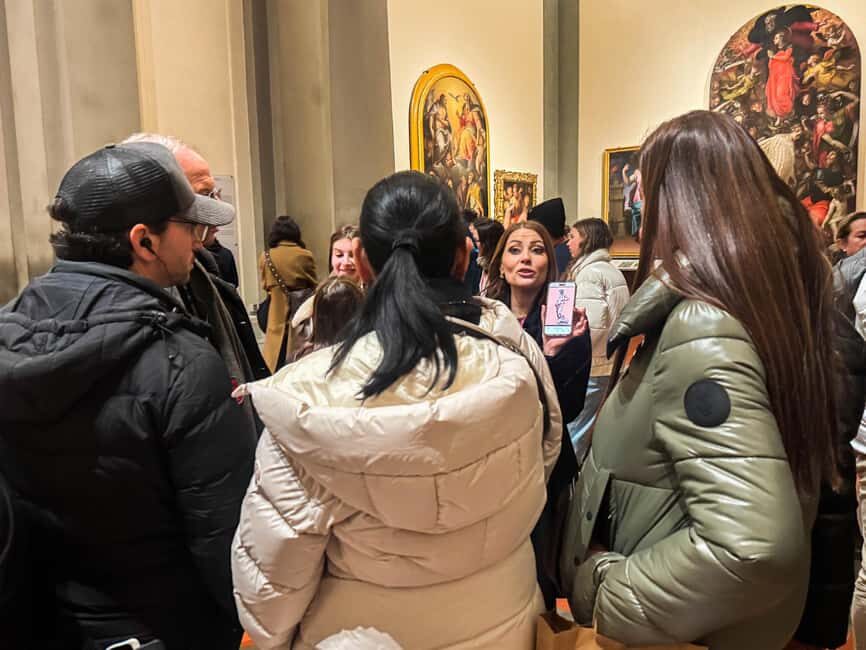
This tour is a strong match if you:
- Want fewer crowds and a more relaxed David viewing
- Enjoy art process details like plaster casts, not only finished masterpieces
- Like a guided structure that points you toward the best parts of a big museum
- Prefer an evening schedule because mornings and peak afternoons can feel overwhelming
It may be less ideal if you:
- Expect true solitude and zero sharing around David
- Dislike museum plans that include multiple rooms in one hour
- Need lots of time per artwork and don’t want to come back after the guided portion
Should You Book This Florence David Evening Tour?
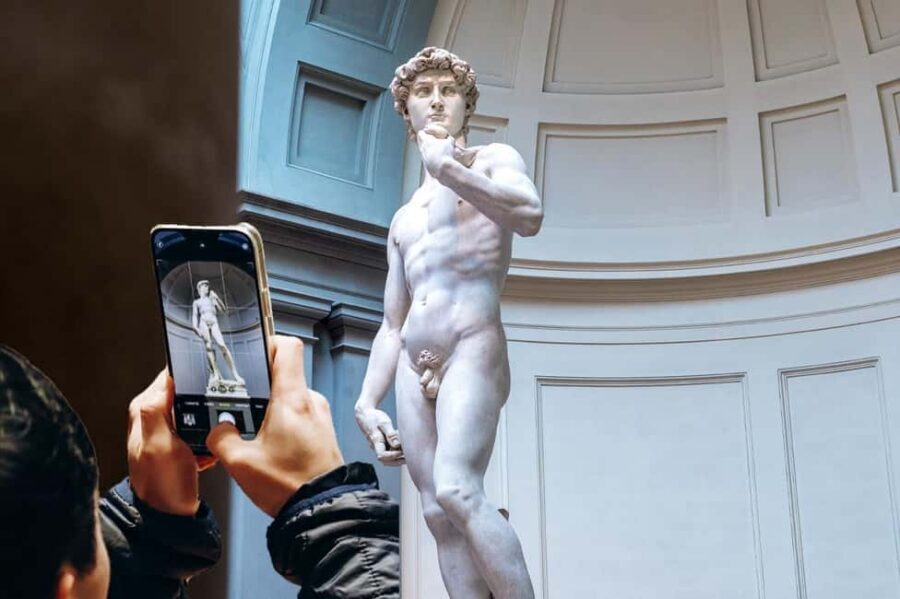
I’d book it if you’re planning a Florence trip around art and you care about timing. The evening hours plus skip-the-line entry plus a guided route focused on David, the Prisoners, the Music Instrument Room, and plaster casts is a smart combo. You’ll get both the famous moment and the context that makes it stick.
I’d also book it if you’re the type who wants to learn without turning your day into a classroom. The one-hour structure is short enough to keep energy up, and the self-guided time afterward helps you shape the experience.
Just go in with one clear expectation: it’s guided and calmer, not guaranteed private in the strictest sense. If you can accept that, this tour is a very practical way to see Michelangelo’s David with better conditions than the busiest daytime hours.
FAQ
How long is the tour?
The guided tour lasts about 1 hour. After that, you can continue exploring the Accademia Gallery at your own pace.
Where do I meet the guide?
Meet in front of the Carrefour Supermarket at Via Ricasoli, 115 (RED NO, 50121 Firenze FI). Arrive about 15 minutes early, and look for a representative holding a purple Florence With Locals sign.
Is admission included?
Yes. Admission to the Accademia Gallery is included.
Does it include a skip-the-line entrance?
Yes. You’ll use a separate entrance to skip the line.
What languages are available?
The live guide is available in English, Italian, and Spanish.
Is food included?
No. Food and drinks are not included.
You Might Also Enjoy


More Evening Experiences in Florence


More Tours in Florence
- The Best tour in Florence: Renaissance & Medici Tales – guided by a STORYTELLER
★ 5.0 · 12,316 reviews


More Tour Reviews in Florence
- Tuscany Day Trip from Florence: Siena, San Gimignano, Pisa and Lunch at a Winery
★ 5.0 · 21,634 reviews - The Best tour in Florence: Renaissance & Medici Tales – guided by a STORYTELLER
★ 5.0 · 12,316 reviews