REVIEW · FLORENCE
Tuscan Cooking Class in an Art Gallery in Florence
Book on Viator →Operated by eatwith · Bookable on Viator
Florence can be a feast for your eyes, then your stomach. This 2.5-hour Tuscan cooking class is set in Anna’s personal art space, where the kitchen and the gallery feel like one world. I love the small group size (max 8), because you get real hands-on time instead of watching. I also love that the menu centers on classic Tuscan comfort food, from home-made pasta to cantucci with Vin Santo. One thing to consider: this is a home-style workshop, so if you need lots of English-speaking formality or big-group energy, you may want a different kind of tour.
In This Review
- Quick take
- From Via Maggio to Anna’s art-filled kitchen
- What you’ll cook: a tight Tuscan menu with real character
- Starter: panzanella (Tuscan tomato and bread salad)
- Main: fresh homemade ragù pasta (Tuscan tradition meets Neapolitan ragù)
- Dessert: cantuccio con Vin Santo
- The hands-on rhythm: what the class actually feels like
- Where the gallery vibe changes the meal
- Taste notes: wine, coffee, and what to pay attention to
- Who this is best for (and who should skip it)
- Price and value: what you’re really paying for
- Practical tips for showing up ready
- Should you book this Florence Tuscan cooking class?
- FAQ
- How long is the Tuscan cooking class in Florence?
- What time and where does the class start?
- Is the class offered in English?
- How many people are in the group?
- What food is included?
- Are wine and coffee included?
- What if I have dietary restrictions or allergies?
- What is the cancellation window?
Quick take
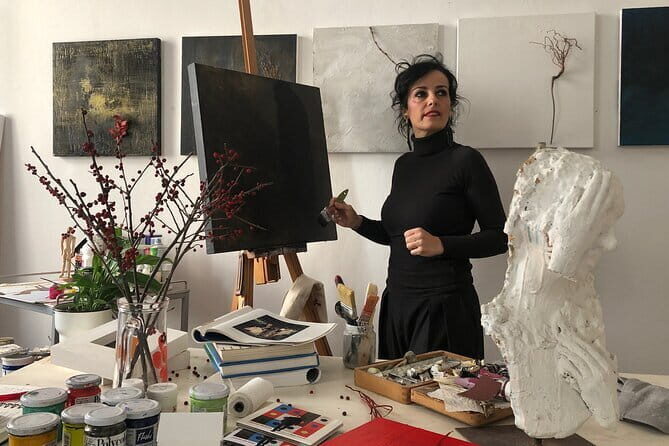
- Art + cooking in one place: you cook and then eat inside Anna’s gallery-like home setting
- Hands-on Tuscan classics: panzanella, fresh ragù pasta, and cantucci con Vin Santo
- Small group, max 8: more conversation, more attention, less waiting around
- Included drinks: Tuscan wine and coffee are part of the experience
- Recipes with family roots: you’ll learn dishes connected to what Anna’s mom passed down
From Via Maggio to Anna’s art-filled kitchen
Your day starts at Via Maggio, 50125 Firenze FI at 11:30am. The activity finishes back at the same meeting point, so you’re not left juggling transit while your appetite is peaking.
What makes this experience feel special is the setting. You’re not cooking in a big cooking school with fluorescent lighting and a line of identical stations. You’re invited into Anna’s home, where her art takes center stage. Anna isn’t just running a workshop; she’s a visual artist who treats food like another way of making art. That mindset changes how the whole class feels. Instead of rushing through steps, you slow down and pay attention—what goes where, how flavors build, and how tradition gets translated into a dish you can actually make.
This is also explicitly offered in English, and the group stays intentionally small (up to 8 travelers). That matters. In smaller classes, questions don’t get lost, and you can actually talk through what you’re doing while you cook.
One more practical note: you’ll have a mobile ticket, and the full address is shared on your confirmation voucher under the Before you go section. So don’t rely on memory once you book—check that message before you head out.
You can also read our reviews of more museum experiences in Florence
What you’ll cook: a tight Tuscan menu with real character
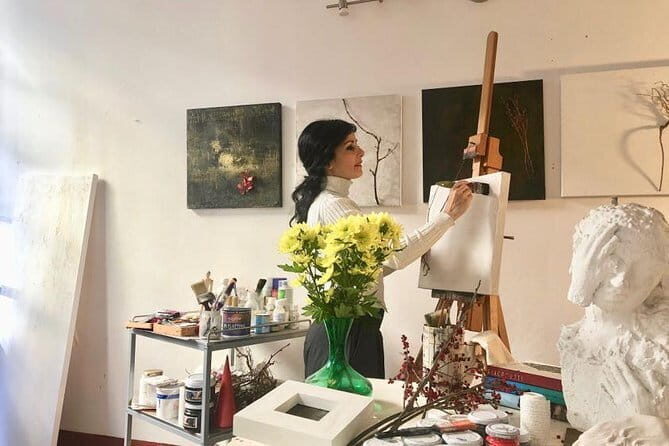
The class includes lunch, and the menu is nicely focused. You’re not doing a long parade of dishes. Instead, you learn three anchor recipes that cover the core of Tuscan flavor: something fresh and rustic to start, something comforting and hearty in the middle, and a sweet finish with a classic digestif vibe.
Starter: panzanella (Tuscan tomato and bread salad)
You start with panzanella, a traditional Tuscan tomato-and-bread salad. This is the kind of dish that teaches you something useful fast: how Italian cooking makes simplicity taste intentional. Bread and tomatoes can easily become bland if they’re handled without thought, but panzanella is all about texture and balance—how bread softens, how tomatoes release their juices, and how you keep everything tasting fresh rather than heavy.
Even if you’ve had panzanella before, learning it in a workshop changes it. You see the choices being made (not just the final photo-worthy plate), and you understand why people love it in Tuscany: it’s satisfying, but it doesn’t require a big sauce operation.
Main: fresh homemade ragù pasta (Tuscan tradition meets Neapolitan ragù)
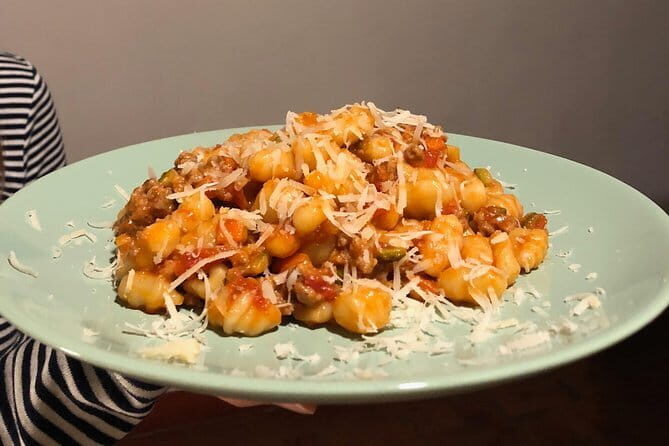
The main is fresh homemade Ragù Pasta. The recipe is described as pasta enriched with a Neapolitan ragù revisited by the Tuscan tradition. That wording is a clue: you’re not just copying one region’s style. You’re learning a flavorful connection between Italian food cultures.
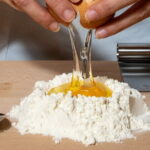
Homemade pasta also changes your relationship with the meal. Store-bought pasta can still be good, but homemade pasta is a different experience. It tends to feel more delicate and forgiving, and it’s also easier to appreciate the sauce—because you can feel the pasta holding onto what you made.
And this is where the art-and-cooking combination really helps your focus. In a normal classroom, you might get distracted by the room. Here, you’re in a personal studio setting, and Anna talks through what’s happening as you work. That makes the “why” as important as the “how.”
Dessert: cantuccio con Vin Santo
For dessert, you’ll make cantuccio con Vin Santo. Cantucci are the kind of cookies people don’t treat lightly—they’re built for pairing. Vin Santo brings the sweet, digestif-style finish that makes this feel properly Italian rather than just a random cake.
If you like learning how Italians end a meal, this is a good one. It gives you that last-note sweetness that also feels grounded and traditional, not overcomplicated.
You can also read our reviews of more cooking classes in Florence
- Cooking Class and Lunch at a Tuscan Farmhouse with Local Market Tour from Florence
★ 5.0 · 4,831 reviews
The hands-on rhythm: what the class actually feels like
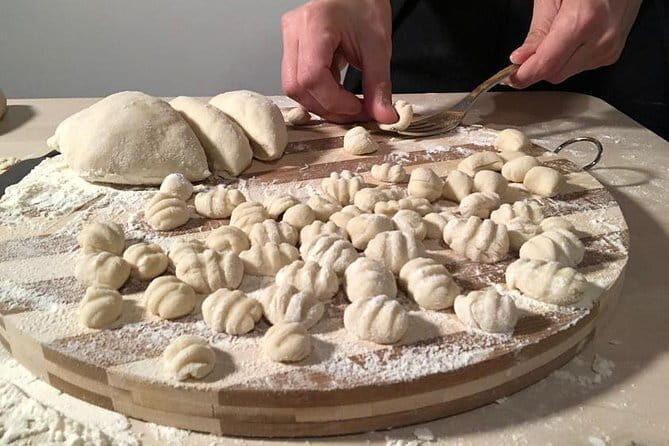
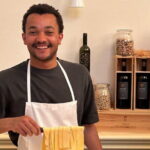
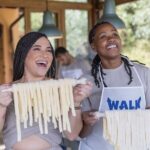
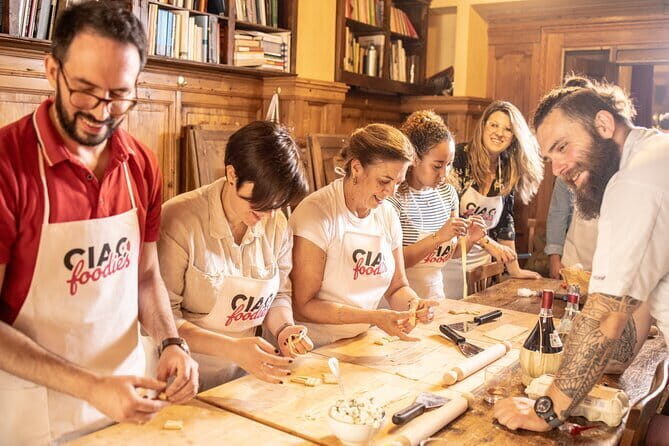
Because the workshop is capped at up to 8 people, the pace stays human. You’re not stuck waiting for a turn at the counter. With a smaller group, you can get real coaching while you’re cooking, and you’re more likely to talk with the people around you.
Anna runs the class in a relaxed but structured way. You’ll prepare the menu together, and as you work, she explains the story behind what you’re making. Based on what people highlight about her teaching, she doesn’t just say what ingredients do—she connects dishes to origins and regional ideas. And she’s also very clear about the food-and-wine side, including how different parts of Italy taste different from each other.
A key detail here: the recipes have family roots. Anna shares that these are recipes passed down from her mom. That matters because it explains why the cooking feels lived-in. It’s not only techniques; it’s memory and tradition turned into something you can cook at home.
You’ll also get Tuscan wine during the experience, plus tasty coffee. That’s a big part of why this feels like lunch with education built in, not a timed demo.
Where the gallery vibe changes the meal
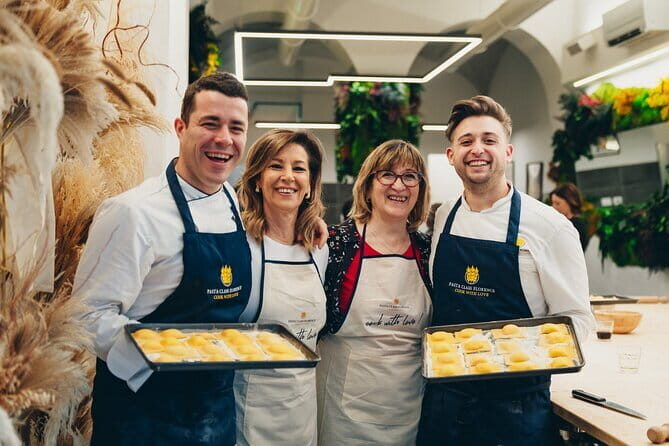
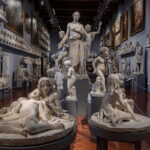
In Florence, it’s easy to treat food and art like separate trips. This tour tries to merge them. You cook while surrounded by art, and you eat in the same creative atmosphere. That means the meal feels like part of the day’s cultural experience rather than an extra stop you squeezed in between museums.
This setting also helps you slow down and notice things you’d normally ignore. When you’re making panzanella and homemade ragù pasta, you’re tasting constantly. When you’re surrounded by Anna’s artwork, you’re more likely to stay present instead of rushing for a photo and leaving the kitchen with a vague blur of smells.
The overall effect is calming. People describe the experience as relaxing and comfortable, with an intimate group dynamic. I can see why: small groups plus a home setting tends to soften the whole event.
Taste notes: wine, coffee, and what to pay attention to
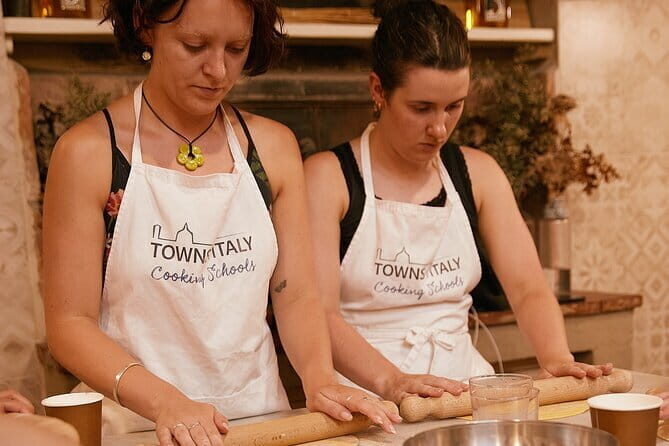
You’ll drink Tuscan wine and have coffee as part of the class experience. That’s not just a perk. It helps you understand the meal as Italians often do—food first, then drinks and dessert as a finish.
When you’re eating the pasta, pay attention to how the sauce clings. With homemade pasta, you should feel that difference. With ragù, the question is always depth. Does the sauce taste like it has layers rather than just one flavor punch? If Anna is doing it right (and she clearly is), the ragù should taste rounded and satisfying, the way Tuscan home cooking is supposed to.
And with vin santo and cantucci, the fun part is texture. Many people overthink sweets. Here, you just focus on how the cookie pairs with the digestif-style wine—sweet, but not careless.
Who this is best for (and who should skip it)
This class is a great match if you love:
- Tuscan cuisine and want hands-on practice, not just a meal
- Art lovers who don’t want Florence art to be only paintings and sculptures
- Couples and small groups who prefer conversation over crowds
- Travelers who enjoy learning the background behind food, including regional connections
It’s also a strong option if you want a change of pace from museum days. Instead of walking through rooms of art, you’re in a living art space where you make the meal that becomes part of your memory.
You might want to consider another option if:
- You’re expecting a large, formal class with lots of anonymous stations
- You’re uncomfortable in a home-kitchen setting
- You want a very rigid schedule with minute-by-minute breakdowns
That said, the small group and the personal host setup are exactly why most people rate it so highly.
Price and value: what you’re really paying for
At $104.13 per person for about 2 hours 30 minutes, the price isn’t the cheapest thing in Florence. But it also isn’t trying to be.
You’re paying for three things that add real value:
- A small group (max 8). That means more interaction and less standing around.
- A full lunch built into the class, not a snack. Starter, main, and dessert are included.
- Tuscan wine and coffee as part of the experience, plus the teaching and tastings that make it more than just a meal.
If you’ve ever done a “food tour” where you eat three bites and move on, this is different. Here, you cook. That’s why the time feels worth it. You leave with a better sense of how the dishes work, not just that they taste good.
Practical tips for showing up ready
A few things make the day smoother:
- Check your full address in the confirmation voucher before you go. The general meeting spot is clear, but the exact location details come later.
- If you have any allergies or dietary restrictions, communicate them when booking. Don’t wait until the day-of.
- Since this is offered in English, English-speaking visitors should feel comfortable asking questions, but it can still help to come with a couple of curiosity prompts (what makes it Tuscan, what makes it different from other regions, that sort of thing).
- Wear comfortable clothes. You’ll be working in a kitchen environment and spending time at the table.
Also, there’s a simple charm here: it ends where you started. So you can plan the rest of your day without the stress of a complicated route.
Should you book this Florence Tuscan cooking class?
I think you should book it if you want a Florence experience that mixes culture in a way that doesn’t feel staged. The combination of Anna’s art setting, a small group, and the focused menu (panzanella, homemade ragù pasta, cantucci with Vin Santo) makes this a solid value option for people who like learning by doing.
If your priority is high-volume sightseeing, this may not replace a big museum day. But if you want a memorable lunch with real technique and stories behind the food, this fits beautifully.
If you’re on the fence, look at it like this: you’re not just eating in Florence. You’re taking home understanding—of how Tuscan tradition tastes, how homemade pasta changes everything, and how art can shape the way you experience a meal.
FAQ
How long is the Tuscan cooking class in Florence?
The experience lasts about 2 hours 30 minutes.
What time and where does the class start?
It starts at 11:30am in Florence at Via Maggio, 50125 Firenze FI, Italy. The experience ends back at the meeting point.
Is the class offered in English?
Yes, it is offered in English.
How many people are in the group?
The workshop has a maximum of 8 travelers, keeping it intentionally small.
What food is included?
You’ll make and eat a menu that includes panzanella (starter), fresh homemade ragù pasta (main), and cantuccio con Vin Santo (dessert).
Are wine and coffee included?
Yes. You’ll try Tuscan wine and coffee during the experience.
What if I have dietary restrictions or allergies?
You need to communicate any food restriction (allergies, special diet, etc.) when booking.
What is the cancellation window?
You can cancel for a full refund up to 24 hours before the experience starts.
You Might Also Enjoy
More Cooking Classes in Florence
- Cooking Class and Lunch at a Tuscan Farmhouse with Local Market Tour from Florence
★ 5.0 · 4,831 reviews
More Museum Experiences in Florence

More Tour Reviews in Florence
- Tuscany Day Trip from Florence: Siena, San Gimignano, Pisa and Lunch at a Winery
★ 5.0 · 21,634 reviews - The Best tour in Florence: Renaissance & Medici Tales – guided by a STORYTELLER
★ 5.0 · 12,316 reviews