REVIEW · FLORENCE
Wine & cheese Lover’s Paradise in hart of Florence
Book on Viator →Operated by Chef Vary · Bookable on Viator
Cheese and wine in Florence can be pretty magic. In this wine-and-cheese tasting, you choose your pour size (small sample, half glass, or whole glass), so the whole experience feels tailored, not rushed. It also threads in wine history and culture while you move between three landmarks: Pitti, Giardino di Boboli, and Piazza Santo Spirito.
I really like that you’re not stuck with one cheese or one wine style. The table includes 8 cheeses (think aged Pecorino, robiola, and truffle-infused specialties) paired with 4 natural, biodynamic, organic wines made with minimal intervention. The main drawback to consider is time: at about 1 hour 30 minutes, it’s a great sampler, but it won’t replace a longer wine lesson if you want to go super deep.
In This Review
- Key things that make this tasting work
- Florence wine and cheese in 90 minutes: how to make the most of it
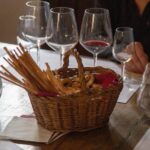
- What you actually taste: 8 cheeses and 4 Italian wines
- Choosing your wine pour: why this option feels fair
- Pitti stop: the Florence setting that keeps it from feeling generic
- Giardino di Boboli stop: tasting with a break in the scenery
- Piazza Santo Spirito stop: ending with a neighborhood feel
- The wine expert touch: Chef Vary’s coaching style
- Alcohol included? Nope. That’s the point.
- Price and value: is $67.21 a fair deal?
- Small group, English, and a mobile ticket: practical logistics that matter
- Who this tasting is best for
- Should you book it?
- FAQ
- How long is the wine and cheese Lover’s Paradise experience in Florence?
- What does it cost?
- What’s included in the tasting?
- Do I have to pay for wine separately?
- Can I choose how much wine I drink?
- Is the experience offered in English, and what’s the group size?
- Where do I meet, and how does cancellation work if plans change?
Key things that make this tasting work
- You control the wine quantity so you only pay for what you drink
- 8 cheeses, not a token plate including aged Pecorino, robiola, and truffle-forward options
- 4 wines across styles from Tuscan reds to elegant whites and even sparkling
- Natural winemaking approach with biodynamic, organic, and minimal-intervention producers
- A tight group size (max 6) that keeps the expert conversation personal
- A Florence route built around famous stops so you get flavor plus scenery
Florence wine and cheese in 90 minutes: how to make the most of it
This is the kind of experience that fits real travel life. You get enough structure to learn something, and enough variety to keep it fun. At about 1 hour 30 minutes, it’s long enough for meaningful pairings, but short enough that you can still have dinner plans afterward.
Because it’s scheduled around a few major Florence stops, you’ll likely spend part of the time walking and part of it tasting. That matters because good tastings are not just about what’s in the glass. They’re also about pacing, and this format tends to keep you curious instead of overwhelmed. If you’re the type who likes to sample and compare, you’ll probably love this.
If you want maximum drinking, you still can. The twist is that you don’t have to buy a full pour automatically. You can go light, go moderate, or go for it.
You can also read our reviews of more wine tours in Florence
- Tuscany Day Trip from Florence: Siena, San Gimignano, Pisa and Lunch at a Winery
★ 5.0 · 21,634 reviews
What you actually taste: 8 cheeses and 4 Italian wines
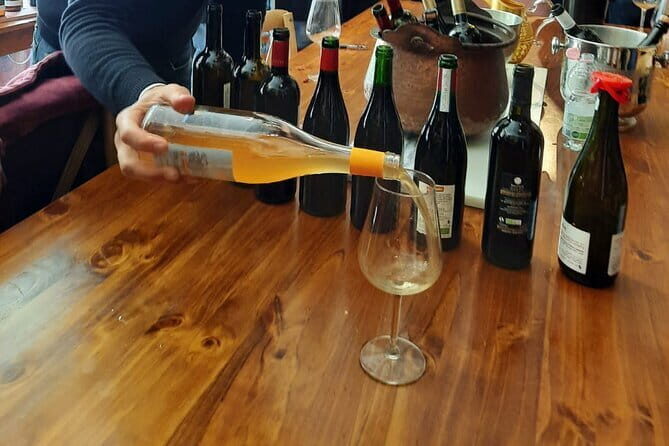
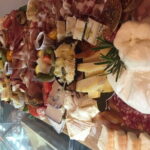
The core of this experience is simple: 8 cheeses paired with 4 wines. That ratio is a big deal. More cheeses means more textures and flavors to compare, and you’re not stuck eating the same style for the whole tasting.
On the cheese side, the lineup includes standouts like:
- Aged Pecorino with a bold character
- Robiola that’s silky and delicate
- Truffle-infused cheese specialties for a heavier, more aromatic moment
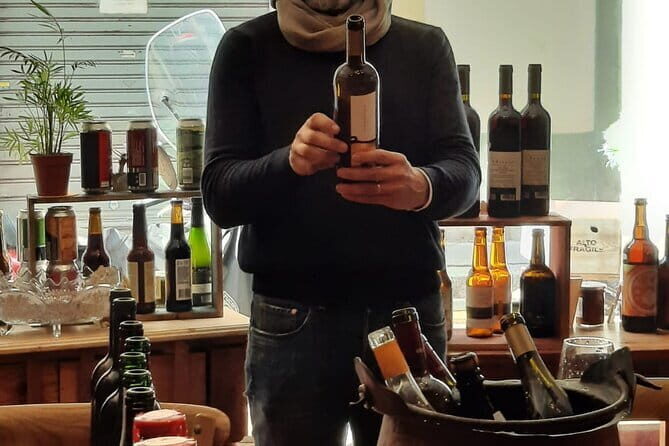
On the wine side, you’re tasting across multiple styles, not just one safe category. Expect reds through sparkling, and wines described as Tuscan reds and mineral-driven whites. The makers are positioned as natural, biodynamic, and organic, with minimal intervention in the winemaking process.
For you, that means the tasting can feel like a mini snapshot of how Italian producers express place and style. Instead of learning a single grape or region, you’ll get a broader “feel” for how different wines behave next to different cheeses. That’s how you start building your own preferences back home.
Choosing your wine pour: why this option feels fair
This is one of the most traveler-friendly touches in the whole setup. You don’t get forced into one fixed amount. You can choose a small sample, a half glass, or a whole glass, and you pay only what you drink.
That solves a common vacation problem. A lot of tastings turn into an all-or-nothing situation, where you either pay for more alcohol than you want or you hold back and feel out of the loop. Here, you can match your tasting level to your mood, your schedule, and even your dinner plans.
Practical tip: if you’re not sure what you’ll like, start with a smaller pour early, then upgrade only if you find a style that grabs you. Wine tends to open up after the first few cheeses, and your palate usually calibrates fast.
Pitti stop: the Florence setting that keeps it from feeling generic
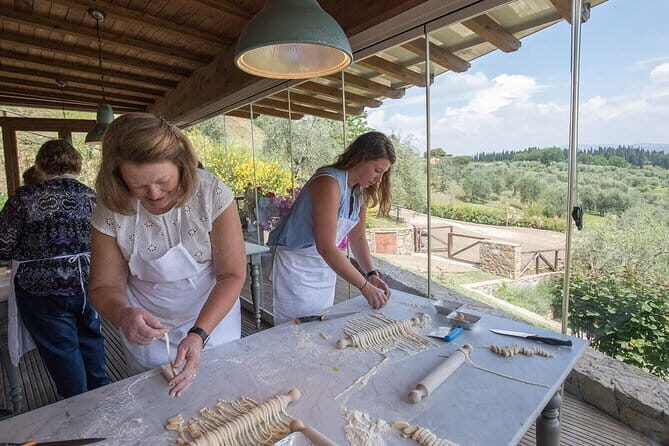
You’ll make Pitti your first stop. Even without getting stuck in a museum-mode lecture, this location helps set a sense of place. Big Florence landmarks put the tasting in motion, so it feels like part of the city rather than a room service event.
For me, the key value of starting with a major landmark is psychological. It gives you immediate context, and it keeps you engaged as you go. You’ll also get that classic Florence effect: you’re tasting Italian flavors while the city itself looks and feels Italian all around you.
One consideration: if you’re sensitive to crowds in central areas, go in expecting foot traffic. A small group helps, but famous areas can still feel busy at certain times of day.
Giardino di Boboli stop: tasting with a break in the scenery
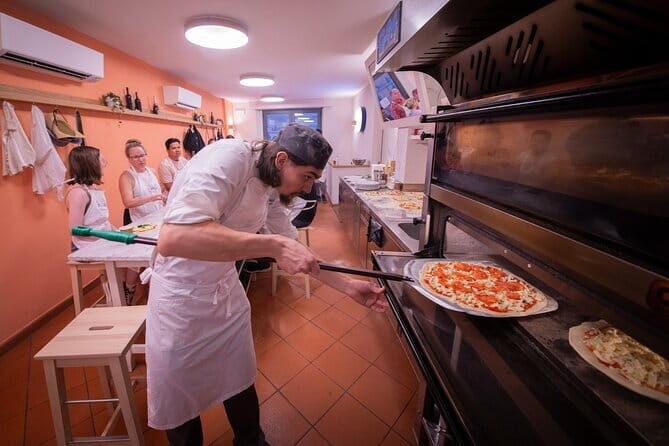
Next up is Giardino di Boboli. A garden stop is useful in a tasting experience because it resets your senses. After a couple pours and a few bites, it’s easy to feel sticky and slow. A change of air and scenery can make the next pairing feel clearer and more distinct.
This stop also fits the “learn while you walk” vibe. Instead of sitting still and zoning out, you’re getting brief scenery shifts that keep the experience from dragging. That’s especially helpful when the tasting includes multiple wine styles, from reds to sparkling.
If you hate uneven ground or stairs, plan accordingly. Garden areas can involve natural textures and steps, and your comfort level will shape how much you enjoy the tasting pace.
You can also read our reviews of more tours and experiences in Florence
Piazza Santo Spirito stop: ending with a neighborhood feel
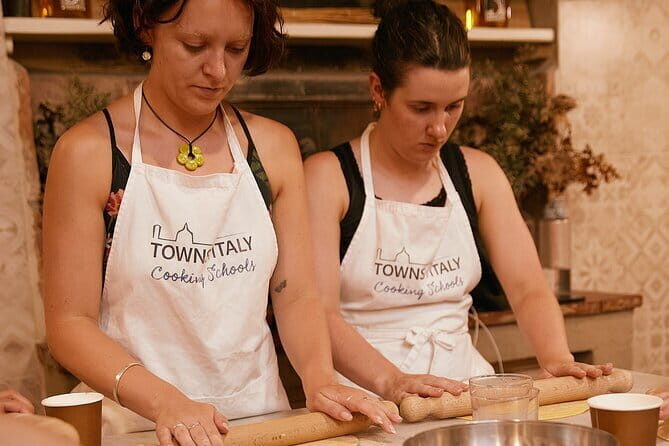
Your final listed stop is Piazza Santo Spirito. Ending a tasting at a piazza is smart. You get an open, social feeling where you can process what you liked and why, instead of rushing straight into the next thing.
This is also a good point to check in with your own tastes. You’ll have already tried cheeses like aged Pecorino and robiola, plus truffle-forward specialties. You’ll also have tasted wines across styles, including mineral-driven whites and sparkling. By the time you land at the piazza, you’re in a better position to say, I liked that pairing because of texture, or because the wine cleaned the palate.
Small practical thought: if you’re heading out for dinner right after, pace yourself on the last wines. The whole format encourages choice, and that means you can avoid the common mistake of overshooting your appetite.
The wine expert touch: Chef Vary’s coaching style
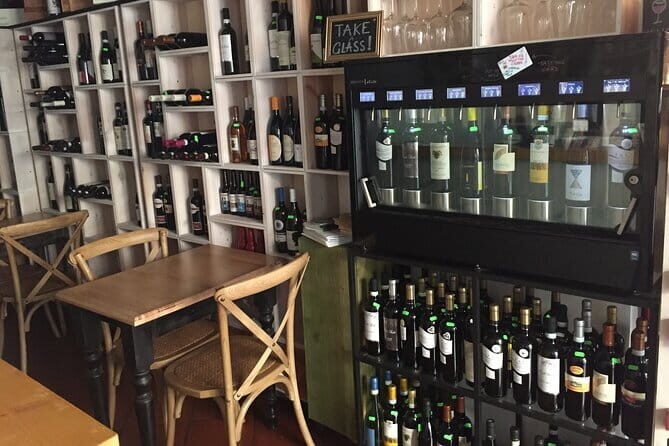
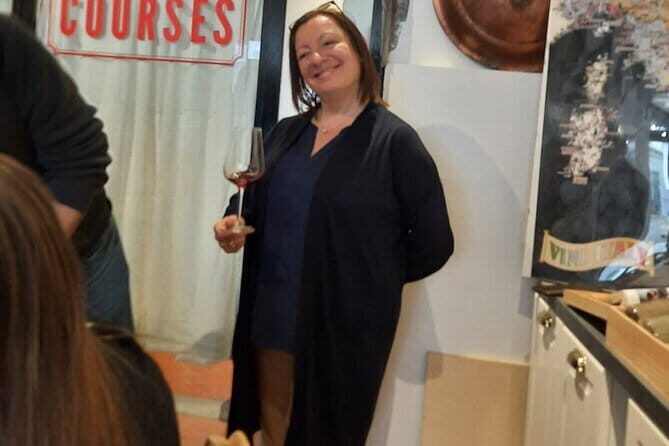
The experience includes a Wine Expert, and the provider listed is Chef Vary. From the way this kind of teaching is described in her work, her style tends to be patient, clear, and actively supportive. You don’t just get thrown information at you.
That matters because tastings succeed when you understand what to notice. You’re meant to learn wine history and culture in a dynamic setting, not memorize a few facts and hope it sticks. A good instructor will guide you toward what each cheese and wine is doing: salt, fat, aroma, and how the wine changes the bite.
For you, the real benefit is confidence. If you’re a wine beginner, you’ll have fewer stumbling points. If you’re not a beginner, you’ll still get enough framing to make the sampling feel purposeful.
One thing to consider: since this is a short tasting, you might not get extremely deep backstory on every single bottle. The teaching is likely more about making you aware and tasting with intention.
Alcohol included? Nope. That’s the point.
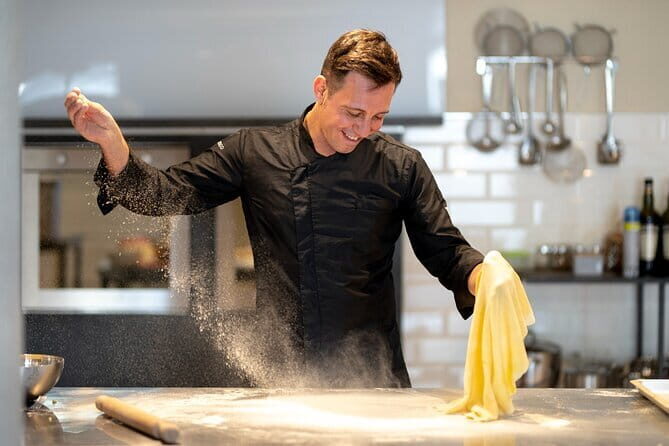
Here’s the deal: alcoholic beverages are not included. You pay only for what you drink, and you choose the quantity you want.
That model can be a plus for value. If you want a tasting that feels like food first, you can keep the wine modest. If you want to enjoy wine more fully, you can order a half or whole glass when it makes sense.
This is also a good match for group dynamics. In a small group, tastes can vary fast. The pour-choice system makes it easier for everyone to participate without feeling awkward about drinking less.
Price and value: is $67.21 a fair deal?
At $67.21 per person for about 1 hour 30 minutes, you’re paying for more than “samples.” You’re paying for:
- A structured tasting set (8 cheeses and 4 wines)
- A wine expert guiding pairings and explaining wine history and culture
- A small-group experience (maximum 6 travelers)
That makes the price easier to justify. Many wine tastings charge for a seat plus an open-ended drink cost, and then the value varies wildly. Here, the amount of alcohol is more controlled because you choose the pour size and pay accordingly.
If you’re planning a day of Florence walks and you want one focused food-and-wine anchor, this fits well. You can treat it like a guided tasting “starter” for your evening, rather than a whole meal replacement.
The only reason price could feel steep is if you barely drink and wanted more food-heavy time. But since you’re choosing your pour, you can still keep it aligned with your budget.
Small group, English, and a mobile ticket: practical logistics that matter
This is offered in English, and the group is capped at 6 travelers. That combination is a big quality signal. More people usually means more waiting and less conversation. A smaller group tends to keep the tasting flowing, and it helps the wine expert tailor explanations to what you’re actually trying.
You’ll also have a mobile ticket, and the activity notes that it’s near public transportation. Meeting and ending are both back at the same spot, which helps you stay calm when Florence streets start looking like a maze.
Meeting point:
Tuscan Taste, Via Romana 41r Rosso, 50125 Firenze FI, Italy
If you hate last-minute scramble, get there a few minutes early and give yourself time to find the exact entrance. In central Florence, small turns matter.
Who this tasting is best for
You’ll likely love this if you:
- Want a guided tasting without committing to a full wine class day
- Like tasting multiple cheese types, from aged to creamy to truffle-infused
- Prefer a natural winemaking style explained in normal human language
- Want a small-group Florence activity that feels local
You might not love it as much if you want long, sit-down wine education or if you’re hoping for a huge amount of alcohol included in the price. The “pay only what you drink” structure is a feature, but it does change how you plan your budget.
Also consider comfort. Since the experience is built around multiple stops, wear shoes that handle real walking and any uneven garden textures.
Should you book it?
Yes, if you want a smart Florence food-and-wine highlight that mixes learning with taste and doesn’t eat your whole day. The biggest reasons I’d book are the variety (8 cheeses and 4 wines), the choice (you control the wine pour), and the small group size that supports real interaction.
Book it especially if you like the idea of natural, biodynamic, organic wines made with minimal intervention, and you enjoy comparing how cheese textures change what you notice in the glass. Just go in knowing it’s a sampler. You’ll leave with preferences and ideas, not a full wine degree.
FAQ
How long is the wine and cheese Lover’s Paradise experience in Florence?
It’s approximately 1 hour 30 minutes.
What does it cost?
The price is $67.21 per person.
What’s included in the tasting?
You’ll sample 8 cheeses and 4 wines, with a Wine Expert included.
Do I have to pay for wine separately?
Yes. Alcoholic beverages are not included. You pay only what you’ll drink, and you can choose the quantity.
Can I choose how much wine I drink?
Yes. You can select a small sample, a half glass, or a whole glass.
Is the experience offered in English, and what’s the group size?
It’s offered in English, and the group has a maximum of 6 travelers.
Where do I meet, and how does cancellation work if plans change?
You meet at Tuscan Taste, Via Romana 41r Rosso, 50125 Firenze FI, Italy. Cancellation is free if you cancel up to 24 hours in advance for a full refund; within 24 hours, the amount paid is not refunded.
You Might Also Enjoy

More Cheese in Florence
More Wine Tours in Florence
- Tuscany Day Trip from Florence: Siena, San Gimignano, Pisa and Lunch at a Winery
★ 5.0 · 21,634 reviews
More Tour Reviews in Florence
- Tuscany Day Trip from Florence: Siena, San Gimignano, Pisa and Lunch at a Winery
★ 5.0 · 21,634 reviews - The Best tour in Florence: Renaissance & Medici Tales – guided by a STORYTELLER
★ 5.0 · 12,316 reviews