REVIEW · FLORENCE
Florence: Private Astronomical Tour of the Museo Galileo
Book on GetYourGuide →Operated by Inside Out Italy · Bookable on GetYourGuide
Galileo in Florence feels close, not distant. This private 1.5-hour visit to the Museo Galileo is a smart way to see how space was measured, with expert guidance that connects the objects to Galileo’s world. Private means you can move at a pace that works for your group, and the guide uses the museum’s displays as your route, not just a slideshow.
I especially like seeing original instruments up close—things like Galileo’s telescope and the real tools used to think about the sky. I also love the focus on practical measurement topics: timekeeping, temperature, and the way astronomers tackled “space” long before modern tech. The main drawback to consider is that if you’re hunting for step-by-step scientific explanation of how each device works, you may feel the tour runs more historical than technical; one reviewer pointed out that the museum app has strong scientific video explanations, which can fill gaps if you want deeper mechanics.
In This Review
- Key things that make this private Galileo tour worth your time
- Museo Galileo in Florence: a private way to see real science tools
- Following the Medici science thread: how the collection came together
- Galileo’s telescope and the astronomy gear you’ll recognize immediately
- Timekeeping, thermometers, and the Nocturnal (1568): measurement in everyday form
- Optics and even electrostatics: why the tour stays fun (especially for families)
- What the 90-minute private pace really feels like
- Included extras that make the visit smoother
- Price vs value: what $159 per person buys you
- Tips to get more out of your Museo Galileo private tour
- Should you book the Private Astronomical Tour of the Museo Galileo?
- FAQ
- How long is the private astronomical tour at Museo Galileo?
- What is included in the price?
- Does the tour help you avoid long lines?
- What are the photography rules inside the museum?
- Where do I meet the guide?
- Is this tour suitable for children?
Key things that make this private Galileo tour worth your time
- Original instruments: Galileo’s telescope and other period tools you can actually stand near
- Timekeeping + measurement: you’ll learn how people measured time, space, and even temperature
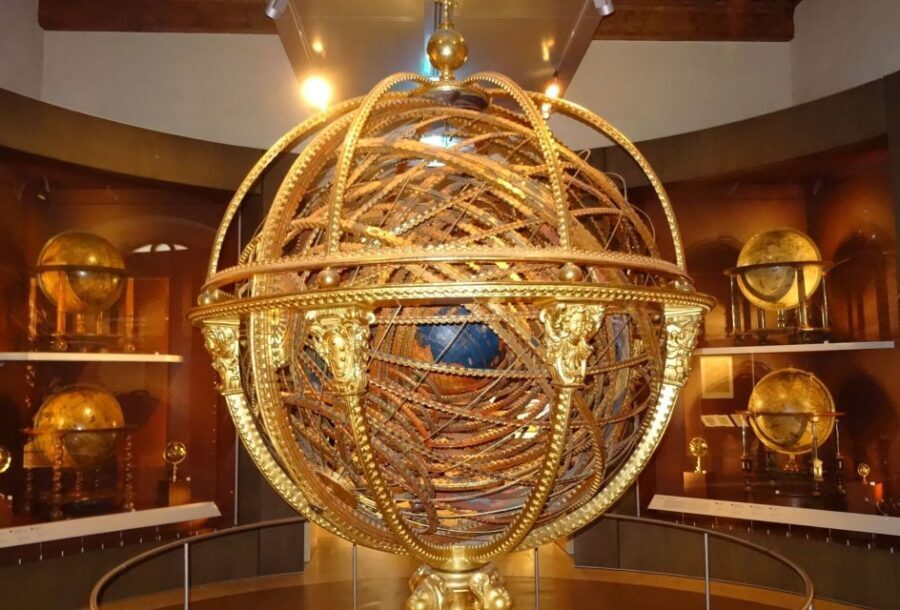
- Big-name objects: the Nocturnal by Girolamo della Volpaia (1568) and Santucci’s Armillary Sphere (1593)
- Science meets culture: Galileo’s life and the Medici court context shape how you understand the collection
- Headsets included: easier listening inside a museum full of echoes
- Family-friendly format: it’s set up so kids can enjoy the “how did they do this?” side of science
Museo Galileo in Florence: a private way to see real science tools
The Museo Galileo sits in Florence, and it isn’t just a room of labeled artifacts. It’s organized around the idea that science is a human project—full of rivalry, funding, cleverness, and careful observation. That’s exactly what I like about a private tour here: instead of treating the museum like a checklist, your guide turns it into a story you can follow with your eyes.
Your visit starts with practical stuff that helps you relax. You’re asked to arrive about 15 minutes early, then exchange your voucher at the ticket office before the tour begins. After that, you go through an express security check so you spend less time waiting and more time looking at instruments.
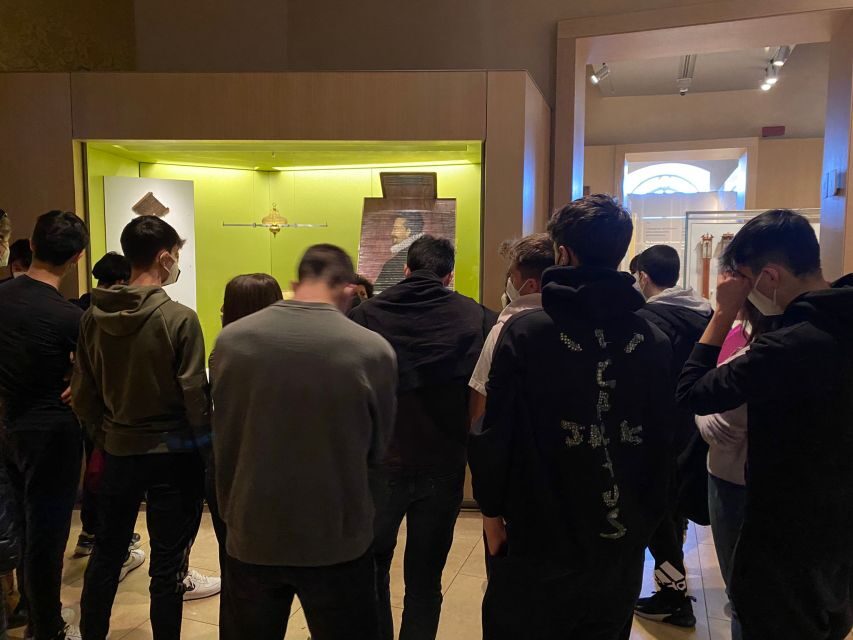
Once the tour starts, the “private” part matters more than you’d think in a museum. With headsets included, you can hear your guide clearly even in busier rooms. And because you’re not squeezed into a huge crowd, you can pause when something catches your eye—like a telescope you can see up close or a clock you didn’t expect to care about.
You can also read our reviews of more private tours in Florence


Following the Medici science thread: how the collection came together
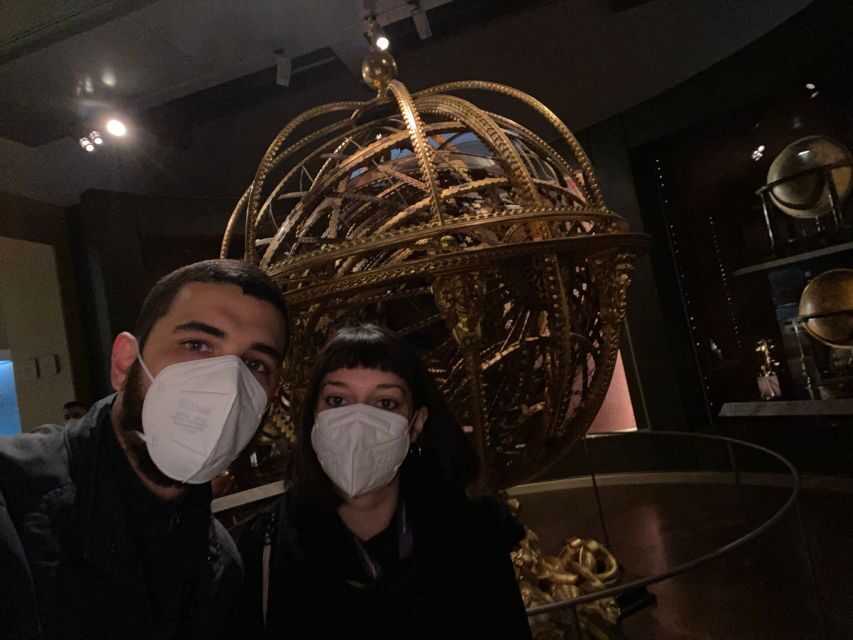
A big reason this museum feels so compelling is that it traces science in Florence back to the Medici circle. The collection began with Cosimo I de’ Medici in the 1500s, then grew through successors. Later, it continued under the Grand Duke Leopoldo from the House of Lorena, and the museum’s story is tied to the founding of the scientific academy in the 1600s.
In a group tour, that can turn into a history lecture you half-follow while moving on. In a private format, your guide can pace this context so it lands while you’re standing in front of the objects it explains. You’re learning how Galileo’s career fit the court world—especially during the reign of Cosimo II de’ Medici, when Galileo worked within the Grand Dukes’ environment.
Why this matters for you: if you only look at instruments as antiques, they can feel like decorative “science museum stuff.” With the context, they turn into proof of a mindset: people really were building tools to measure the unknown, and Florence had money, institutions, and talent behind it.
Galileo’s telescope and the astronomy gear you’ll recognize immediately
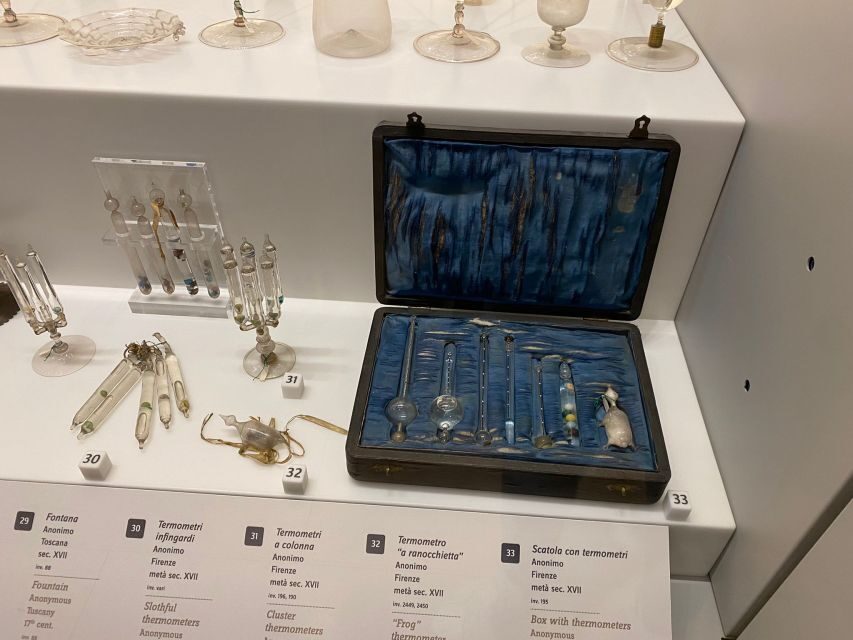
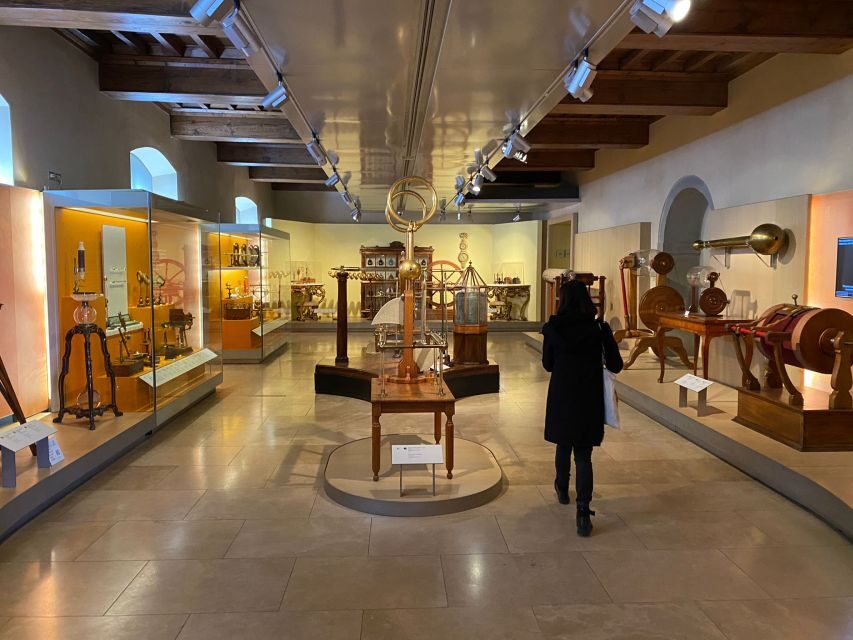
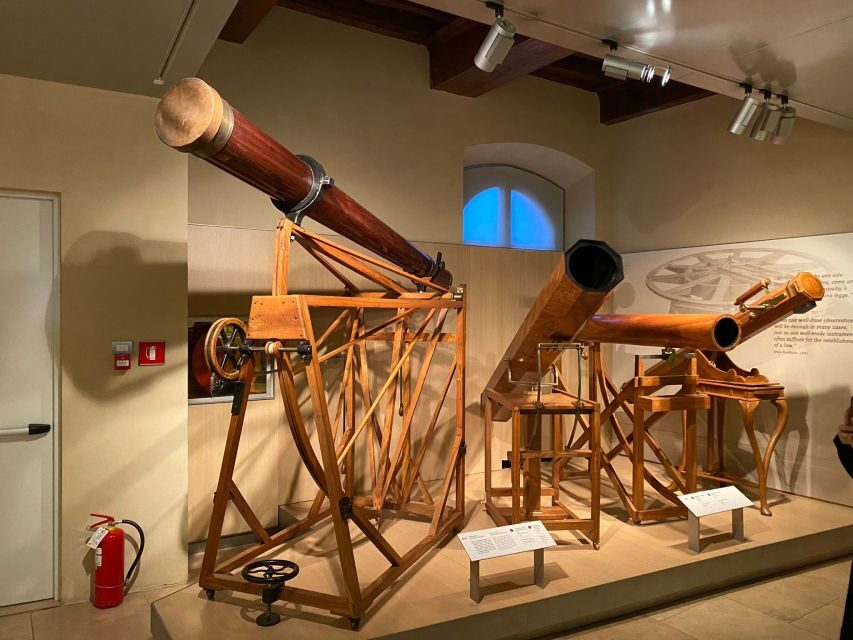
The heart of the tour is the astronomical side—telescopes and devices that connect straight to Galileo’s name. You’ll see Galileo Galilei’s original telescopes and instruments, which is the kind of thing that makes museums click fast. Even if you don’t know the technical details, you can see the physical ingenuity: lenses, tubes, mounts—built for the act of looking and testing.
From there, the tour moves into the broader “how did they map the sky?” world. You’ll explore a collection that includes astrolabes and celestial globes—tools used to understand the heavens with practical geometry. If you like astronomy basics, this part is satisfying because it shows the bridge between observation and calculation.
And it’s not just “space” in the poetic sense. It’s measurement: the instruments were designed to help people work out positions, angles, and timings. That’s why this tour’s theme—how space was measured—feels more grounded than a typical museum walk.
Timekeeping, thermometers, and the Nocturnal (1568): measurement in everyday form
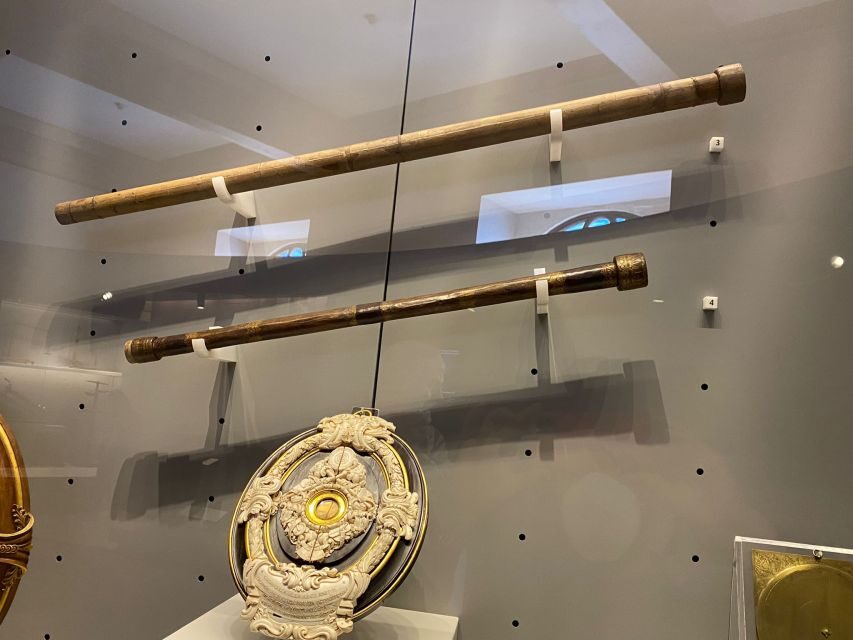
One of the most memorable shifts on this tour is how it treats measurement as a set of skills. You’ll learn about the evolution of astronomy and physics through specific artifacts connected to real-world measuring.
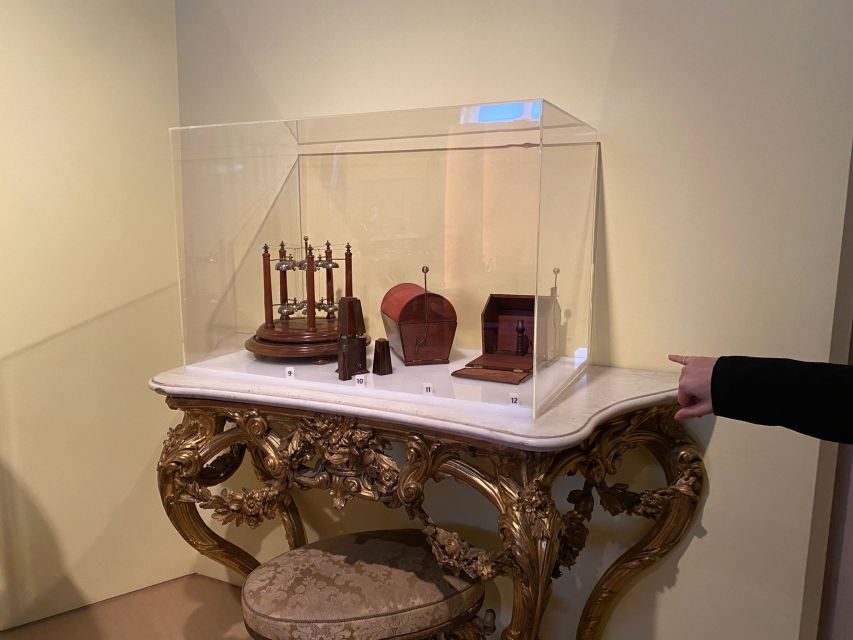
Inside the museum, you’ll be shown antique devices including:
- Clocks and timekeeping instruments
- Thermometers
- Globes and maps
- Other instruments tied to how people tracked what they couldn’t directly control
A standout named object is the Nocturnal by Girolamo della Volpaia (1568). The name is a giveaway: it connects to nighttime observation and figuring out how to use the sky when the sun isn’t helping. If you’ve ever wondered why early astronomers needed clever tricks, this is the sort of tool that answers it with a real piece of equipment.
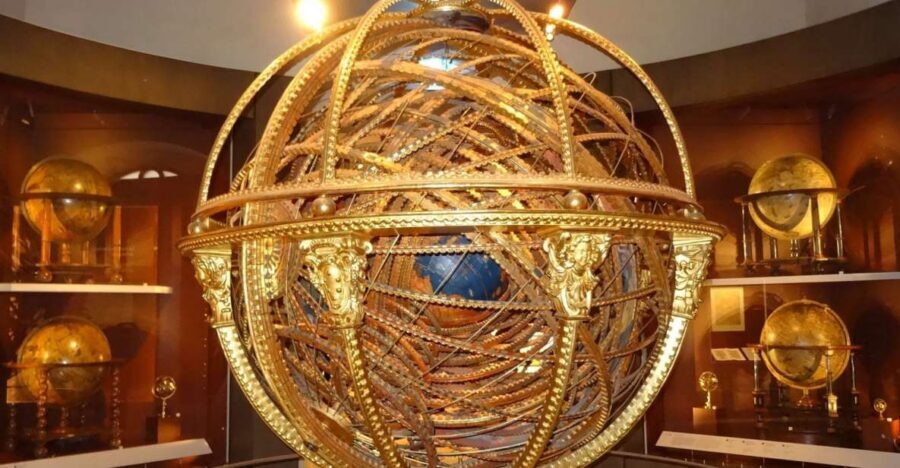
You’ll also hear about the Santucci’s Armillary Sphere (1593). An armillary sphere is basically a model of the sky with rotating rings. In plain terms: it’s a visual measuring instrument. It helps you understand the sky as a system you can manipulate and calculate—long before computers did it for us.
If you’re the kind of person who likes the “how would I do this without modern tools?” angle, this section is where your brain will light up.
Optics and even electrostatics: why the tour stays fun (especially for families)
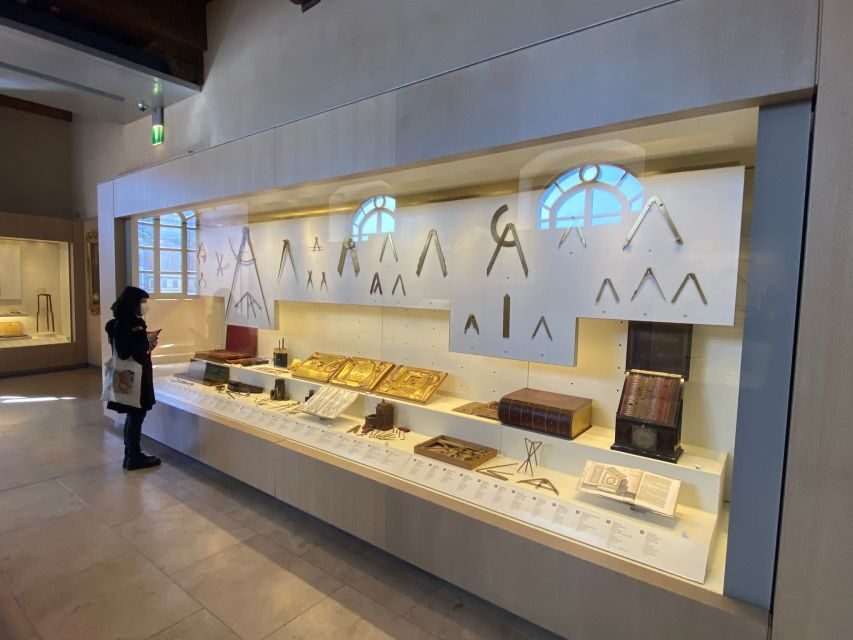
Galileo didn’t only look outward at the sky; he also pushed ideas about physics and how light and forces behave. This tour reflects that with stops that touch on optics and electrostatics.
What I like here is that the museum doesn’t treat science as a dry subject. You’ll also have time to enjoy games of the past, designed so both adults and children can engage. That’s rare in a “serious instruments” museum. If you’re traveling with kids, this can keep attention from drifting after the first big telescope moment.
For adults, this playful angle helps you understand the mindset: people tested ideas with hands-on curiosity, using whatever tools they could build. It makes the history feel less like a museum label and more like experimentation.
- Tuscany Day Trip from Florence: Siena, San Gimignano, Pisa and Lunch at a Winery
★ 5.0 · 21,634 reviews




What the 90-minute private pace really feels like
At 1.5 hours, you’re not doing everything the Museo Galileo has. You’re doing the parts that connect to the tour’s central story: Galileo, the measurement of space, and the physical tools behind that knowledge.
That’s a pro and a con.
- Pro: you won’t feel exhausted or lost. You’ll get a guided thread that keeps the collection coherent.
- Con: if you want to read every label, watch every video, and spend extra time on the science mechanics, the time window can feel short.
One real-world consideration came through in feedback: science-loving visitors may want more technical explanation of how devices work. The tour may emphasize historical and cultural context (which is valuable), while the deeper scientific how-it-functions side may be something you’ll need to add on. A reviewer specifically pointed out that the museum app has scientific video explanations of the main displays, and that pairing a guided visit with app time can be a strong approach.
My practical advice: if you’re torn between guide-led context versus science-mechanics detail, think of this tour as the “story and objects” version. Add extra app time afterward if you want more.
Included extras that make the visit smoother
This experience is priced as a guided, private museum visit, but the inclusions do real work on the ground. You get:
- Fast-track entrance tickets
- Reservation fees
- A professional tour guide
- Headsets
Those headsets matter in older buildings and busy galleries. They’re not glamorous, but they make your listening easier, and that means you actually catch the details your guide is offering.
Also, the tour is described as private, and it’s offered in multiple languages (English, Spanish, German, Italian, French). If you’re traveling with non-English speakers, this is useful because everyone can stay engaged instead of relying on partial translations.
Price vs value: what $159 per person buys you
At $159 per person for about 1.5 hours, you’re paying for access plus a guide plus time savings. What makes that feel reasonable is the combination: skip-the-line style entry plus a trained guide who can connect scattered artifacts into one coherent theme.
If you were doing the museum solo, you’d save money—but you’d also lose the “why these things matter” thread, especially for big named objects like the Nocturnal (1568) and the armillary sphere (1593). This tour is built for people who want direction and explanation without turning the visit into homework.
Who gets the best value?
- Families who want educational content without wandering
- Science-curious travelers who enjoy instruments and the story behind them
- History-minded visitors interested in how Galileo’s work fit into Medici Florence
Who might feel less satisfied?
- If you’re deeply technical and want a lot of device-level mechanics explained, you may need supplement time using the museum’s app or plan a longer visit mode.
Tips to get more out of your Museo Galileo private tour
A few small moves help you leave feeling like you didn’t just walk through a room of glass and metal.
- Wear comfortable walking shoes. You’ll want to move between exhibits without rushing.
- Bring a plan for photos: photography is allowed without flash to protect the artifacts.
- If you’re bringing a large bag or backpack, expect you may need to store it in the cloakroom.
- Think of this as a guided thread. If you still have energy afterward, use the museum’s own app or return on another day for more science-mechanics detail.
And one practical scheduling mindset: because your tour is only 90 minutes, go in knowing you’ll see the tour’s featured instruments. You can still explore additional rooms later, but don’t try to squeeze everything into this same slot.
Should you book the Private Astronomical Tour of the Museo Galileo?
Book it if you want a focused, well-paced introduction to Galileo through real instruments—especially if you appreciate the Medici-era context and the “how did they measure the sky” angle. The inclusion of headsets and fast entry makes it easy to enjoy without logistics noise, and the museum’s family-friendly approach means it won’t feel like a sit-and-listen lecture the whole time.
Skip it or pair it smarter if your main goal is highly technical explanation of exactly how every device works. In that case, treat this tour as the guided story layer, then add extra time with the museum’s app videos or plan a longer self-guided revisit.
If your travel style is curiosity with structure, this is a strong match.
FAQ
How long is the private astronomical tour at Museo Galileo?
The tour duration is 1.5 hours.
What is included in the price?
It includes fast-track entrance tickets, reservation fees, a professional tour guide, and headsets.
Does the tour help you avoid long lines?
Yes. You get skip-the-line through an express security check and fast-track entrance tickets.
What are the photography rules inside the museum?
Photography is allowed, but without flash.
Where do I meet the guide?
Meet at the City Florence Tours office. Arrive 15 minutes before the activity starts, and exchange your voucher at the ticket office before the tour begins.
Is this tour suitable for children?
Yes. The tour is described as suitable for children and works as an educational experience for families.
You Might Also Enjoy

More Private Tours in Florence

More Tours in Florence
- The Best tour in Florence: Renaissance & Medici Tales – guided by a STORYTELLER
★ 5.0 · 12,316 reviews


More Tour Reviews in Florence
- Tuscany Day Trip from Florence: Siena, San Gimignano, Pisa and Lunch at a Winery
★ 5.0 · 21,634 reviews - The Best tour in Florence: Renaissance & Medici Tales – guided by a STORYTELLER
★ 5.0 · 12,316 reviews