REVIEW · FLORENCE
Essential Florence Walking Tour to discover its history
Book on GetYourGuide →Operated by Walkabout Tours · Bookable on GetYourGuide
Florence makes more sense when someone narrates it. I love the story-driven route through Medici Florence and the way the guide connects buildings to what people believed and feared. The possible drawback: it’s a lot of walking on uneven cobblestones with some steps, so comfy shoes really matter.
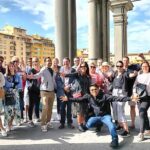
You’ll start in Piazza della Repubblica and move through Rome-to-medieval-to-Renaissance Florence with clear explanations, plus headset audio so you can focus on the street scenes. If you want a “see the sights” day, this is that—but with meaning attached. Just keep in mind it’s English-only, so plan accordingly if English isn’t your comfort zone.
In This Review
- Key Points You’ll Care About
- First Stop: Piazza della Repubblica and Florence’s Real Origin Story
- Medici Florence: Palaces, Politics, and the Stories Behind the Stone
- Tower Homes to Renaissance Palaces: Spot the Changes as You Walk
- Dante, Religion, and the Heart of Florence
- Via Tornabuoni and Via Maggio: Street Fashion Meets Serious Old Architecture
- Bridges and Oltrarno: Ponte Vecchio and Santa Trinita Explained on Foot
- Church Interiors and Frescoes: Santa Trinita’s Ghirlandaio Stop
- Squares, Palazzi, and the Outside View That Still Teaches
- Gelato Break: Why the Tasting Fits This Tour
- Timing, Pace, and What to Bring (So the Walk Feels Easy)
- English-Only Guide Time: Great for Clarity, Not for Every Need
- Price ($41) and Value: What You’re Actually Paying For
- Should You Book This Essential Florence Walking Tour?
- FAQ
- Where does the tour begin?
- How long is the walking tour?
- Is the tour offered in English?
- What is included besides the guide?
- Are there any inside visits?
- What should I wear or bring?
- Is it refundable if plans change?
Key Points You’ll Care About

- Piazza della Repubblica sets the stage with the city’s Roman founding
- Medici family storytelling brings palaces, power, and conflict to life
- Architecture hop from medieval tower homes to Renaissance palaces and streets
- Photo-worthy bridges including Ponte Vecchio and Santa Trinita, explained as you walk
- A real inside stop at Santa Trinita to see frescoes by Ghirlandaio
- Gelato tasting plus headsets, so you don’t miss the guide’s details
First Stop: Piazza della Repubblica and Florence’s Real Origin Story
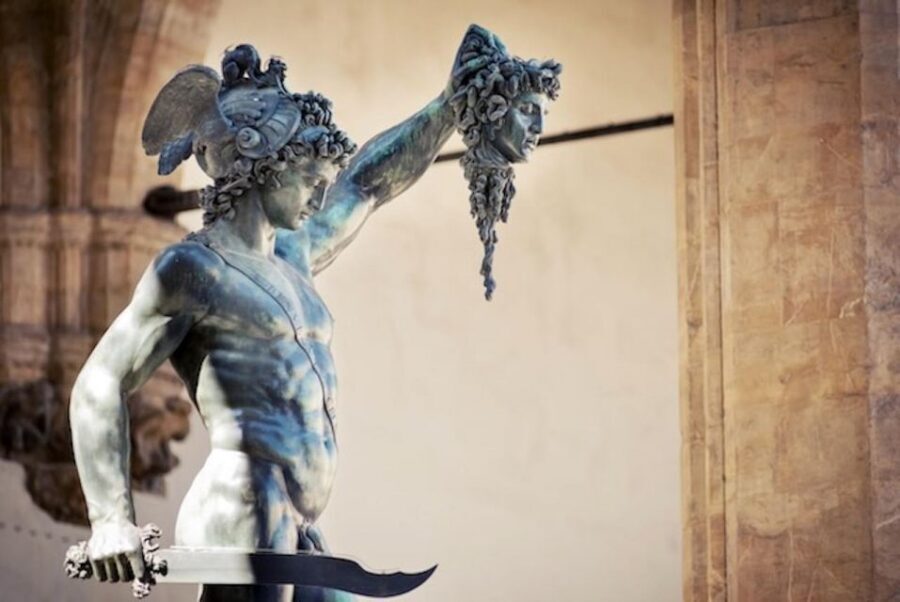
Most first-time Florence tours start with a postcard view. This one starts with the city’s why. You begin in Piazza della Repubblica, where you get the thread back to Florence’s Roman founding. That matters, because once you know the “first footprint,” later stops feel less random and more like a timeline you can walk.
From here, the guide builds momentum. You’re not just looking at stone. You’re learning how medieval Florence gained power and wealth, and how that set the stage for the Renaissance. Expect talk that mixes big ideas with small street-level details, like why certain buildings look the way they do and what that says about the people who paid for them.
If you like tours where the guide’s pacing keeps your attention, this is a good match. If you get restless during history lectures, bring patience for the first stretch, because it’s the setup for everything that follows.
You can also read our reviews of more walking tours in Florence

Medici Florence: Palaces, Politics, and the Stories Behind the Stone
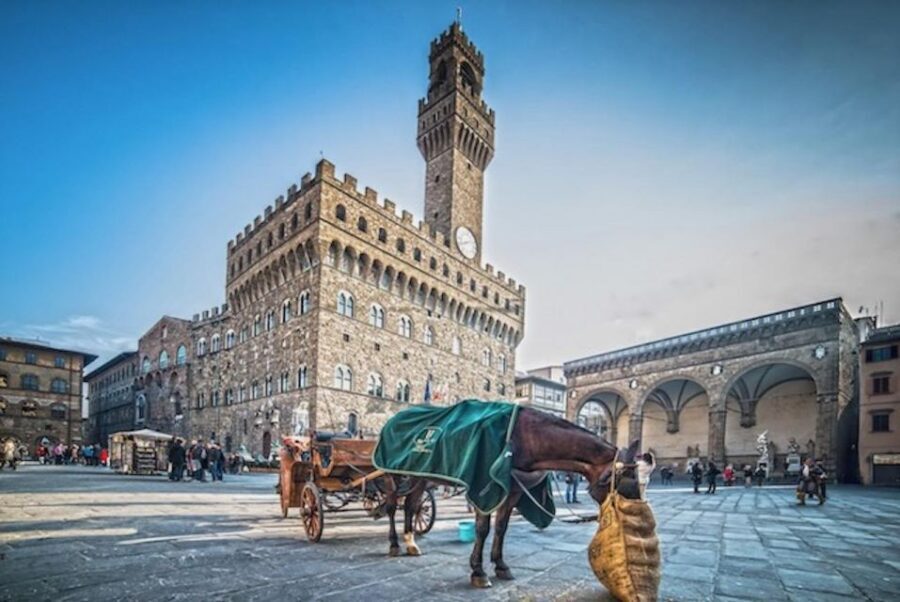
The Medici name comes up in Florence no matter where you turn, but this tour helps you understand why they mattered and how their influence shaped everyday architecture. You’ll walk past Medici mansions and palaces from the outside while the guide explains the rise of their status and the cultural payoff that followed.
One of the most praised parts of this experience is the way guides tell the stories with energy and clarity. In the past, guides named Becky and Lisa have stood out for turning architecture into narrative, and one guide linked to art history expertise has helped connect what you’re seeing to the artists and ideas behind it.
This is also where you’ll get the darker human angle: murder, betrayal, and power struggles. It’s not horror for horror’s sake. It’s context—because Renaissance art and grand building projects didn’t happen in a peaceful vacuum. When you learn how ambition worked, the city’s statues and palaces feel less like museum props and more like political branding you can walk through.
A practical note: you’ll be outside a lot. This is ideal if you like morning light or a late-afternoon stroll, but less ideal if you’re hoping for lots of sheltered time.
Tower Homes to Renaissance Palaces: Spot the Changes as You Walk
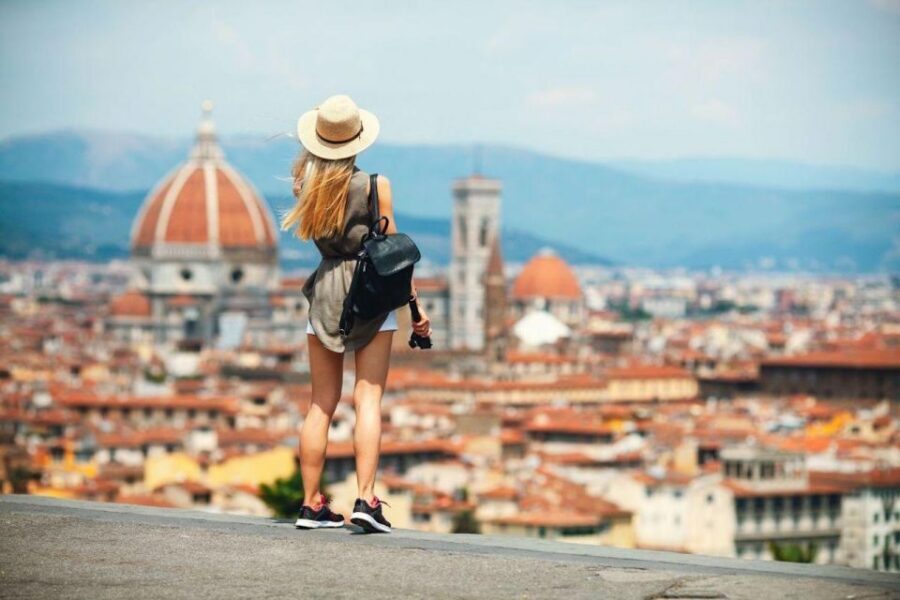
Florence is famous for Renaissance art, but it’s also packed with layers. This tour helps you see the transitions. You’ll get pointed attention on different architectural eras—starting with medieval structures, then moving toward the High Renaissance look that made the city feel like it had arrived.
Part of the value is the way the guide teaches you to notice what your eyes would otherwise skim past: proportions, materials, and the “message” behind a façade. In a compact 3 hours, it’s a fast education in how Florence evolved visually.
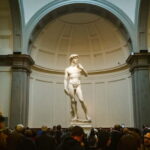
You’ll also hear about artist workshops. The tour specifically includes time to learn about the creation of David and the workshops used by artists. Even if you don’t see the statue itself on this walking route, the context helps. You start understanding Florence as a place where art was made through systems—training, patronage, and skilled labor—rather than isolated genius moments.
Dante, Religion, and the Heart of Florence
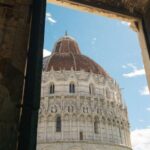
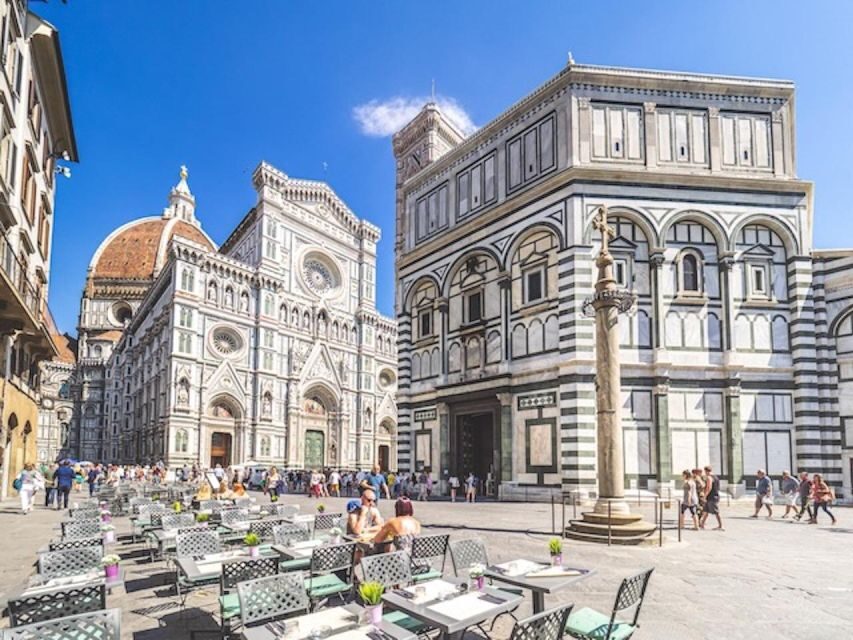
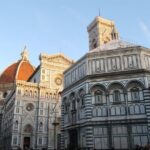
Next comes a shift from political Florence to spiritual Florence. You’ll walk past Dante’s home and reach the religious center, with key landmarks described from the outside: the Duomo, Baptistery, and the Campanile. You’ll also stop for Santa Maria Novella from the outside.
This part works best if you’re curious how religion influenced art, civic life, and daily choices. The guide’s explanations focus on how religious beliefs seeped into public spaces—not just chapels. It’s the kind of framing that makes a church stop more than a photo stop.
Then you’ll move toward Santa Trinita, where the tour transitions from exterior sightseeing to an interior moment. You don’t just hear what the church is. You’re guided to look for what makes it special.
One consideration: church visits mean you’ll be walking at a steady pace, and interiors can involve stairs or steps. If you’re sensitive to that, plan your shoes and energy carefully.
Via Tornabuoni and Via Maggio: Street Fashion Meets Serious Old Architecture
A fun surprise in this tour is how it mixes Florence’s cultural weight with modern street life. You’ll walk along Via Tornabuoni, described as the city’s well-known designer retail strip, while the guide keeps your attention on architecture and what’s happening around you.
Then you’ll move toward Via Maggio, known for antique shopping. The tour doesn’t turn into a shopping mission, but it gives you a reason to look at the street differently. When you understand the historical buildings and the city’s layout, shopping streets feel less like retail zones and more like corridors shaped by centuries of movement.
This section is also where headsets help. You’ll be close to crowds and storefronts, and it’s easy to lose the narration. With audio support, you’re more likely to keep up with the guide’s explanation without craning your neck or stopping constantly.
You can also read our reviews of more historical tours in Florence


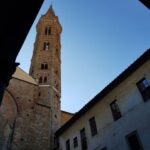
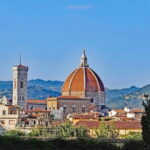

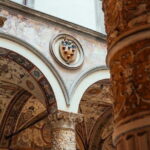
Bridges and Oltrarno: Ponte Vecchio and Santa Trinita Explained on Foot
Crossing bridges in Florence can feel like a blur if you’re just trying to get from A to B. Here, you get the “why this matters” while you walk.
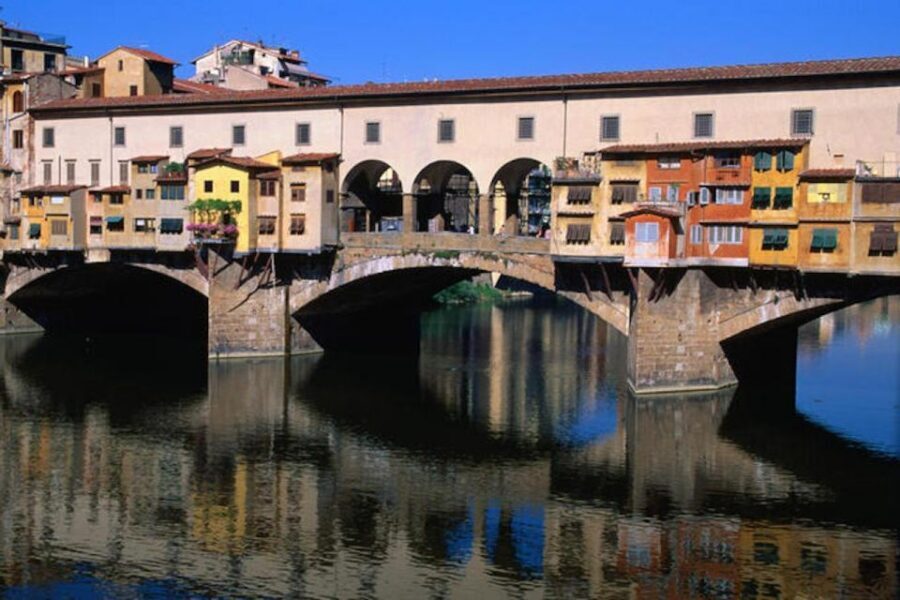
You’ll traverse Santa Trinita and Ponte Vecchio bridges. The guide’s approach ties the bridges into the story of the city—where people traveled, how life organized itself, and how the architecture you see today connects to older choices.
After that, you’ll stroll through the Oltrarno cobblestone streets, where artisan workshops show up in the streetscape. This isn’t only about passing through. It’s a chance to see Florence as working neighborhood energy, not only as a set of monuments.
If you like wandering with direction, this section hits the sweet spot: you get real street texture, but you don’t feel lost.
Church Interiors and Frescoes: Santa Trinita’s Ghirlandaio Stop
This is the tour’s art-lovers moment. You’ll visit Santa Trinita church inside to admire frescoes by Ghirlandaio. That specific artist detail is valuable because it gives you a frame for what you’re seeing, instead of treating the church as just a pretty interior.
You’ll also see other notable religious buildings along the way, including Orsanmichele with famous statues linked to artists such as Donatello and Ghiberti (noted from the outside). Seeing Orsanmichele from outside before the inside church visit helps you compare how public religious art and commissioned art worked in different settings.
A heads-up: interior viewing time can be limited by crowd flow. Don’t count on long, slow museum pacing. Instead, use this stop to learn what to look for.
Squares, Palazzi, and the Outside View That Still Teaches
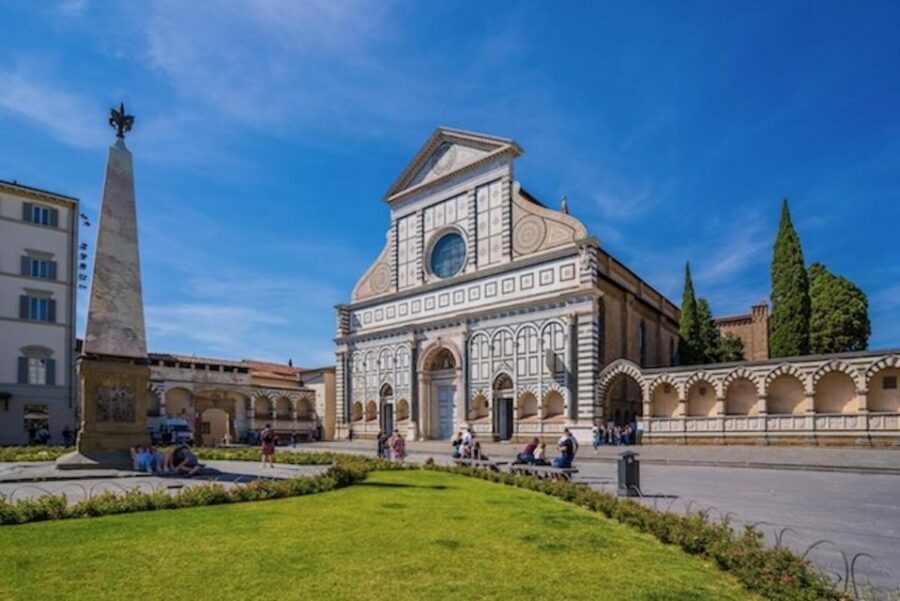
Florence can tempt you into focusing on “the famous thing” and ignoring everything else. This tour resists that. You’ll see major Florence squares and palaces, including Ruccellai Palace and Strozzi Palace, held up as strong examples of Renaissance architecture.
You’ll also pass Pitti Palace (from the outside) and Santa Felicita, noted as one of the oldest churches in Florence. The tour also references the Vasari corridor, which is exciting for anyone curious about the Medici-linked systems of power and movement.
The outside-view format is the right choice here. A walking route is limited in how much it can get into museums or ticketed interiors. But outside stops still work if the guide tells you what the architecture is doing. That’s exactly the strength this experience leans on.
Gelato Break: Why the Tasting Fits This Tour
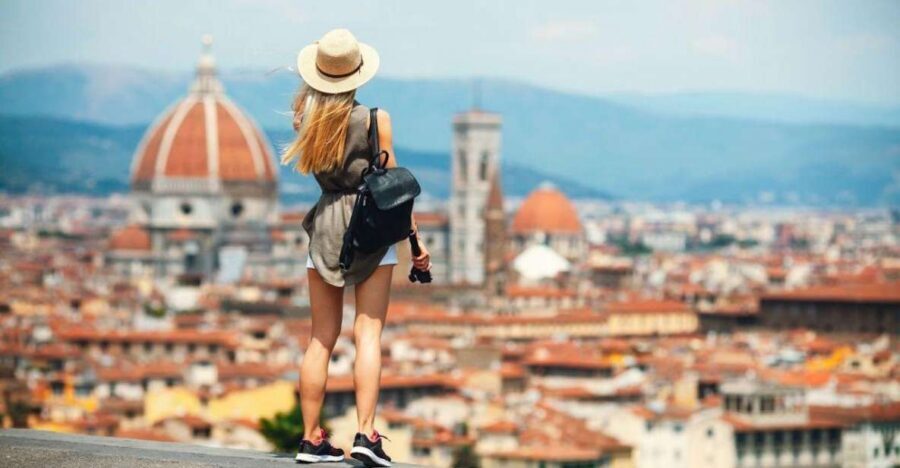
At some point, you’ll get the promised gelato tasting. It’s included, and it’s not just a random dessert add-on. It’s a simple reset that helps you keep walking without turning the day into a one-note grind.
This tour also includes headsets, so you can enjoy the gelato without completely losing the story. You can take a quick pause, then get back into the narrative as the streets widen and the route continues.
For many people, the gelato is the “we did it” moment. For you, it’s also a chance to stop, compare flavors, and keep your energy up for the second half of the walk.
Timing, Pace, and What to Bring (So the Walk Feels Easy)
The tour lasts 3 hours and is designed as an efficient city introduction. In that time, you’ll cover a lot of ground through key neighborhoods and architectural eras. It’s ideal if you’re the type of traveler who likes a single, well-planned morning or afternoon rather than a scattered day of solo sightseeing.
What to bring is simple but important:
- Comfortable shoes
- Comfortable clothes
- No sandals or flip flops
Also, it’s not suitable for wheelchair users, people with mobility impairments, those with recent surgeries, kids under 8, or anyone with back problems. Even if you’re generally fine, this kind of route can be unforgiving if your body doesn’t handle steps and uneven ground well.
English-Only Guide Time: Great for Clarity, Not for Every Need
This is an English tour only. That’s a non-issue if English is your working language, and it’s a show-stopper if it isn’t.
The big practical plus is that the tour includes headsets. That means you’re not stuck trying to hear the guide over traffic, voices, and bus noise. You can keep walking and still follow the story, which is a big deal on a busy Florence day.
From the feedback patterns connected to guide names like Becky, Andrea, and Lisa, the guides are also praised for taking time with explanations and answering questions. That’s the difference between a “rushed script” and a tour that actually teaches you how to look.
Price ($41) and Value: What You’re Actually Paying For
At $41 per person for 3 hours, you’re paying for an expert guide, a gelato tasting, and headset audio. In Florence, that’s not just “a walk.” It’s guided interpretation of major sights—plus at least one interior stop at Santa Trinita.
If you tried to do this on your own, you’d likely spend time figuring out:
- which buildings matter and why,
- how Renaissance Florence connects to the Medici,
- what to notice in façade and church art,
- and how to route your day without backtracking.
Here, you get that framing in a tight window. The value is strongest for first-timers and for anyone who wants Florence to make sense quickly.
Should You Book This Essential Florence Walking Tour?
Book it if you want Florence with context, not just checkmarks. This is a great choice when you care about Medici stories, Renaissance architecture, and learning how religion shaped public life. The combination of bridges, palaces, and one real church interior, plus gelato and headsets, makes it a solid “get your bearings fast” experience.
Skip it (or consider another format) if you can’t handle uneven streets, steps, and sustained walking. Also, make sure English is comfortable for you, since the tour is English-only.
If you’re choosing just one walking experience for your first day, this one is a strong bet.
FAQ
Where does the tour begin?
It begins in Piazza della Repubblica.
How long is the walking tour?
The duration is 3 hours.
Is the tour offered in English?
Yes, it is English only.
What is included besides the guide?
You get a gelato tasting and headsets to hear the guide clearly.
Are there any inside visits?
Yes. The tour includes an inside visit to Santa Trinita to admire frescoes by Ghirlandaio.
What should I wear or bring?
Bring comfortable shoes and comfortable clothes. Sandals or flip flops are not allowed.
Is it refundable if plans change?
Yes. There is free cancellation up to 24 hours in advance for a full refund.
You Might Also Enjoy
More Walking Tours in Florence

More Tours in Florence
- The Best tour in Florence: Renaissance & Medici Tales – guided by a STORYTELLER
★ 5.0 · 12,316 reviews

More Tour Reviews in Florence
- Tuscany Day Trip from Florence: Siena, San Gimignano, Pisa and Lunch at a Winery
★ 5.0 · 21,634 reviews - The Best tour in Florence: Renaissance & Medici Tales – guided by a STORYTELLER
★ 5.0 · 12,316 reviews