REVIEW · FLORENCE
Cesarine: Cooking Class with tasting at Local’s Home in Florence
Book on Viator →Operated by Cesarine: Cooking Class · Bookable on Viator
Cooking dinner in a Florentine home sounds like a daydream. This Cesarine class turns it into a real 3-hour plan: you cook classic dishes, taste what you make, and learn from an instructor who teaches with real attention to detail. I love the hands-on menu choices rooted in Florence (from gnudi to tortelli styles). I also love that the meal is paired with local wine and coffee, so you’re not just learning recipes—you’re eating them. One possible drawback: you’re working with a set menu structure, so if you’re hoping for specific swaps beyond what you share in advance, you’ll want to communicate your needs early.
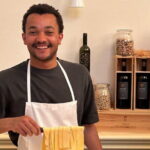
This is a small group experience, capped at 10 travelers, and it happens in a local home rather than a studio. Expect an instructor approach that focuses on technique and sensory cues—how the food looks, smells, and even how it sounds when it comes together. I also like that dietary needs can be handled thoughtfully; Chef Luca made major accommodations for lactose intolerance in at least one instance, which is a good sign if you have restrictions.
Here’s the practical part: the tour runs about 3 hours, is offered in English, and includes a mobile ticket. You’ll finish back at the meeting point with a souvenir apron and shopping bags—nice proof that you left the kitchen with more than just memories.
In This Review
- Key things I’d pay attention to before booking
- Why a Cesarine class feels like Florence cooking, not a show
- The menu you’ll cook: gnudi, pici, pappardelle, or potato tortelli
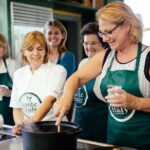
- Inside the home kitchen: shared cooking, small-group focus
- The tasting portion: wine and coffee make it a meal
- Souvenirs: apron and shopping bags you’ll actually use
- Price and value: $191.27 for a 3-hour Florence food lesson
- Who this class suits best (and who should think twice)
- Should you book the Cesarine cooking class in Florence?
- FAQ
- How long is the cooking class?
- Is the experience offered in English?
- What will I cook and taste?
- How many people are in the group?
- Are sanitary precautions provided?
- Can I cancel for a full refund?
Key things I’d pay attention to before booking
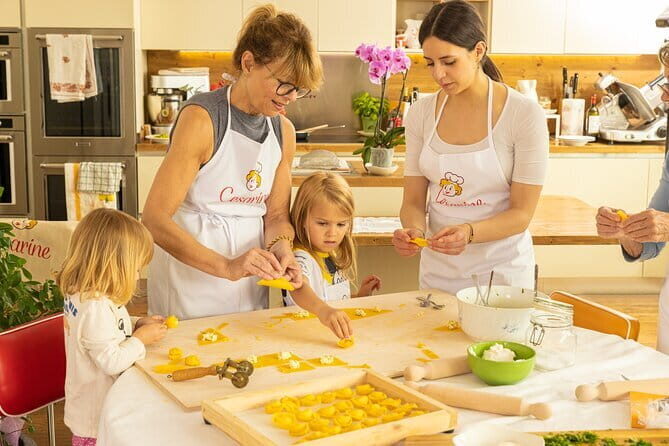
- Chef Luca’s teaching style uses all the senses (not just instructions), which makes the cooking stick.
- Florence-centered dishes are built into the experience, with options like gnudi, pici, pappardelle, or potato tortelli.
- You eat the results, with local wine and coffee included, so it’s not a one-sided demo.
- Small group size (max 10) keeps it personal enough to ask questions while still feeling social.
- You leave with an apron and shopping bags, useful reminders you actually participated.
Why a Cesarine class feels like Florence cooking, not a show
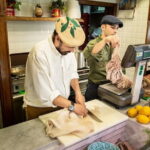
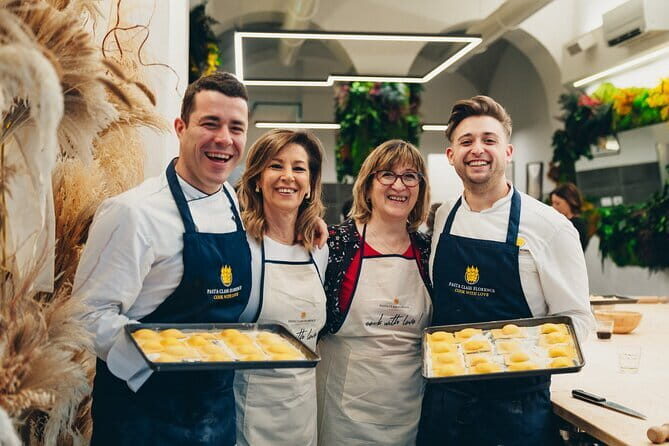
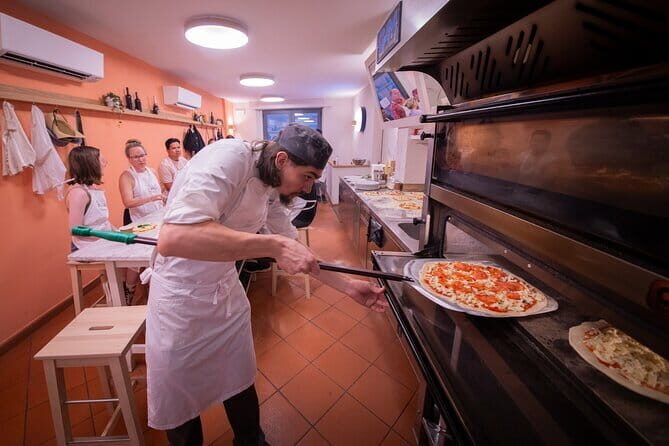
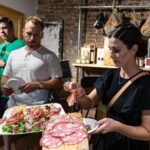
A Florence cooking class can go two ways: either you spend most of the time watching someone else work, or you get real time at the counter. This one leans into the hands-on side. You’ll cook together in a local home setting, and that changes the vibe fast. It’s quieter, more personal, and you’re working at the same pace as the people around you—good if you learn best by doing.
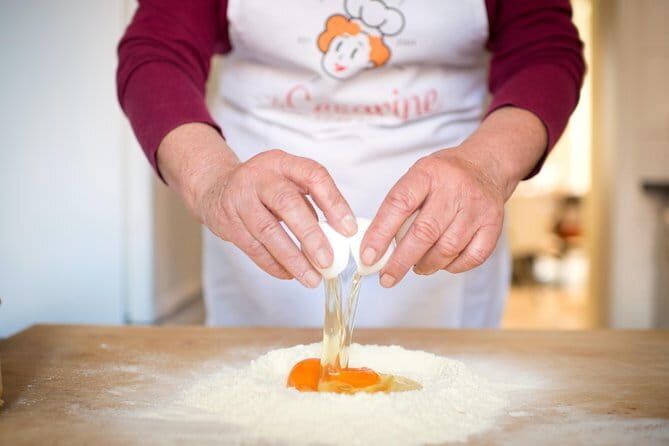
The Cesarine model also matters. You’re not just chasing recipes. You’re learning how Florentines think about food: what to focus on first, how to judge doneness, and how to build flavor without getting lost in complicated steps. That’s why the lesson style from Chef Luca is such a strong signal. He’s known for explaining cooking using sensory detail—how the food behaves, what you should notice as you go, and even those little audio cues that help you trust your results.
The biggest value for me is that the class is structured for a shared meal. You’ll cook and then taste what you made, alongside wine and coffee. That turns the experience from a class into a mini dinner—exactly what you want when you’re on a trip and short on time.
One more practical benefit: the group stays small (up to 10). You shouldn’t feel like a number, and you’ll likely get enough instructor attention to fix mistakes before they snowball.
You can also read our reviews of more food & drink experiences in Florence
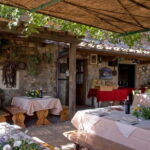
The menu you’ll cook: gnudi, pici, pappardelle, or potato tortelli
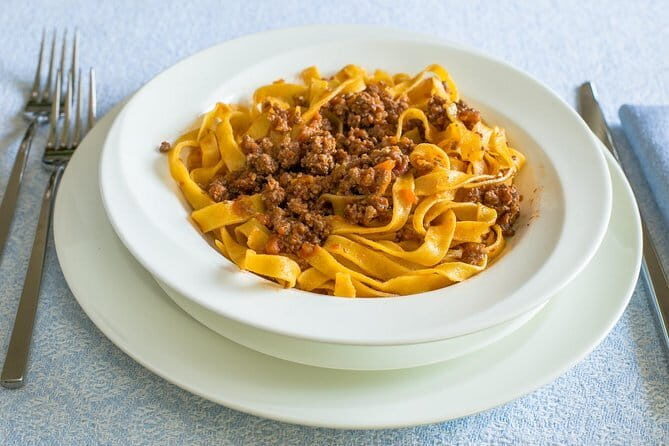
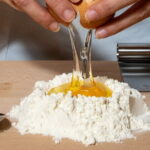
You’re going to work through a classic flow: starter, main, dessert. The starter is listed as a seasonal starter, which is helpful because it keeps the meal tied to what’s available. For the main, you’ll choose among options that scream Florence pasta culture:
- Gnudi
- Pici
- Pappardelle
- Potato Tortelli
This is a smart set of options because they cover different sides of Italian comfort food. Gnudi gives you a gentler take on dumplings; Pici and pappardelle bring you into pasta texture territory; potato tortelli connects the dough work to a more filling, home-style feel. You don’t need to be a pasta expert to enjoy this—what matters is that the class is built around these familiar Florence types, and the instructor can guide you through technique.
Dessert comes from a short list of Tuscan favorites, with options like cantucci, castagnaccio, panpepato, or tiramisu (or something similar). That range is great because it means you’re likely to taste more than one style of sweets: nutty biscotti, chestnut cake, spiced traditional candy-style cake, or the cream-forward comfort of tiramisu.
Two things to consider for your planning:
- Your main dish will be one of the listed choices, not an all-you-can-eat menu.
- If you have dietary restrictions, bring them up early. One guest experience included significant lactose intolerance accommodations by Chef Luca, and that suggests the chef will take needs seriously when you communicate ahead.
Inside the home kitchen: shared cooking, small-group focus
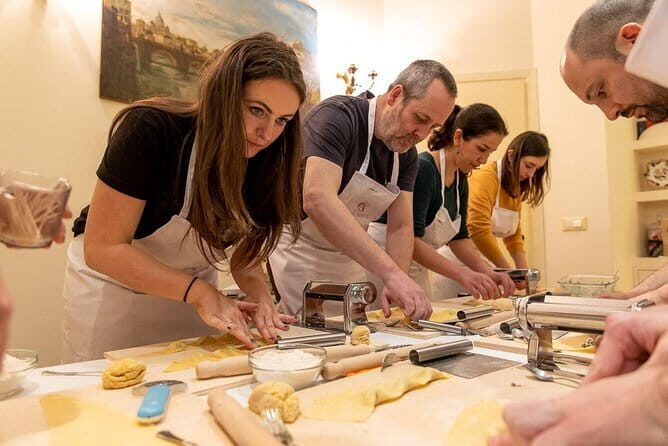
Most “cooking experiences” in tourist areas feel like a workshop. This one feels closer to joining a dinner prep for a friend’s table—except you’re learning along the way. You’ll be inside a local home, not a culinary school. That has a few knock-on effects.
First, it’s usually easier to ask questions when you’re standing near the work area. In a bigger setting, it’s harder to get real feedback in time. With up to 10 travelers, there’s enough breathing room to move, taste, and correct.
Second, the teaching approach is designed around how cooking changes through the senses. Chef Luca’s style is described as going beyond recipes—focus on taste, touch, smell, sight, and even the sound you hear while making things like tiramisu. That matters because it trains you to cook with judgment, not just memorization. Once you learn what “right” feels like, you’re more likely to recreate it at home.
Third, expect a relaxed conversation style. You’re learning in a social space, so you’ll probably connect with the instructor and others while you cook. For travel, that’s part of the value: you come away knowing more than food steps—you leave with a feel for how locals talk about flavor.
Finally, there’s a practical expectation around comfort and etiquette. The experience specifically notes sanitary rules and distance considerations, with essentials provided in the home (things like paper towels and hand sanitizing gel). It also asks guests to maintain 1 meter distance and to wear masks and gloves when needed. You don’t need to stress about it, but you should be ready to follow the house rules during the session.
The tasting portion: wine and coffee make it a meal
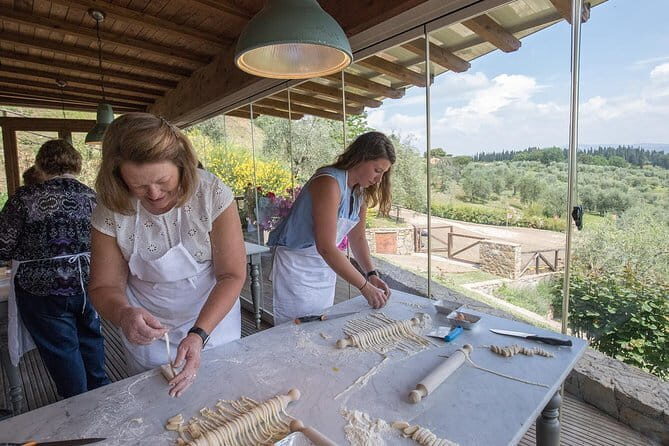
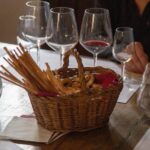
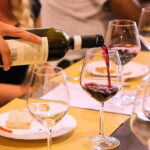
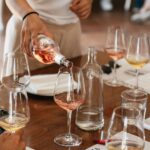
A class is only as good as what happens after the cooking. Here, tasting is part of the deal. You’ll savor what you prepared, and it comes with a glass of local wine and coffee.
This is one of the strongest “value” points, because it changes the entire pacing. If the session ended the moment the last dish went into the plate, you’d still leave with skills—but the taste feedback loop would be missing. With wine and coffee included, you’re more likely to notice what the instructor was steering you toward: balance, texture, sweetness, salt, and that final finish.
Also, pairing matters. In Tuscany and Florence, wine and dessert are not random add-ons. They’re used to round out the meal. You can taste how the dessert choices (like cantucci or tiramisu) work with coffee, and how the savory main feels when followed by something sweet.
If you prefer coffee after dinner (and who doesn’t), this is a nice close to a cooking session. It turns the experience into a satisfying end point rather than a stop-and-go activity.
Souvenirs: apron and shopping bags you’ll actually use
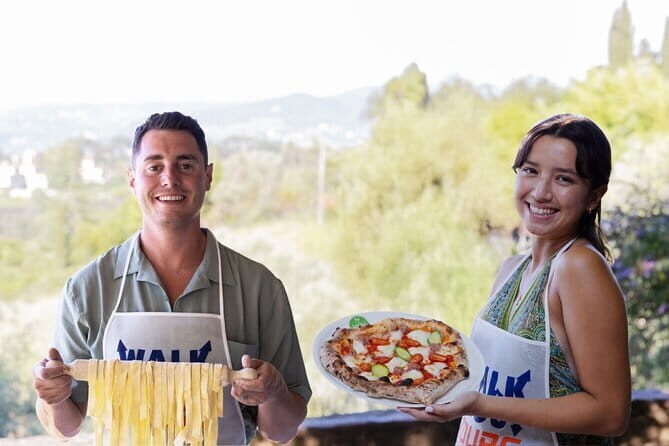
Some tours give you a photo. This one gives you items you can keep using. You’ll take home a cesarina cooking apron and shopping bags.
That might sound small, but it’s practical. An apron is the kind of thing you pull out when you cook again at home. The bags are useful too, especially if you like to carry groceries or reusable containers when traveling. The key is: these souvenirs reinforce the theme of the experience. You don’t just remember it—you can put it to work later.
You can also read our reviews of more cooking classes in Florence
- Cooking Class and Lunch at a Tuscan Farmhouse with Local Market Tour from Florence
★ 5.0 · 4,831 reviews

Price and value: $191.27 for a 3-hour Florence food lesson
At $191.27 per person for about 3 hours, this isn’t a “cheap activity.” But it also isn’t priced like a quick demo. You’re paying for several bundled benefits:
- A hands-on cooking class in a local home
- A structured multi-course meal (starter, main, dessert)
- Wine and coffee during tasting
- Small group size (max 10)
- Souvenirs (apron and shopping bags)
When you compare that to paying separately for an eating experience plus a class, the math can work out better than it looks at first glance. The meal component is especially important, because it turns tuition into a real dinner. Instead of paying only for instruction, you’re paying for instruction plus the chance to enjoy the results immediately.
Another value point: learning from an instructor like Chef Luca, who teaches with sensory detail and can make accommodations when someone has lactose intolerance. That’s not something you can always guarantee in every cooking class, so it adds quality to the ticket price.
My practical take: book this if you genuinely want a food-focused activity and you’re okay with the format of a set menu and a home setting.
Who this class suits best (and who should think twice)
This is a great fit if:
- You want Florence cooking you can practice later, not just eat once.
- You like small-group settings where you can ask questions.
- You’re a pasta and Tuscan sweets person, especially if you enjoy tiramisu, cantucci, or chestnut-based desserts like castagnaccio.
- You want your evening activity to end with a full meal plus coffee.
You might think twice if:
- You’re expecting total customization of every dish beyond what’s described.
- You’re sensitive to structured sanitary rules and distance guidance in a home environment. The experience includes specific instructions, and you should be comfortable following them smoothly.
And if you have dietary restrictions, don’t assume they’ll be handled automatically. The good sign here is that Chef Luca made significant lactose intolerance accommodations in at least one instance. Still, message the provider early so they can plan properly.
Should you book the Cesarine cooking class in Florence?
If you want a Florence experience that’s practical, tasty, and more personal than a restaurant meal, I’d book it. The combination of hands-on cooking, a small group, and tasting with local wine and coffee makes the class feel like more than a tourist activity. Chef Luca’s sensor-rich teaching style is the kind of method that helps you replicate results later, not just get through one evening.
Book it especially if you’re the type who likes to learn by doing—standing close to the work, tasting as you go, and leaving with a skill you can use at home. If you have dietary restrictions, treat that as your main decision factor: tell them early and make sure your needs are clear.
FAQ
How long is the cooking class?
The class lasts about 3 hours.
Is the experience offered in English?
Yes, it’s offered in English.
What will I cook and taste?
You’ll cook a starter (seasonal starter), a main from options such as gnudi, pici, pappardelle, or potato tortelli, and a dessert such as cantucci, castagnaccio, panpepato, tiramisu, or something similar. You’ll also taste the meal with local wine and coffee.
How many people are in the group?
The experience has a maximum of 10 travelers.
Are sanitary precautions provided?
Yes. The host home provides essential sanitary equipment like paper towels and hand sanitizing gel. The experience also asks guests to maintain 1 meter distance, and to wear masks and gloves when that isn’t possible.
Can I cancel for a full refund?
Yes. You can cancel for free up to 24 hours in advance for a full refund. If you cancel less than 24 hours before the start time, the amount paid is not refunded.
You Might Also Enjoy


More Cooking Classes in Florence
- Cooking Class and Lunch at a Tuscan Farmhouse with Local Market Tour from Florence
★ 5.0 · 4,831 reviews
More Food & Drink Experiences in Florence
- San Gimignano, Siena, Monteriggioni, Chianti Day Trip with Lunch & Wine Tasting
★ 4.5 · 4,432 reviews
More Tour Reviews in Florence
- Tuscany Day Trip from Florence: Siena, San Gimignano, Pisa and Lunch at a Winery
★ 5.0 · 21,634 reviews - The Best tour in Florence: Renaissance & Medici Tales – guided by a STORYTELLER
★ 5.0 · 12,316 reviews