REVIEW · CHIANTI
Chianti – Pizza and Tiramisu Course for Only Small Groups
Book on Viator →Operated by SiChef - Cooking Experience · Bookable on Viator
Pizza and tiramisù, taught in Chianti.
This cooking class hits two things I really like: a small-group size (up to 12) that keeps the pace relaxed, and chef-led instruction that focuses on practical steps instead of just watching. One possible drawback to know upfront: you may take turns, which can mean some standing and waiting if your group is bigger or the station setup is shared.
Here’s the good part. You learn the core skills—kneading pizza dough and building a classic tiramisù—then you actually eat your work with beer or wine. The setting matters too: a villa in the Chianti hills keeps the whole experience from feeling like a rushed factory class.
The result you want is simple. When you go home, you’ll have recipes and a process you can repeat—no mystery, no vague “add a bit of this” energy.
In This Review
- Chianti pizza and tiramisù class: quick hits
- Where you meet in Chianti and what the “villa pace” means
- Pizza lesson: kneading dough and picking toppings the Italian way
- Tiramisù workshop: mascarpone, coffee, cocoa, and Pavesini
- What you eat and drink: your pizza and tiramisù as lunch or dinner
- Small-group attention: the upside, and a real staffing caveat
- Dietary options in Tuscany that don’t feel like an afterthought
- Recipes after class: why that take-home piece matters
- English instruction and pacing: good fit for first-timers
- Price and value: what $141.95 buys you in the hills
- Who should book this Chianti cooking course
- Should you book? My honest take
- FAQ
- How long is the Chianti pizza and tiramisù course?
- Where does the experience start and end?
- Is the class offered in English?
- How many people are in the group?
- What will I learn to make?
- Can the menu be adapted for dietary needs?
- Do I get recipes to use at home?
- Is beer or wine included with the pizza?
- What is the cancellation policy?
Chianti pizza and tiramisù class: quick hits
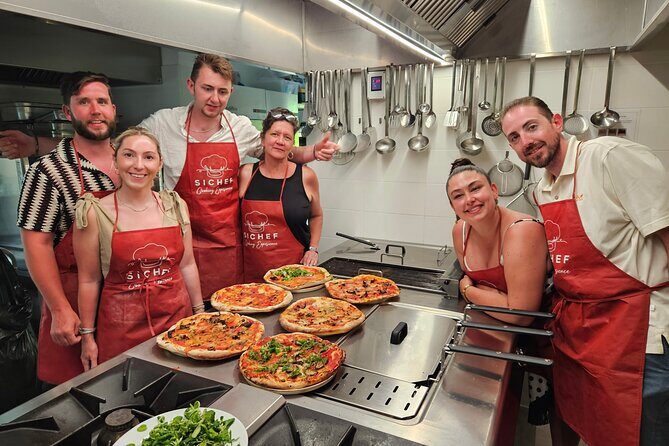
- Two iconic dishes, one session: pizza dough + toppings, then tiramisù with mascarpone, coffee, cocoa, and Pavesini
- Small-group format: maximum of 12 travelers, so you get more attention than a big bus tour
- Professional chef guidance: step-by-step “fool-proof” techniques and clear explanations
- You eat what you make: pizza and tiramisù, plus beer or wine with your pizza
- Dietary changes available: vegetarian, vegan, gluten-free, and/or lactose-free options on request
- Recipes after class: take the method home, not just the taste
Where you meet in Chianti and what the “villa pace” means
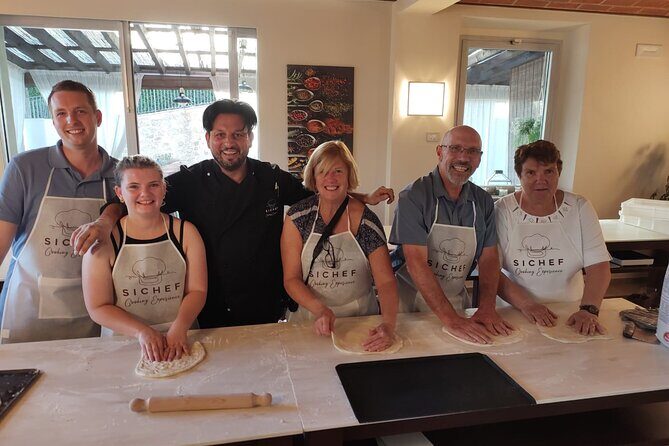
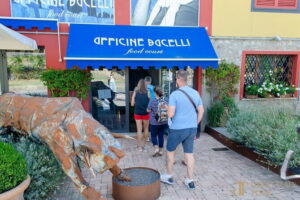
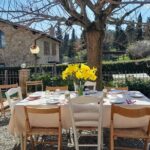
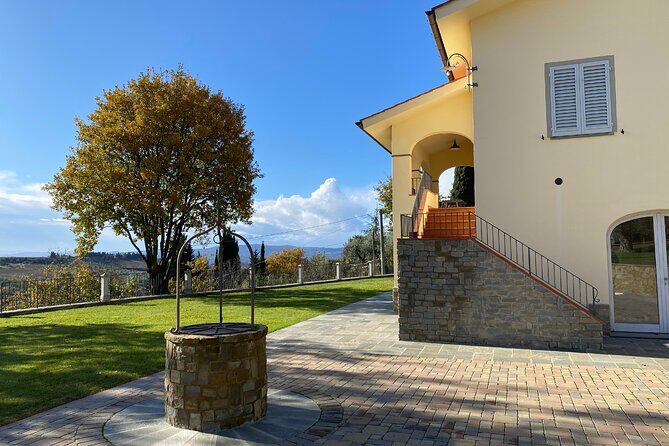
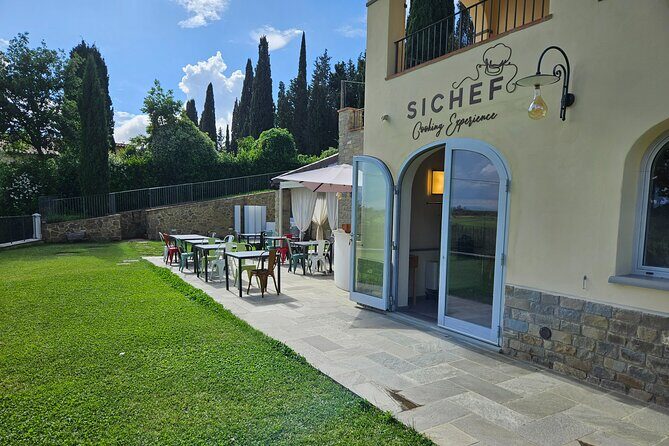
You start at Str. Spoiano, 1, 50028 Barberino Tavarnelle FI, Italy, and the experience ends back at the same meeting point. The class itself happens at a villa in the Chianti hills, which is the big reason this works so well even if you’re not a serious cook.
Why I care about that setting: when you’re in the hills, your brain stops thinking about traffic, lines, and schedules. Cooking classes go faster (and feel better) when you’re not constantly distracted. The relaxed pace is part of the value here, because you’re learning technique, not just collecting photos.
It’s also in English, so you’re not stuck playing culinary charades. And since the class is capped at 12 travelers, you’re less likely to get swallowed by the crowd.
You can also read our reviews of more cooking classes in Chianti

Pizza lesson: kneading dough and picking toppings the Italian way
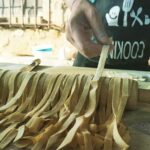
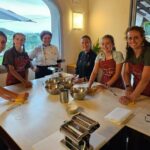
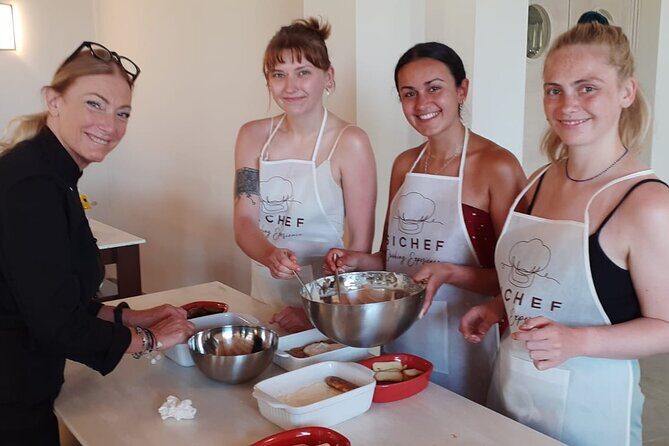
This is not a “just spread sauce and go” course. The pizza part starts with the fundamentals: kneading pizza dough. That’s the step that decides your crust texture. Even if you’ve made pizza at home before, kneading is where small technique changes can make a big difference.
Then comes the part that most people enjoy: choosing and composing toppings. The class guides you through the decision-making, not just the final build. You’ll learn the logic behind topping choices, which is what helps you later when you’re cooking without a teacher in your kitchen.
Practical takeaway for you: if you’ve ever ended up with dough that felt heavy or tough, the issue usually isn’t your ingredients. It’s how the dough was handled. A hands-on kneading lesson gives you a repeatable baseline.
One note from real-world experience with this format: some classes run with shared ingredients and rotation. If your goal is maximum hands-on time, be ready for the possibility that you’ll take turns during dough prep and dessert assembly. That doesn’t ruin the experience, but it can affect how much time you spend actively doing each step.
Tiramisù workshop: mascarpone, coffee, cocoa, and Pavesini
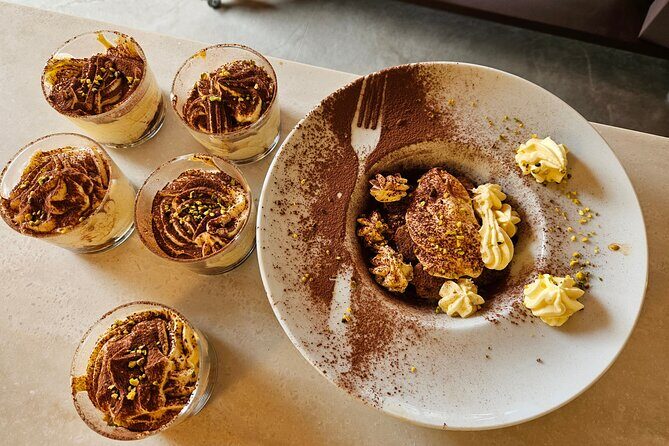
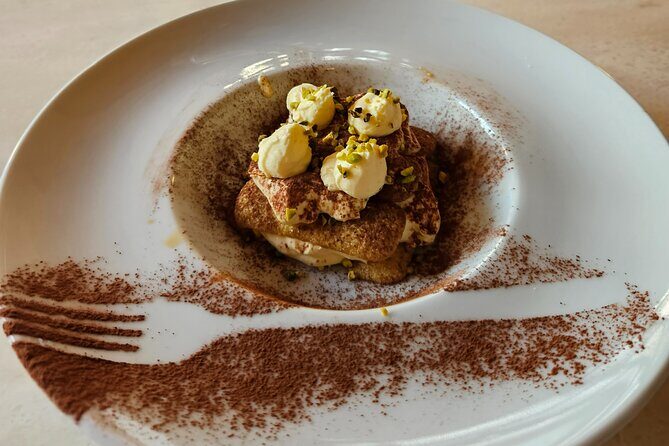
The tiramisù portion is where the class shows its focus on simple, recognizable ingredients. You’ll build the dessert using eggs, sugar, mascarpone, bitter cocoa, coffee, and Pavesini.
What I like about this approach is that it teaches composition. Yes, you’ll mix and assemble. But the skill being taught is how the components work together: the sweetness from sugar, the creaminess from mascarpone, the structure from the eggs, and the contrast from coffee and bitter cocoa. When you understand that balance, tiramisù stops being a fragile recipe you only follow once.
This is also a great lesson if you’re cooking for guests back home. Tiramisù is often the dessert people order without realizing how approachable it is when someone walks you through the method.
And since this class is designed for families and friends, the pacing is usually friendly. You’re not thrown into the deep end. You follow steps, and then you get to eat the proof.
What you eat and drink: your pizza and tiramisù as lunch or dinner
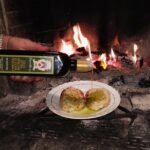
Here’s the part that makes this worth it: you sample the dishes you’ve prepared. Your pizza and tiramisù aren’t just staged at the end for a quick bite. You’ll enjoy the food you made, which turns the class into a full mini-meal experience.
The pizza is paired with beer or wine. That matters more than it sounds. Alcohol doesn’t make the pizza better. But it makes the whole event feel like a relaxed Tuscan afternoon that you’ll remember for the experience, not only for what you cooked.
Also, if you’re doing this as part of a day plan in Tuscany, it’s a practical way to feed everyone without hunting for a restaurant dinner afterward. You get satisfaction plus logistics made easier.
Small-group attention: the upside, and a real staffing caveat
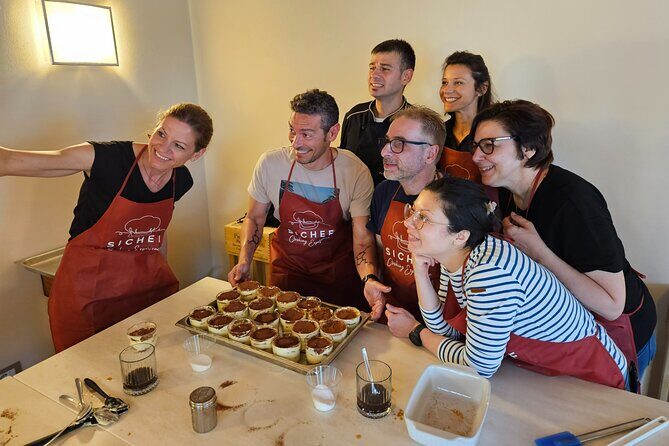
The class keeps things intimate by limiting the group to 12 travelers max. That’s a sweet spot. With a smaller group, you’re more likely to get feedback—maybe it’s about dough texture, or timing, or how the dessert assembly should look.
Chef presence helps too. One of the standout signals from the experience is the chef’s teaching style. Chef Julio comes up clearly in feedback for explaining the process well and keeping the class enjoyable. If you like clear instruction and a little humor, that’s a strong sign you’ll feel at ease.
Now for the caveat. In one experience, the setup involved taking turns for making the pizza dough and tiramisù, with some people standing while others worked. Another detail was that the dough was all stored together, so you couldn’t easily tell which slice came from your exact dough batch. That sounds minor, but if you’re the type who wants full ownership of your own food, it’s worth planning for.
My advice for you: if you want the most hands-on time, go in with the right expectation. You’ll learn the technique best when you actively watch and then step in during your turn. And if ingredient “ownership” matters to you, ask the instructor how the rotation works so you know what to expect.



Dietary options in Tuscany that don’t feel like an afterthought
This class explicitly handles dietary needs. You can request:
- Vegetarian
- Vegan
- Gluten-free
- Lactose-free
The key detail is that the course uses local, fresh, seasonal ingredients. So the options aren’t just a substitute for the sake of it. They’re meant to fit the Italian dishes while respecting your limits.
Why that’s valuable for you: cooking classes can sometimes treat dietary needs as a last-minute swap that changes the whole result. Here, the design is built around making sure your class can still deliver the “you made this” experience.
If you’re traveling with kids or group members with dietary restrictions, this is one of those activities where everyone can participate without you splitting the group or sacrificing the main theme.
Recipes after class: why that take-home piece matters
You don’t just leave with taste. You get recipes after class, so you can recreate both dishes at home.
That sounds basic, but it changes the value of the class. Without recipes, you’re left guessing amounts and methods the next time. With recipes, you can repeat the techniques you practiced—especially the part that tends to confuse people at home, like dough handling and tiramisù assembly.
If you’re planning a future pizza night or you want a dessert that feels special without being complicated, this is the real long-term payoff.
English instruction and pacing: good fit for first-timers
This is offered in English and runs about 3 hours (approx.). That time window is long enough to do real hands-on cooking, but short enough that the class doesn’t feel like a full-day production.
The pacing is described as relaxed, and that tracks with the teaching goals: you’re learning dough kneading, topping decision-making, and tiramisù composition. That’s not something you can do well if the group is rushed.
This is especially appealing if you’re:
- new to cooking Italian food
- cooking with friends who don’t all have the same skill level
- traveling with family and want something interactive but not too technical
It’s also a nice option if you want a break from museums. Not every “Tuscan day” has to be all stone and sun.
Price and value: what $141.95 buys you in the hills
At $141.95 per person for about 3 hours, you’re paying for more than ingredients. You’re paying for:
- chef-led technique (not just a demo)
- small-group teaching (max 12)
- a full cooking-to-eating arc (pizza plus tiramisù)
- recipes to recreate at home
- a Tuscan villa setting in the Chianti hills
Is it “cheap”? No. But it’s also not priced like a formal fine-dining evening. It lands in the middle where cooking classes tend to be most satisfying: you get instruction, time, and food, not just a short bite-sized activity.
If you’re the kind of traveler who likes experiences you can repeat at home, the take-home recipes and teachable steps make the price easier to justify. If you only want to taste great Italian food, you might find cheaper options. But if you want to learn, this is a practical spend.
Who should book this Chianti cooking course
This class is a good match if you want:
- a hands-on activity in the Chianti hills
- a fun dinner-style plan that’s not a restaurant gamble
- a small group with more personal attention
- a recipe-backed outcome you can use again
It’s also built for families and friends, which usually means the teaching style is approachable. And with dietary accommodations available on request, it’s a solid pick for mixed groups.
You might want to reconsider if you strongly prefer one-on-one instruction or if you dislike rotating turns during prep. The caveat about shared rotation came up in feedback, so if that would annoy you, look for another class format or message the provider with your preference.
Should you book? My honest take
Book it if you want a real cooking class with chef guidance, small-group energy, and a satisfying meal outcome. The biggest reason to choose it is the combination of practical skills (kneading dough, assembling tiramisù) plus the fact you get recipes afterward. That’s how you turn a vacation activity into a skill you keep.
Skip it only if your main priority is a purely hands-on, never-a-break session where you make every single component start-to-finish with your own personal batch. The class is structured for a group, and rotation may happen.
If you’re okay with that, you’ll likely love the experience: pizza and tiramisù, taught clearly, eaten right away, in a villa setting that feels like Tuscany instead of a checklist.
FAQ
How long is the Chianti pizza and tiramisù course?
The class runs for about 3 hours.
Where does the experience start and end?
You start at Str. Spoiano, 1, 50028 Barberino Tavarnelle FI, Italy, and it ends back at the same meeting point.
Is the class offered in English?
Yes, it’s offered in English.
How many people are in the group?
The experience has a maximum of 12 travelers.
What will I learn to make?
You’ll learn to make pizza and tiramisu during the course.
Can the menu be adapted for dietary needs?
Yes. Vegetarian, vegan, gluten-free, and/or lactose-free options are available on request.
Do I get recipes to use at home?
Yes. Recipes are provided after class so you can recreate the dishes.
Is beer or wine included with the pizza?
You can enjoy your pizza accompanied by beer or wine as part of the experience.
What is the cancellation policy?
You can cancel for a full refund up to 24 hours in advance. If you cancel less than 24 hours before the experience starts, the amount paid isn’t refunded.