REVIEW · CHIANTI
Chianti Truffle Hunting with Lunch or Dinner
Book on Viator →Operated by SiChef - Cooking Experience · Bookable on Viator
Truffles turn a walk into a hunt. In Chianti, you join Irene and her dog Tep on a guided search through Tuscan woods, with stories and practical lessons mixed into every step. It is part countryside stroll, part food science class, and part high-stakes dog nose work.
I especially like two things: the hunt is kept to a max of 6 travelers, so you get attention and time to learn without feeling rushed. And the guide teaches you the real essentials, from recognizing the trees truffles favor to understanding their habitat, plus how to cook and store them for later.
One thing to consider: the included lunch or dinner can be a mixed bag depending on what you expected and how the cooking portion is handled. If you’re imagining a hands-on, chef-led cooking class every time, double-check what’s included with your specific meal option.
In This Review
- Key highlights you’ll feel on the day
- Meeting Irene in Chianti: where the hunt starts
- What a Chianti truffle hunt actually looks like
- Learning the trees and habitat truffles love
- From discovery to reward: what happens back at the villa
- Lunch or dinner with SiChef: where expectations matter
- Price and value in Chianti: is $225.73 worth it?
- Timing, pace, and who this suits best
- Practical tips to get the most from your hunt
- Should you book Chianti truffle hunting with lunch or dinner?
- FAQ
- FAQ
- Where is the meeting point for the Chianti truffle hunt?
- How long is the experience?
- Is there a limit on group size?
- Is lunch or dinner included?
- Who leads the tour?
- What will I learn during the hunt?
- How do I receive my ticket?
- Is it possible to cancel for free?
- What happens if the minimum number of travelers isn’t met?
Key highlights you’ll feel on the day
- Tep does the work: when his tail starts up and he starts digging, you’re watching real truffle-hunting behavior.
- Small group pace: with up to 6 people, it stays intimate and you’ll get more back-and-forth with Irene.
- Legends plus practical botany: you’ll hear territory stories while learning what trees and spots matter for truffles.
- You leave with more than photos: you get a truffle reward back at the villa area.
- Meal is part of the deal: lunch or dinner is tied to the day, with a cooking element run by SiChef – Cooking Experience.
- A short but active 3 hours: expect walking, patience, and getting your hands dirty at least a little.
Meeting Irene in Chianti: where the hunt starts
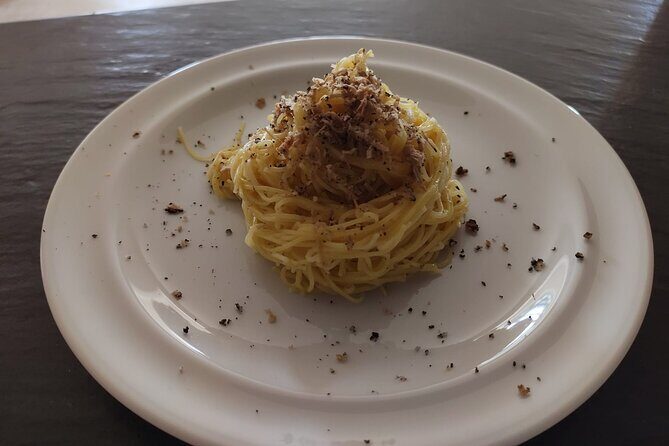
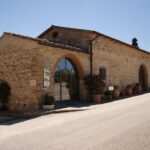
Your day kicks off at Str. Spoiano, 1, 50028 Barberino Tavarnelle FI, Italy. The experience ends back at the same meeting point, which keeps things simple if you’re using a rental car or taxi that day.
You’ll be confirmed at booking, and you’ll get a mobile ticket, which is handy if you’re juggling a few reservations in Tuscany. Once you arrive, the vibe is not like a museum visit. It’s more like you’re being let in on a working countryside routine, with Tep as the star.
The biggest “feel” difference here is that the hunt is not just walking around hoping for luck. Irene’s approach blends story-telling with instruction, so you’ll understand what you’re looking at while you’re looking. That makes the woods time feel purposeful instead of just scenic.
You can also read our reviews of more tours and experiences in Chianti
What a Chianti truffle hunt actually looks like
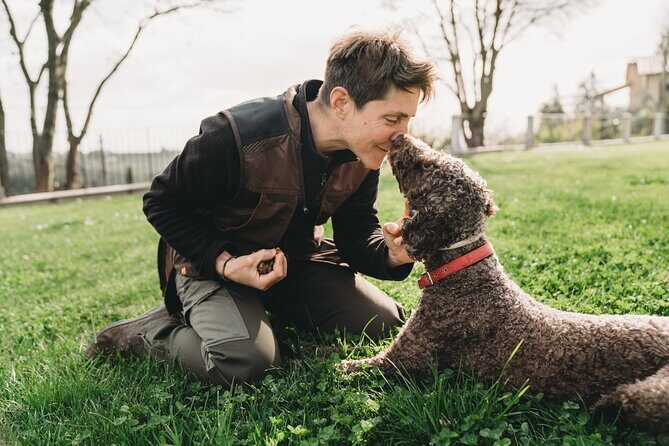
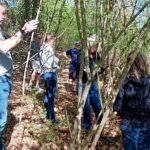
The activity is about 3 hours total. Most of that time is the search phase: you move along wooded paths in Tuscany, pausing when Irene spots something worth explaining.
You can think of it like three layers happening at once:
First, Irene shares stories and legends tied to the territory and the practice of truffle hunting. Second, she teaches you what to look for in the environment. Third, Tep performs—nose first, then the deeper sniffing, then the digging when conditions are right.
That dog-led moment is the magic point of the whole outing. When Tep focuses near a bush or at the root of a tree and starts working the ground, everything sharpens. You stop guessing and start learning how the real search happens.
Now, a reality check: truffles are not a guaranteed pickup. The experience clearly sets expectations that the number of truffles Tep finds can vary. The upside is that even if you come up with fewer than you hoped, you still leave with the practical knowledge and the story of how the hunt works in the field.
Learning the trees and habitat truffles love
This tour is built around teaching, not just sightseeing. Irene explains how to recognize the trees where truffles can grow and what habitat supports their growth. In simple terms, you learn that truffles are not random. They are tied to specific places and conditions, and humans can stack the odds by understanding the environment.
On this kind of hunt, the most useful takeaway is learning to connect the dots:
- Why certain areas get more attention from hunters
- What “good habitat” tends to look like
- How the guide’s knowledge changes how you walk through the woods
Even if you’re not a “plants and soil” person, you’ll probably enjoy this part. It turns your attention from wandering to noticing. You stop seeing the woods as a blur and start seeing patterns: roots, shade, specific tree presence, and the spots where Tep keeps returning.
And because Irene also covers how to cook and store truffles, you’re not just collecting a rare ingredient. You learn how to treat it so it actually tastes like truffle and not like a mystery smell that’s been sitting too long.
From discovery to reward: what happens back at the villa
After the search walk, you return to the starting area at the villa. That’s where the day finishes with your reward and a wrap-up related to cooking and storage.
The tour description makes it clear you should expect a bit of a “fun and tiring walk,” then a return to the same meeting point for the final payoff. This structure is important: it keeps the experience contained. You’re not sent off to figure out dinner plans elsewhere.
In at least one instance tied to the lunch option, the group came back with 10 truffles for their meal. That’s not a promise, but it gives you a sense of what “the reward” can look like on a good outcome.
If you’re the type who likes to eat what you just learned about, this finish lands well. The hunt gives you context, and then the food gives you closure.
Lunch or dinner with SiChef: where expectations matter
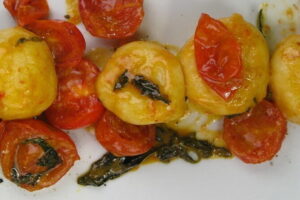
The experience is sold with lunch or dinner, and the cooking portion is provided by SiChef – Cooking Experience. That’s the part you should plan around, especially if food is why you’re booking.
Here’s the honest balance based on reported outcomes: when the hunt goes well, the day feels complete. The cooking and meal can be satisfying when it aligns with what you expected. But there has also been at least one case where dinner felt simple and the cooking portion did not meet expectations.
So, how do you protect yourself from disappointment? Ask yourself what you mean by “cooking experience.” This tour description says you’ll be taught how to cook and store truffles. That teaching could be informational and tied to the meal setup. If you want a very specific kind of hands-on class, you’ll want to verify what the lunch or dinner option actually includes before booking.
If your priority is the hunt, Tep, and the instruction, you’re in a strong spot. If your priority is a top-tier, fully elaborate dinner experience, keep your expectations flexible and confirm the format first.
You can also read our reviews of more tours and experiences in Chianti


Price and value in Chianti: is $225.73 worth it?
At $225.73 per person, you’re paying for more than a walk. You’re paying for a licensed guide, a working truffle dog (Tep), access to the wooded hunting environment, small-group attention, and the included meal element (lunch or dinner).
Value shows up in two places.
1) You’re not competing with a crowd. A maximum of 6 travelers changes everything. You get time to watch Tep work, and Irene can slow down for explanations like tree identification and habitat clues without losing the group.
2) You get a skill, not just a product. Many tours sell ingredients. This one also teaches you how to handle truffles afterward, plus the logic behind where they come from. That makes the experience feel useful even after you get home.
What could limit value? If the meal portion doesn’t match your expectation, the overall experience may feel uneven. That’s less about the truffle hunt itself and more about how the day ends. In other words: your “worth it” moment is strongly tied to the hunt and the guidance quality, while the “wrap-up” depends on the lunch/dinner execution.
Timing, pace, and who this suits best
You’re choosing an experience with a 3-hour duration, and that’s a sweet spot. Long enough to feel like you truly went into the hunt, short enough that you’re not losing an entire day.
You should be ready for a pace that rewards patience. Truffle hunting is not a speed activity. If you like slow, attentive walking with breaks to look closely, you’ll do well. If you hate waiting and prefer constant action, you might feel the time drag.
This tour fits best if you’re:
- Food-focused and curious about how truffles actually get found
- Comfortable walking in wooded areas for a few hours
- Interested in learning (trees, habitat, and how to handle truffles)
- Traveling with a small group or as a couple who wants more personal guidance
I’d also say it’s a great choice for people who want Tuscany beyond postcards. You’re not just looking at countryside. You’re learning how locals practice a seasonal food tradition.
Practical tips to get the most from your hunt
Here are a few ways to make the day smoother, based on how this kind of experience is designed:
- Wear shoes you can trust. You’re in woods and dealing with digging moments. Choose something you’re comfortable getting a bit dusty or muddy.
- Keep your attention on Tep. You’ll learn faster when you pair what Irene says with what Tep is doing in real time.
- Ask about what you’re seeing. Irene’s explanations are tied to habitat and tree clues. If you notice a tree type or spot, ask.
- Plan your meal mindset. If you want a specific kind of cooking class, confirm the format tied to lunch or dinner so you’re not surprised on the day.
- Go in ready for patience. Sometimes the dog signals and finds something quickly. Other times, it takes time. The hunt is designed around that rhythm.
Should you book Chianti truffle hunting with lunch or dinner?
Yes, I think it’s worth booking if you want the hunt experience itself: a small-group walk with Irene, a working truffle dog (Tep), and real instruction on trees, habitat, and how to handle truffles afterward. The price is not cheap, but the combination of guided hunting, limited group size, and a truffle-linked meal adds up.
I’d hesitate only if your top priority is a very polished, elaborate dinner or a guaranteed hands-on cooking class feel. In that case, confirm the lunch/dinner format before you book, because the hunting and the meal portion don’t always seem to land the same way for everyone.
FAQ
FAQ
Where is the meeting point for the Chianti truffle hunt?
It starts at Str. Spoiano, 1, 50028 Barberino Tavarnelle FI, Italy, and it ends back at the same meeting point.
How long is the experience?
The tour runs for about 3 hours.
Is there a limit on group size?
Yes. The experience has a maximum of 6 travelers.
Is lunch or dinner included?
The experience is offered with lunch or dinner, depending on the option you choose.
Who leads the tour?
The hunt is guided by Irene, and her dog Tep plays a key role in the search.
What will I learn during the hunt?
You’ll learn how to recognize the trees where truffles grow, what habitat is ideal for truffles, and how to cook and store truffles.
How do I receive my ticket?
You’ll receive a mobile ticket, and confirmation is received at booking.
Is it possible to cancel for free?
Yes. You can cancel up to 24 hours in advance for a full refund.
What happens if the minimum number of travelers isn’t met?
If the experience is canceled due to not meeting a minimum traveler requirement, you’ll be offered a different date or experience, or you can receive a full refund.