REVIEW · FLORENCE
Florence Foodies Tour: Savor Tuscan Flavors & Fine Wine
Book on GetYourGuide →Operated by Intrepid Urban Adventures - Europe · Bookable on GetYourGuide
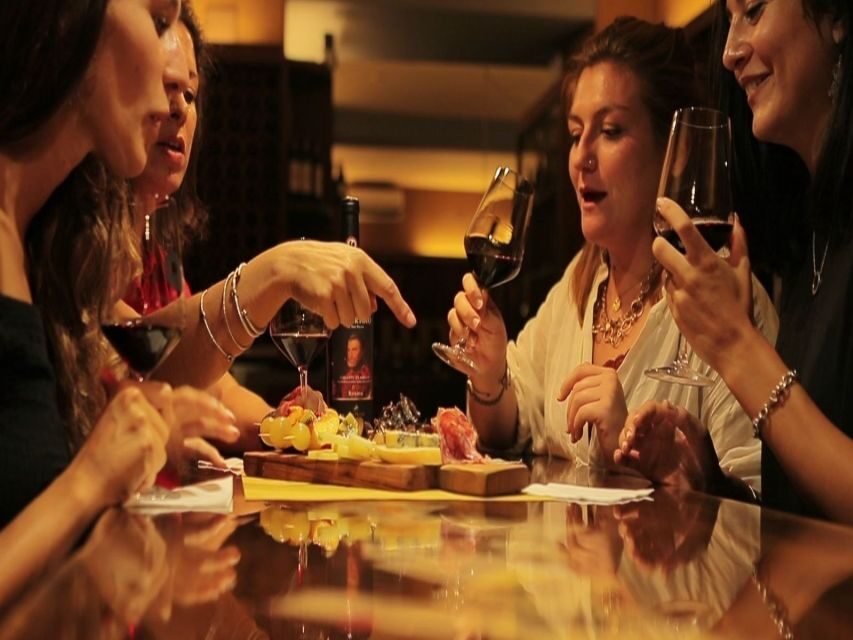
A simple idea with big payoff: Tuscan food plus great wine in one walk. This Florence tour strings together local favorites like prosciutto, Chianti, olive oil, and classic dishes such as ribollita and panzanella, so you learn what makes Tuscan cooking feel so real. I also love the small-group size (max 12), which means you actually get to ask questions and move at a comfortable pace through central Florence’s tight lanes.
One consideration: this is a wine-forward experience with a minimum age of 18, so it’s not ideal if you don’t drink or you’re traveling with kids. Also, expect about 1.6 km of walking, on cobbles in spots, so wear shoes you trust.
In This Review
- Key highlights at a glance
- Florence Foodies Tour: why this tasting walk works
- The real value in the price: what $89.50 buys you
- The walking portion: short distance, real street surfaces
- Start point in Piazza della Repubblica: getting oriented fast
- Il Porcellino and Torre dei Belfredelli: landmarks with food-mood storytelling
- Piazza della Signoria and Casa Martelli: the Florence contrast
- Stop where the feast begins: cured meats, pecorino, olive oil, and Chianti
- Ribollita, panzanella, pappa al pomodoro, lampredotto: Cucina povera on your plate
- Enoteca tasting: fettunta and olive oil with two glasses of wine
- Best gelato stop: sweet break with an Italian finish
- Hidden part-theater, bookstore, and bar stop: cookies plus a wine window
- The Vin Santo finish at the end: traditional and gentle
- Group size and guide quality: what you can count on
- Dietary fit: mostly flexible, but not universal
- Who this tour is best for
- Tips to get the most out of your 2.5 hours
- Should you book Florence Foodies Tour: quick decision guide
- FAQ
- Where does the tour start?
- How long is the Florence Foodies Tour?
- What is the price per person?
- What food and drinks are included?
- Is the tour suitable for vegetarians or dietary restrictions?
- Is there an age limit?
- How much walking is involved?
Key highlights at a glance
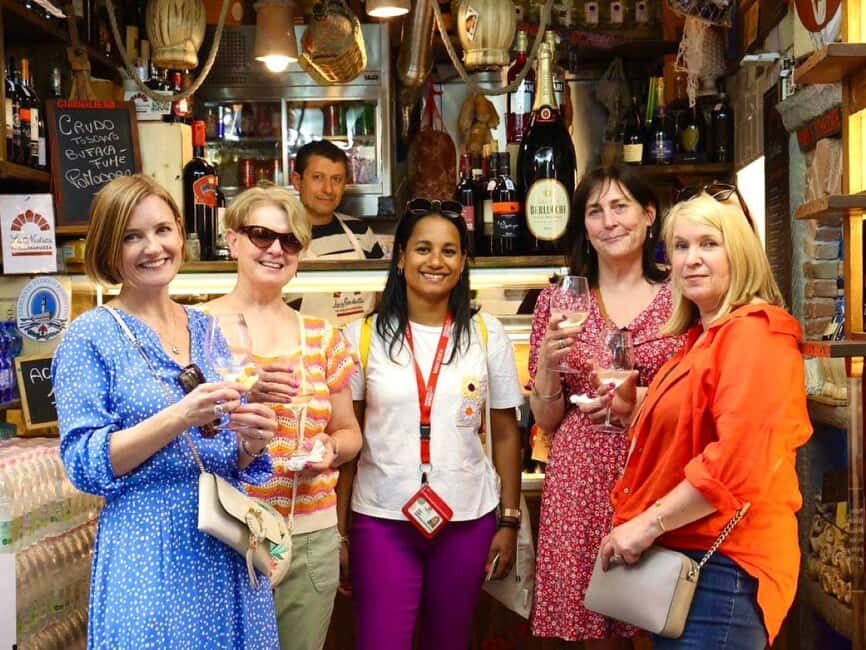
- Prosciutto and salumi paired with Chianti plus pecorino and extra virgin olive oil
- Cucina povera focus with dishes like ribollita, panzanella, pappa al pomodoro, and lampredotto
- Enoteca wine tasting featuring fettunta and olive oil
- Florence landmarks on foot, from Il Porcellino to Piazza della Signoria
- Gelato and biscotti stops for the sweet side of Tuscany
- Vin Santo finish with a traditional, small-sip sendoff
Florence Foodies Tour: why this tasting walk works
If you want Florence in a hurry, food tours can feel like a checklist. This one is different because it ties the tastings to the story of Tuscan cooking—especially cucina povera, the tradition of making deeply satisfying meals from simple ingredients. You’ll taste multiple “essentials” across the trip: cured meats, cheeses, bread-based classics, olive oil, and regional wine.
The format also makes sense. You’re not trapped in a restaurant the whole time. You walk through central sights, then stop at places where the food actually comes out of local routines—not just tourist menus. The guide is local and English-speaking, and the pace builds from salty to sweet, with multiple tastings that add up to a full meal experience.
And that small-group limit of up to 12 people matters. In narrow streets and busy squares, bigger groups get stretched out fast. Here, you stay together enough to hear explanations and keep the flow.
You can also read our reviews of more wine tours in Florence
- Tuscany Day Trip from Florence: Siena, San Gimignano, Pisa and Lunch at a Winery
★ 5.0 · 21,634 reviews
The real value in the price: what $89.50 buys you
At $89.50 per person, the big question is whether you get enough food and drink for the time. You do, because the tour stacks tastings like a proper Tuscan feast.
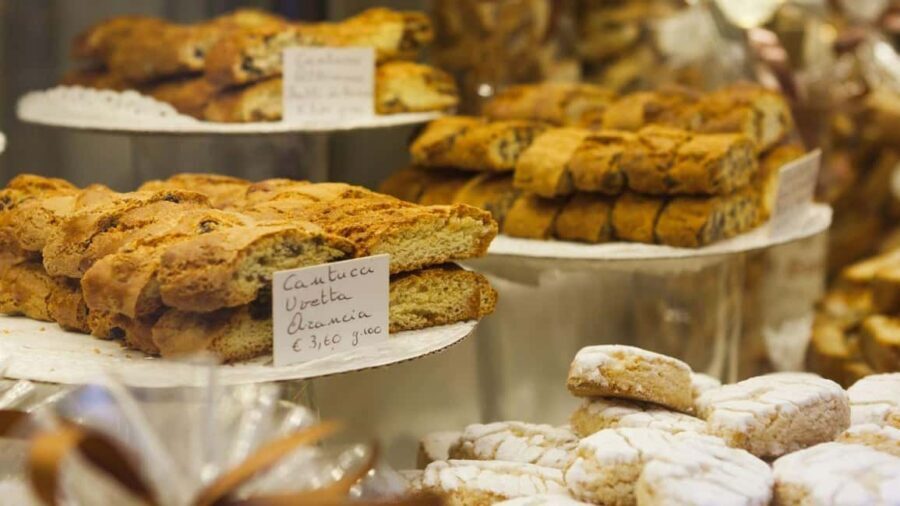
Included are 5 food stops plus 4 glasses of wine and a glass of Vin Santo. It also notes that the food inclusions are equal to a full meal, with dishes that range from cold cuts to gelato to traditional biscotti. In plain terms: you’re not paying just for the walk—you’re paying for a structured tasting circuit with multiple servings.
The price also includes a guide and the walking tour itself, and it’s run by a carbon neutral, B Corp certified company. That last part may not change what’s on your plate, but it’s a sign the operator thinks about impact rather than treating sustainability as a marketing afterthought.
The walking portion: short distance, real street surfaces
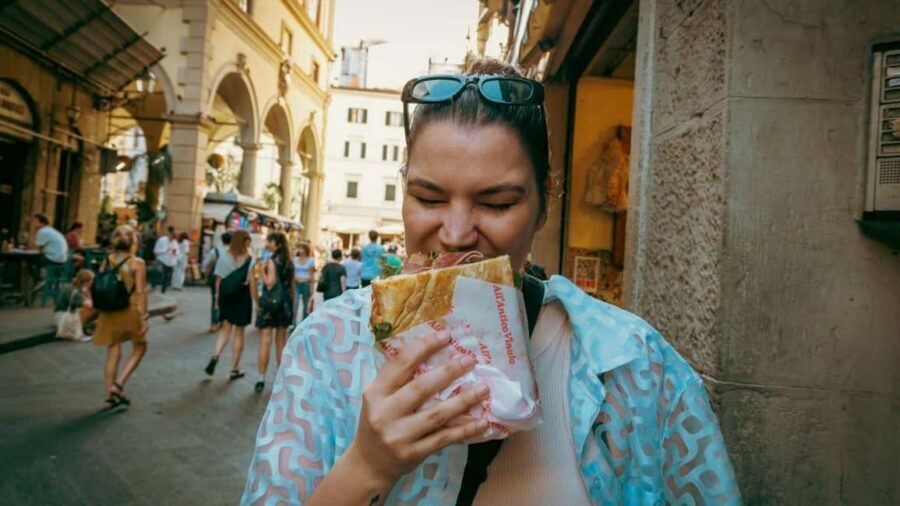
This tour covers about 1.6 km (1 mile) total. That’s not long. But it’s in Florence, meaning you’ll deal with cobblestones and tight alleyways where you can’t stride like you’re on a track.
My practical advice: wear comfortable shoes with grip, and don’t plan to do a heavy museum day right afterward. If you’re prone to sore feet, bring a backup gel in your day bag. You’ll be on your feet for most of the 2.5 hours.
Start point in Piazza della Repubblica: getting oriented fast
Your meet-up is in Piazza della Repubblica, right in front of the Tall marble column by Gill Cafe & Rinascente Department Store. From there, you’ll head into the area’s pedestrian flow and learn the logic of how Florence stitches its neighborhoods together.
Starting in this busy, central spot is smart. Even if you’re jet-lagged, you’ll get a quick sense of direction—then you’ll be guided into quieter lanes as the tastings begin.
Il Porcellino and Torre dei Belfredelli: landmarks with food-mood storytelling
Next comes a stop at Il Porcellino Statue. It’s one of those Florence icons you see in photos, but experiencing it up close gives you a better sense of scale and how central these sights really are.
After that, you pass the Torre dei Belfredelli (sec. XII). A medieval tower might sound like a random detour, but it helps you understand why Florence feels dense and layered. The streets didn’t grow by accident; they formed around trade, buildings, and neighborhoods that have been there for centuries.
If you like learning “why things are where they are,” these quick landmark stops add context without turning the tour into a lecture.
- Tuscany Day Trip from Florence: Siena, San Gimignano, Pisa and Lunch at a Winery
★ 5.0 · 21,634 reviews

Piazza della Signoria and Casa Martelli: the Florence contrast
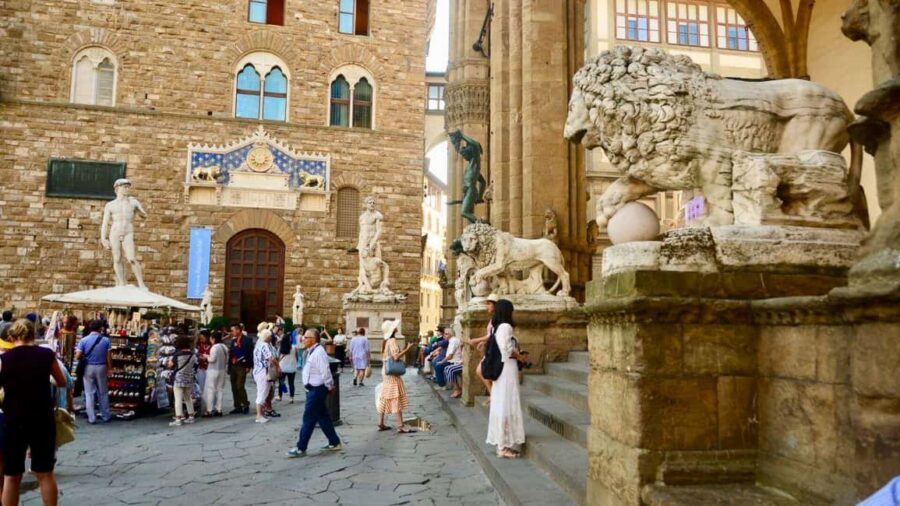
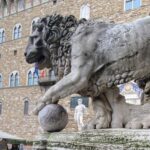
At Piazza della Signoria, you’re in one of the most recognizable squares in the city. Expect the energy of the space—open views, big-stone surroundings, and that unmistakable Florence feeling of art everywhere.
Then you go toward Casa Martelli. Even without a deep architectural lesson, this stop works because it keeps balancing two moods: landmark Florence in a public space, then Tuscan everyday life as you move toward the eating parts.
This rhythm is one reason the tour feels enjoyable rather than rushed. You get to look around, then taste, then walk again.
Stop where the feast begins: cured meats, pecorino, olive oil, and Chianti
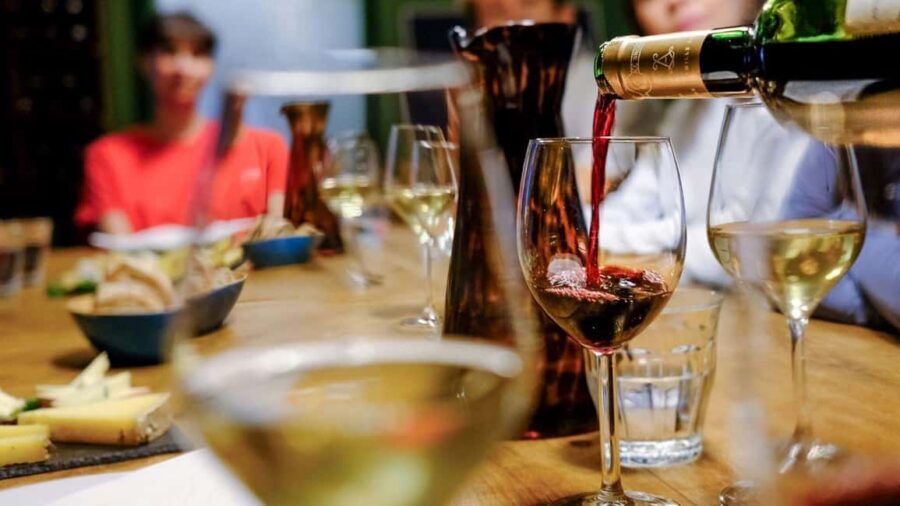
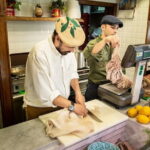
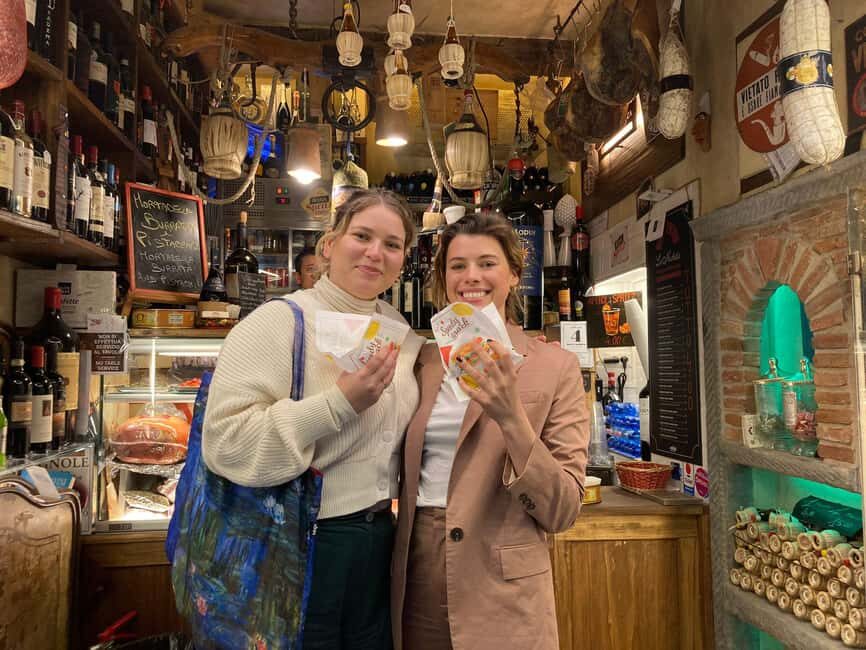
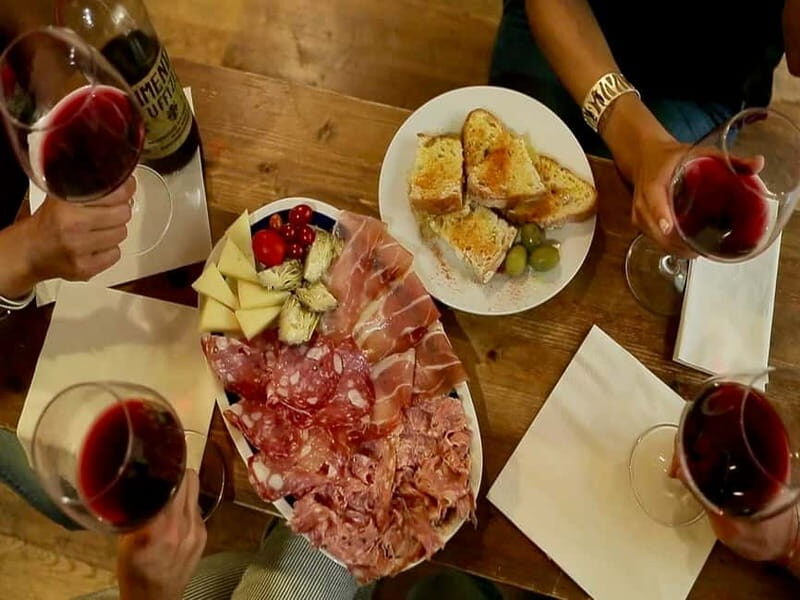
The first tasting is built around classic Tuscan flavors. You’ll sample Tuscan prosciutto and salumi from a local organic farm, paired with extra virgin olive oil and pecorino cheese, plus Chianti wine.
This is a great starter combo because it covers three core taste drivers early:
- Salt and fat from cured meats
- Sheep’s-milk character from pecorino
- Green, peppery structure from good olive oil
You’ll also get a sense of what “real pairing” means in Tuscany. The wine isn’t just a free drink. It’s part of how the flavors behave together—especially with the olive oil and cheese.
Ribollita, panzanella, pappa al pomodoro, lampredotto: Cucina povera on your plate
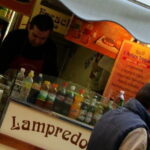
Next you head to a cozy eatery for traditional Tuscan dishes like ribollita, panzanella, pappa al pomodoro, and lampredotto, paired with local wine.
This is where the tour earns its theme. Cucina povera isn’t food that’s been reduced to simple. It’s food designed to make do—then kept because it tastes right. Ribollita is a good example: a hearty soup that turns humble ingredients into something comforting and filling.
A note on what lampredotto means for planning: it’s traditional in Florence and comes with a strong identity. If you’re picky about offal, you might want to check with the guide about how it’s served and whether any substitutions happen for your preferences. The tour is also designed to be well-balanced and thoughtful, but it states not all establishments can cater to every dietary requirement.
Enoteca tasting: fettunta and olive oil with two glasses of wine
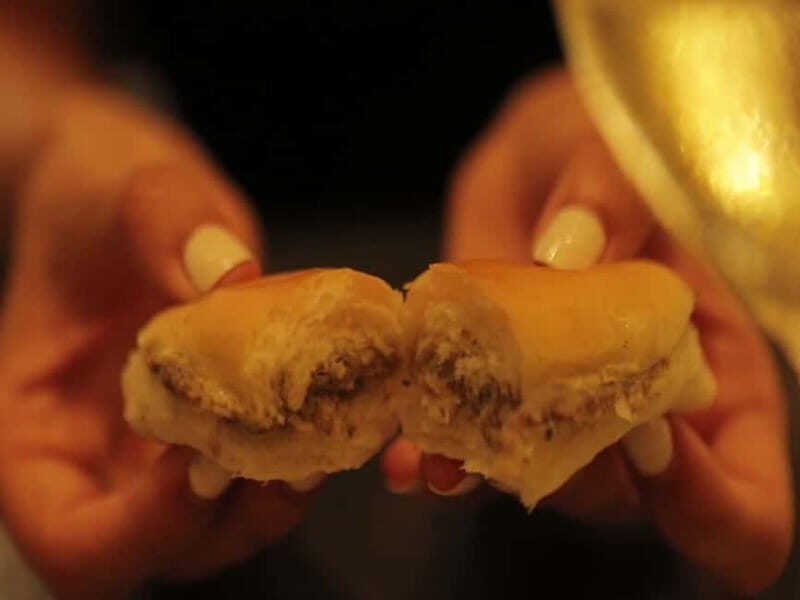
Then you visit an iconic enoteca for two glasses of wine with fettunta and olive oil. If you love bread-and-oil flavors, this stop is a highlight.
Fettunta is basically Tuscan bread dressed with olive oil, sometimes enhanced in the way the shop serves it. The pairing works because it teaches you how olive oil can act like seasoning and structure—not just something you drizzle.
This is also a nice point in the tour to slow down. You’re sitting, tasting, and letting the earlier salty bites settle so the wine doesn’t feel like a sprint.
Best gelato stop: sweet break with an Italian finish
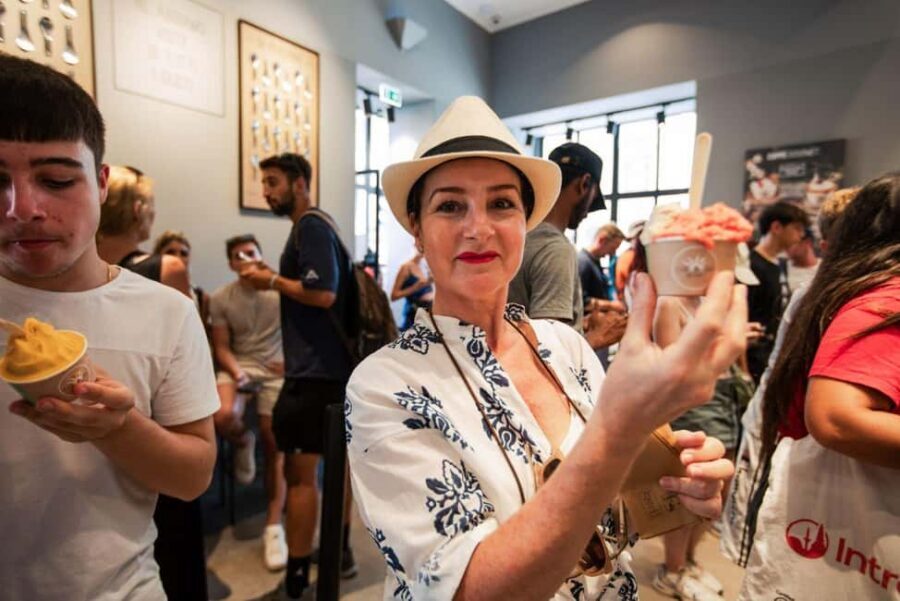
As you pass a Florentine landmark, you stop for gelato at a top-choice shop in town. Gelato is part of the Tuscany script, but it’s also a smart reset in the middle of the walk.
If you’re used to heavy ice cream, notice the texture difference. This is usually lighter and denser in flavor, and it can feel more balanced after wine than a heavy dessert would.
Hidden part-theater, bookstore, and bar stop: cookies plus a wine window
Your final tasting stop is a quirky place that mixes a few identities: part theater, bookstore, and bar, including a wine window. Here, you’ll taste Tuscan cookies—the kind that fit the slower, ceremonial end of an eating tour.
This stop is memorable because it feels like real neighborhood culture, not just a tasting counter. Even if you’re just passing through Florence for a few days, it gives you a slice of how Italians live around food and drink in everyday spaces.
The Vin Santo finish at the end: traditional and gentle
You finish with a glass of Vin Santo, a true Tuscan tradition. Vin Santo is typically sweet and served in small measures, so it works as a landing instead of a final punch.
This timing matters. By the end, you’ve had cured meats, wine, hearty dishes, olive oil, and gelato. Ending with Vin Santo is the right kind of closure: familiar enough to recognize Tuscany, sweet enough to remember, and not so heavy that you feel stuck.
Group size and guide quality: what you can count on
The tour runs as a small-group experience, max 12 passengers, and it’s guided in English by a local guide. One name you’ll see associated with the experience is Mara, who’s described as fun and full of charm, with plenty of Florence tips beyond just the food.
That matters because the best part of a food tour isn’t just tasting—it’s learning what to do after. A good guide turns the tour into a mini map for your future meals: what to order, where to go, and how to avoid wasting time on the wrong spots.
Dietary fit: mostly flexible, but not universal
The tour states it’s suitable for vegetarians, lactose-free, and gluten-free (non-celiac) customers. It also explains that the route is created around a balanced gastronomy experience tied to Tuscan cooking traditions, and some visits to establishments may not be able to cater for all dietary needs.
So here’s the practical approach: if you’re gluten-free (and especially if you’re strict or celiac), contact the operator and confirm what “gluten-free (non-celiac)” means for your situation. Same for any vegetarian needs if you eat no animal products. You’ll get the best experience when the guide knows what you need before you arrive.
Who this tour is best for
This tour is a strong match if you:
- Want a first-day Florence orientation with real food stops
- Like wine tastings but also want savory meals, not just sips
- Appreciate Tuscan Cucina povera and the story behind the dishes
- Prefer small groups that can move through narrow streets comfortably
It’s less ideal if you:
- Don’t drink alcohol (or can’t for your plans)
- Need fully celiac-safe gluten handling
- Are bringing kids or anyone under 18 (minimum age is 18)
- Have mobility issues that don’t pair well with cobblestones
Tips to get the most out of your 2.5 hours
Come hungry. The tour notes the food inclusions equal a full meal, and it also includes multiple tasting moments that add up quickly. Don’t plan to eat a big lunch right beforehand.
Bring a passport or ID and wear comfortable shoes. Also, think about pace: you’ll walk about a mile, but the time includes tasting stops, so you’ll likely feel the schedule even if the distance is short.
If you’re booking on a day when you want to see a lot of museums, put this earlier. You’ll get the energy boost from food and the routing insight helps later.
Should you book Florence Foodies Tour: quick decision guide
Book it if you want a tasty introduction to Florence that links olive oil, cured meats, Cucina povera classics, gelato, and Tuscan wine into one coherent route. The price makes sense because you’re not just sampling—you’re getting a full meal experience with multiple drinks.
Skip (or ask lots of questions first) if your priority is a general sightseeing tour with no alcohol focus, or if you need very specific dietary safety guarantees beyond lactose-free and non-celiac gluten-free. Also, because it’s for age 18+, plan accordingly.
If your trip is short and you want to use your time wisely, this is one of those tours that turns Florence into something you can taste and remember.
FAQ
Where does the tour start?
The tour starts in Piazza della Repubblica, in front of the Tall marble column situated in front of Gill Cafe & Rinascente Department Store.
How long is the Florence Foodies Tour?
It lasts about 2.5 hours.
What is the price per person?
The price is listed as $89.50 per person.
What food and drinks are included?
You get 5 food stops and 4 glasses of wine plus a glass of Vin Santo. The tour notes items like cold cuts, Cucina povera dishes, fettunta, gelato, and traditional biscotti.
Is the tour suitable for vegetarians or dietary restrictions?
It’s stated to be suitable for vegetarians, lactose-free, and gluten-free (non-celiac) customers. The tour also notes some stops may not be able to cater to all dietary requirements.
Is there an age limit?
Yes. The minimum age for this tour is 18 years old.
How much walking is involved?
The tour covers about 1.6 km (1 mile) on foot.
You Might Also Enjoy
More Wine Tours in Florence
- Tuscany Day Trip from Florence: Siena, San Gimignano, Pisa and Lunch at a Winery
★ 5.0 · 21,634 reviews

More Tours in Florence
- The Best tour in Florence: Renaissance & Medici Tales – guided by a STORYTELLER
★ 5.0 · 12,316 reviews
More Tour Reviews in Florence
- Tuscany Day Trip from Florence: Siena, San Gimignano, Pisa and Lunch at a Winery
★ 5.0 · 21,634 reviews - The Best tour in Florence: Renaissance & Medici Tales – guided by a STORYTELLER
★ 5.0 · 12,316 reviews