REVIEW · FLORENCE
Firenze; Corso di cucina Pasta&Dolce e vino Toscano
Book on GetYourGuide →Operated by Ristorante Murales Bistrò · Bookable on GetYourGuide
You come in expecting pasta. You leave with fresh pasta skills and a red-and-white wine tasting you can actually talk about. In Firenze at Ristorante Murales Bistrò, this 2.5-hour course focuses on traditional methods and doing it together, step by step. One thing to keep in mind: it’s a small-group class (up to 10), so it’s not a private, one-on-one cooking session.
You’ll work with your hands, not machines. You’ll learn two types of pasta the traditional way, make a dessert together, and then sit down and eat what you cooked. It’s a friendly, clear setup aimed at getting you comfortable with basics without feeling rushed.
In This Review
- Key highlights you’ll feel in the moment
- Pasta and Dessert by Hand in Firenze
- What the 2.5 hours actually includes (and why that’s smart)
- The chef-led start: clear steps, friendly pacing
- Making two types of pasta the traditional way
- Dessert time: the sweet payoff you help create
- Wine tasting during the lesson: red and white, with context
- Where value really shows: included food, drinks, and materials
- Small group energy at Ristorante Murales Bistrò
- Who should book this pasta course
- Should you book the Firenze Pasta&Dolce and Toscano Wine course?
- FAQ
- How long is the cooking class?
- How big is the group?
- What will I cook during the course?
- Is wine tasting included?
- Are food, drinks, and cooking materials included?
- Who is the guide, and what languages are offered?
- Is the class wheelchair accessible?
- Do I need to wait in a long line to join?
- Can I cancel and get a full refund?
- Can I reserve now and pay later?
Key highlights you’ll feel in the moment
- Two pasta types made by hand, no machinery required
- Dessert included, made with the group and then eaten
- Red and white wine tasting during the lesson
- Small group capped at 10, so you get attention while cooking
- Italian-English live guide, with clear explanations while you work
- All food, drinks, and materials included, so you’re not buying add-ons mid-class
Pasta and Dessert by Hand in Firenze
This cooking class in Tuscany is built around one simple idea: cooking is a skill you learn by doing. Not watching. Not just tasting. Doing. The setup at Ristorante Murales Bistrò is designed so you can follow along even if you’ve never rolled dough before.
I like that the lesson centers on traditional technique. You don’t need special gear, and you don’t need to memorize complicated steps that vanish the moment you leave. The promise here is basic, repeatable competence: learn the method, then you can make it again at home without needing an Italian workshop in your kitchen.
One detail that matters for your experience: the group is limited to 10 participants. That keeps the class from turning into a noisy, chaotic show. It also helps the chefs guide everyone through the hands-on parts while explaining what’s happening.
You can also read our reviews of more cooking classes in Florence
What the 2.5 hours actually includes (and why that’s smart)
The class runs about 2.5 hours, which is the sweet spot. Long enough for real practice, short enough that you don’t feel like you missed half your day exploring Firenze.
Here’s what you can expect as the rhythm of your time:
- You get an introduction to what you’ll cook and how the lesson will flow.
- You cook together two types of pasta using traditional hand methods.
- You prepare a dessert together.
- You eat everything you make.
- Along the way, you taste two kinds of wine: red and white.
This matters because food tours can sometimes stop at tasting. Here, tasting is part of the lesson, not the entire point. You leave with a full meal and a set of cooking moves you can reuse.
And since food, drinks, and the necessary materials are included, you’re not stuck doing mental math every time you notice another item on the table. You’ll focus on the cooking and the fun part: eating.
The chef-led start: clear steps, friendly pacing
At the beginning, the guide and chefs set expectations. You get a summary of what’s coming next, which helps you relax fast. Even better, the class is guided in both Italian and English, so you’re not stuck guessing when someone explains the important parts of technique.
From what you’ll experience in the room, the chefs run the lesson like teachers. They break actions into manageable steps. And because the class stays small, you’re more likely to get help when your dough behaves differently than you expected.
One practical tip for you: when they explain the steps, don’t just watch. Treat it like a checklist. If you understand what comes next, you’ll waste less time correcting mistakes. It’s the difference between rolling with confidence and panicking with flour.
Making two types of pasta the traditional way
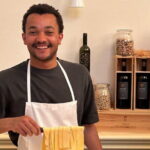
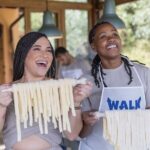
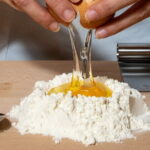
The heart of the class is hands-on pasta. You’ll cook together two types of pasta, using the traditional method and your hands. No machinery, no complicated equipment required. That’s a big deal if you want something you can recreate later.
What you learn during pasta prep is not only the “what,” but the “why.” Traditional hand-making teaches you how dough should feel. You start paying attention to texture, stretch, and thickness. Even if you’re not becoming a home pasta factory by dinner time, you’ll understand what to look for.
In a course like this, the two pasta varieties give you useful contrast. You don’t just learn one shape and call it done. You get experience with different processes, which helps you build intuition. When dough behaves better the second time, it’s not because you magically got better overnight. It’s because you finally learned what to watch for.
Also, cooking by hand is more physical than it looks on a menu photo. Expect a little arm work and a bit of mess. That’s part of the charm. If you’re the type who likes results without fancy tools, this is your lane.
Dessert time: the sweet payoff you help create
After pasta, you switch gears to dessert. The group prepares it together, and you get to enjoy it at the end of the session.
Why this matters: desserts can be the hardest part of cooking classes to execute well if the focus is only on technique. Here, the lesson keeps you in the action—so you’re not left with a “good luck, see you later” scenario. The group format also turns dessert prep into a shared moment, not a solo challenge.
It’s also a nice emotional arc. You start with hands-on pasta, move into something different, then finish with a meal you can feel proud of. You don’t just sample. You made it.
If you’re planning your day around this class, think of dessert as your built-in reward. It makes the 2.5 hours feel like more than a cooking demo. It’s a complete experience.
- Tuscany Day Trip from Florence: Siena, San Gimignano, Pisa and Lunch at a Winery
★ 5.0 · 21,634 reviews

Wine tasting during the lesson: red and white, with context
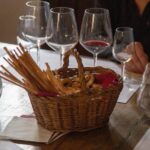
During the class, you’ll taste two types of wine: red and white. This isn’t framed as a formal tasting lecture with professional jargon. Instead, it fits the flow of cooking and eating, which is how most people actually enjoy wine.
For you, the value is practical. You’re learning in a setting where food is right there. That helps you connect taste and pairing to real experiences: how a sip works alongside what you’re making.
A friendly heads-up: don’t overthink it. Taste, notice, and enjoy. This is part of the fun of Tuscany, not a test you need to pass.
Where value really shows: included food, drinks, and materials
At $53.81 per person for 2.5 hours, this course feels like good value because so much is included. You get:
- Food and drinks (not just a single bite)
- The materials needed to cook
- A live guide in English and Italian
When you compare it to paying for a restaurant meal plus a separate activity, the math starts looking better. You’re paying for an experience where the meal is also the outcome of the lesson. That’s a rare combo.
You also get structure. The chefs handle timing and technique. You show up, and you’re guided through a full cooking cycle: preparation, cooking, dessert, then eating.
If you’re the kind of traveler who likes hands-on experiences over passive sightseeing, this class checks a lot of boxes.
Small group energy at Ristorante Murales Bistrò
This happens at Ristorante Murales Bistrò, and the small-group format keeps it personal. Up to 10 participants means you’re more likely to:
- hear instructions clearly
- have a better view of what the chefs are doing
- get help if your dough needs adjustment
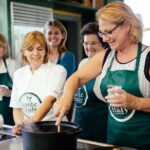
It also changes the atmosphere. Classes can feel like a show if there are too many people. Here, it’s more like a table you join, with chefs coaching you at the same time.
If you’re traveling with friends or family, that small size helps you stay together. If you’re solo, it still feels social without being overwhelming.
And yes, the class is wheelchair accessible, so it’s designed with practical access in mind.
Who should book this pasta course
I think this course is especially worth booking if you:
- want hands-on cooking basics, not just tasting
- like traditional food methods
- want an activity that ends with a meal
- enjoy small-group formats with real instruction
- prefer a class that’s friendly and fun rather than stiff
It’s also a solid choice for families, since the pace is built around group cooking and guided steps. The tone is not overly formal. It’s more about learning with laughter and confidence.
If you’re already a pasta expert who can make ten shapes from memory, you might find it more foundational than advanced. But even then, making pasta by hand without machinery can be a refreshing reset.
Should you book the Firenze Pasta&Dolce and Toscano Wine course?
If you want a short, meaningful Tuscany experience that ends with something delicious you personally made, I’d book it. The pricing is reasonable for what you get: two handmade pasta types, a shared dessert, red and white wine tasting, and a sit-down meal in about 2.5 hours.
My “yes” comes with one condition: go in expecting basics, not mastery. You’ll get the method and the confidence to try again at home. And since the class is limited to 10, you’ll likely feel included rather than rushed.
If you’re flexible on timing, check available starting times and pick the one that fits your day exploring Firenze. Then show up ready to roll dough, ask questions, and enjoy the fact that this is a meal you helped create.
FAQ
How long is the cooking class?
It lasts about 2.5 hours.
How big is the group?
The class is limited to 10 participants.
What will I cook during the course?
You will cook together two types of pasta using traditional hand methods, and you will also prepare a dessert.
Is wine tasting included?
Yes. You taste two types of wine: red and white.
Are food, drinks, and cooking materials included?
Yes. Food, drinks, and all necessary materials are included.
Who is the guide, and what languages are offered?
There is a live tour guide, and languages offered are Italian and English.
Is the class wheelchair accessible?
Yes, it is wheelchair accessible.
Do I need to wait in a long line to join?
The activity includes skip-the-ticket-line.
Can I cancel and get a full refund?
You can cancel up to 24 hours in advance for a full refund.
Can I reserve now and pay later?
Yes. There is a reserve now & pay later option, so you can book your spot and pay nothing today.
You Might Also Enjoy

More Cooking Classes in Florence
- Cooking Class and Lunch at a Tuscan Farmhouse with Local Market Tour from Florence
★ 5.0 · 4,831 reviews
More Tour Reviews in Florence
- Tuscany Day Trip from Florence: Siena, San Gimignano, Pisa and Lunch at a Winery
★ 5.0 · 21,634 reviews - The Best tour in Florence: Renaissance & Medici Tales – guided by a STORYTELLER
★ 5.0 · 12,316 reviews