REVIEW · FLORENCE
Pitti Palace & Boboli gardens tour with a Local Guide
Book on Viator →Operated by Slow Tour Tuscany · Bookable on Viator
Medici power feels close up. This 2.5-hour guided run through Palazzo Pitti and Boboli Gardens gives you the big art highlights without the maze panic. I love how the Palatine Gallery hangs masterpieces for visual harmony, and I love the garden terraces and fountains that make Versailles’ inspiration easy to picture.
One catch: the route is mostly stairs. Plan for lots of steps and uneven garden paths, and wear shoes you trust.
In This Review
- Key points to know before you go
- Why this Pitti and Boboli combo works so well
- Entering Palazzo Pitti’s state rooms: Galleria Palatina highlights
- The Treasury of the Grand Dukes: silver, jewels, and summer-apartment glamour
- Upstairs at Pitti: Galleria d’Arte Moderna and the shift to Italian modern art
- Fashion history at the Meridiana: Museo della Moda e del Costume
- Boboli Gardens: Renaissance design built like an outdoor palace
- Guide quality, pacing, and small-group feel (max 9)
- Price and value: what $234.80 really buys you
- What to wear and bring for a smooth day
- Who should book this tour—and who might skip it
- Should you book? My decision guide
- FAQ
- What’s the duration of the tour?
- Where does the tour start?
- What’s the end point?
- What language is the tour in?
- How many people are in a group?
- What’s included in the price?
- Is Boboli Gardens guided?
- Do I need to pay for museum tickets separately?
- Are refreshments included?
- Is there free cancellation?
Key points to know before you go
- Gallery-style hanging at the Palatine Gallery: paintings are arranged for effect and beauty, not a strict timeline.
- Medici luxury, in 17th-century rooms: the Treasury focuses on silver, jewels, semi-precious stone vases, and rock crystal.
- A jump from Renaissance/Baroque to Italian modern art: the top-floor modern gallery covers Neoclassicism to early 1900s.
- Fashion history in a royal setting: the Costume and Fashion Museum is the only Italy-focused museum dedicated to dress history.
- Boboli is not just pretty scenery: it’s an Italian Renaissance garden plan that later influenced Versailles.
- Earphones help a lot inside: you’ll get a set to hear your guide clearly in English.
Why this Pitti and Boboli combo works so well
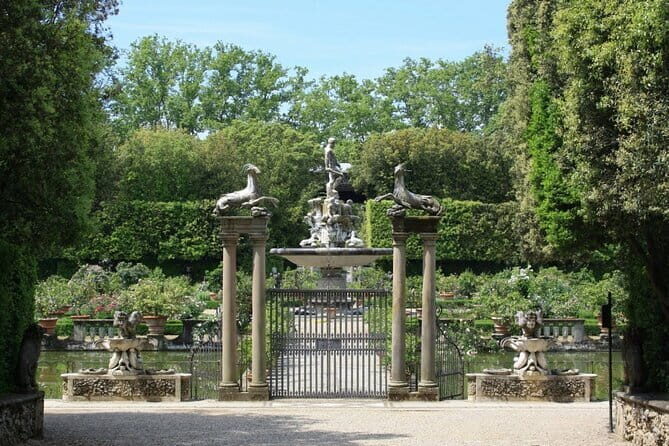
Palazzo Pitti is where Florence “court life” turns into something you can actually walk through. The palace sits across the Arno from the main tourist core, so you get a fast sense that Florence has more than one personality. And by connecting the interior art rooms with the outdoor Boboli Gardens, the tour keeps the story moving—power, taste, and display, all in one sweep.
You also get a smart mix of what most people miss when they do Pitti on their own. Instead of only chasing one highlight, you get a path that touches Renaissance/Baroque painting, Medici grand-ducal valuables, modern Italian art, and then the garden design philosophy behind Versailles.
You can also read our reviews of more guided tours in Florence
- The Best tour in Florence: Renaissance & Medici Tales – guided by a STORYTELLER
★ 5.0 · 12,316 reviews

Entering Palazzo Pitti’s state rooms: Galleria Palatina highlights
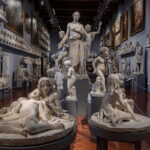
Your guided portion starts in the Palatine Gallery, a showpiece collection inside the old state rooms. This is not just a “look at paintings” stop. The room design and the way the art is grouped matter. Works are displayed in the 17th-century gallery style, which means the paintings aren’t arranged by date. They’re arranged for visual harmony—colors, themes, and drama placed to feel good together.
Inside, you’ll see major names that shaped Western art:
- Raphael, including Madonna della Seggiola and La Velata
- Titian and Rubens
- Caravaggio and Andrea del Sarto
- Pietro da Cortona, including the massive ceiling fresco program
What I like about this approach is that it helps you read the palace like a curated stage. A strict timeline can be helpful, but “how the court wanted it to look” is the bigger point here. If you’re the type who enjoys art with context—who wants to know why this painting is here, not just who painted it—this guided gallery time is where the tour earns its keep.
The palace setting also underlines the Medici-to-successors story: these rooms moved between the Medici, the Lorraine family, and later the Savoy dynasty. It’s the same architecture, different owners, different taste at the top. That’s part of why the art feels both grand and slightly personal—like you’re seeing how each ruling family wanted to present themselves.
The Treasury of the Grand Dukes: silver, jewels, and summer-apartment glamour
Next comes Tesoro dei Granduchi, the ground-floor treasury. This is housed in 17th-century frescoed rooms that once belonged to the Medici’s Summer Apartments. The setting alone changes how you look at the objects. You’re not just viewing items behind glass; you’re in rooms that were meant for display and pleasure.
The collection centers on precious things in several categories, including:
- jewels and luxury accessories
- silverware
- vases made with semi-precious stones
- rock crystal objects
- other refined court artworks
If you’ve ever wondered why royals obsessed over objects that catch light, this stop explains it. Silver, crystal, and colorful stone aren’t just expensive—they show wealth in a way you can see across a room, in candlelight or daylight, with a live human audience.
This is also a great counterbalance to the Palatine Gallery. Painting is about ideas and stories. The treasury is about material power—taste made tangible.
Upstairs at Pitti: Galleria d’Arte Moderna and the shift to Italian modern art
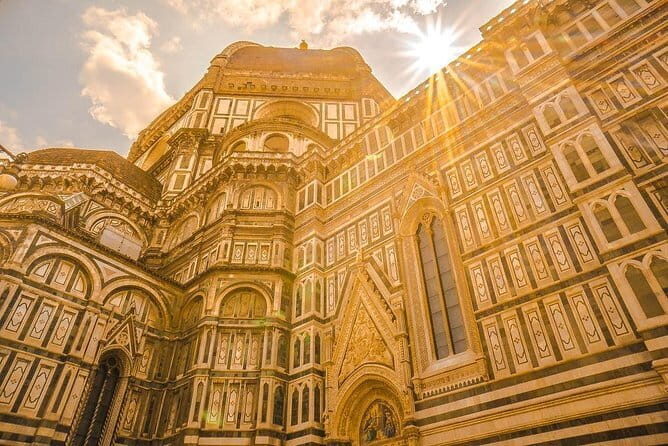
On the top floor, Galleria d’Arte Moderna turns the volume down on Renaissance grandeur and points toward newer Italian art trends. Here, the collection traces the evolution of Italian art from Neoclassicism through the early 20th century.
You’ll see major artists associated with the Italian art story, including Canova, Hayez, and then artists linked to later movements such as the Macchiaioli (a Florentine precursor to Impressionism). The gallery also includes work by names like Fattori and Signorini, among others.
Even if you don’t consider yourself a “modern art person,” this stop helps you connect Florence across centuries. It’s the same city producing different kinds of looking—first ideal forms and dramatic religious myth, then attention to realism, light, and everyday visual rhythm.
One practical note: top-floor galleries can feel long if you hate stairs. But time here usually moves faster because the subject shift is obvious. It becomes a palate cleanser after the Medici rooms.
Fashion history at the Meridiana: Museo della Moda e del Costume
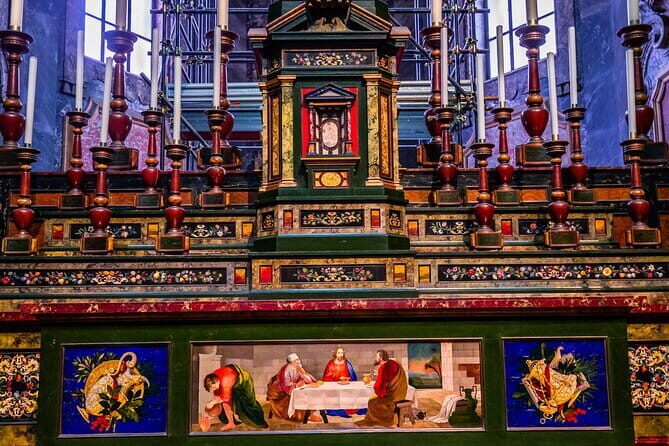
The Costume and Fashion Museum sits in the Palazzina della Meridiana. This is a standout stop because it isn’t a general museum with fashion as a side exhibit. It focuses on the history of fashion and dress, and it’s the only museum in Italy entirely dedicated to that topic.
Expect garments, accessories, and theatrical costumes from the 18th century to today. The emphasis is on how style reflects culture and status—exactly what you want after seeing grand-ducal rooms full of power cues.
You’ll also find particularly meaningful pieces tied to the Medici story, plus creations by Italian and international contemporary designers. Exhibitions are periodically refreshed, so if you return later (or if you compare notes with friends), you might find the layout has changed.
- Tuscany Day Trip from Florence: Siena, San Gimignano, Pisa and Lunch at a Winery
★ 5.0 · 21,634 reviews



Boboli Gardens: Renaissance design built like an outdoor palace
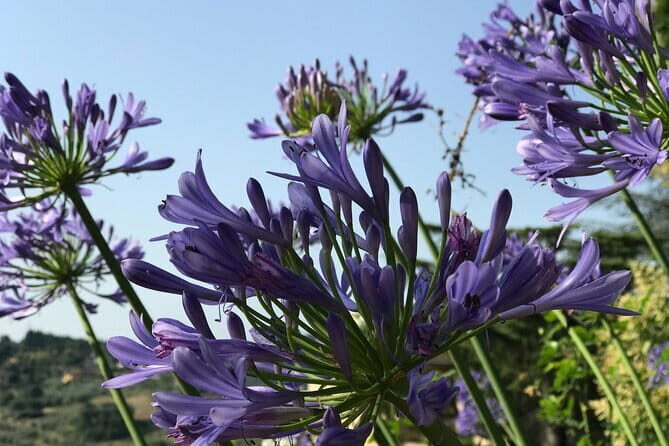
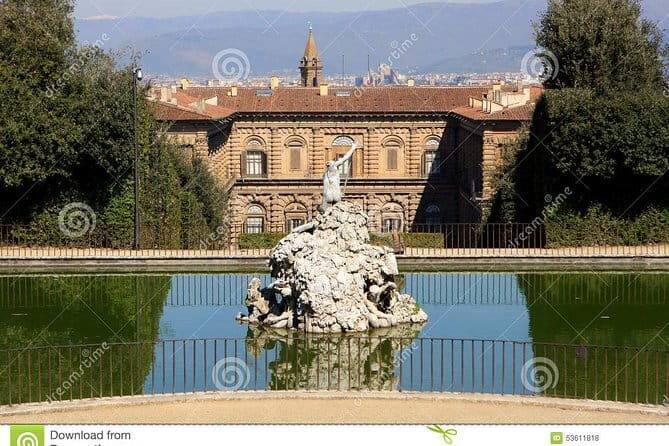
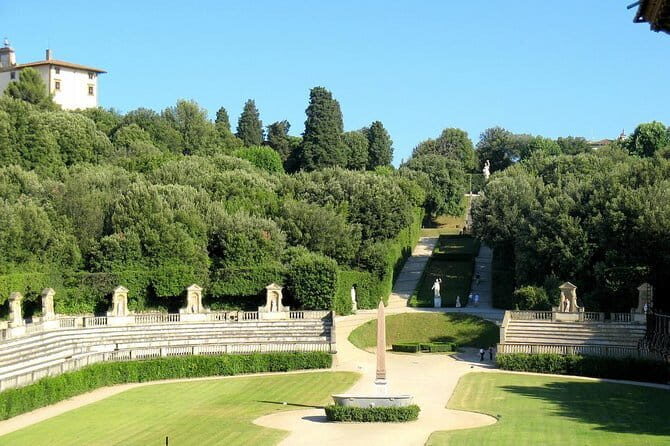
Then it’s outside. Boboli sits behind Palazzo Pitti and feels like a slow-motion lesson in landscape architecture—only you’re walking through it. This is one of Europe’s best-known historic gardens and a key early example of an Italian Renaissance garden plan. It later inspired other major gardens, including Versailles.
Boboli’s charm is structural, not random. The layout includes:
- tree-lined avenues
- fountains and water features
- statues and sculptural accents
- grottos
- panoramic terrace viewpoints over Florence
Highlights you’ll likely hear about (and can usually spot) include the Amphitheatre, the Fountain of Neptune, and the Buontalenti Grotto. The Amphitheatre is a reminder that gardens were once stages for social display, not just calm nature. Neptune and the grottos show how myth and architecture mix when a court wants to impress.
This part also helps the tour click emotionally. After the palace’s art and objects, the gardens feel like the same worldview expressed in stone, water, and symmetry—power made walkable.
Guide quality, pacing, and small-group feel (max 9)
This experience is offered in English and runs about 2 hours 30 minutes. The group size is capped at 9, which matters. In palaces, crowds can flatten everything into noise. A smaller group means you actually get time to look up close and listen instead of just moving along with everyone else.
You’ll also use earphones to follow the guide’s explanations clearly. This is especially useful in state rooms where sound can bounce, and in garden areas where you can’t rely on your voice carrying.
Guides in this format tend to connect art to everyday court life—the kind of explanation that turns a list of famous paintings into something you can picture. I’ve seen approaches that name specific works and then tie them to how the Medici court wanted to look and feel. If you get a guide like Tina, the story focus tends to be art plus attitude, not just art plus dates. If you’re lucky enough to have Ellena, expect lots of art history context. And if Alissa is the one leading your day, the explanations often feel steady and friendly, even when the schedule gets pressured.
Price and value: what $234.80 really buys you

At $234.80 per person for roughly 2.5 hours, the big value isn’t only the palace building. It’s the stack of included admissions and the fact that the most complicated parts come with real guidance.
Your ticket bundle includes entry to:
- Palazzo Pitti
- Treasury of the Grand Dukes (Tesoro dei Granduchi)
- Gallery of Modern Art
- Museum of Costume and Fashion
…and guided time for:
- the Palatine Gallery
- Boboli Gardens
That matters because Pitti can feel like a buffet of rooms. You can absolutely DIY it, but you’ll spend time deciding what to prioritize. This tour solves that problem by setting a path that hits multiple eras and multiple court expressions of taste—paintings, precious objects, modern art evolution, and then garden design.
Also, there’s a timing element. This is commonly booked about 39 days in advance, which is your hint that popular time slots can go fast. If your trip dates are firm, it’s smart to lock it in early and not assume you’ll find a slot later.
What to wear and bring for a smooth day
The biggest practical issue here is physical, not intellectual: you’ll climb and descend. Even when the garden is the fun part, the route through palace rooms and then back outdoors includes plenty of steps.
Bring:
- comfortable walking shoes (this is not the day for fashion sneakers with no grip)
- water if you’re visiting in warmer months, since refreshments aren’t included
- a light layer if you’re sensitive to air-conditioned museum spaces
If you tend to run hot, plan your most patient attitude for the interior rooms first and save your energy for Boboli’s open views.
Who should book this tour—and who might skip it
This is a strong fit if you want:
- a structured introduction to Palazzo Pitti without getting lost
- multiple art genres in one visit: Renaissance/Baroque, then modern Italian art
- a real garden design story, not just photos in pretty spots
You might reconsider if:
- you strongly prefer totally flat walking routes (the steps are part of the deal)
- you only care about one narrow slice of Pitti (like only the Palatine Gallery) and don’t want to spend time in other collections
Should you book? My decision guide
I’d book this tour if you want a guided, time-efficient way to see Palazzo Pitti’s big-ticket experiences and then connect them to Boboli’s garden design. The combination of included admissions plus guided time in the most important areas is where the value lives. The small group size and earphones also help you get more out of each room without turning the day into a sprint.
If you’re on the fence, think like this: if you’d rather pay someone to handle the priorities for you—this is that kind of visit. If you love planning every room yourself and you don’t mind making decisions while inside—then DIY could work. One extra nudge: you can cancel for free up to 24 hours in advance, so you can book now and still adjust later if your plans shift.
FAQ
What’s the duration of the tour?
It runs about 2 hours 30 minutes.
Where does the tour start?
It starts at Palazzo Pitti, Piazza de’ Pitti, 1, 50125 Firenze FI, Italy.
What’s the end point?
The activity ends back at the meeting point.
What language is the tour in?
The tour is offered in English.
How many people are in a group?
The tour has a maximum of 9 travelers.
What’s included in the price?
Entrance tickets to Palazzo Pitti, the Treasury of the Grand Dukes, the Gallery of Modern Art, and the Museum of Costume and Fashion, plus guided tour of the Palatine Gallery and Boboli Garden. You also get earphones and a single-language tour with a certified guide.
Is Boboli Gardens guided?
Yes, the Boboli Garden portion includes a guided tour.
Do I need to pay for museum tickets separately?
No. Tickets to the included sites are part of the tour package.
Are refreshments included?
No, refreshments are not included.
Is there free cancellation?
Yes. You can cancel for a full refund if you cancel at least 24 hours before the experience’s start time.
You Might Also Enjoy
More Guided Tours in Florence
- The Best tour in Florence: Renaissance & Medici Tales – guided by a STORYTELLER
★ 5.0 · 12,316 reviews


More Tours in Florence
- The Best tour in Florence: Renaissance & Medici Tales – guided by a STORYTELLER
★ 5.0 · 12,316 reviews

More Tour Reviews in Florence
- Tuscany Day Trip from Florence: Siena, San Gimignano, Pisa and Lunch at a Winery
★ 5.0 · 21,634 reviews - The Best tour in Florence: Renaissance & Medici Tales – guided by a STORYTELLER
★ 5.0 · 12,316 reviews