REVIEW · FLORENCE
Florence: Timed Entrance Ticket to San Marco Museum
Book on GetYourGuide →Operated by GetYourGuide Tours & Tickets GmbH · Bookable on GetYourGuide
A quiet monastery with Renaissance miracles inside. This timed ticket to Florence’s San Marco Museum gets you into the church-and-convent complex, where you can take your time among Beato Angelico frescoes and devotional works. One catch to plan around: your entry time is binding, and you can be refused if you arrive after your slot.
What makes San Marco special is that it’s not just a museum setting. The Dominican monks still live there, so the atmosphere feels ordered and calm—more like walking through a working place than racing through galleries. You’ll also visit Girolamo Savonarola’s cell and see the Great Refectory areas that connect art to daily life.
In This Review
- Key Things to Know Before You Go
- San Marco’s Quiet Advantage Over Florence’s Biggest Hits
- Timed Entrance: Easy Entry, One Strict Timing Rule
- The Building Itself: Exterior, Convent Architecture, Cloister Calm
- Beato Angelico Frescoes: How to See Them Like They Mean Something
- Savonarola’s Cell: The Renaissance Meets Real Danger
- Great Refectory and the World of Meals: Fra Bartolomeo Shows Up
- Price and Value: Is $15 a Good Deal?
- What Could Feel Like a Downside (And How to Handle It)
- Tips to Pick the Right Slot and Enjoy the Convent Feel
- Who This San Marco Ticket Is Best For
- Should You Book This Timed Entrance Ticket?
- FAQ
- Where do I redeem or start this timed entrance ticket?
- Is a guided tour included with the ticket?
- Do I need to choose a specific time slot, and is it required?
- How long is the ticket valid?
- Is San Marco wheelchair accessible?
- Can I cancel and get a refund?
Key Things to Know Before You Go

- Timed entry that protects your time: pick a slot, then skip the ticket line once you’re at the museum.
- Beato Angelico on the walls, not in a vacuum: sacred art in the convent rooms it was made for.
- A cloister and frescoed details: the Cloister of St. Anthony and decorated doors set the tone before you even reach the main works.
- Savonarola’s cell adds human drama: a direct look at the friar who preached reform.
- Fra Bartolomeo paintings in refectory spaces: art shows up where meals and services happened.
- $15 can feel like good value: plus you get 10% discounts at two Hard Rock stops nearby (with limits).
San Marco’s Quiet Advantage Over Florence’s Biggest Hits
If your Florence plan is mostly Duomo lines and major-ticket museums, San Marco is a great counterweight. Here, the experience feels smaller and more intimate because you’re walking through a place that was built for prayer, study, and monastic life—not for crowds. The convent spaces help you slow down.
You’ll notice the difference right away: San Marco is made of a church plus a 15th-century Dominican convent. And the convent is still a Dominican home. Even if you’re not religious, you’ll feel how the building’s purpose shapes the visit—quiet corridors, austere rooms, and art presented in a setting that doesn’t shout.
This is also one of the most moving ways to connect Renaissance art to real people. Beato Angelico’s works are here, yes, but so is the political and moral tension embodied by Girolamo Savonarola. That combination—art and consequence—keeps the visit from becoming just “pretty frescoes.”
You can also read our reviews of more tours and experiences in Florence

Timed Entrance: Easy Entry, One Strict Timing Rule

This ticket is built for self-guided visiting with a timed slot. Once you redeem your voucher at the ticket office inside the museum (Piazza San Marco, 3), you can skip the ticket line and enter during your chosen time. The “skip the line” part matters most in Florence, where waiting can eat up the best part of your day.
The strict part is also clear: the date and time slot you pick is binding. If you show up late, entry can be refused. So I’d treat your time like a medical appointment—arrive a few minutes early, not at the exact minute.
Duration-wise, your ticket is valid for 1 day, and starting times depend on availability. For most people, that means you can keep your schedule flexible and still lock in the entry you want.
Also worth noting: the site is wheelchair accessible, which is a big plus for travelers who want an art-and-architecture visit without fighting stairs all day.
The Building Itself: Exterior, Convent Architecture, Cloister Calm

Before you even get to the paintings, you get a strong sense of place. Start by taking a moment at the statuesque exterior. It helps you understand you’re stepping into a Dominican campus, not just a single gallery room.
Inside, you move through an ensemble shaped by major Renaissance patronage and design. The convent was commissioned by Cosimo I de’ Medici, Grand Duke of Tuscany, and renovated by Michelozzo, one of the best-known Renaissance architects. Even if you don’t geek out on architecture, you’ll feel the order in how the spaces are arranged and how the light falls through the cloister zones.
One of the most important prelude stops is the Cloister of St. Anthony. It’s the kind of space where you can reset your pace. You’re in a courtyard-like area designed for quiet movement, and the surrounding details set up your next stops—especially the convent doors decorated with frescoes. Those painted surfaces are like a warm-up for what comes next: devotional imagery integrated into everyday thresholds.
And as you go, keep an eye out for the sense of monastic continuity. The convent is not presented as a theme park. It’s described as a functioning Dominican environment, and that shows in the feel of the spaces.
Beato Angelico Frescoes: How to See Them Like They Mean Something
San Marco’s star is Beato Angelico (often associated with the name Fra Angelico). Here, his works aren’t just displayed; they’re placed within a path that feels designed for contemplation. That matters. In a bigger museum, frescoes can feel like isolated masterpieces. In San Marco, they feel like part of a daily spiritual system.
You’ll reach halls filled with Beato Angelico works, along with religious paintings connected to the convent setting. This is the area where many visitors slow down. The art has a gentle, focused quality—less about shock, more about clarity and devotion. If you’re the type who likes to stand close and really look at surfaces, this is a strong place to do it.
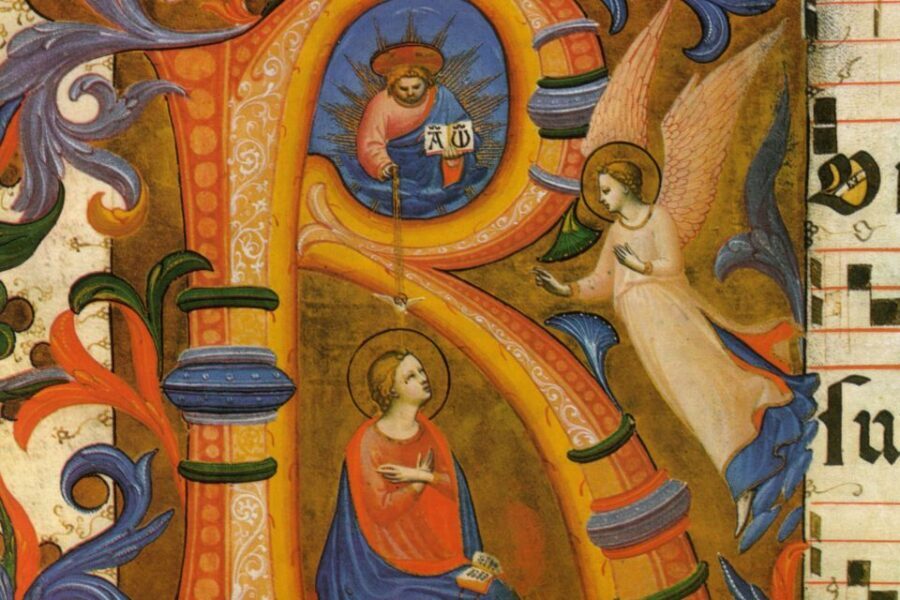
There are also specific paintings worth seeking out. One that stands out in accounts of the visit is a depiction of the Lord’s Supper on the main floor. Another often-discussed highlight is Fra Angelico’s Annunciation. These are the sorts of works that tend to become “rememberable images” once you’ve seen them in person—especially because the convent spaces don’t distract from the artwork.
Practical tip: don’t race room to room. If you give yourself time, you can compare how the mood shifts across corridors and halls. The same artist can feel different depending on where you’re standing and how your path carries you.
Savonarola’s Cell: The Renaissance Meets Real Danger
San Marco is also where Florence gets political. You’ll visit the cell where Girolamo Savonarola lived. This is not a generic “historical reenactment” stop—it’s a specific place tied to a specific man.
Savonarola was a passionate speaker who preached against corruption and moral decay in the clergy. That message was dangerous, and his fate was grim: he was hanged and burned at the stake in Piazza della Signoria. Walking through his former cell makes that history feel less like a textbook paragraph and more like a story with stakes.
If you like connecting art to the era’s tensions, this stop is a big payoff. It also changes how you might read the artwork. Even if you’re not following the theology, you can see how moral pressure and religious authority shaped what people valued enough to paint and preserve.
Take a few minutes here even if your main goal is Beato Angelico. The Savonarola piece is often what turns “great museum” into “I’ll remember this.”
You can also read our reviews of more museum experiences in Florence


Great Refectory and the World of Meals: Fra Bartolomeo Shows Up
After the more famous art stops, San Marco keeps giving you context through the convent’s service and dining spaces.
You’ll explore the Great Refectory, described as an old refectory with kitchens and service areas. In those spaces, you’ll see paintings by Fra Bartolomeo, another important painter who was also a Dominican monk in the early 16th century. Seeing art here is a reminder that the convent wasn’t an art storage facility. It was a working environment, and art lived beside practical daily needs.
The refectory and kitchen/service areas are a smart design choice for visitors. They help you understand why certain religious imagery and devotional art mattered to people who ate, cleaned, served, and prayed in the same complex. It’s a different angle on Renaissance art than what you get in a pure gallery setting.
So when you move through these rooms, try to picture the flow of a day rather than treating each painting as a separate “masterpiece moment.” That mental shift makes the experience feel more complete.
Price and Value: Is $15 a Good Deal?

At $15 per person, this is an accessible ticket price for a museum highlight in Florence. That cost includes the timed entrance ticket and a booking fee, which means you’re paying for guaranteed entry within a chosen slot rather than hoping your timing works out with the general lines.
Now, the extra value: the ticket includes 10% discounts at two Hard Rock locations on Via dei Brunelleschi (Piazza della Repubblica). One is the Hard Rock Shop, and the other is the Hard Rock Cafe restaurant. The discounts come with exclusions: limited edition items and charity items are not included at the shop, and the cafe discount excludes alcohol on the a la carte menu.
Is that money-changing value? Only if you plan to stop at one of those places anyway. But it can be a nice bonus, especially if you’re already thinking of grabbing a souvenir or a quick meal near Piazza della Repubblica after your museum time.
The bigger “value” question is also about fit. This ticket is not a guided tour. If you want a live narrative walking you through context and art interpretation, you might feel a little on your own. If you enjoy reading labels, moving at your pace, and letting the setting do some of the talking, you’ll likely be happy with what’s included.
What Could Feel Like a Downside (And How to Handle It)
No experience is perfect, and San Marco has a few practical considerations.
First, the strict time slot rule is real. If you’re running on a tight schedule and you’re the type who often stops for coffee “just for a minute,” build buffer time.
Second, you may find that you want more interpretive help than the self-guided setup provides. Some visits emphasize that there wasn’t an audio guide option offered as part of the experience. Also, a couple rooms may sometimes be closed. And some label info may be lighter in English in certain areas.
How to handle this:
- Read labels slowly in the rooms that matter most to you (especially the Beato Angelico areas).
- If language mix is a concern, plan to use your phone for translation if needed, since info can vary across rooms.
- If a room is closed on your visit, don’t panic—San Marco is still packed with meaningful stops.
And a small psychological note: San Marco can feel more emotionally intense than people expect because of Savonarola’s story and the devotional atmosphere. If you prefer purely “light and scenic,” you might want to pair it with something upbeat afterward.
Tips to Pick the Right Slot and Enjoy the Convent Feel
Timing isn’t only about entry—it’s about atmosphere. A morning slot can help you experience the museum at a calmer pace. One example: at around 10am, some people noted it wasn’t very busy. That’s not guaranteed, but mornings often have that advantage in Florence.
Here are a few other practical tips:
- Arrive a few minutes early so the strict time rule doesn’t stress you out.
- Start with the exterior and architecture, then commit to slow looking once you reach the Beato Angelico spaces.
- Use Savonarola’s cell as a “story break” halfway through, not as an afterthought at the end. It changes how you experience the religious art around it.
And if you want extra explanations, you might find that an English-speaking guide can make some visits more satisfying. One example mentioned is a guide named Sabine praised for clear, sophisticated English while explaining artistic and historical concepts. You may not get that in every situation, but if staff guidance is available when you go, it can turn your visit from simply beautiful to really informative.
Who This San Marco Ticket Is Best For
This ticket makes a lot of sense for:
- Renaissance art lovers who want the artist’s work in a matching spiritual setting
- Travelers who like quiet, interior experiences rather than big museum crowds
- People interested in Florence’s religious and political drama, especially Savonarola
It’s less ideal if:
- You’re only in Florence for the most famous “must-see” exteriors and don’t care much about frescoes
- You need a structured guided narrative, because this is timed entry without a built-in tour
If you’re mid-trip and your energy is starting to dip after cathedral climbs and long lines, San Marco is one of the best ways to recharge without giving up art.
Should You Book This Timed Entrance Ticket?
If you care about Beato Angelico, want a quieter Florence museum experience, and don’t mind a self-paced visit, I think this is a strong booking. The $15 price feels fair for a site that blends monastery life, major Renaissance art, and Savonarola’s story in one coherent path.
Book it if you:
- want to skip the ticket line with a scheduled slot
- enjoy thoughtful looking and smaller, calmer spaces
- like your art tied to context, not separated from daily life
Skip or reconsider if you:
- can’t stick to a timed entry window
- need a guided commentary to fully understand what you’re seeing
- plan to rely on audio guidance, since that isn’t built into this ticket
FAQ
Where do I redeem or start this timed entrance ticket?
You start at the ticket office inside the museum at Piazza San Marco, 3, 50121 Firenze.
Is a guided tour included with the ticket?
No. A guided tour is not included.
Do I need to choose a specific time slot, and is it required?
Yes. You select a date and time slot, and it’s binding. You can be refused entry if you don’t respect the allotted entry time.
How long is the ticket valid?
The ticket is valid for 1 day. Starting times depend on availability.
Is San Marco wheelchair accessible?
Yes, the activity is wheelchair accessible.
Can I cancel and get a refund?
Yes. Free cancellation is available up to 24 hours in advance for a full refund.
You Might Also Enjoy
More Museum Experiences in Florence
More Tickets in Florence

More Tour Reviews in Florence
- Tuscany Day Trip from Florence: Siena, San Gimignano, Pisa and Lunch at a Winery
★ 5.0 · 21,634 reviews - The Best tour in Florence: Renaissance & Medici Tales – guided by a STORYTELLER
★ 5.0 · 12,316 reviews