REVIEW · FLORENCE
Florence: Uffizi Gallery Reserved-Entry VIP Tour
Book on GetYourGuide →Operated by Tours And Tours · Bookable on GetYourGuide
Skip the line, then meet the art on your terms. This Uffizi reserved-entry VIP tour is built for people who want the big moments fast: a small group (up to 9), a live guide, and radios so you don’t miss the story while the museum gets crowded. I also like how guides bring the works to life with connections to Florentine politics and the way art changed across the Renaissance, not just what’s shown on the wall.
One thing to plan for: even with skip-the-line tickets, you still do a security check on site. During peak hours, that check can mean a 15–20 minute wait, and it can affect how smooth and how long your exact guided time feels.
In This Review
- Key things I’d circle before you book
- Uffizi VIP, in plain terms: what you’re paying for
- Meeting in front of Leonardo: how to find your guide fast
- Security check reality: skip the line, not the rules
- The 1.5-hour guided route: key works you’ll actually remember
- Botticelli’s Birth of Venus and the Renaissance mindset
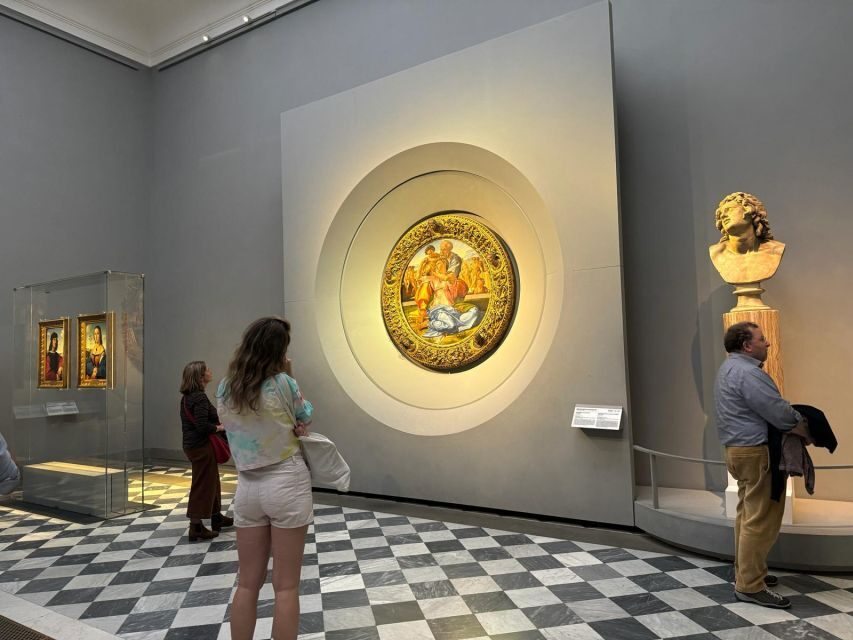
- Michelangelo’s Doni Tondo: sculpture energy in paint
- Da Vinci drawings: seeing how thinking looks
- Caravaggio’s Medusa and the darker edge of later drama
- Ancient statues and Vasari architecture: context without boredom
- Guide styles that really show up in the feedback
- Headsets and radios: the secret weapon in a crowded Uffizi
- After the tour: how to use your free time wisely
- Who this tour suits best (and who should think twice)
- Price and logistics: timing, languages, and what to bring
- Should you book this Uffizi reserved-entry VIP tour?
- FAQ
- Where is the meeting point for the tour?
- How long is the guided portion?
- Does this tour include skip-the-line entry?
- What’s included during the tour?
- Do I get time to explore after the guided part?
- What languages are available for the live guide?
- Is the museum security line always short?
- What do I need to bring?
- Is there a cancellation option?
- Is wheelchair access available?
Key things I’d circle before you book
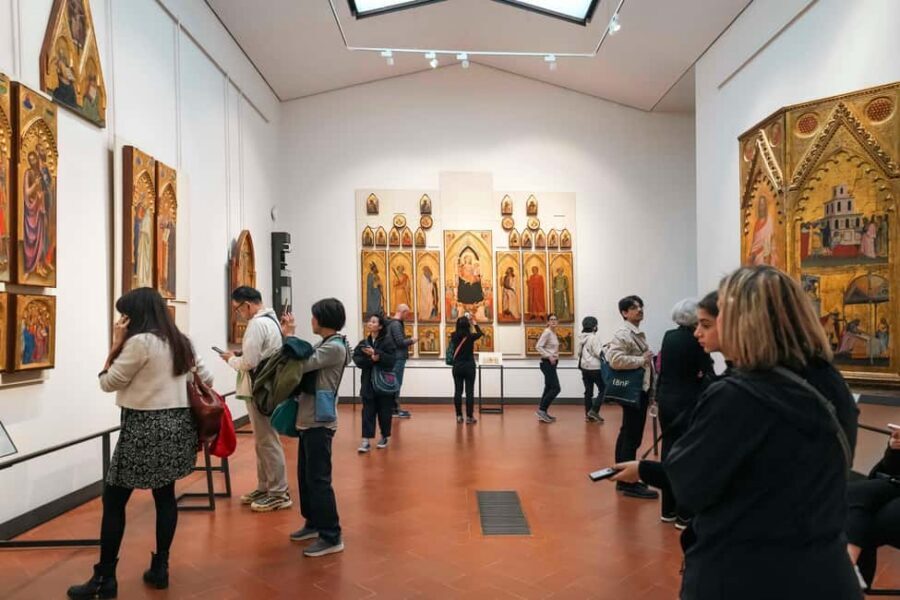
- Reserved-entry skip-the-line access via a separate entrance, so you’re not stuck in the main crush
- Small group up to 9 people, which makes questions and pacing feel human, not factory-like
- Headsets and radios so you can keep walking without craning your neck or losing the guide
- The highlights hit hard: Botticelli’s Birth of Venus, Michelangelo’s Doni Tondo, Da Vinci drawings, and more
- Architecture + ancient sculpture in the corridors gives context to the art you’re seeing
- After the tour, you can stay and explore the rest of the gallery on your own for as long as you like
Uffizi VIP, in plain terms: what you’re paying for
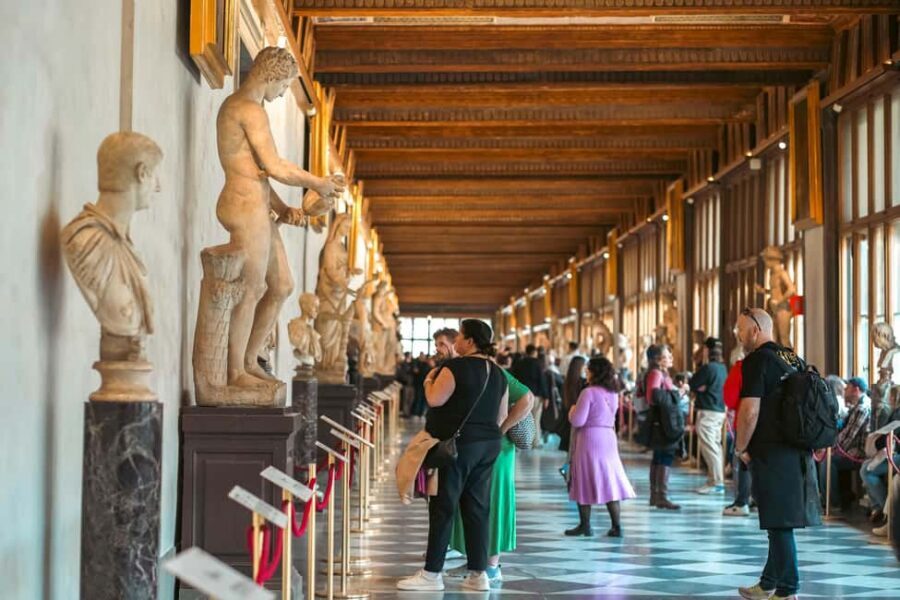
The price here is $82 per person for a 1.5-hour guided visit, plus you get skip-the-line entry and headsets. That sounds steep until you remember two things about the Uffizi: it’s wildly popular, and it’s easy to stand in the wrong place at the wrong time. Paying for this tour buys you time—time you can spend looking, not waiting.
What I especially like is that the experience isn’t just access. You also get a guide and radios/headsets, which matters inside a museum where sound gets swallowed by foot traffic. One reviewer talked about how the devices helped during an unexpected delay, and that’s the kind of practical detail that makes the whole visit less stressful.
You’re also paying for focus. In 90 minutes, you won’t see every painting, every sculpture, and every corner of the building in depth. This tour is designed to hit the must-sees—then leave you free to go back for what grabs you once you’re inside.
So the value question is really: do you want a guided “best hits” pass plus free roaming time afterward? If yes, this can be a smart use of money in Florence.
You can also read our reviews of more tours and experiences in Florence

Meeting in front of Leonardo: how to find your guide fast
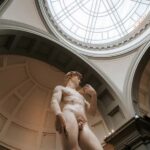
This tour keeps the start point clear. You meet your guide in front of the Leonardo da Vinci statue, right in front of the Uffizi ticket office. Look for your guide holding a white flag that says ENJOY ROME.
That meeting tip matters because the Uffizi area gets chaotic. If you’re arriving right at your time window, you don’t want to waste your first minutes trying to figure out which counter or which entrance applies.
If you’re traveling in a group, this is also the moment to do a quick headcount and agree on a regroup plan. The tour is small (max 9), and the best visits happen when everyone moves together—especially after you clear the security check.
Security check reality: skip the line, not the rules
Even with reserved-entry tickets, you still need to go through security. During peak hours, the wait for that check can be around 15–20 minutes. That’s not something a guide can erase, so the best mindset is: expect a delay before you reach the galleries.
The good news is that the tour’s design helps you avoid the longest, most annoying part of the Uffizi experience: the general ticket line. Once you’re through security, you’re sent toward the museum with the guide and your group.
Also keep this in mind: sometimes delays happen for reasons outside everyone’s control, like medical incidents that temporarily slow entry. The guides here seem to handle that by turning the pause into useful context—talking about the building and Florentine background instead of leaving you standing around with nothing to do.
Practical move: show up a bit early, use the time buffer for bathroom access if you need it, and don’t judge the tour based on how the first 10–20 minutes feel after security.
The 1.5-hour guided route: key works you’ll actually remember
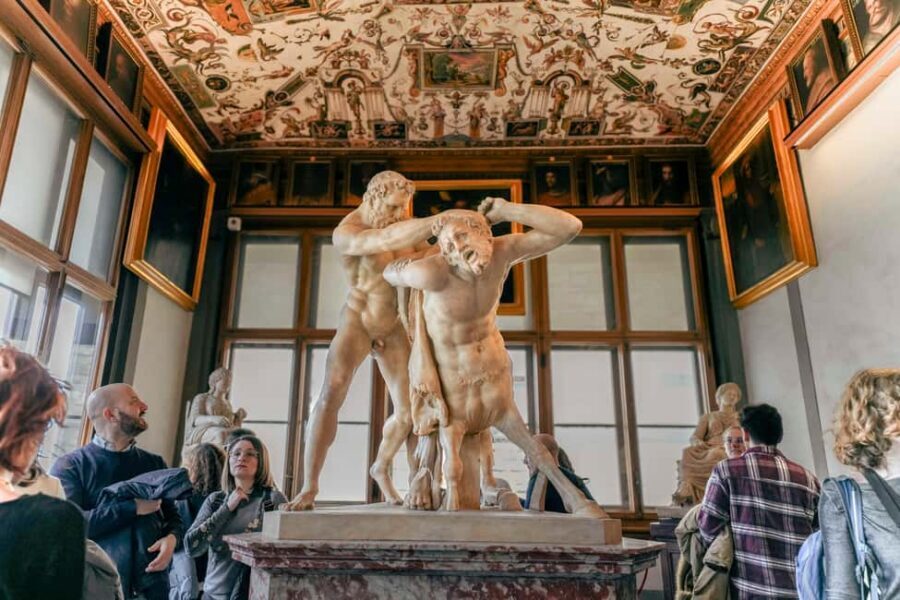
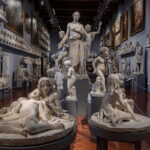
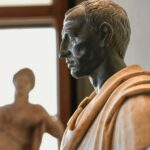
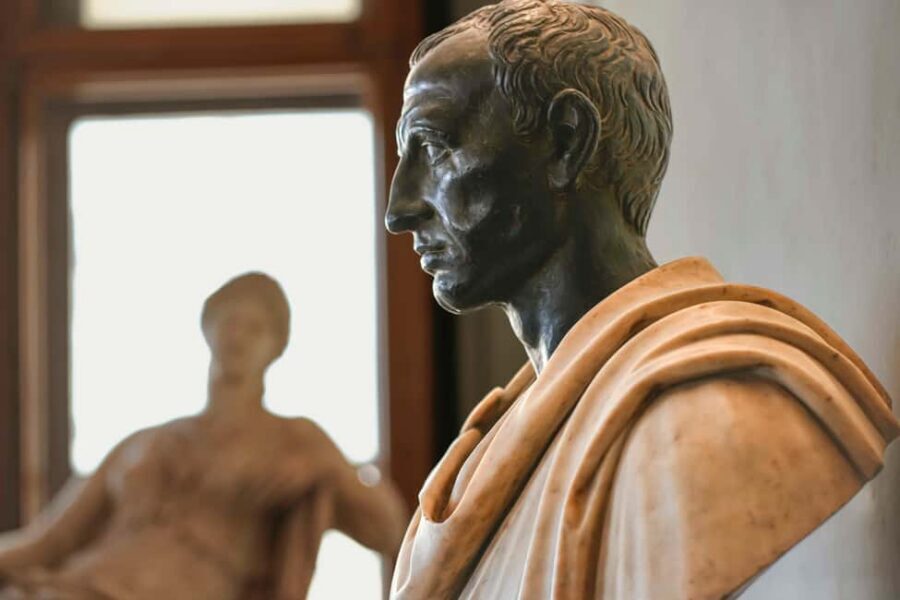
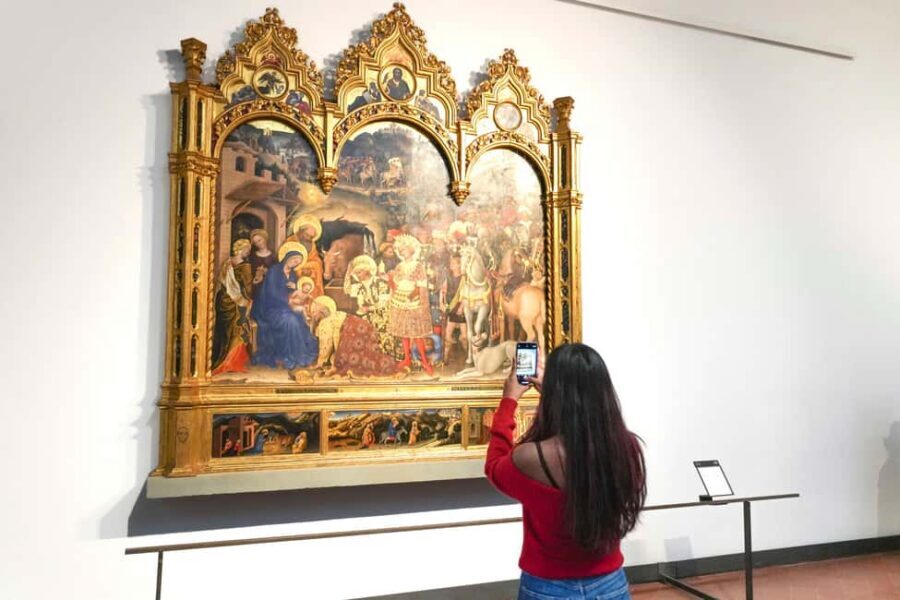
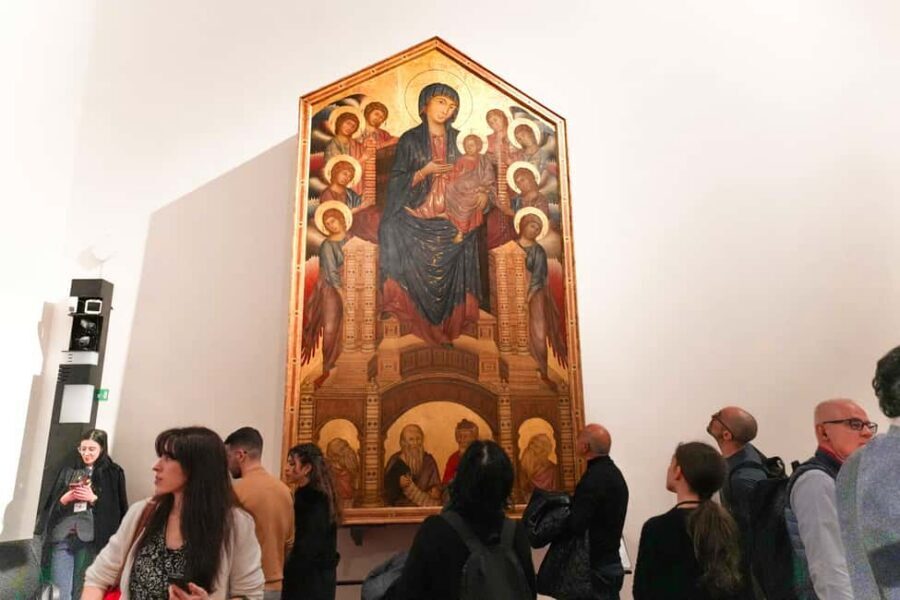
This tour covers art from the Middle Ages through the Renaissance, plus you’ll see how the Uffizi layout connects painting, sculpture, and architecture. Expect ancient statues in the corridors, and don’t ignore that part—those statues help you understand why Renaissance artists looked backward while also trying to innovate.
Botticelli’s Birth of Venus and the Renaissance mindset
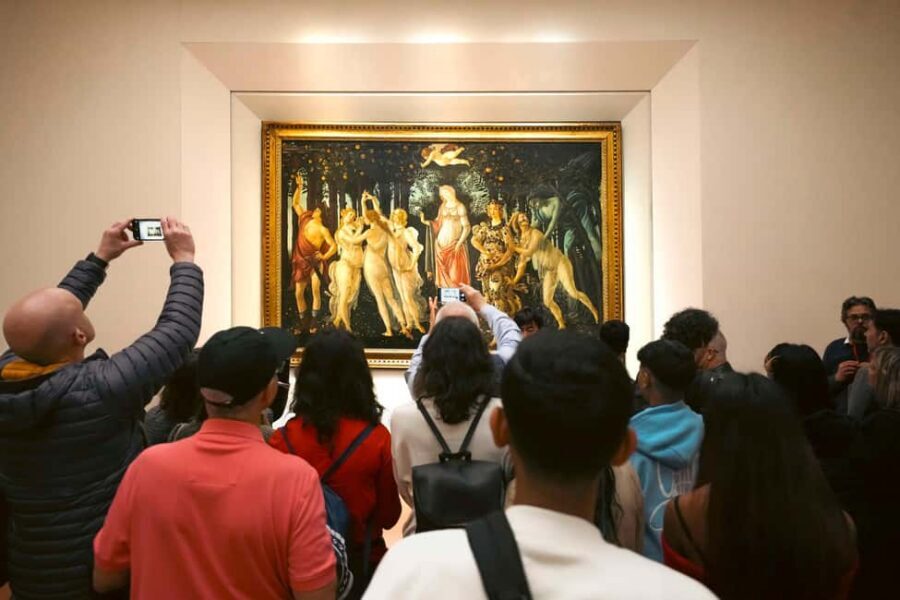
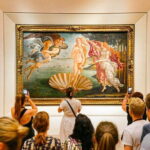
Botticelli’s Birth of Venus is one of the anchors of this tour. A good Uffizi guide doesn’t just point out the famous figure; they explain why this work landed where it did—how Renaissance patrons and artists used myth, symbolism, and style to talk about ideas bigger than the painting itself.
You’ll get more than a quick name-drop here. Multiple guides mentioned in the feedback bring the story together with the surrounding artistic culture, so you’re not just seeing a postcard image—you’re seeing how it fits into a broader shift.
You can also read our reviews of more museum experiences in Florence



Michelangelo’s Doni Tondo: sculpture energy in paint
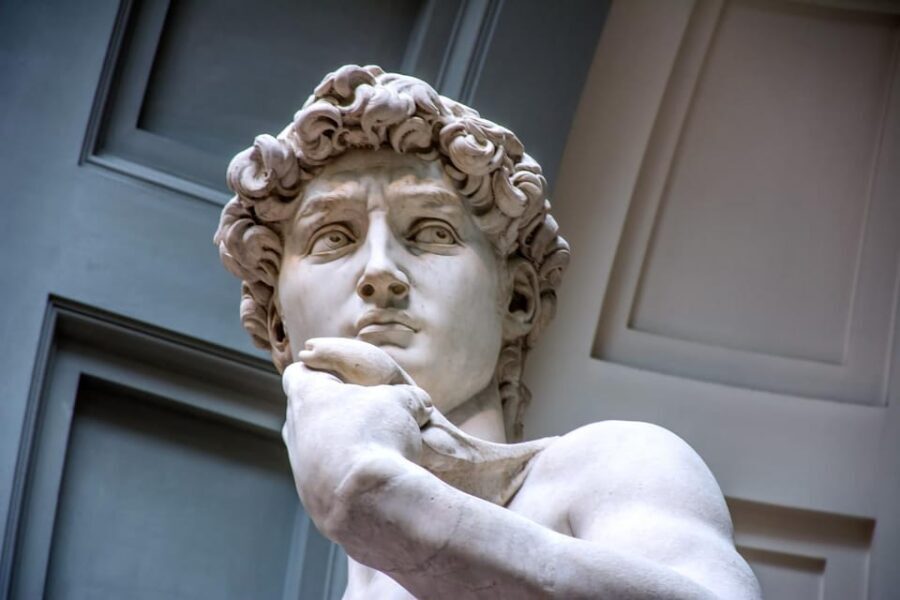
Michelangelo’s Doni Tondo is another highlight you’ll likely meet on this route. Michelangelo’s approach can feel different from Botticelli’s elegance or Da Vinci’s precision, and a strong guide makes those contrasts click. If you’ve ever wondered why Renaissance art can look so alive even when it’s centuries old, this is where the answer starts showing up.
Da Vinci drawings: seeing how thinking looks
The Uffizi also shines in works tied to Leonardo da Vinci, including drawings and paintings. If you’re into process, you’ll appreciate the focus on how artists think and build images. Da Vinci’s drawings especially reward attention—you can often feel the mind at work, not just the finished result.
A reviewer specifically praised how their guide described methods, colors, and the play of light and water—exactly the kind of commentary that makes you look longer instead of walking past.
Caravaggio’s Medusa and the darker edge of later drama
You may also see Caravaggio’s Medusa. That’s a useful contrast point because Caravaggio’s drama pulls the story forward from idealized Renaissance beauty into something more raw and theatrical.
One note: with only 1.5 hours, you’re getting a curated sweep of the best-known works, not a full museum education. One visitor noted that if you want a wider scatter across every sculpture and later works, you’ll want to plan additional self-guided time.
Ancient statues and Vasari architecture: context without boredom
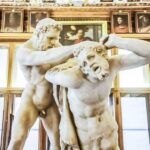
The tour doesn’t ignore the building. Many of the architectural features were designed by Giorgio Vasari, and the corridors where you see ancient statues can act like a visual bridge between epochs.
If you tend to get museum fatigue, this matters. It gives you visual variety while still keeping you on the main “why this matters” track.
Guide styles that really show up in the feedback
The standout thing from the guide feedback is not just that they’re enthusiastic—it’s that their explanations connect to what’s in front of you.
Examples from the names you’ll see tied to strong tours:
- Hillary: praised for deep statue and painting knowledge plus Florentine political context
- Rosanna and Anastasia: praised for engaging pace and guiding you through the key pieces
- Hilaria: praised for making good use of unexpected delays by adding building and Florentine background
- Sylvia: praised for connecting emotionally and describing how painting works
If you’re hoping for more than a script—if you want someone to make you care—this tour has a solid track record.
Headsets and radios: the secret weapon in a crowded Uffizi
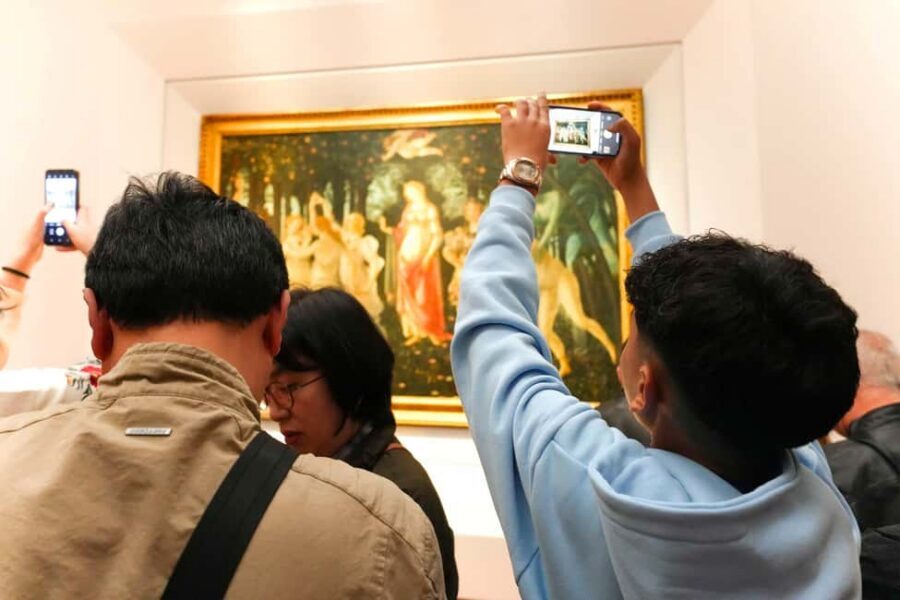
The tour includes radios and headsets, which is a big deal in a museum like the Uffizi. The galleries are full, people stop suddenly for photos, and sound can vanish. With the audio devices, the guide’s voice stays with your group even when you’re moving and even when the room gets noisy.
This also helps you pace yourself. You’re not stuck hovering inches from the guide. You can look at the painting, step aside to read details at your own speed, and still hear the next explanation.
If you’ve ever done a group tour where you spend half your time trying to hear over traffic, you’ll appreciate how much calmer this setup feels.
After the tour: how to use your free time wisely
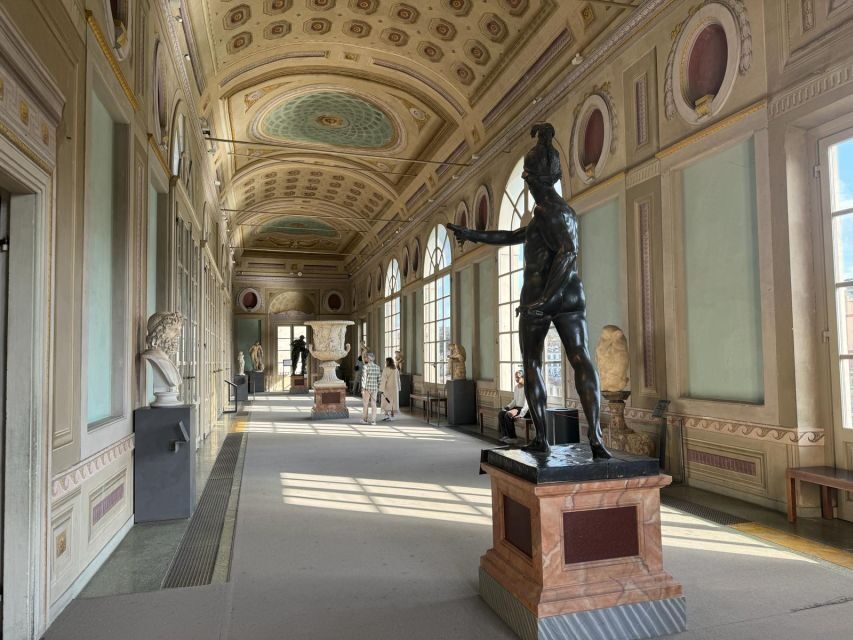
The tour doesn’t end your Uffizi visit. After the guided part, you can explore the rest of the gallery for as long as you like. That’s where you turn a good tour into a memorable day.
Here’s how I’d use that extra time:
- Go back to the painting that grabbed you hardest and see it from multiple angles. In the Uffizi, details often hit differently after you understand the story.
- If you’re a sculpture person, look specifically for additional rooms and corridors beyond the guided highlights. You’ll see more than the tour’s “best hits” list.
- If you’re traveling with kids or teens, use the guided experience to reduce choices, then let them pick what they want to linger at on their own.
Also, build in a buffer. Even if the tour is listed as 1.5 hours, real life happens: security timing, bathroom stops, and crowd flow can shift how long the guided portion feels. That’s another reason the free exploration window is valuable—it gives you room to recover your pace.
Who this tour suits best (and who should think twice)
This tour is ideal if you want:
- A focused highlights pass through major Renaissance and related works
- A small group experience where questions are more likely to get real answers
- A guide who can connect the dots between art, artists, and the larger Florentine story
It’s also a strong choice for visitors who are:
- Short on time in Florence but determined to see the Uffizi’s biggest names
- Not art specialists and want structure so the museum doesn’t feel like noise
- Sensitive to crowds and prefer a smoother, guided way through busy galleries
Who might not love it: if you’re the type who wants a slow, fully deep, room-by-room museum experience, you may feel constrained by the 1.5-hour limit. This is a “high impact” route, not every-corner exploration. If you want that, plan an additional self-guided visit time after the tour—at least another couple of hours, if your schedule allows.
Price and logistics: timing, languages, and what to bring
A few practical facts matter here:
- Duration: 1.5 hours
- Group size: limited to 9 participants
- Languages: Spanish, German, Italian, French, English
- Accessibility: wheelchair accessible
What to bring is simple but important: you need passport or ID card. Also, make sure you enter your full and correct names when booking. Incorrect names can cause ticket issues at entry.
You should also know the tour includes a skip-the-line entrance through a separate entrance, plus the guide and the audio system.
If you’re deciding whether it’s worth it financially, think of the cost as paying for: (1) skip-the-line access, (2) a structured highlights tour, (3) headsets so you don’t lose the guide in noise, and (4) a guided foundation you can build on during your free roaming time.
At $82, it’s not “cheap,” but in a museum with long lines and heavy crowds, it can be a way to buy back hours of frustration.
Should you book this Uffizi reserved-entry VIP tour?
I’d book it if your goal is to see the Uffizi’s top works with less stress and more meaning—especially if it’s your first time. The mix of skip-the-line access, small-group size, and headsets makes the experience feel organized even when the museum is packed.
You should consider a different approach if you want an all-day, slow, fully comprehensive museum crawl, or if you’re trying to cover every single room. This tour is designed for the highlights and then leaves you room to follow your own interests afterward.
My practical call: if you’re in Florence for a tight schedule, do this tour early in your sightseeing plan. Then spend the rest of your time revisiting what you cared about most once you’ve heard the story.
FAQ
Where is the meeting point for the tour?
Meet your guide in front of the Leonardo da Vinci statue, in front of the Uffizi ticket office. Look for a guide holding a white flag with ENJOY ROME written on it.
How long is the guided portion?
The tour is listed at 1.5 hours.
Does this tour include skip-the-line entry?
Yes. It includes skip-the-line entrance tickets and entry through a separate entrance.
What’s included during the tour?
You get skip-the-line tickets, a live guide, and radios/headsets so you can hear the guide clearly.
Do I get time to explore after the guided part?
Yes. After the guided tour, you’re free to explore the rest of the gallery as long as you like.
What languages are available for the live guide?
The live guide is available in Spanish, German, Italian, French, and English.
Is the museum security line always short?
You still go through a security check. During peak hours, the wait for that check is around 15–20 minutes.
What do I need to bring?
Bring a passport or ID card.
Is there a cancellation option?
Yes. There’s free cancellation up to 24 hours in advance for a full refund.
Is wheelchair access available?
Yes. The tour is wheelchair accessible.
You Might Also Enjoy


More VIP Experiences in Florence

More Tours in Florence
- The Best tour in Florence: Renaissance & Medici Tales – guided by a STORYTELLER
★ 5.0 · 12,316 reviews



More Tour Reviews in Florence
- Tuscany Day Trip from Florence: Siena, San Gimignano, Pisa and Lunch at a Winery
★ 5.0 · 21,634 reviews - The Best tour in Florence: Renaissance & Medici Tales – guided by a STORYTELLER
★ 5.0 · 12,316 reviews