REVIEW · FLORENCE
Florence: Timed Entry Ticket to Michelangelo’s David & eBook
Book on GetYourGuide →Operated by Florence Specialists Small Group Tours · Bookable on GetYourGuide
Seeing David up close is a real jolt. This timed-entry ticket gets you into Michelangelo’s Accademia experience with less waiting, plus a downloadable PDF eBook guide to help you move around the museum with confidence. I like that it also nudges you beyond the main photo spot, with access to David’s unfinished nearby works and the museum’s plaster models and instruments.
Two things that stand out fast: the separate entrance for priority admission and the handy PDF guide you can read room-by-room. One drawback to plan around: you must show up right on time for your timed slot, or you risk losing the priority line and sliding into the general queue.
In This Review
- Key takeaways before you go
- Pick up your timed tickets near the Accademia entrance
- Timed entry: what it means in the real world
- Meeting Michelangelo’s David: the main hall moment
- Beyond the main statue: unfinished masterpieces and the Gipsoteca
- Painting galleries: Giotto and Botticelli, plus medieval scale
- How long to plan: pacing a crowded, not-too-big museum
- Price and value: $37 and the tradeoffs
- Who this ticket fits best (and who should reconsider)
- Should you book? My call
- FAQ
- How do I get my paper ticket and download the eBook?
- Does this ticket include a tour guide?
- Is the entry really timed, and what happens if I arrive late?
- What do I see besides Michelangelo’s David?
- Can I store luggage during my visit?
- Is the museum wheelchair accessible?
- Are pets allowed?
Key takeaways before you go
- Skip-the-line, timed entrance via a separate route, not the slow ticket office crush
- PDF eBook guide (multiple languages) to help you navigate without a live guide
- More than David: unfinished sculptures, Gipsoteca plaster models, and Medici-era instruments
- Crowd reality check: security can still cause slight delays at peak times
- Easy pickup at the Florence Specialists office near the Accademia area
- Timed entry isn’t optional: late arrival can mean waiting with everyone else
Pick up your timed tickets near the Accademia entrance
The biggest practical win here is how close the ticket exchange office is to the museum. You don’t need a complicated scavenger hunt. In plain terms: you exchange your voucher for a paper ticket at the Florence Specialist Office Meeting Point, then you download the eBook from there too.
A few reviews point out that staff are used to helping people figure out which line to join, which matters because the Accademia area can feel confusing once crowds build. You’ll also want to keep an eye on the clock during pickup. Your ticket has a scheduled entrance time, and the whole point is you’re arriving with the correct momentum, not bargaining for entry later.
Also note what’s included: luggage storage. If you’re traveling with a bag that’s too big for comfortable museum hopping, this can save you from awkward carry-all wrestling.
You can also read our reviews of more tours and experiences in Florence

Timed entry: what it means in the real world
“Skip the line” sounds nice, but here’s how to think about it: your reserved admission gives you access through a separate priority entrance, so you’re not stuck in the biggest queues. You’re still entering in a managed flow because the museum regulates access when it gets crowded inside.
That means two things for your plan:
- Arrive on time, because your reserved entry time is tied to your priority status. If you’re late, you may lose priority and end up in the general admission line.
- Expect that at high visitor traffic, security can slightly delay entry. This is not unique to this ticket, but it’s still worth factoring into your day.
One more detail that makes a difference: your timed ticket is only valid for the selected time. So if you’re also doing other sights that day, don’t stack appointments right before your slot. Give yourself breathing room. Florence has a talent for turning “quick walk” into “suddenly it’s a different street.”
Meeting Michelangelo’s David: the main hall moment
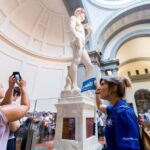
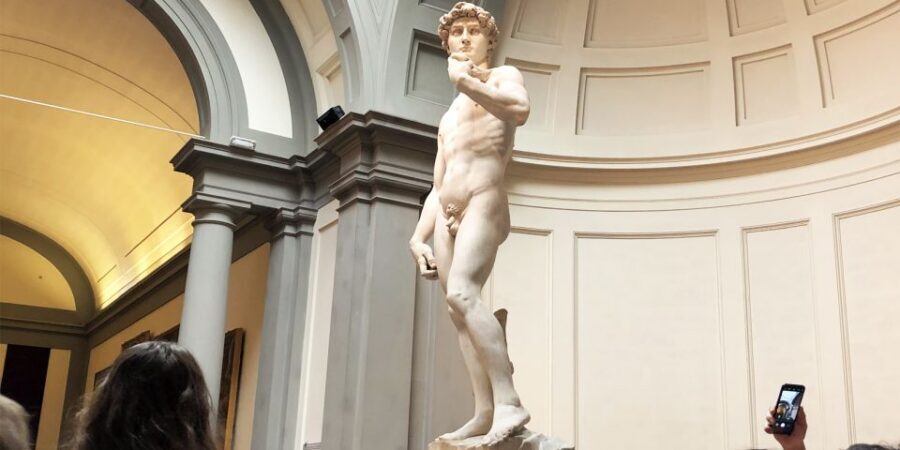
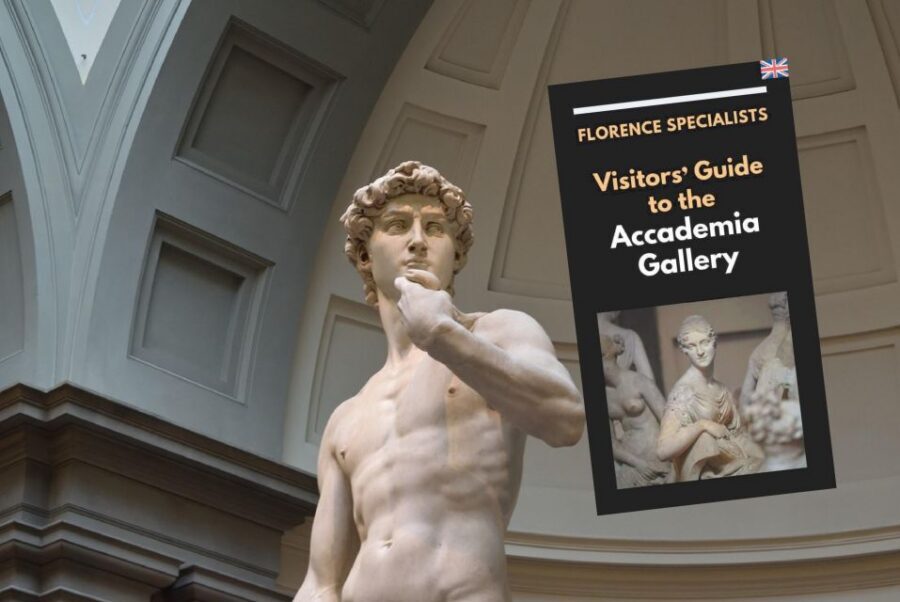
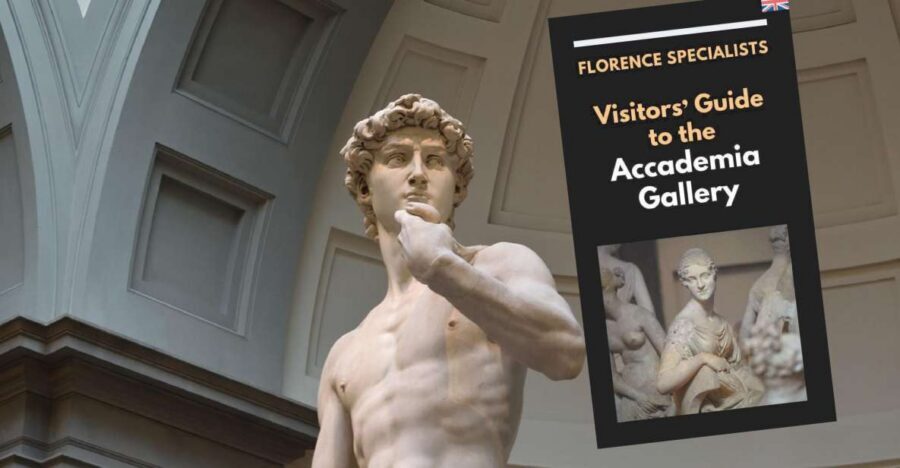
Once you’re inside, your first target is the main hall for Michelangelo’s David. This is where the experience earns its reputation. It’s not just that the statue is famous—it’s that the details read differently in person. You catch the precision of the work, not just the overall silhouette.
David is high enough that you can still see well even with people in front, though the rooms can get packed. The museum is smaller than some mega-museums, but the Accademia can still feel crowded because the building funnels visitors into the same few zones.
Practical tip: don’t rush to your photo spot and then leave. Take a minute to look from a few angles. The statue is positioned so you naturally keep turning your head as you notice different features. If you’re traveling with someone who wants to keep moving, you can still do that—just give yourself a short window to actually look, not just stop.
Beyond the main statue: unfinished masterpieces and the Gipsoteca
Here’s where this ticket makes real value for art lovers. You’re not limited to one sculpture and a quick exit.
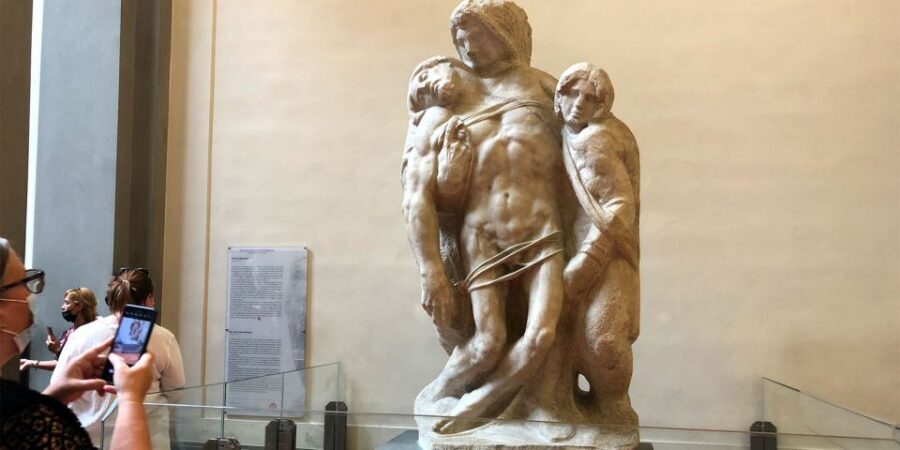
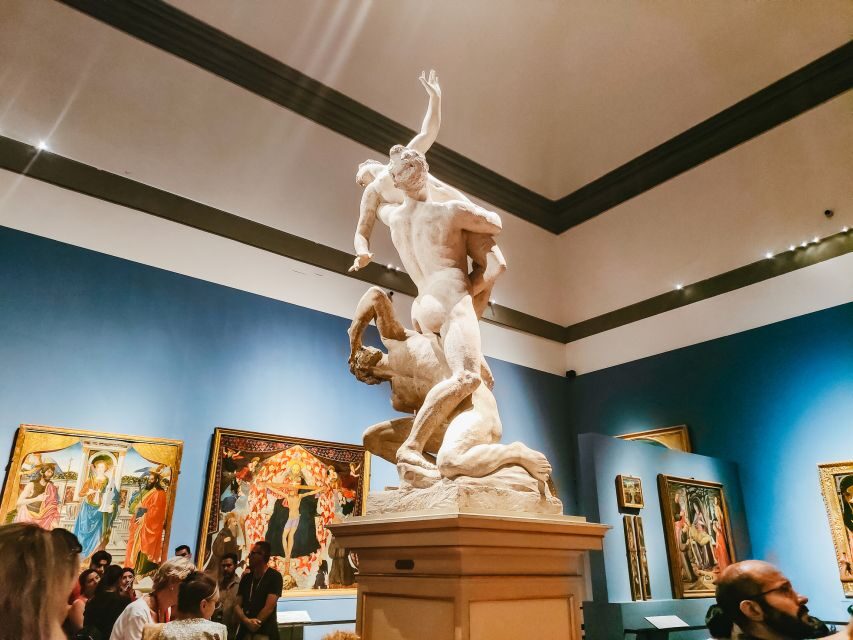
Michelangelo’s other works are part of the experience too, including pieces that still show chisel marks. Seeing “unfinished” work in the same space as the finished icon changes how you interpret the process. It’s like stepping behind the curtain and noticing how craftsmanship and planning overlap.
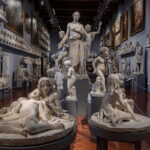
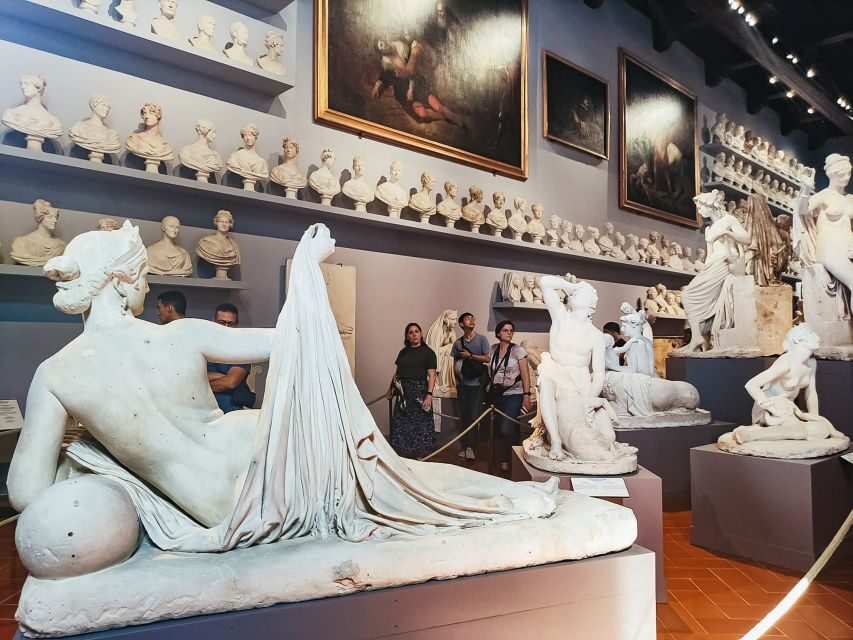
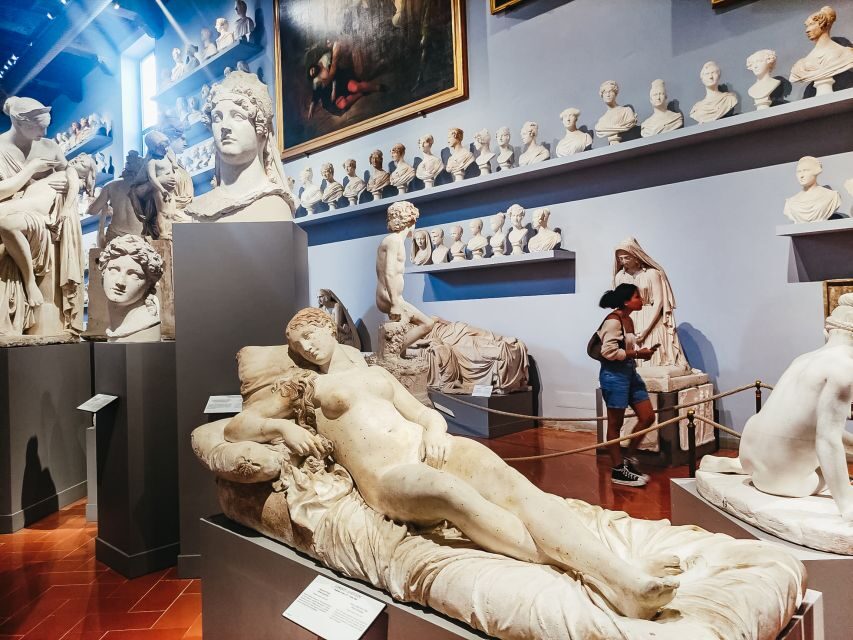
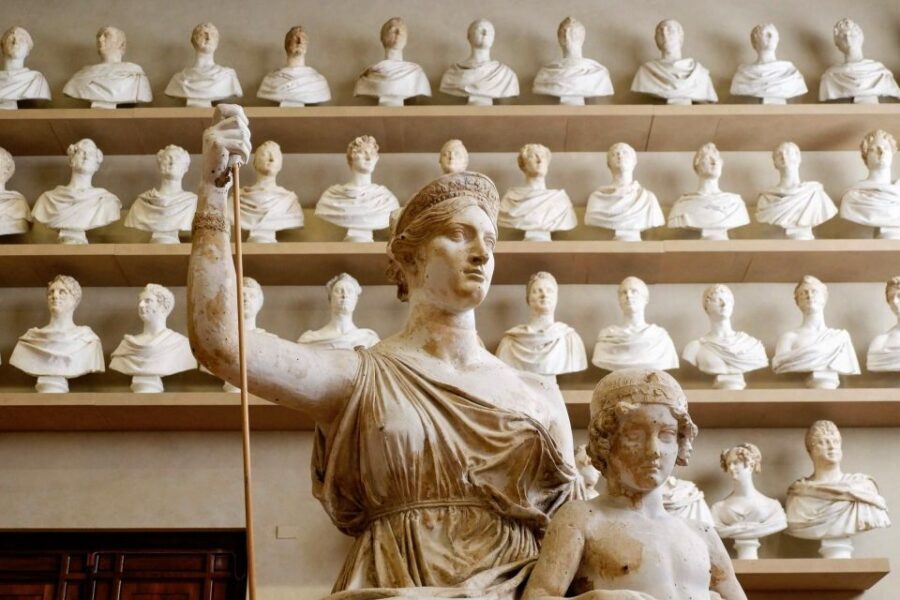
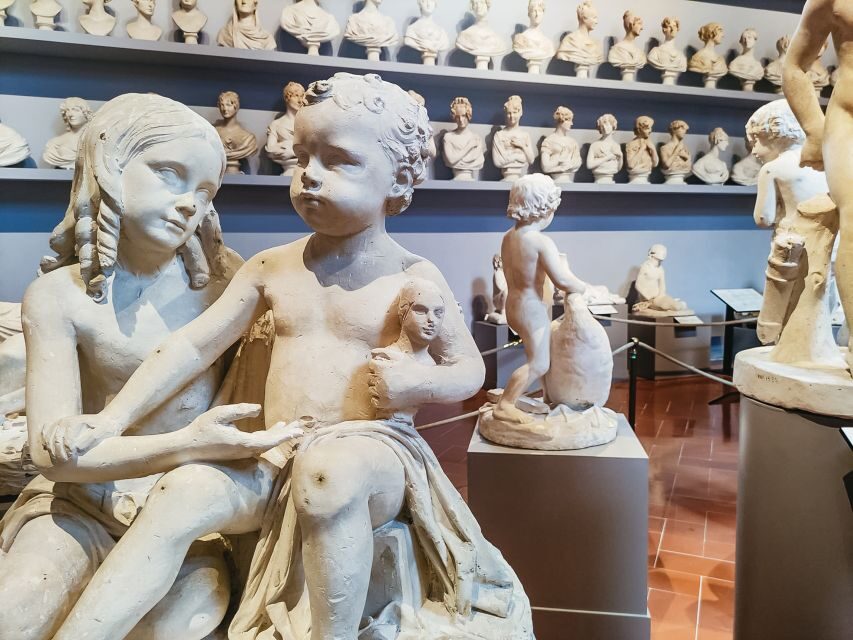
Then head into the Gipsoteca, which houses original plaster models created by 19th-century Florentine sculptors. These models help you understand how artists studied form and proportion. If you enjoy sculpture that feels like it’s built in layers—ideas, sketches, models, final stone—this section gives you that in a practical, visual way.
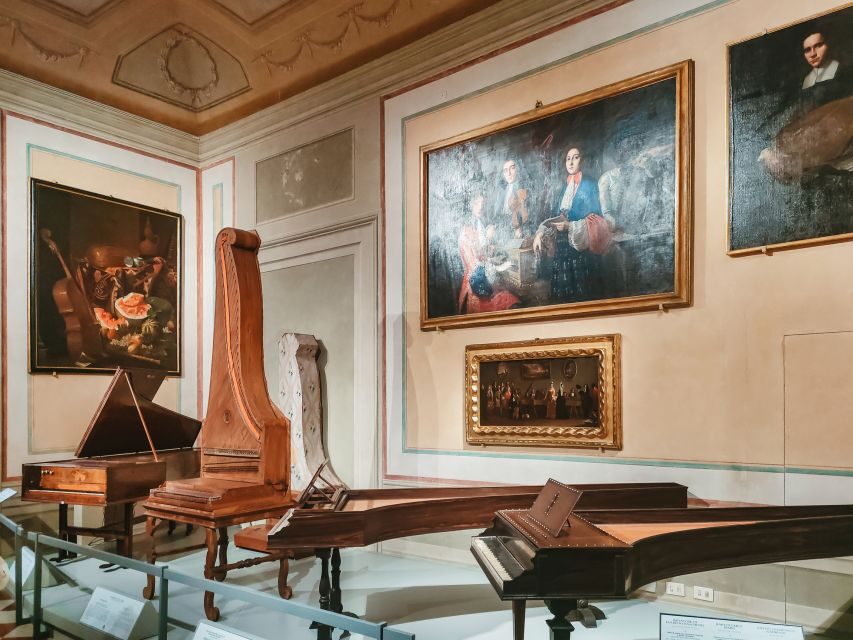
And don’t skip the musical instruments connected with the Medici. The museum includes instruments made by Stradivarius (three made by Stradivarius are mentioned), which is a nice left turn from marble and bronze. It gives you a sense of Medici taste beyond patronage of visual art—culture as a whole system.
Painting galleries: Giotto and Botticelli, plus medieval scale
After the sculpture-heavy highlights, the Accademia shifts gears into painting. You’ll find galleries with medieval and Renaissance works, including artists like Giotto and Botticelli.
The best way to use this section is to think of it like a change of pace, not a separate museum mission. Your eyes have been trained on three-dimensional form. Now you’re reading paintings—composition, color, and storytelling. If you want your visit to feel smooth rather than tiring, give yourself permission to slow down here. A focused look in just a handful of rooms beats sprinting through everything.
One more reason to keep moving upward: the top floor holds huge medieval altarpieces. If you’ve only seen small-scale religious paintings elsewhere, these big altarpieces can feel like a different genre. They’re imposing in scale, and that scale changes how you experience the imagery.
- Tuscany Day Trip from Florence: Siena, San Gimignano, Pisa and Lunch at a Winery
★ 5.0 · 21,634 reviews



How long to plan: pacing a crowded, not-too-big museum
Most visitors don’t need a full day inside the Accademia. In fact, some people describe it as a shorter visit that can be comfortably done in around an hour to a couple of hours, depending on how long you linger.
So plan for:
- Enough time to reach David without stress
- Time to see unfinished works and the Gipsoteca (these are easy to miss if you only chase the main statue)
- A block of time for the painting floors
If you’re there early in the day, you’re more likely to have smoother spacing between rooms. If you go late, you might still enjoy it, but you’ll feel the museum’s crowd rhythm more strongly—people naturally gravitate to the same pieces.
My practical advice: treat your visit like a loop. Go David first, then unfinished works and sculpture context, then paintings and the top-floor altarpieces. That flow keeps your energy consistent and reduces backtracking.
Price and value: $37 and the tradeoffs
At about $37 per person, this ticket sits in the “worth it if it saves you time” category. You’re paying for two things:
- Access through timed priority entry that reduces waiting
- A downloadable eBook guide to help you read and navigate efficiently
Is it cheaper than buying direct from the museum? One review notes an upcharge around 15 euro compared with ordering direct. That’s the main tradeoff to be honest about.
So here’s how I’d judge value for you:
- If the official website is sold out for your date or you can’t get a slot that fits your day, this can be a smart fix.
- If you’re flexible and can buy direct easily for the same time, you might pay less by going through the museum.
- If you hate waiting in lines, or you have a tight schedule, paying the extra can feel like buying time and sanity.
Also keep in mind: even with timed entry, the museum can still manage access during busy periods for security. The ticket helps with the biggest queues, but it doesn’t change the fact that Florence attracts crowds.
Who this ticket fits best (and who should reconsider)
This experience is a strong fit if you:
- Want Michelangelo’s David and also care about what’s around it
- Prefer self-paced museum time, with a guide you can read at your own speed
- Like having context in your pocket, not just signage on the wall
- Need luggage storage and a straightforward entry system
It may be less ideal if you:
- Want a full narrated, in-person tour of every artwork (a tour guide is not included here)
- Plan to arrive whenever, with no concern for timing. Timed entry only works if you respect your slot.
It’s also wheelchair accessible, and pets are not allowed.
Should you book? My call
Yes, I’d book it if David is a top priority and you want to spend your time looking instead of waiting. The combination of timed priority entry, a convenient pickup near the Accademia area, and the PDF eBook guide makes this feel practical, especially when plans shift last minute.
I’d think twice only if you’re comfortable buying direct and you can clearly get the exact time you want without stress. If you can do that, you may save money. But if sold-out access, short schedules, or line fatigue are your reality, this ticket is a very solid way to protect your day.
FAQ
How do I get my paper ticket and download the eBook?
You’ll exchange your voucher for a paper ticket and download the PDF eBook at the Florence Specialist Office Meeting Point.
Does this ticket include a tour guide?
No. A tour guide is not included. You’ll explore on your own using the provided PDF museum booklet.
Is the entry really timed, and what happens if I arrive late?
Yes. The timed entry is valid for your selected time window through the priority entrance. If you arrive late, you may lose priority and need to wait in the general admission line.
What do I see besides Michelangelo’s David?
You can also see Michelangelo’s other works, including pieces with chisel marks, the Gipsoteca plaster models, Medici musical instruments (including Stradivarius), and painting galleries with artists such as Giotto and Botticelli, plus large medieval altarpieces on the top floor.
Can I store luggage during my visit?
Yes. Luggage storage is included.
Is the museum wheelchair accessible?
Yes. The experience is listed as wheelchair accessible.
Are pets allowed?
No. Pets are not allowed.
You Might Also Enjoy


More Tickets in Florence

More Tour Reviews in Florence
- Tuscany Day Trip from Florence: Siena, San Gimignano, Pisa and Lunch at a Winery
★ 5.0 · 21,634 reviews - The Best tour in Florence: Renaissance & Medici Tales – guided by a STORYTELLER
★ 5.0 · 12,316 reviews