REVIEW · FLORENCE
Florence: Whispers of the Renaissance walking tour
Book on Viator →Operated by Italy Pass tours · Bookable on Viator
Skip the line and get your bearings fast. This 1-hour Accademia Gallery tour is designed to steer you straight to the real stars of the Renaissance, with a licensed guide and radios/headsets to keep the story clear even when the museum is crowded.
I especially like the skip-the-line entry. It saves your time for what matters most in the hall—Michelangelo’s David and the surrounding works and themes.
The other big win for me is the mix of artists and objects: you’ll see major highlights tied to Botticelli, Ghirlandaio, Giambologna, plus musical instruments, so the visit feels like more than a one-piece photo stop. The main thing to consider is that in busy moments the audio can be unreliable for some groups, so if you’re sensitive to sound quality, you’ll want to keep your headset adjusted and positioned well.
In This Review
- Key things to know before you go
- A 1-Hour Renaissance Primer in the Accademia
- Skip-the-Line Entry: the real value at the Accademia
- Meeting at Via de’ Pucci: how to find the group cleanly
- Inside the Accademia: David plus the artists behind the fame
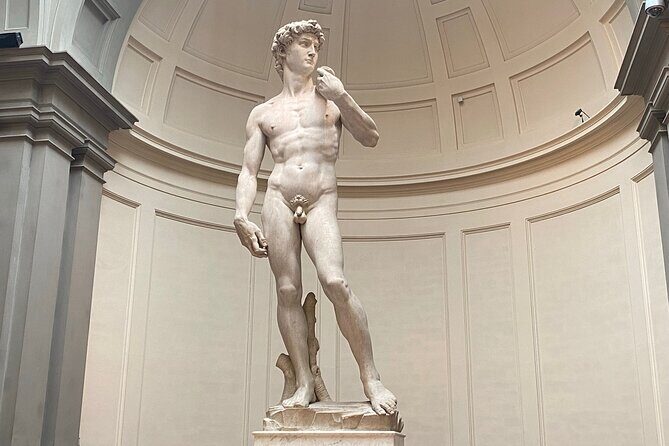
- Michelangelo’s David as the anchor
- Botticelli and Ghirlandaio: why paintings matter here
- Giambologna and sculpture detail
- Musical instruments: a surprising Florence context stop
- What you might notice on your own
- How the headset radios change the experience
- Choosing your guide: names you may hear
- How to get the most from a short museum visit
- Price and value: $36.20 for an art guide plus access
- Best fit: who should book this tour
- Should you book Florence Whispers of the Renaissance?
- FAQ
- How long is the Florence Whispers of the Renaissance walking tour?
- Is skip-the-line entry included for the Accademia Gallery?
- What’s included in the tour?
- Where does the tour start and end?
- Is the tour offered in English?
- What is the cancellation policy?
Key things to know before you go
- Skip-the-line Accademia entry saves time when the lines are long.
- Headsets and radios help you follow the guide’s explanations in a crowd.
- Renaissance coverage beyond David includes Botticelli, Ghirlandaio, and Giambologna.
- Musical instruments stop adds a surprising “culture context” layer to the art.
- Small-group cap (25) keeps the pacing manageable for a 1-hour tour.
A 1-Hour Renaissance Primer in the Accademia
This is a short, focused Florence tour. About an hour is not much time if you’re the type who likes to linger room to room. But that’s exactly why it works: the guide does the sorting for you.
The Accademia can overwhelm you fast. David is the headline, sure, but once you’re inside you’re surrounded by dozens of reasons to keep looking. A guide helps you connect what you’re seeing to why it mattered. And because this runs with a licensed guide and audio support, you’re not stuck doing silent guesswork at full museum volume.
The pace is also a practical match for a first or last-day Florence visit. If you’re trying to fit in more than one major stop, this gives you a tight “art + context” hit without eating your whole day.
You can also read our reviews of more walking tours in Florence

Skip-the-Line Entry: the real value at the Accademia
At the Accademia, time is the currency. A skip-the-line format matters because lines and ticketing slow you down right at the moment you want to see David.
What makes this tour feel like good value is that it doesn’t just promise access. It also reduces friction at the start: you meet at Via de’ Pucci 37 and get handled by the tour team so you can move toward the gallery faster. For a museum that people plan around, that’s a big deal.
You’re also paying for a human brain in the room. In one hour, you want more than a quick walk-through. The guide’s explanations help you notice details you might otherwise miss, especially in sculptures and paintings where the “why” can be as important as the “what.”
Meeting at Via de’ Pucci: how to find the group cleanly
The start point is Via de’ Pucci, 37 (50122 Firenze FI). You enter to the ITALY PASS STORE at that address. Then you’ll proceed to the Accademia, where the tour ends at Galleria dell’Accademia di Firenze, Via Ricasoli 58/60 (open in Google Maps).
Here’s the practical advice: arrive early enough to avoid last-minute stress. One drawback that shows up in the tone of feedback for similar experiences is that the tour can move on schedule, and it only takes a few minutes of delay to get left behind. If you’re running late, you’ll want to communicate immediately.
Also, pay attention to how you identify the guide. Some groups have had trouble spotting the sign at the meeting point. If you show up a little early, you’ll have time to confirm you’re in the right place, without wasting precious morning minutes.
Inside the Accademia: David plus the artists behind the fame
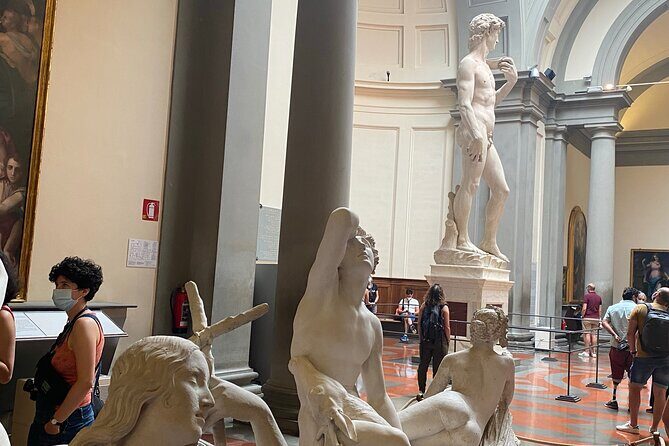
When you walk into the Accademia with a guide, the difference is not subtle. You’re not just seeing David; you’re seeing David in the bigger Renaissance story.
Michelangelo’s David as the anchor
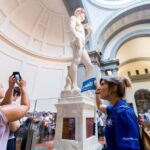
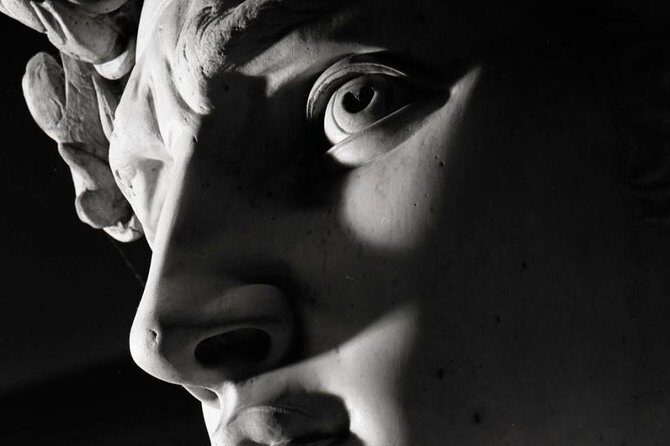
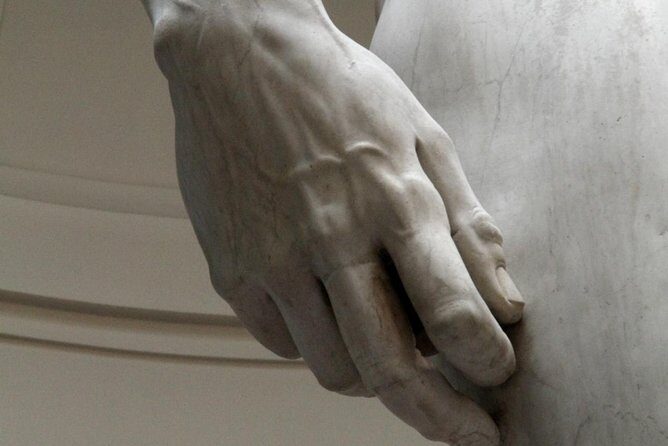
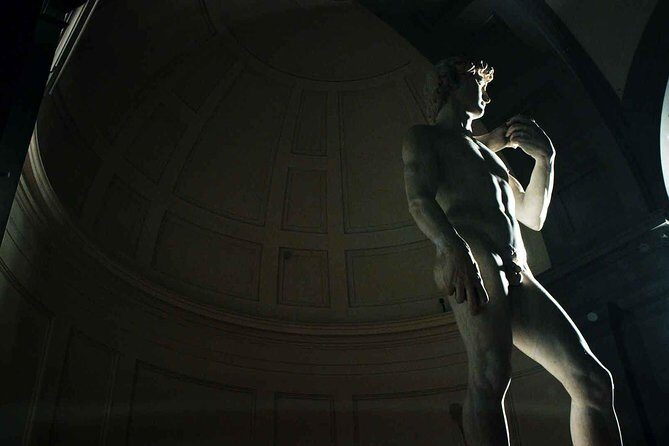
David is the centerpiece, and most guides build the tour around how to look at it. In practice, that means you’ll get help understanding the sculpture’s impact and what makes it powerful in person—scale, expression, and the way Michelangelo crafted the form so it reads as both human and symbolic.
Some guides also end near David, which is smart. It gives you a moment to step back, take in the full sculpture, and then continue at your own pace if you still want more time.
- Tuscany Day Trip from Florence: Siena, San Gimignano, Pisa and Lunch at a Winery
★ 5.0 · 21,634 reviews


Botticelli and Ghirlandaio: why paintings matter here
You’ll also explore masterpieces connected to Botticelli and Ghirlandaio. Even if you’re not a dedicated art scholar, a guide can help you connect these works to the Renaissance mindset—how artists shaped ideas through line, color, and composition.
The best use of this part is simple: don’t rush. Even in an hour-long tour, spend a few extra seconds on composition choices the guide calls out. That’s where the meaning shows up.
Giambologna and sculpture detail
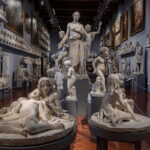
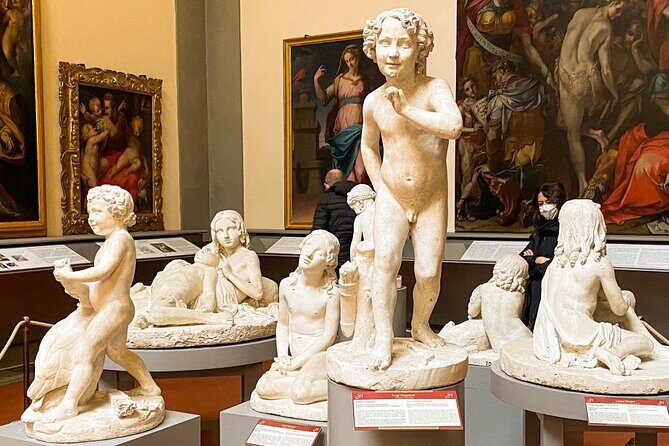
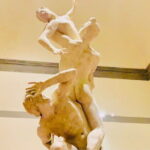
Then there’s Giambologna. Sculpture in the Accademia isn’t just about one famous figure. It’s about how different artists treated movement, surface, and drama.
If you like seeing how carving choices change how light hits the work, this section is a great payoff. In sculpture, those tiny shifts in angle and texture can make a huge difference.
Musical instruments: a surprising Florence context stop
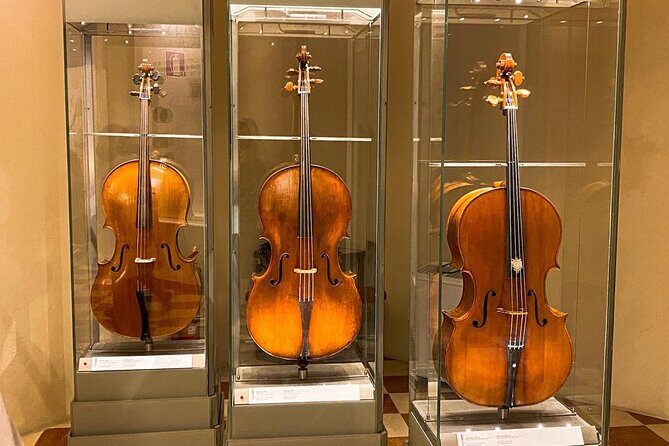
The tour also includes musical instruments. That’s not what most people expect when they book an art tour, and it’s part of why this experience feels more rounded than a “one-room sprint.”
In a single hour, you don’t get a full music-history course. But you do get a cultural thread: Renaissance art wasn’t created in a vacuum. It was part of a wider world of ceremony, performance, and status.
What you might notice on your own
Even with a guided plan, you’ll still do some independent looking. When headsets work well, you can listen for a minute, step back to compare what the guide said with what your eyes see, then move on. That rhythm makes the museum feel less like an assembly line.
How the headset radios change the experience
This tour includes radios and headsets, and it matters more than you might think. In a crowded museum, your best chance of enjoying a guided explanation is actually hearing it clearly.
In most cases, the headset setup improves the experience a lot. You can keep your eyes on the art instead of searching for the guide’s face across a room. Some guides have handled bigger groups well with the audio system, which helps you stay oriented without constantly elbowing for a better view.
The one caveat: for some groups, the device audio has broken up at times. If that happens to you, fix the fit. Adjust the headset and make sure it’s seated properly, then stay close enough to hear without straining. A quick posture change can solve what feels like a technical problem.
Choosing your guide: names you may hear
The biggest difference in a museum guide is the storytelling style: how they pace, what they choose to emphasize, and how they connect art to life.
From past experiences tied to this tour, these names have come up: Darryl, Olga, Mary, Francesca, and Professor Amadeus. The common thread across those examples is that the best guides treat David and the surrounding works like living art—not just objects behind glass. They also explain enough background to make the sculptures and paintings feel more personal.
You can’t pick the guide in advance based on the data you have here. But you can pick your role: show up ready with curiosity, and ask questions if your guide invites them. In a short tour, questions can be the difference between polite listening and real understanding.
How to get the most from a short museum visit
A one-hour museum tour is a sprint with a brain. You won’t see everything in the museum. The payoff is that you’ll leave knowing where to look next—or what to admire without guessing.
Here’s how I’d use your time if you want maximum value:
- Focus on the guide’s “anchor moments.” If the guide holds attention on David or a key sculpture, that’s usually where the tour is designed to land.
- Use the headset to free your eyes. Listen, then step back. Compare the description to what’s visible. Don’t just move forward because the group moves forward.
- Leave space for a second look. This tour is about getting context first. After the tour, if you want more, linger near the works you found most compelling.
Also, keep in mind that the Accademia can be busy. Even with a small group cap, density can affect your comfort. If you’re claustrophobic or easily overwhelmed in crowds, you may want to plan extra patience on the day.
Price and value: $36.20 for an art guide plus access
At $36.20 per person for about one hour, this isn’t the cheapest way to visit. But it’s not aiming for “cheap and quick.” It’s aiming for a guided experience that removes two common time-wasters:
1) Line/ticket friction at entry
2) Meaning friction once you’re inside
You also get audio support (radios/headsets) and a licensed guide, plus the tour is capped at 25 travelers, which generally helps keep the explanation audible and the pacing controlled.
Where you might feel the cost is when you’re the type who enjoys museums on your own, slowing down for hours. If that’s you, you may prefer a self-guided ticket. But if you want a smart, efficient introduction to the Accademia with the right “what you’re looking at and why” context, the price can start to feel fair fast—especially because the time saved from skipping the line is real.
Best fit: who should book this tour
This tour is a strong choice if you fall into any of these categories:
- You want Michelangelo’s David with context, not just photos.
- You’re juggling time and want a single, high-impact museum experience.
- You appreciate a guide who can connect artists like Botticelli, Ghirlandaio, and Giambologna into one understandable thread.
- You’d rather hear stories through headsets than strain to catch a voice in a crowded hall.
It’s also a good option if you like structure. With an hour schedule, you get a plan without having to map the museum yourself.
Should you book Florence Whispers of the Renaissance?
I’d book it if your main goal is to see David and walk away understanding more than the obvious. The combination of skip-the-line entry, licensed guiding, and radios/headsets is built for people who want a smooth museum visit without wasting their best time in Florence standing in line.
I’d think twice if you need lots of quiet and space for long looking, because this is short and guided, not open-ended wandering. And if you’re very sensitive to audio quality, plan to adjust your headset and stay close enough to the guide’s speaking position.
If you want a tight Renaissance hit in the Accademia—and you like the idea of leaving with names, themes, and a stronger sense of what you just saw—this is a smart booking.
FAQ
How long is the Florence Whispers of the Renaissance walking tour?
The tour runs about 1 hour.
Is skip-the-line entry included for the Accademia Gallery?
Yes. The tour includes skip-the-line entry to the Accademia Gallery.
What’s included in the tour?
You get a licensed guide and radios/headsets.
Where does the tour start and end?
It starts at Via de’ Pucci, 37, 50122 Firenze FI, Italy (Italy Pass Store) and ends at Galleria dell’Accademia di Firenze, Via Ricasoli, 58/60, 50129 Firenze FI, Italy.
Is the tour offered in English?
Yes. The tour is offered in English.
What is the cancellation policy?
You can cancel for a full refund if you cancel up to 24 hours in advance. If you cancel less than 24 hours before the start time, you won’t get a refund.
You Might Also Enjoy




More Walking Tours in Florence

More Tours in Florence
- The Best tour in Florence: Renaissance & Medici Tales – guided by a STORYTELLER
★ 5.0 · 12,316 reviews


More Tour Reviews in Florence
- Tuscany Day Trip from Florence: Siena, San Gimignano, Pisa and Lunch at a Winery
★ 5.0 · 21,634 reviews - The Best tour in Florence: Renaissance & Medici Tales – guided by a STORYTELLER
★ 5.0 · 12,316 reviews