REVIEW · FLORENCE
Museo di San Marco in Florence: Beato Angelico, Savonarola and the Medicis
Book on Viator →Operated by Florence Tours by Made of Tuscany · Bookable on Viator
San Marco has a hush you can feel. This private visit to Florence’s Museo di San Marco pairs Fra Angelico’s art with the convent spaces where key 15th-century figures lived and worked.
What I especially like is how this tour gives you a focused walkthrough of the complex’s major zones, instead of treating it like just another museum stop. You’ll also get pre-booked entrance tickets so you’re not burning time at the door. One thing to consider: on days when museum hours change (like Mondays), you need to confirm details so your schedule doesn’t get squeezed.
The convent setting is the real magic here. You’re not just staring at paintings—you’re seeing the cells, cloisters, and church space that shaped how the art was used and experienced. And when the guide is strong, the explanations can make the works feel much more personal, like they’re speaking directly to the room.
The main drawback is simple: the whole experience depends on the quality of the guide’s English and clarity. If that’s a concern for you, it’s worth double-checking the guide assignment expectations when you book.
In This Review
- Key highlights worth your attention
- A quieter Florence lesson: why San Marco feels special
- Meeting at Piazza San Marco: how to start without wasting time
- Inside the Museo di San Marco: five parts, one story
- The church: where art meets space and silence
- The convent: the daily world behind the artwork
- The facade: a clue to the Medici-era vision
- First and second cloister: the slow-moving center of the place
- Fra Angelico’s paintings: what to look for during the tour
- Savonarola and the Medici links you won’t get elsewhere
- Tickets, pacing, and whether 2 hours is enough
- Who this private San Marco tour fits best
- A real-world planning tip: check hours if you’re going on a Monday
- Should you book Museo di San Marco with this guide?
- FAQ
- Where is the tour meeting point?
- How long does the Museo di San Marco tour take?
- Is the entrance ticket included?
- Is this a private tour?
- What’s included in the price?
- Is cancellation free?
Key highlights worth your attention
- Fra Angelico’s art in its original convent context, not as a detached “masterpiece gallery” stop
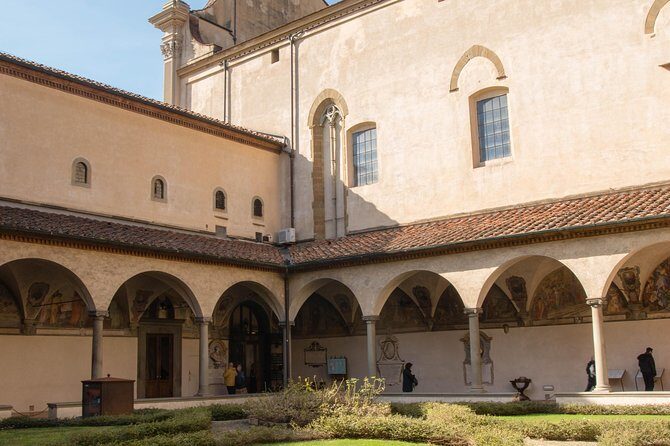
- Five parts of the complex, including the church and both the first and second cloisters
- Savonarola’s cells, which give a human scale to the reformer’s presence at San Marco
- Renaissance Library of Pope Leo X, a standout stop if you like rooms with purpose
- Private group format, so your guide can slow down and answer questions
- Pre-booked entry tickets, helping you avoid long waiting at the entrance
A quieter Florence lesson: why San Marco feels special
Florence can be loud—crowds, scooters, tour buses doing their own soundtrack. San Marco is different. Even before you reach the key rooms, the complex’s layout and atmosphere signal that you’re walking inside a lived-in world. That matters because the museum is more than a collection of art. It’s an architectural setting tied to devotion, study, and politics in the 1400s.
This tour’s strength is that it treats San Marco as a full place, not a checklist. You’ll visit the church, the convent, the facade, and then move through the first and second cloister. That structure helps you understand why Fra Angelico’s paintings didn’t exist “in a vacuum.” They were designed for this specific environment and the daily rhythm around it.
You can also read our reviews of more tours and experiences in Florence.
- Tuscany Day Trip from Florence: Siena, San Gimignano, Pisa and Lunch at a Winery
★ 5.0 · 21,634 reviews

Meeting at Piazza San Marco: how to start without wasting time
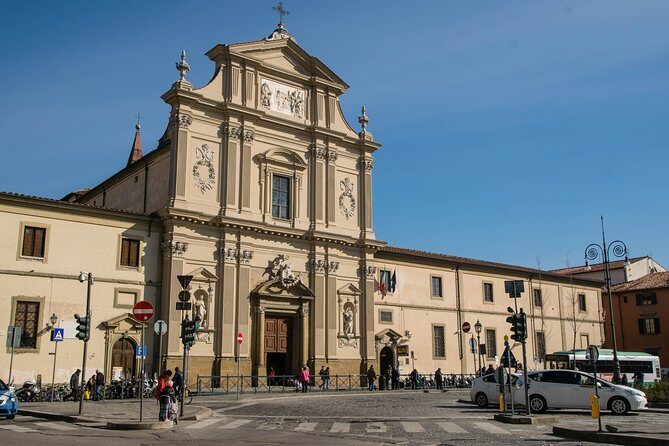
You meet at Piazza San Marco, Firenze FI, Italy, and the tour ends back at the same spot. That’s convenient if you’re building a day around nearby sights, since you’re not forced into a one-way transfer to another neighborhood.
Because there’s no hotel pickup or drop-off, your best plan is simple: arrive early enough to take a calm lap around the area and get oriented. If you’re catching the complex on a tight schedule, give yourself a little buffer for getting there by bus or walking (it’s near public transportation). You’ll feel less rushed once you’re in front of the entrance.
Also, note the tour uses a mobile ticket. Before you go, make sure your phone battery is healthy and your ticket is easy to access. Small hassle now saves frustration later.
Inside the Museo di San Marco: five parts, one story
San Marco is built to be experienced in sequence. This tour leans into that by moving you through the complex’s most important spaces. Here’s how each zone helps you read the place.
The church: where art meets space and silence
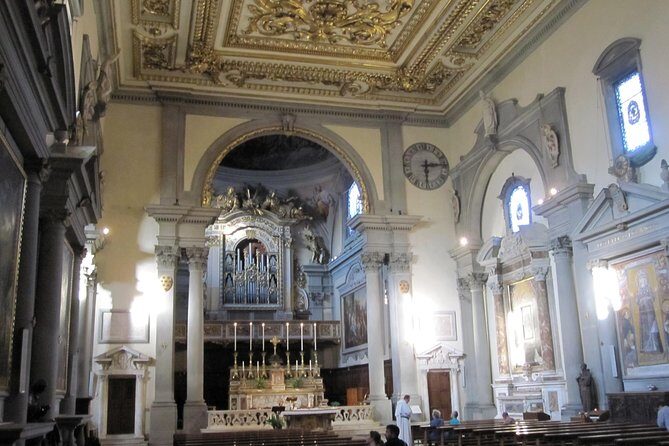
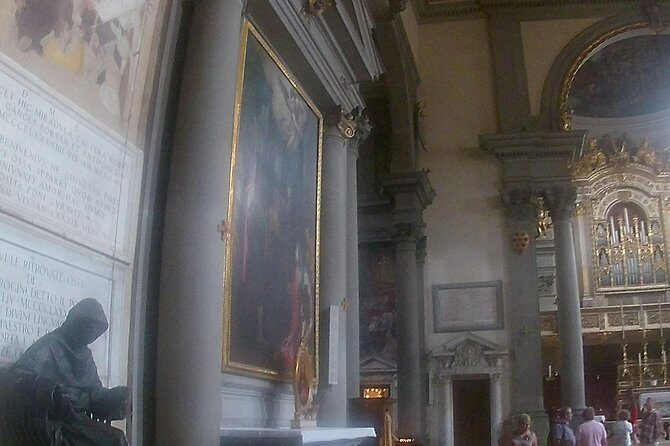
The tour begins with the church, which is a smart starting point. It sets the emotional tone early, and it gives context for the art you’ll see right afterward. If you like understanding how a building shapes how people behave, the church stop is where that becomes obvious—especially in a place designed for a religious community.
A practical tip: in the church area, take a few moments to look before you start trying to memorize details. Let your eyes adjust. Then let the guide point out what matters most.
The convent: the daily world behind the artwork
Next comes the convent section. This is where San Marco stops feeling like a gallery and starts feeling like a functioning complex. You’ll see the cells of the friars, and that alone can change your entire interpretation of Fra Angelico’s work.
When you’re standing somewhere a religious community actually used, the art doesn’t feel like “just paintings.” It feels like part of a routine—something meant for reflection, study, and spiritual focus.
- Tuscany Day Trip from Florence: Siena, San Gimignano, Pisa and Lunch at a Winery
★ 5.0 · 21,634 reviews



The facade: a clue to the Medici-era vision
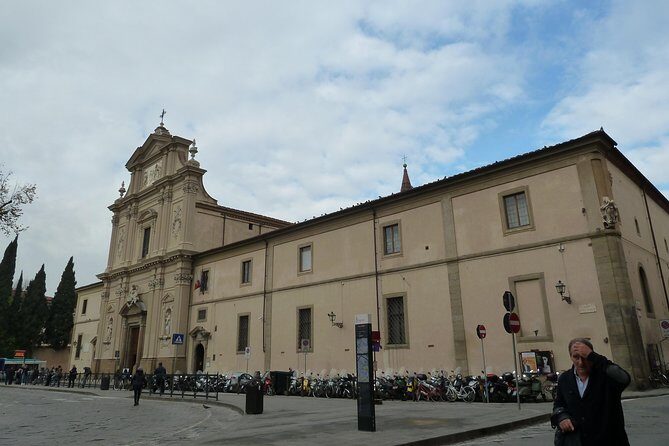
The tour includes the facade, which you might be tempted to skip if you were going only by “inside artwork” instincts. Don’t skip it here. The facade helps you connect the artistic and spiritual side of San Marco to the broader patronage and design choices linked to the Medici.
The complex was commissioned by Cosimo de’ Medici and includes work by Michelozzo (at least in part). Seeing the facade after you’ve been inside helps you notice how design isn’t decoration—it’s messaging.
First and second cloister: the slow-moving center of the place
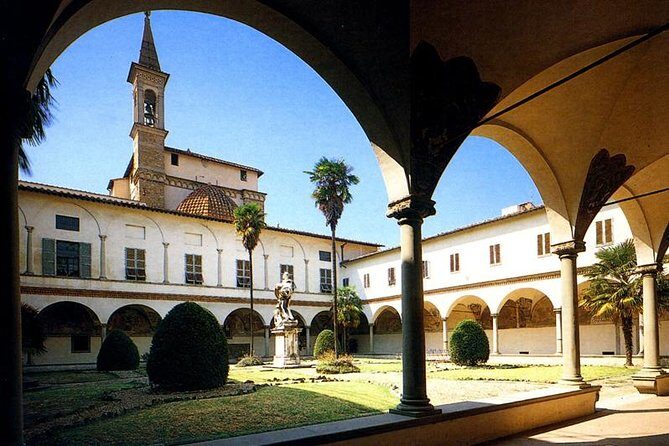
The first cloister and second cloister are where the complex starts to feel like a living map. Cloisters are made for walking loops—quiet circulation—and that’s exactly what you’ll get: a sense of how the spaces connect.
In a short, 2-hour visit, these cloisters are also where you can take your “pause moments.” If you get the pacing right, you’ll finish with a clearer mental picture of San Marco than you’d get from rushed museum browsing.
Fra Angelico’s paintings: what to look for during the tour
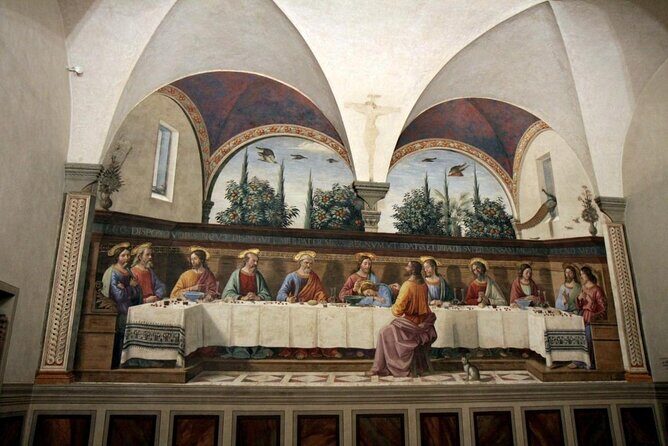
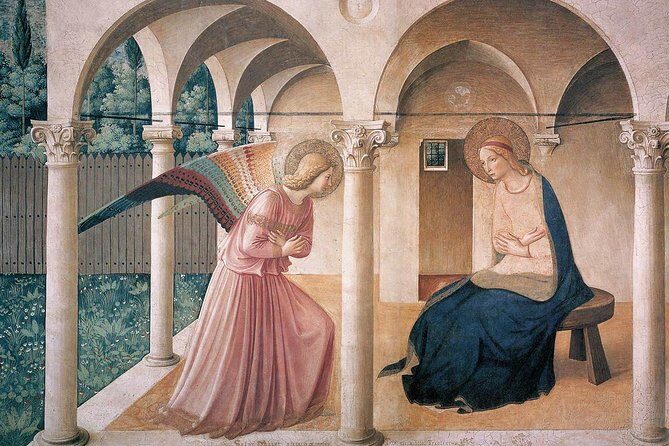
Fra Angelico’s works are the headline for many people, but the best way to enjoy them is to treat them like visual theology, not just pretty frescoes. In San Marco, that works because the paintings are paired with the rooms that supported that kind of contemplation.
From the strongest feedback, guides like Katherine are praised for making Fra Angelico’s work feel real and understandable, not just listed. That’s the difference between memorizing names and seeing how the art functions in its setting. With the right guide, you start noticing how the art guides your eyes and emotions through the space.
When you’re in the rooms, I suggest you do this simple routine:
- Listen to the guide’s main point once.
- Look for one detail tied to that point.
- Then look again with your eyes, not just your memory.
This is the kind of place where “one detail” can make the whole experience click.
Savonarola and the Medici links you won’t get elsewhere
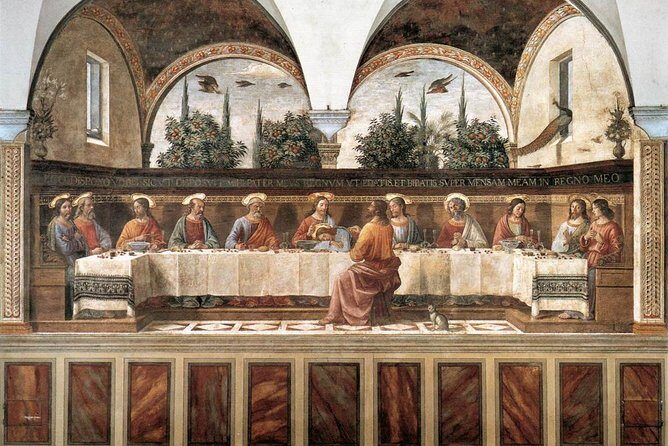
San Marco is loaded with political and spiritual connections, and this tour makes them usable. You’ll hear about major 15th-century figures tied to the complex, including Girolamo Savonarola, Cosimo de’ Medici, and Fra Angelico.
The standout for many people is Savonarola’s cells. Seeing the cells after you’ve toured the convent spaces creates a direct emotional bridge: you’re not just learning about a reformer in abstract terms. You’re seeing the physical setting associated with him.
Then there’s Cosimo de’ Medici, which comes through both in the story and in the design logic of the complex. If you like patronage and architecture—how power and belief shaped buildings—San Marco delivers.
And don’t miss the Renaissance Library of Pope Leo X. A library is a different kind of space. It tells you this site wasn’t only for prayer; it was for thought, reading, and learning. Even if you don’t nerd out on libraries, the room’s role in the complex gives you another angle on why San Marco matters.
Tickets, pacing, and whether 2 hours is enough
This is listed as about 2 hours, and honestly, for San Marco that’s a practical length. The complex is meaningful, but it’s not designed for a slow all-day wander like some giant museums. A focused 2 hours helps you absorb what you need without turning it into “tour fatigue.”
The cost is $189.18 per person, which is not low. Here’s how I judge the value:
- You get a professional guide and a private tour, so the time is spent understanding the complex, not just moving through it.
- Entrance ticket is included, which is important here because pre-booking is part of the promise.
- Pre-booked entry helps you avoid long waiting. Time saved in Florence can be worth real money.
If you’re coming to Florence with limited days, this kind of guided entry can be a smart use of time. If you’re traveling slowly with days to spare and you love self-guided exploring, you might prefer a less structured approach. But if your goal is to understand San Marco fast and well, private guided time is the right tool.
Pacing note: some feedback points out that clear communication is key. If you’re sensitive to language barriers, look for strong guide matches (the praise for Katherine for clarity and connection is a good sign). If your guide’s English is hard to follow, you’ll still see the rooms—but you’ll lose a big chunk of the explanation.
Who this private San Marco tour fits best
This experience makes the most sense if at least one of these is true for you:
- You want more than a standard Florence art hit and prefer places with context.
- You like religious art and want to understand how it connects to the spaces around it.
- You enjoy architectural thinking—especially Medici-era design choices tied to Michelozzo.
- You’re visiting with family or a small group and want a private format that doesn’t force you to keep up with strangers.
It also suits you if you’re the type who asks questions and likes the guide to slow down. In a private setup, that’s easier to do without feeling like you’re holding everyone else back.
A real-world planning tip: check hours if you’re going on a Monday
One important caution: museum opening schedules can shift, and that can affect your plan. There’s been at least one situation where the museum was reported as closed on a Monday due to changed hours, and the tour plan needed an alternative nearby suggestion.
So here’s my advice, plain and simple: if your Florence trip includes a Monday, double-check the latest San Marco opening information before you lock your day. Build a Plan B in your mind so you don’t end up with a big disappointment and limited time left.
Should you book Museo di San Marco with this guide?
I’d book this tour if you want a focused, high-meaning visit to San Marco with the people and details that make it click—especially Fra Angelico, Savonarola’s cells, and the Medici-linked context. The private format plus included ticket is strong value if you’re spending just a couple hours and want that time to count.
I wouldn’t rush into it if you’re mostly looking for a quick photo stop or if language clarity is a deal-breaker for you. In that case, make your expectations match the reality: you’re paying for the guide’s ability to explain, not just for access to rooms.
If you’re curious and you like learning while you walk, this is the kind of Florence experience that leaves you with a clearer mental map of the city—not just a handful of impressive images.
FAQ
Where is the tour meeting point?
The tour meets at Piazza San Marco, Firenze FI, Italy.
How long does the Museo di San Marco tour take?
The duration is about 2 hours.
Is the entrance ticket included?
Yes. Entrance ticket Museo San Marco is included.
Is this a private tour?
Yes. It’s a private tour/activity with only your group participating.
What’s included in the price?
The tour includes a professional guide, the private tour format, and the entrance ticket.
Is cancellation free?
Yes. You can cancel up to 24 hours in advance for a full refund.
You Might Also Enjoy




More Tour Reviews in Florence
- Tuscany Day Trip from Florence: Siena, San Gimignano, Pisa and Lunch at a Winery
★ 5.0 · 21,634 reviews - The Best tour in Florence: Renaissance & Medici Tales – guided by a STORYTELLER
★ 5.0 · 12,316 reviews