REVIEW · FLORENCE
Private Skip-the-Line Florence Highlights and David Walking Tour
Book on Viator →Operated by Italian Vista Travel · Bookable on Viator
Florence makes more sense with a human guide. This private highlights walk mixes big-name sights with the side streets and details that explain how the city worked. You’ll get timed Accademia entry plus an art historian’s take on the monuments you thought you already knew.
What I like most is the private, flexible pacing. You can ask questions, pause for photos, and get context without feeling herded. I also really appreciate that the route hits both the famous stuff and practical orientation points, so you leave knowing where things are and why they matter.
One caution: it’s still a walk in the center of Florence, with a brisk rhythm and frequent stops. If you have mobility limits or hate crowds and heat, you’ll want to plan your timing and bring water.
In This Review
- Key things to know before you go
- Price and logistics: what you’re paying for, and where it shows
- Meeting your guide in Florence: pickup, timing, and first impressions
- Piazza della Repubblica: the starting point that helps you orient fast
- The old bridge approach: Ponte Vecchio, Vasari Corridor, and jeweler windows
- Piazza della Signoria: where Florence did politics, art, and propaganda
- Florence Cathedral area: exterior views that still tell a story
- Accademia Gallery: timed entry to Michelangelo’s original David
- Baptistery and Romanesque clues: why the Cathedral area isn’t one-note
- Santa Trinita Bridge: where you’ll actually want to stop for photos
- Strozzi courtyard and Renaissance palace details: seeing Florence up close
- Fashion street windows: luxury as an everyday Florence language
- Medici-Lorraine palaces and museums: power made into buildings
- Oltrarno at the end: artisan workshops and bohemian cafés
- Walking pace, comfort, and the photo rhythm
- How to get the most out of your private guide
- The one drawback to plan around: time, crowds, and heat
- Should you book this Florence highlights-and-David tour?
- FAQ
- How long is the Florence highlights and David tour?
- Is this tour private?
- Is hotel pickup included?
- Is the Accademia Gallery ticket included?
- Which sights are included in the walking portion?
- What language is the tour offered in?
- Is bottled water included?
- What’s the cancellation policy if plans change?
Key things to know before you go
- Timed entry to the Accademia Gallery so you can focus on Michelangelo’s David instead of lining up.
- Hotel pickup in the historic center if you’re staying close enough, which saves time on your first day.
- Ponte Vecchio + Vasari Corridor visuals tied to how power and wealth shaped the bridge.
- Piazza della Signoria framed as the city’s political stage, not just another square.
- Oltrarno at the end of the walk for a more artisan, laid-back Florence feel than the postcard core.
Price and logistics: what you’re paying for, and where it shows
At $325.83 per person for about three hours, this isn’t a bargain-basement walk. It’s priced like what it is: a private guide plus a timed entry ticket to the Accademia Gallery, with pickup when you’re staying in Florence’s historical center. In a city where the lines can steal your morning, those two elements matter.
If you’re traveling with two or more people, private tours can start to feel more reasonable because you’re buying back time and reducing stress. Instead of trying to piece together your day from maps and ticket sites, you get a route designed to move efficiently between Florence’s key areas.
The main logistical catch is simple: pickup depends on where you’re staying. If your hotel is in the historical center, the guide picks you up. If not, you’ll be given a central meeting point, and getting there is on you. If you hate spending time commuting on day one, choose a base near the sights.
You can also read our reviews of more walking tours in Florence
Meeting your guide in Florence: pickup, timing, and first impressions
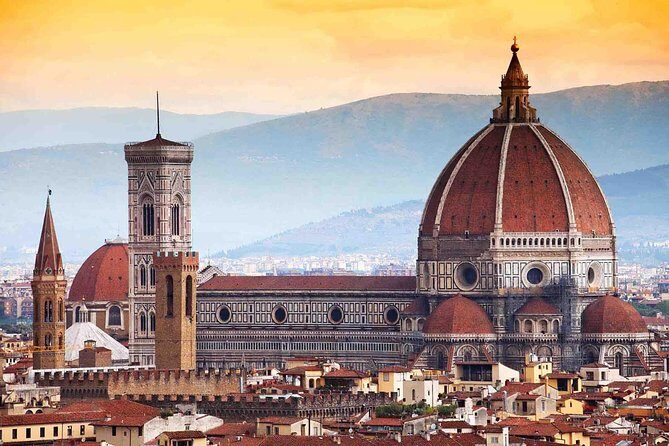
The tour starts with pickup when you’re in the historic center. That’s a small detail that pays off more than you’d think. First day in Florence means new streets, new directions, and a lot of visual overload. Starting at your hotel lets you skip the stress of finding the guide while you’re still learning the city.
Your guide is described as a professional art historian, and you’ll feel that approach quickly. Expect explanations that connect architecture, symbolism, and political life—especially in places like Piazza della Signoria and around the Medici-era sites. In the best guides I’ve had in Florence, the information is clear, and the pacing is considerate. People doing this tour often praise guides for keeping energy up, adjusting to the group, and checking in on comfort as you move.
One practical note: the Accademia timing can be unforgiving. Your experience includes a timed entry ticket, so you’ll want to be ready to go when the schedule hits. Wear shoes you can walk in for a steady chunk of time, and keep water on hand because bottled water isn’t included.
Piazza della Repubblica: the starting point that helps you orient fast
You begin at Piazza della Repubblica, which is one of those squares that feels like it’s always been part of Florence. It’s described as the city’s oldest center point, with cafés and restaurants surrounding a space that pulls people in right away.
This stop works as more than a photo op. It’s a way to calibrate your Florence brain. Your guide can point out how the city’s layers show up even in public spaces—where people gather, how commerce lives around monuments, and why certain squares became natural crossroads.
Also, it’s a good moment to set expectations for the day: you’re not just ticking off landmarks. You’re learning the logic behind them.
The old bridge approach: Ponte Vecchio, Vasari Corridor, and jeweler windows
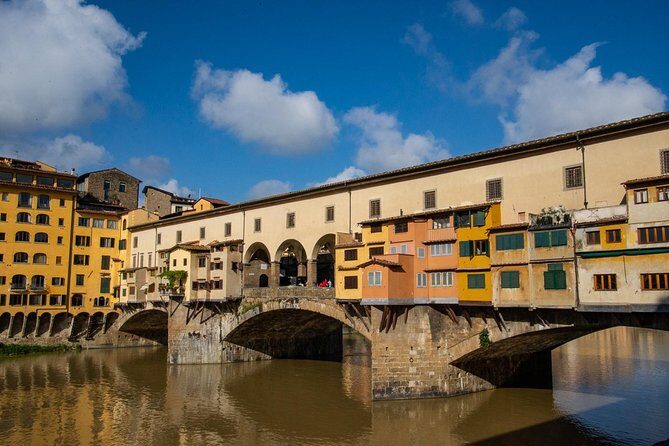
From there you move toward Florence’s oldest bridge—Ponte Vecchio—and it’s one of the best places in town to understand how Florence kept mixing beauty, business, and power.
Here’s what makes this portion especially interesting: you’re not only looking at the bridge. You’re learning about its history and seeing how the Vasari Corridor relates to it—an elevated passage that connects elite spaces and functions like a reminder that Florence’s art and politics were tied together.
Then there are the jeweler windows. Even if you don’t plan to shop, this is a classic Florence scene: luxury trades layered into a historic structure, visible up close. The guide’s job is to help you read what you’re seeing—why the placement makes sense and what the bridge symbolizes for the city.
For photos, Ponte Vecchio is famous for a reason. Still, it can be crowded. A private guide helps you time your walking so you can get your shots without losing your patience.
Piazza della Signoria: where Florence did politics, art, and propaganda
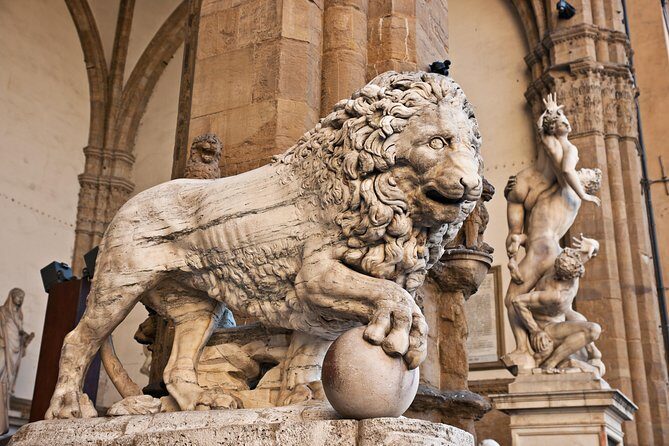
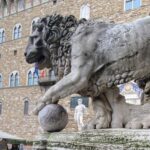
Next is Piazza della Signoria, the city’s political center. This is the square that can turn into a blur if you’re just looking at it as a backdrop. With a guide, it becomes more like a history lesson you can walk through.
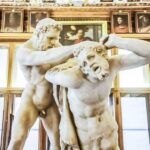
You’ll see the City Hall area, plus the famous statues decorating the square. Your guide explains what the setting meant—this wasn’t a random open space. It was a stage for public power, civic identity, and the display of cultural values.
There’s also the Loggia della Signoria, which helps you understand how Florence used public architecture to project authority. If you like symbols, this is a strong stop. If you’re traveling with teens or people who worry tours will be too long-winded, this is also a good place to keep attention because the square is visually busy and easy to ask questions in.
You’ll also visit the area in a way that keeps you moving rather than stuck. The square is free to enjoy, but the guide helps you see more of it in less time.
You can also read our reviews of more private tours in Florence


Florence Cathedral area: exterior views that still tell a story
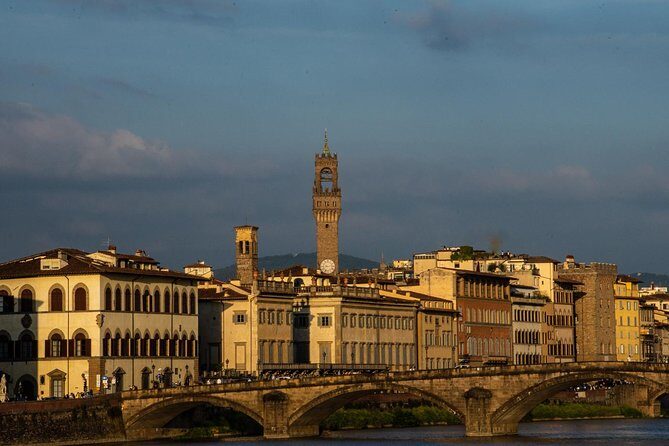
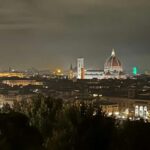
You admire the Florence Cathedral from outside. That might sound like a letdown if you expect to go inside, but it’s actually useful for two reasons.
First, it keeps the day efficient. Your biggest museum focus is the Accademia, and this tour is designed to balance monuments with manageable museum time. Second, outside views let you notice details without getting bogged down in tickets, lines, and slow entry.
Your guide can connect the cathedral look to the bigger theme of Florence: massive buildings, strong religious symbolism, and the city’s long obsession with artistic mastery.
If you want inside time later, you’ll be better prepared. You’ll know what to look for, where viewpoints are, and how the area feels when you return on your own.
Accademia Gallery: timed entry to Michelangelo’s original David
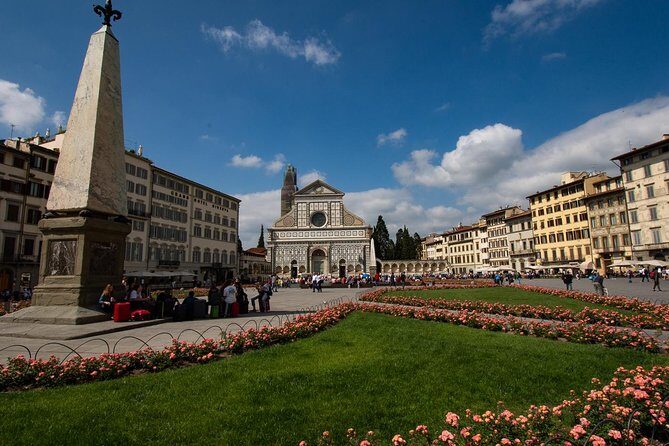
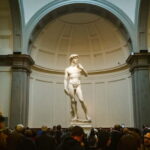
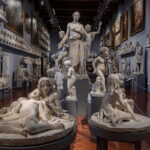
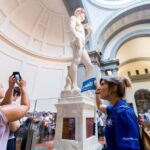
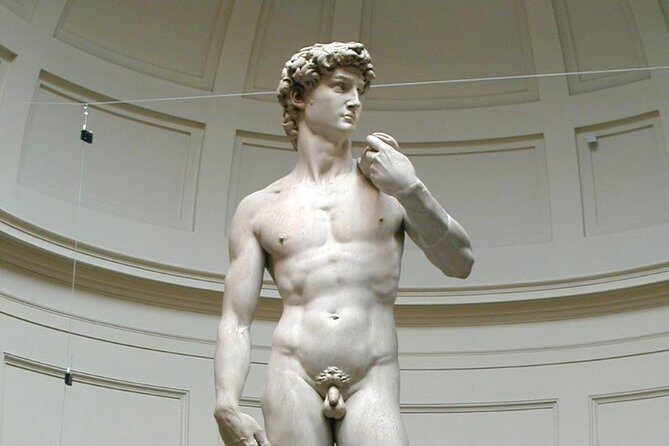
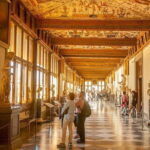
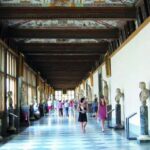
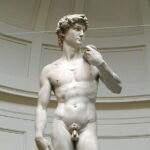
This is the headline act. You get timed entry to the Accademia Gallery, which makes the experience smoother right away. Instead of spending your energy on a queue, you can get to the point: Michelangelo’s original David.
Your guide’s role here is huge. David is famous, but it can still feel like a statue you saw on a postcard. With the right art historian, you start noticing proportion, expression, and the context that makes this work matter. Guides often highlight how Michelangelo used craft and emotion to make David feel human and forceful at the same time.
Also, this stop is the best reason to do the tour early in your Florence trip. If you come in already knowing the right questions to ask, the rest of Florence feels richer for days afterward. People also mention how their guide helped them plan the next day’s museums—so even if you only care about Accademia today, this visit can improve what you do tomorrow.
One practical point: admission to Accademia is part of the experience through the timed ticket included in your booking. Plan to arrive ready to enter right when your time slot starts.
Baptistery and Romanesque clues: why the Cathedral area isn’t one-note
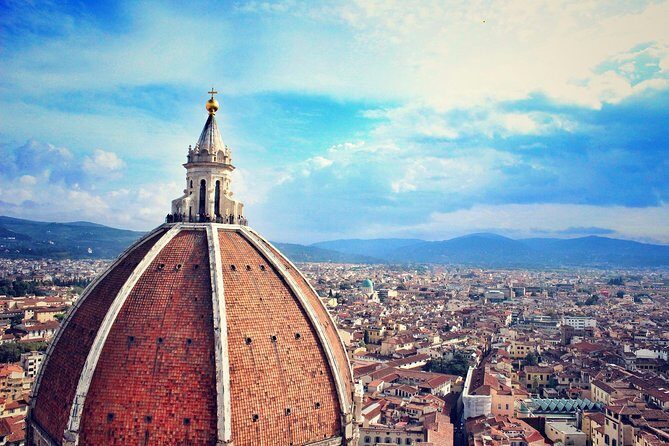
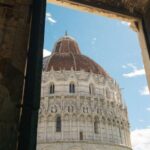
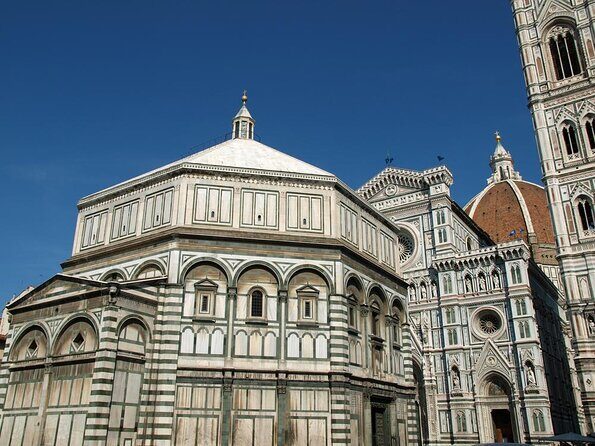
After the cathedral area, you see the Florence Baptistery. It’s highlighted as a remarkable example of Romanesque architecture. That phrase matters because it trains your eye.
Romanesque buildings can feel different from what you expect in Renaissance Florence—more solid, heavier, and older in spirit. A guide can show you how that style fits into the city’s timeline, and why it’s not just a decorative neighbor to the Cathedral.
This stop is short, but it strengthens your understanding of how Florence accumulated styles rather than switching overnight.
Santa Trinita Bridge: where you’ll actually want to stop for photos
Santa Trinita Bridge is called out as a wonderful photo shooting spot. You’ll likely pause here, take a few pictures, and look around at how the river shapes the city.
Why this matters on a highlights tour: a lot of Florence’s best views are river views, and bridges connect different “moods.” Ponte Vecchio feels curated and iconic. Santa Trinita can feel more scenic and slightly less staged. With a guide, you can point your camera with confidence instead of guessing where the best angles are.
Strozzi courtyard and Renaissance palace details: seeing Florence up close
Then you move to the example of a typical Renaissance palace once the residence of the Strozzi family. You’ll pass through its courtyard. That courtyard access is a big difference between simply walking past buildings and actually getting a sense of how the architecture worked at human scale.
Courtyards are where Renaissance design becomes practical: light, movement, privacy, and the way elite residences organized daily life. This is also a good stop to watch how the guide reads small details—stonework, openings, and layouts that would be invisible if you only had a quick glance.
If you like architecture, this is one of those sections that rewards attention without requiring you to sit down or buy another ticket.
Fashion street windows: luxury as an everyday Florence language
After that, you admire Florence’s fashion street windows. This isn’t about walking into stores or shopping. It’s about noticing how wealth and design sit at street level, in big front windows that display materials and craftsmanship.
The guide’s commentary can help you understand how this kind of commercial elegance fits into the city’s identity. Florence has always treated art and craftsmanship like major business. When you see it here, you get a clearer picture of how today’s luxury grew out of old traditions.
If you’re not shopping, just enjoy it as a visual lesson. It’s quick, it’s colorful, and it keeps the walk moving.
Medici-Lorraine palaces and museums: power made into buildings
You then visit a palace once tied to the private residence of the Medici and the Lorrain Augsburg family, and today it hosts several museums. Even without a museum interior visit, the building itself is a statement.
This stop is useful because it reframes Florence’s art. Yes, it’s about famous masterpieces. But it’s also about patrons, families, and power—how wealth funded art and how buildings recorded that influence in stone.
Your guide can connect the palaces to the civic spaces you already visited. Piazza della Signoria is public power. Medici-era residences show how power worked privately and institutionally.
Oltrarno at the end: artisan workshops and bohemian cafés
The final area is Oltrarno, described as the neighborhood on the other side of the river—known for artisans workshops and bohemian cafés.
This ending sequence is smart. After seeing the official core—palaces, politics, famous monuments—you shift into a side that feels more lived in. Oltrarno is often where you start feeling the real texture of Florence: small workshops, crafts, and cafés where people linger.
If you want to keep exploring right after the tour, Oltrarno is a great place to do it. You’ll have fresh ideas about what to look for and where to wander without feeling lost.
Walking pace, comfort, and the photo rhythm
This tour is built for steady walking with planned stops. Total distance is mentioned at about 2.7 miles by at least one group, and other experiences describe it as a brisk but manageable walk over roughly three hours.
So yes, you’ll walk. No, it’s not a slow “stroll and chat” the whole time. The good part is that a private guide can manage the rhythm. Some guides take care to plan breaks in shade and keep comfort in mind, especially when the weather gets hot.
Practical advice from how this tour plays out:
- Bring your own water since bottled water isn’t included.
- Wear shoes you can handle on uneven stone.
- Use the timed Accademia slot as a reset moment. It breaks the walk and gives you a focused payoff.
How to get the most out of your private guide
Because this is private, you should use it like a tool, not just entertainment. Here are questions that fit this route and will pay you back later:
- What detail should I notice at Ponte Vecchio besides the bridge?
- Why does Piazza della Signoria look the way it does?
- What makes David different from the copies I’ve seen back home?
If you want a guide who matches your style, look for a person with both art-history depth and the ability to keep energy up across multiple stops. Many named guides praised by recent groups—like Christina, Giacomo, Marzia, Daniela, Barbara, Brenda, Elisa, Nicolette, Bernardo, and Laura—were described as strong in English and good at explaining art in a way that keeps even younger visitors interested.
You might get a different guide than any of those names, but the point is the standard: clear explanations and real care about the flow of the day.
The one drawback to plan around: time, crowds, and heat
Even with timed entry, Florence can still be crowded. That’s not the tour’s fault—it’s the city’s personality. The private format helps, but it doesn’t erase the reality that the center gets packed.
Heat is another factor. One group noted their guide made sure to include water breaks and even gelato during a hot afternoon. You can’t count on treats, but you can count on the idea: if it’s warm, build in breaks and don’t push through exhaustion just to get more photos.
And finally, allow a little buffer in your schedule. If you’re crossing between major areas, you’ll be moving through real city traffic and foot traffic. If something changes on your end, reach out as early as possible rather than waiting until the last minute.
Should you book this Florence highlights-and-David tour?
I’d book it if you want a first real orientation to Florence with art history context, and you care about seeing Michelangelo’s David without wasting time in lines. It’s also a strong choice if you like the idea of mixing formal landmarks (Ponte Vecchio, Piazza della Signoria, Cathedral area) with smaller experiences like palace courtyards and an artisan-forward neighborhood in Oltrarno.
Skip it—or at least reconsider—if you’re looking for a long museum day, want a totally unhurried walking pace, or have trouble with a steady three-hour schedule in the center of the city. In that case, you might prefer a slower, single-area plan.
FAQ
How long is the Florence highlights and David tour?
It runs about 3 hours (approx.).
Is this tour private?
Yes. It’s a private tour/activity, and only your group participates.
Is hotel pickup included?
Hotel pickup is included when your hotel is in Florence’s historical center. If not, you’ll be contacted to choose a central meeting point, and getting to it is at your own expense.
Is the Accademia Gallery ticket included?
Yes. The tour includes timed entry tickets to the Accademia Gallery.
Which sights are included in the walking portion?
You’ll see areas such as Piazza della Repubblica, Ponte Vecchio (including history tied to the Vasari Corridor), Piazza della Signoria and its landmarks, Florence Cathedral from outside, the Florence Baptistery, Santa Trinita Bridge, a Renaissance palace courtyard tied to the Strozzi family, and finish in the Oltrarno neighborhood.
What language is the tour offered in?
The tour is offered in English.
Is bottled water included?
No, bottled water is not included.
What’s the cancellation policy if plans change?
You can cancel up to 24 hours in advance for a full refund. If you cancel less than 24 hours before the experience’s start time, the amount you paid won’t be refunded.
You Might Also Enjoy
More Walking Tours in Florence
More Tours in Florence
- The Best tour in Florence: Renaissance & Medici Tales – guided by a STORYTELLER
★ 5.0 · 12,316 reviews
More Tour Reviews in Florence
- Tuscany Day Trip from Florence: Siena, San Gimignano, Pisa and Lunch at a Winery
★ 5.0 · 21,634 reviews - The Best tour in Florence: Renaissance & Medici Tales – guided by a STORYTELLER
★ 5.0 · 12,316 reviews