REVIEW · FLORENCE
The Complete Wine Tour Brunello, Nobile, Chianti wine experience
Book on Viator →Operated by Tuscansafari Srl · Bookable on Viator
Brunello and Nobile in one day. I like the small-group size (max 8) because it keeps the day easy to follow and more conversational, not rushed. I also like that the wine tastings often turn into full glasses at more than one stop, so you’re not left feeling like you only got a sip.
This is a long day—about 10 hours—with multiple tastings and two towns where you’re partly on your own. If you prefer slow travel or you don’t drink much, you may want to plan your pace and be ready that lunch is own expense.
In This Review
- Key highlights to know before you go
- Morning in Florence: meeting point, timing, and how the day really starts
- Montalcino first: Brunello town streets and castle views
- Montepulciano on your schedule: San Biagio and Il Nobile di Montepulciano
- Lunch in Tuscany: own expense means plan your calories
- Chianti afternoon tasting: learning as you sip
- Greve free time: markets, strolling, and optional olive oil tasting
- The final winery: Sangiovese cultivation and the tasting that closes the loop
- What the $449.43 price buys (and where the value comes from)
- Tips to keep the day fun (not foggy)
- Who should book this tour?
- Should you book the Complete Wine Tour Brunello, Nobile, Chianti?
- FAQ
- Where does the tour start in Florence?
- How long is the wine tour?
- How big is the group?
- What wines are included?
- Is lunch included in the price?
- Do I need to be 18 to drink?
- What should I wear?
- Is the itinerary dependent on weather?
- Can I add an extra wine or olive oil tasting in Greve?
Key highlights to know before you go
- Max 8 travelers keeps the pace realistic and questions welcome
- Brunello and Nobile-focused stops across Montalcino and Montepulciano
- Chianti winery time where you’ll taste and learn about the grapes
- Greve free time with a Saturday weekend market option
- Sangiovese lessons at the final winery plus a guided tasting
Morning in Florence: meeting point, timing, and how the day really starts
The tour starts in Florence in the morning, with an 8:30am start time listed and a guide meeting at the Santa Maria Novella area around 9am. Either way, you’ll be grabbing your spot early so you can roll out into Tuscany while the roads are calmer and the towns are waking up.
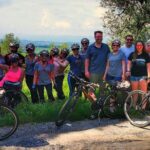
You’ll travel in a private vehicle with a small group capped at 8 travelers. That cap matters. In a crowd, wine tours turn into a line dance—here, you can actually hear the guide, ask a question, and regroup without everyone getting tugged in a different direction.
Dress code is smart casual, and the tour includes a minimum drinking age of 18. If you’re the type who wants a comfy day (you should be), wear shoes that handle cobblestones. Greve and the medieval lanes in Montalcino and Montepulciano are not designed for slick sneakers.
You can also read our reviews of more wine tours in Florence
- Tuscany Day Trip from Florence: Siena, San Gimignano, Pisa and Lunch at a Winery
★ 5.0 · 21,634 reviews
Montalcino first: Brunello town streets and castle views
The day’s first real Tuscany hit is Montalcino. Before you explore the medieval town, you’ll stop at a winery for wine time, then move into the town area tied to Brunello.
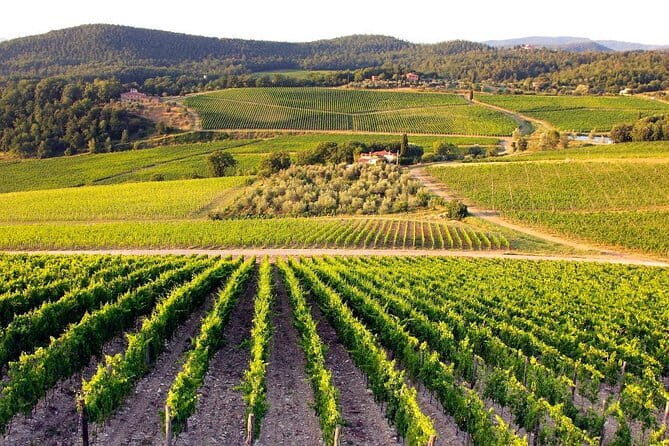
In Montalcino, the focus isn’t just tasting. You also get the feel of the place: winding streets, historic buildings, and a castle stop that’s worth it for the views. Even if you’re not a castle person, the viewpoint helps connect what you’re tasting to where the grapes grow. You’re looking out over rolling countryside and that’s the landscape you’ll keep imagining while you sip.
What you’ll do here
- Winery stop before town time
- Time to stroll the medieval center
- Castle visit with photo-worthy views
- Wine bar tasting time in town
Possible drawback
This is a strong start to a long day. If you get “too excited, too fast” with tastings, you might feel it later at lunch and in Greve. I’d keep an eye on your pace and sip like you have a plan, because you do: you’re seeing multiple winemaking styles across the region.
Montepulciano on your schedule: San Biagio and Il Nobile di Montepulciano
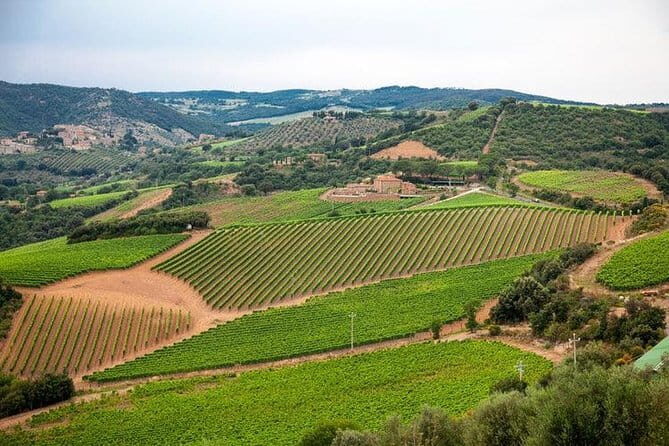
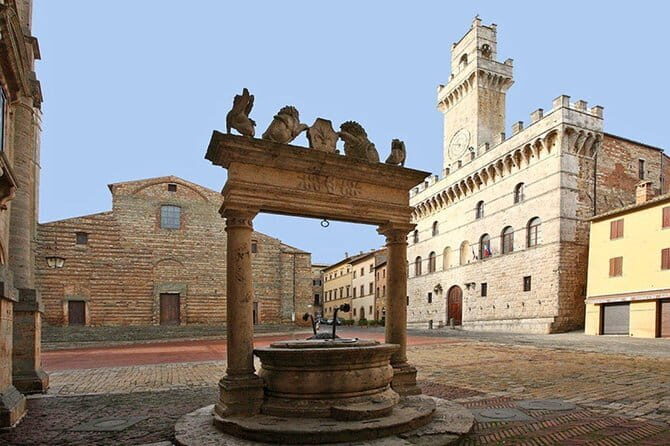
After Montalcino, the tour continues to Montepulciano. Here you’ll have free time to look around on your own, which is a good balance after the guide-led moments.
Montepucliano’s big draw is that its historic center feels like a real place, not a theme park. You’ll have time for the church of San Biagio, which is one of those spots you’ll recognize instantly once you’re there.
Then you’ll get wine time again: tasting Il Nobile di Montepulciano after your Montepulciano exploring. That’s a useful pairing. You taste the wine, then you’ve already looked at the town it comes from. It makes the name stick, and it gives you something visual to match to what the guide is explaining.
Why this stop works
- You get guided structure plus independent walking time
- You taste a local style that’s tied directly to Montepulciano’s identity
- You can reset at your own pace before lunch
Watch-outs
This town time is on your own, so wear something you can move in. Also, if your group is small, you’ll still want to be where the meeting point is when the schedule moves—Montepucliano’s center can feel easy to wander past.
Lunch in Tuscany: own expense means plan your calories
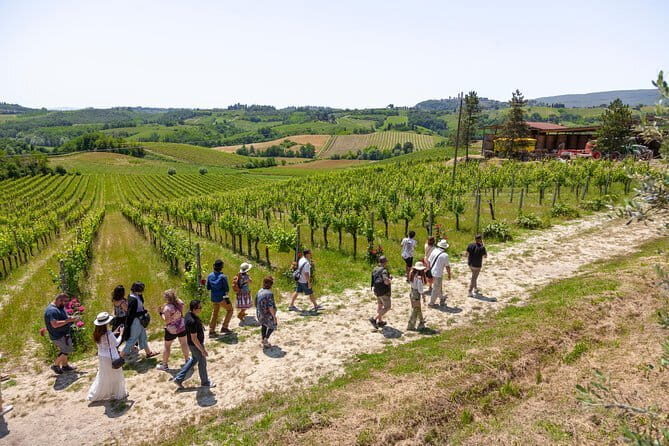
Lunch happens after the Montepulciano tasting. The tour includes a restaurant stop, but lunch is own expense, so you’ll need to decide what you want to do.
Here’s the practical way to handle this: think of lunch as your energy checkpoint. With wine tastings stacked through the afternoon, a good meal helps you enjoy the later stops instead of just enduring them.
Also, keep expectations aligned. The lunch is part of the day’s flow, not a long sit-down feast with multiple courses. You’ll have time to eat, but don’t make lunch so “slow” that you show up late for the next winery drive.
Chianti afternoon tasting: learning as you sip
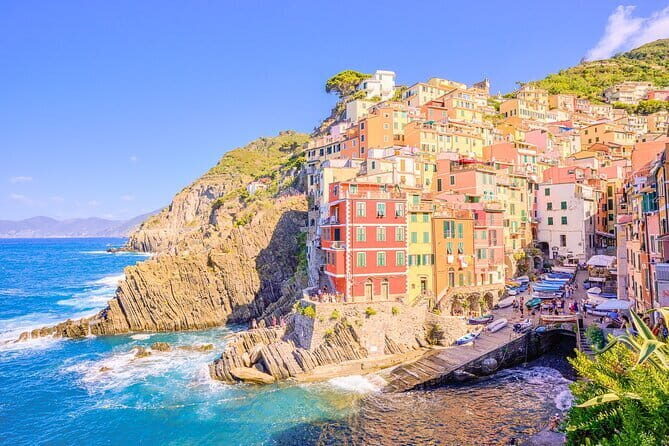
In the afternoon, the itinerary moves toward Chianti for winery tasting time. You’ll taste wines here, including Chianti Classico as part of the tour’s stated focus.
This section is valuable because it links the dots. You’ve already tasted Brunello and Nobile; now you’re in the broader Chianti world, where Sangiovese takes center stage. Even when you don’t speak wine jargon, a good guide can make the differences feel logical—why certain wines feel different, what cultivation choices do, and what you should pay attention to in a glass.
What you can expect
- Travel from the towns into the countryside
- Winery tasting with guidance
- A slower, more educational rhythm than the morning walking
If you’re the kind of person who wants to understand what you’re tasting, this is where the trip starts to feel more than just scenic. You’re getting a framework, not only pours.
- Tuscany Day Trip from Florence: Siena, San Gimignano, Pisa and Lunch at a Winery
★ 5.0 · 21,634 reviews

Greve free time: markets, strolling, and optional olive oil tasting
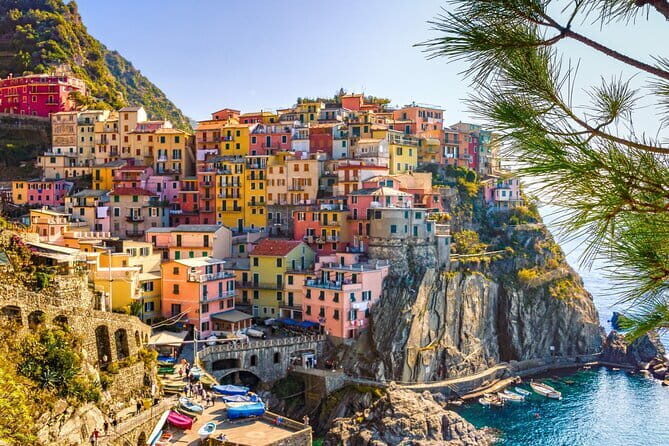
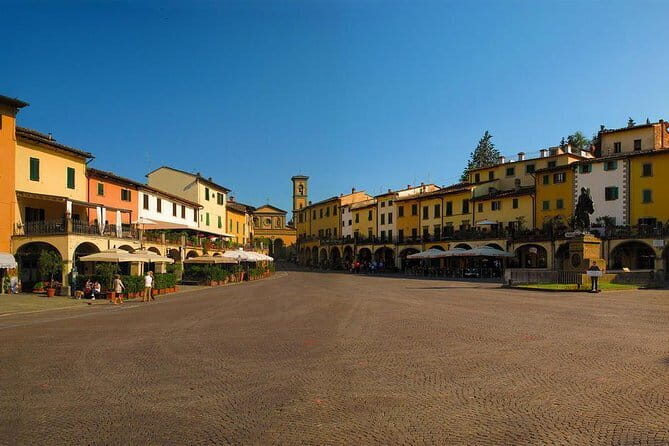
Next comes Greve, which is where the tour gives you more independence. You’ll have free time to look around on your own. If you’re there on a Saturday, the weekend market can be a big part of the experience—this is where you can find souvenirs tied to local life, and you might snack your way through the day.
Greve is also a good place to regroup after back-to-back tastings and town walking. It’s not only wine; it’s town energy, small streets, and the kind of pace that lets you absorb where you are.
There’s also an optional add-on: if you’re interested, the guide can set up a wine or olive oil tasting in town for an additional cost. That’s smart if you’re curious about agriculture beyond grape growing, since Tuscan food culture is inseparable from what people cultivate.
One consideration
Because this is optional and costs extra, decide ahead of time whether you want it. If you already feel satisfied with tastings by then, you may prefer to spend that time walking, shopping, and taking photos.
The final winery: Sangiovese cultivation and the tasting that closes the loop
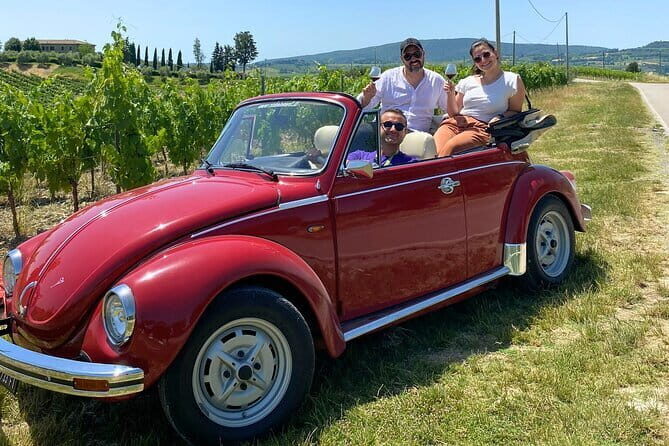
The tour ends with a visit to a classic Tuscan winery, after you’ve already spent time in Chianti and Greve. At this point, the day has done a lot of name-building—Brunello, Nobile, Chianti. Now it connects those names to grape-growing basics.
At the winery, you’ll meet an onsite guide who explains cultivation of local Sangiovese grapes, then you taste the wines. This final segment is a strong “wrap-up” because Sangiovese is the common thread through much of this region’s identity. Even if you don’t remember every detail, you’ll start noticing patterns: how the grape’s character shows up across different producers and styles.
Why I like the structure
By the time you reach the final winery, you’ve already seen multiple towns tied to wine culture. That makes the cultivation lesson feel grounded. You’re not learning in a vacuum; you’re learning after you’ve looked at the terrain and towns.
What the $449.43 price buys (and where the value comes from)
At $449.43 per person, this is not an impulse buy. But the price makes sense when you break down what’s included.
You’re paying for:
- A full 10-hour day of guided coordination
- Transportation in a private vehicle between multiple towns and wineries
- Multiple wine tasting moments across different areas (Brunello territory, Montepulciano Nobile, Chianti, and a final Sangiovese-focused winery)
- A small-group structure (max 8), which reduces waiting and keeps the experience personal
The biggest “value driver” here is that the tour isn’t only about drinking. You also get medieval town time—Montalcino, Montepulciano, and Greve—plus an onsite cultivation explanation at the last winery. That mix tends to feel more complete than tours that only hop from one cellar door to another.
One more detail I’d count as value: the day can deliver more than tiny tasting pours. If your tastings turn into fuller glasses at more than one winery, you’re getting a better experience than the classic sip-and-skim format.
Tips to keep the day fun (not foggy)
This is a wine-focused day, so it’s on you to set yourself up for success.
- Bring water and keep sipping between tastings. It keeps you alert for the town walking parts.
- Eat something before you go. You’ll hit wineries early and lunch isn’t included.
- Wear grippy shoes. Cobblestones show up in every medieval place on this route.
- Use your free time on purpose. In Montepulciano and Greve, you’re free to wander—set a rough plan so you don’t end up sprinting back.
- Decide on the optional tasting early. If you want that wine or olive oil tasting in Greve, it’s easier to commit while you’re still fresh.
Also, the tour uses a mobile ticket, so make sure you can access it offline or have it easy to pull up on your phone.
Who should book this tour?
This fits best if you want:
- A full day of Tuscany without planning a route yourself
- A small group and a guide-led flow (not a public-bus day)
- Wine tastings tied to real towns: Montalcino, Montepulciano, Greve, plus Chianti
- An educational component about grapes, especially Sangiovese
If you dislike long days, or you’re not into wine culture at all, this might feel like too much. But if you want the “big names” of the region in one day, this tour is built for that.
Should you book the Complete Wine Tour Brunello, Nobile, Chianti?
I’d book it if you’re aiming for a memorable first-time Tuscany wine day with a structure that actually helps you connect tastings to place. The small-group cap (max 8) is the difference between a pleasant wine tour and a chaotic one, and the lineup—Brunello, Nobile, Chianti Classico—hits the region’s major styles.
I wouldn’t book it if you hate walking, prefer unguided travel, or you’re hoping lunch is included and tastings are minimal. This is a day where you should expect wine focus, a couple of town wandering windows, and an extra-cost lunch.
If that sounds like your kind of day, this is a solid choice from Florence—especially if you like the idea of closing the loop with a final Sangiovese cultivation lesson.
FAQ
Where does the tour start in Florence?
The tour lists a start at Piazza Adua, 50123 Firenze FI, Italy, with a start time of 8:30am. The tour also notes meeting with the guide at Santa Maria Novella station around 9am.
How long is the wine tour?
It runs for approximately 10 hours.
How big is the group?
The experience is limited to a maximum of 8 travelers.
What wines are included?
You’ll taste wines including Nobile, Brunello, and Chianti Classico, plus Il Nobile di Montepulciano during the Montepulciano portion.
Is lunch included in the price?
Lunch is not included; it’s at a restaurant for your own expense.
Do I need to be 18 to drink?
Yes. The minimum drinking age is 18.
What should I wear?
Smart casual is the dress code.
Is the itinerary dependent on weather?
Yes. The experience requires good weather. If it’s canceled due to poor weather, you’ll be offered a different date or a full refund.
Can I add an extra wine or olive oil tasting in Greve?
Yes. The guide can set up an optional wine or olive oil tasting in Greve, for an additional expense.
You Might Also Enjoy
More Wine Tours in Florence
- Tuscany Day Trip from Florence: Siena, San Gimignano, Pisa and Lunch at a Winery
★ 5.0 · 21,634 reviews

More Tours in Florence
- The Best tour in Florence: Renaissance & Medici Tales – guided by a STORYTELLER
★ 5.0 · 12,316 reviews
More Tour Reviews in Florence
- Tuscany Day Trip from Florence: Siena, San Gimignano, Pisa and Lunch at a Winery
★ 5.0 · 21,634 reviews - The Best tour in Florence: Renaissance & Medici Tales – guided by a STORYTELLER
★ 5.0 · 12,316 reviews