REVIEW · FLORENCE
Florence: Walking Tour with Accademia & Uffizi Galleries
Book on GetYourGuide →Operated by CAF Tour & Travel · Bookable on GetYourGuide
Two museums, one focused day. You start at the Accademia for Michelangelo’s David, then move through Florence’s historic core and finish at the Uffizi for major works like Botticelli’s Primavera and Birth of Venus. The best part is how the day links sculpture, street-level Florence, and top-tier painting into one story. One thing to watch: the schedule is only as smooth as your meeting-point clarity, and confusing start details can make you miss the walking portion.
I like that this tour keeps you out of long ticket lines and gives you a guaranteed entry time for the museums. You’ll also get earphones inside the museums, which helps when the galleries get noisy. The group is small, and the guides tend to answer real questions with specifics, not just generic talking points.
In This Review
- Key things to know before you go
- Accademia Gallery First: David, the prison sculptures, and what the art is really saying
- The Florence walking portion: Medici streets, Duomo Complex, Orsanmichele, and the Straw Market
- Piazza Signoria to Palazzo Vecchio: Florence’s political stage
- Vasari Corridor to Ponte Vecchio: the walk that ends in jewelry shops
- Optional Tuscan lunch: how to make the pause feel worth it
- Uffizi Gallery in the afternoon: Botticelli, Michelangelo, Leonardo, and the big names you came for
- The Uffizi Terrace: the last views you’ll remember
- Price and value for about $164: where the money goes
- Small-group pace, languages, and guide delivery
- Logistics you should plan around: meeting points, first Sundays, and shoe choice
- Who should book this Accademia + Uffizi walking combo
- Should you book it?
- FAQ
- How long is the Florence Walking Tour with Accademia & Uffizi Galleries?
- What are the main museum highlights included?
- Is lunch included?
- Do I skip the ticket lines?
- Where do I meet the guide?
- What should I bring?
- Is it free on the first Sunday of the month?
Key things to know before you go
- Skip-the-line entry with a guaranteed time for the museum portions, plus an assistant who delivers your ticket at the meeting point
- Accademia first so you hit Michelangelo’s David while you’re fresh
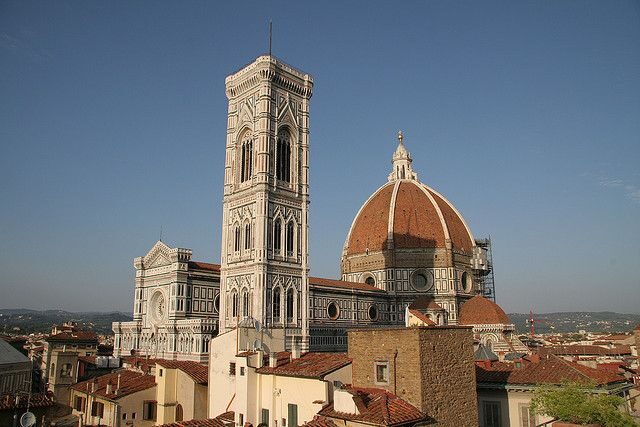
- A true Florence walk through Medici landmarks, the Duomo Complex, Orsanmichele, and the Orsanmichele area plus Piazza Signoria and Palazzo Vecchio
- Uffizi highlights that actually anchor the visit: Botticelli’s Primavera and Birth of Venus, with works by Michelangelo and Leonardo da Vinci
- Earphones inside museums to keep the guide’s voice clear during gallery time
- Optional Tuscan lunch in the old city, with drinks paid on the spot
Accademia Gallery First: David, the prison sculptures, and what the art is really saying
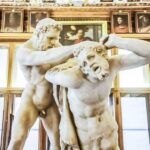
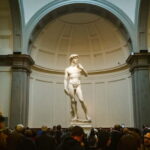
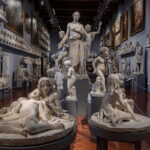
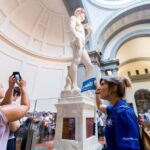
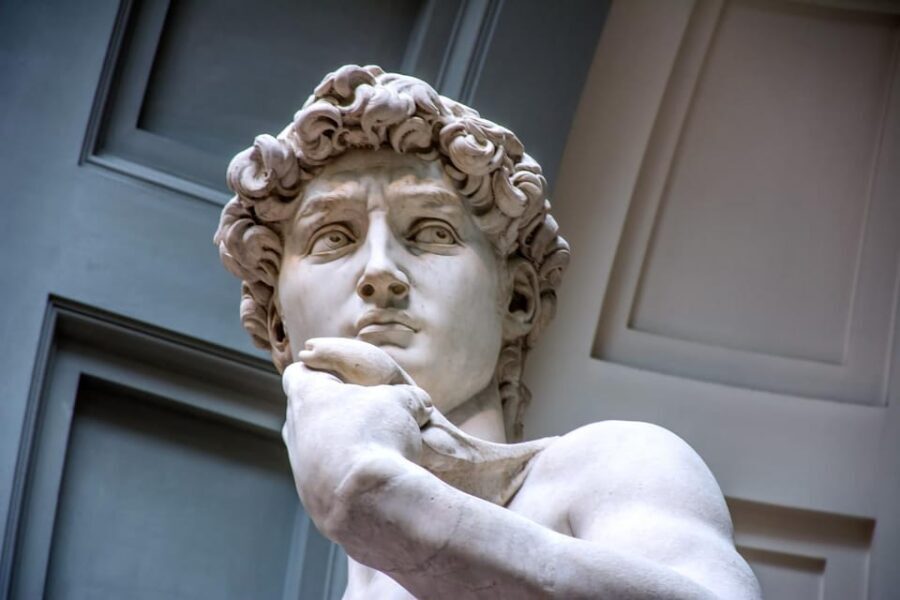
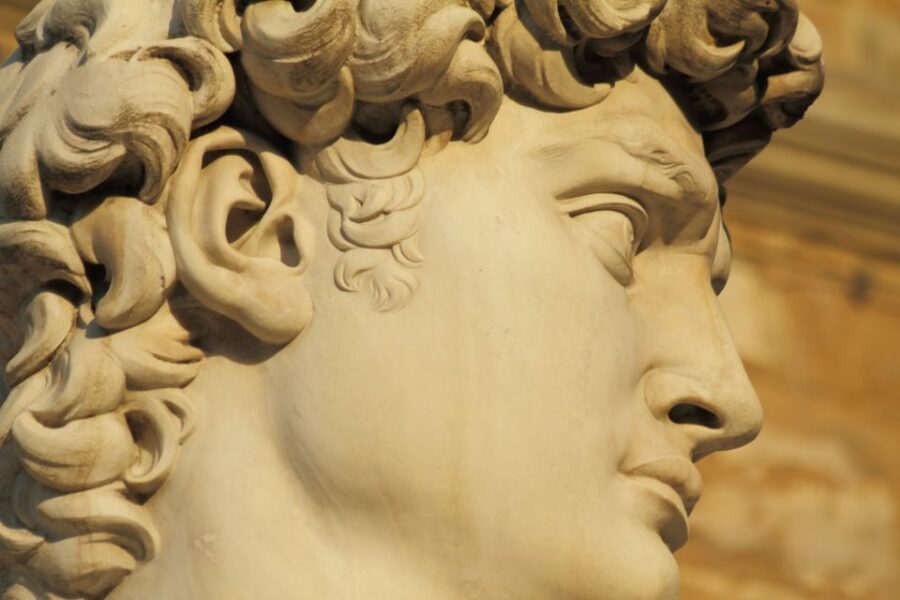
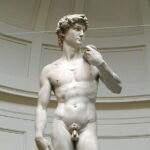
If your Florence trip has room for only one “wow” statue, start at the Accademia. This tour leads you into Michelangelo’s David at the Accademia Gallery, then fills in the surrounding pieces that help you see David as more than a famous image. You’ll also encounter other notable works such as I Prigioni (the Prisoners) and San Matteo, which makes the museum feel less like a one-stop photo break and more like a guided argument about craft and intention.
I like how the guide explains David in terms of strength, courage, and the power of the Florentine Republic. That framing matters because David is easy to treat as a symbol you already know. With the added context about Michelangelo’s carving journey—reported as taking three years—you’re more likely to look longer, notice posture and hands, and understand why the statue is so charged.
There’s a practical upside too: you’re starting with a key museum while the day still has energy. By the time you reach the Uffizi, you’ll feel your attention has shifted from “bigger is better” toward “this painting was built on decisions.” That’s a nicer way to travel.
You can also read our reviews of more walking tours in Florence
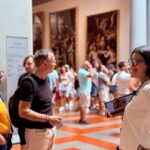
The Florence walking portion: Medici streets, Duomo Complex, Orsanmichele, and the Straw Market
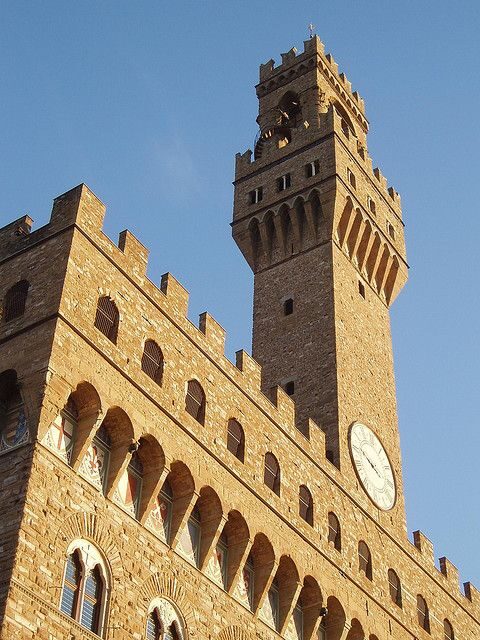
After the Accademia, the tour turns into a street-level Florence lesson. You begin in the Medici district, where you’ll see the palace and the San Lorenzo Church area. This matters because the Medici weren’t just background characters in Renaissance Florence; they’re part of the city’s power structure, art patronage, and public identity. Seeing these landmarks early helps the later museum art feel grounded in real neighborhoods.
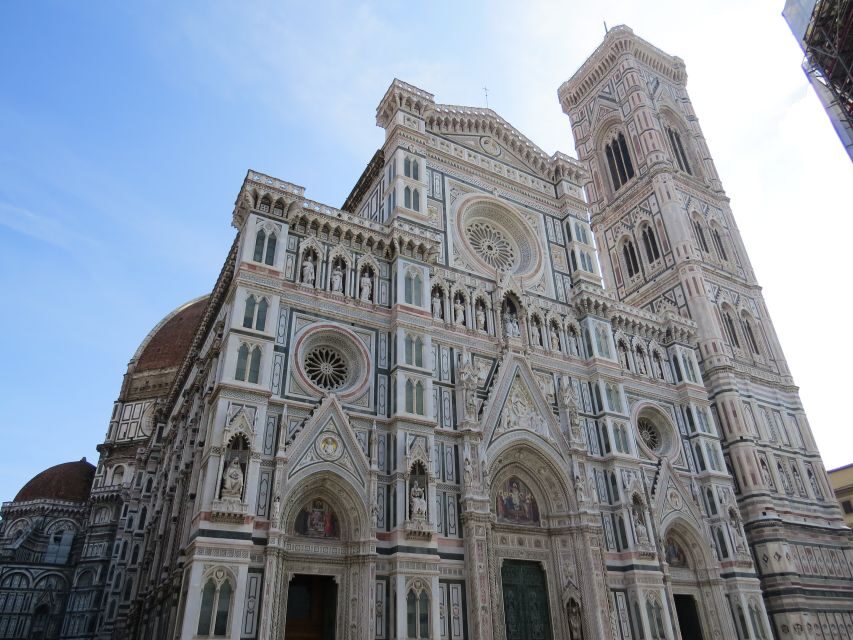
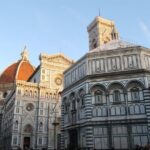
Next comes the Duomo Complex and the Florence Cathedral. The point here isn’t only that it’s stunning; it’s that the guide ties the cathedral area into the way the city grew and how different periods shaped the streets around it. If you like architecture, you’ll get a better sense of why people built and rebuilt here over time.
Then you’ll wander through medieval streets and hit one of the city’s more unusual stops: Orsanmichele, described here as a unique church. Close by is the Straw Market area. Even if you don’t shop, this is a useful contrast: it reminds you Florence wasn’t created solely by grand monuments. It also ran on trades, daily movement, and compact marketplaces.
Quick reality check: this walking stretch is where comfortable shoes become non-negotiable. You’ll be on your feet for long parts of the day, and the pace is built around keeping you on track for the afternoon museum entry.
Piazza Signoria to Palazzo Vecchio: Florence’s political stage
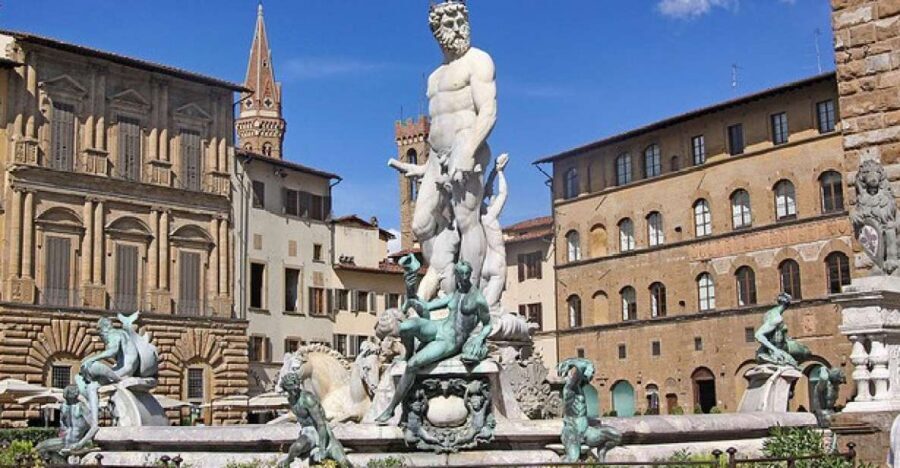
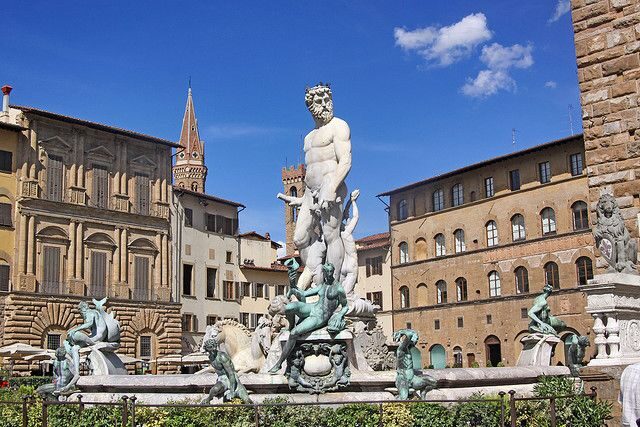
One of the smartest parts of this itinerary is the way it lands you at Piazza Signoria. You’ll see the imposing Palazzo Vecchio and get the atmosphere of the square. This is one of those spaces where the guide’s job is harder but more rewarding: you’re standing where power was performed. The square doesn’t feel like a set piece; it feels like a public room for politics, art commissions, and civic pride.
From here, the tour uses walking as a storytelling tool. You’re not only passing landmarks; you’re moving through the city the way a Florentine might have. The guide’s explanations tend to connect what you see now to the roles those buildings played then.
Vasari Corridor to Ponte Vecchio: the walk that ends in jewelry shops
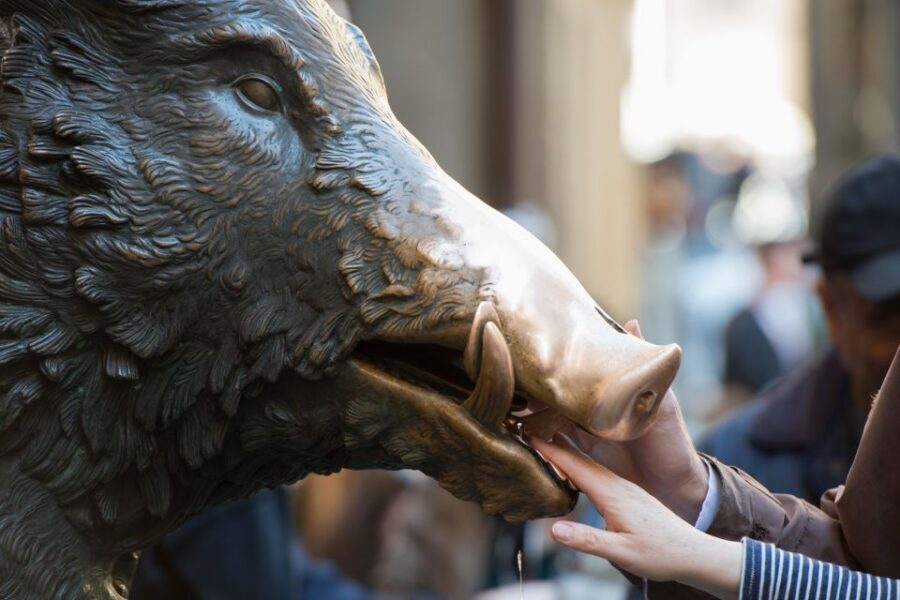
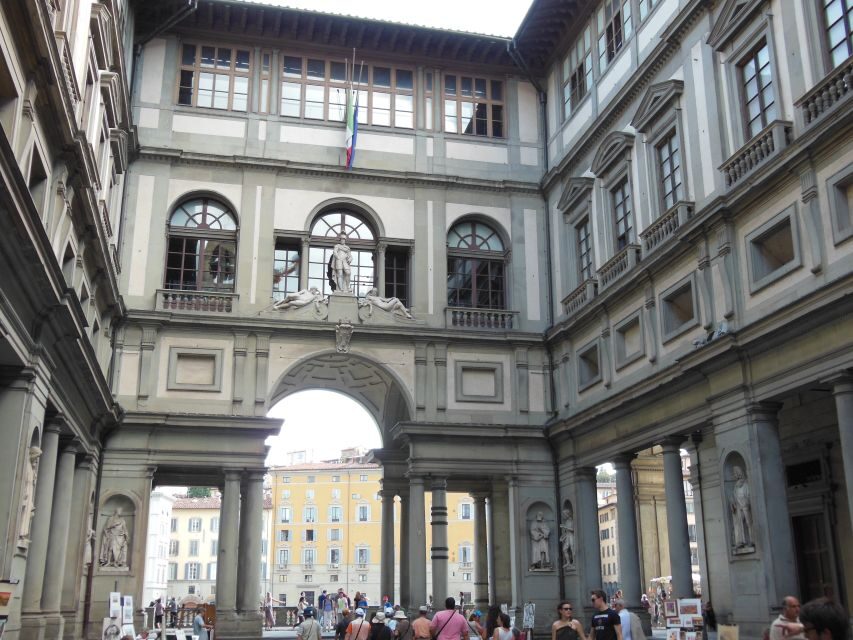
Next you’ll walk along the Vasari Corridor to reach Ponte Vecchio, finishing near the famous jewelry shops. This is a great closing walk for the morning because it shifts you from squares and churches into an artery of the city—an iconic bridge area that feels distinctly Florence.
Also, Ponte Vecchio is visually addictive. You can’t help but look down, up, and around. With a guide talking you through what this crossing represents, you’ll likely stop thinking of it as just a photo spot and start reading it as a line connecting parts of the city’s elite world. The end result is a more satisfying finish to the walking portion.
Optional Tuscan lunch: how to make the pause feel worth it
Lunch is offered as a typical Tuscan meal in a restaurant in Florence’s old town, with drinks paid on the spot if you choose the lunch option. I like this setup because it keeps the day human. After museums and walking, you need a break that’s still in the rhythm of the itinerary, not an independent scavenger hunt.
One tip: if you choose lunch, treat it like a reset button. Don’t plan a “big later museum habit” immediately after. Use the meal to slow down your feet, refill water, and shift mentally from “watch” to “absorb,” since the Uffizi galleries are visually demanding.
You can also read our reviews of more museum experiences in Florence


Uffizi Gallery in the afternoon: Botticelli, Michelangelo, Leonardo, and the big names you came for
The best afternoon move is that you get to the Uffizi with a reserved time, which helps you avoid long, stressful queues at the ticket office. Inside, you’ll tour with a local professional guide and use earphones. That’s a real quality-of-life feature because Uffizi rooms can be loud, and without amplification you’d be stuck trying to read lips or crank your ears.
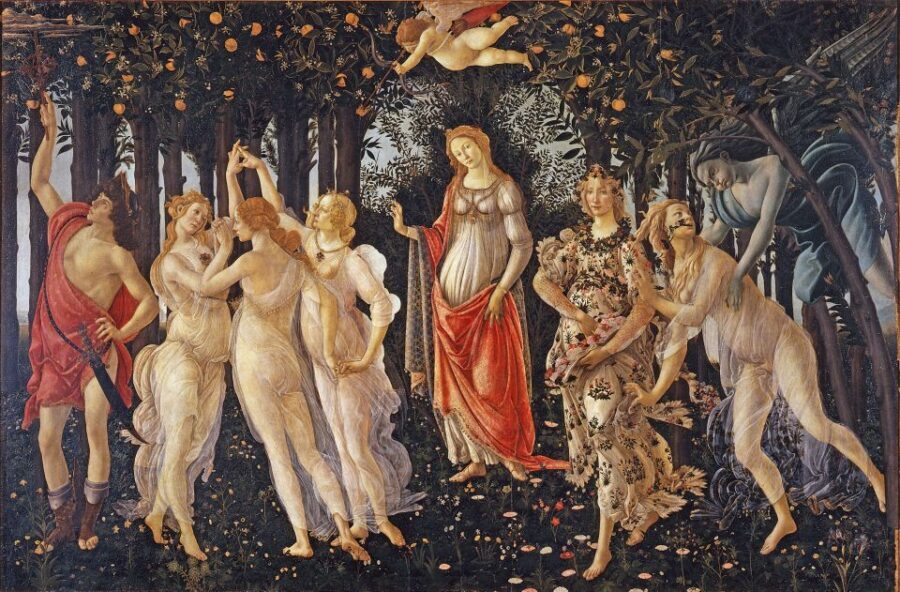
The tour focus is clear and high-impact: you’ll see works by Botticelli, Michelangelo, Leonardo da Vinci, and more. The highlights called out here include Botticelli’s Primavera and Birth of Venus. If you’re coming to Florence hoping to understand why these paintings still rule conversations, this is a strong way to do it without spending hours wandering room-to-room.
Here’s why the guide support matters: these are famous works, so it’s easy to think you already know them. With the tour framing, you’ll usually notice how composition and symbolism work together. Even if some details won’t click immediately, the structure of a guided route gives your brain a map, so later, when you see similar motifs elsewhere in the museum, you’ll recognize patterns faster.
Two notes from how this tour performs in practice:
- The guides can be a major reason the experience feels excellent. One Uffizi guide named Giulia was specifically praised for being rich in detail and attentive, which is the kind of approach that turns a highlight tour into a learning experience.
- Headsets have been an occasional weak point on the Uffizi side. If the audio kit isn’t working well, it can make the experience feel less smooth. Still, when the guide is strong, you usually end up catching the essentials.
The Uffizi Terrace: the last views you’ll remember
After the guided Uffizi portion, the tour concludes at the Uffizi Terrace. You’ll get an exclusive view of city landmarks, and that’s a smart way to end. Museum hours can blur together; a viewpoint gives your eyes a break and helps you connect art to the city that produced it.
If you want to linger, you can stay longer in the museum after the guided tour. I like that flexibility because you can turn your attention to works that caught your eye during the highlight route, without feeling like you have to do everything in one shot.
Price and value for about $164: where the money goes
At about $164.26 per person for a 6-hour tour, you’re paying for three things that matter in Florence: (1) museum entry with reservation handling, (2) a guide for both the street portion and the museum portion, and (3) time efficiency.
You’re not just buying access to the Accademia and Uffizi. You’re buying guaranteed entry time and help delivered at the meeting point, which reduces the time sink of ticket lines and sorting. You’re also paying for earphones inside the museums, which keeps the guide’s commentary usable rather than frustrating.
Value can swing based on guide quality and the on-site details. One critical perspective noted the explanations felt poor and that the quality-to-price ratio didn’t match expectations. That’s a reminder that for tours like this, you should treat the guide experience as a key variable. If you’re the type of traveler who needs accurate, well-paced storytelling, this is worth confirming by your own preferences on what you want out of a guided visit.
Small-group pace, languages, and guide delivery

This is a small group tour, which is usually the sweet spot between personal attention and getting stuck behind a big crowd. The tour also offers multilingual assistance at the meeting point, and the guide language is listed as English and Spanish. There’s also a seasonal note: April to October is monolingual.
In the best versions of this tour, the guide conversation feels practical and responsive—like they’re there to answer questions, not just move you from A to B. That’s exactly what the stronger Accademia and Uffizi guide feedback points to: attentive guides who stay engaged.
If you’re sensitive to audio issues, keep an eye on the headset quality in the Uffizi portion. When the system is tested and working well, the earphones make a big difference. When they’re not, you may end up leaning on the guide’s voice without the amplification you expected.
Logistics you should plan around: meeting points, first Sundays, and shoe choice
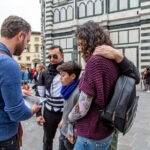
This tour works best when you handle the first step carefully. The meeting point may vary depending on the option booked, and the winter meeting location is specifically identified: from November 1 to March 31, the Uffizi meeting point is at the Uffizi Gallery Piazzale, in front of the Dante Alighieri Statue near door number 1. An assistant waits in blue clothing with Caf Tour and Gray Line logos.
One more thing: on the first Sunday of each month, entrance is free, but tickets can’t be reserved ahead of time, and entry is not guaranteed. If your trip lands on that date, you’re trading certainty for savings, which can be stressful on a day packed with both museums and walking.
Finally, bring comfortable shoes. That’s not a generic rule here; the itinerary includes a long walk through multiple neighborhoods, bridges, squares, and market areas.
Who should book this Accademia + Uffizi walking combo
This is a great fit if you:
- Want a single day that covers the Accademia and the Uffizi without spending hours planning routes inside
- Enjoy guided art explanations that connect sculpture and painting to the city around it
- Prefer a small group pace and earphones inside museums
- Like structured sightseeing: big stops, then time to look more closely
It may be less ideal if you:
- Need a super flexible itinerary with lots of free wandering (this plan is timed)
- Get easily stressed by meeting-point ambiguity (the day starts with a walking component, so clarity matters)
- Know you’ll be irritated by headset problems if the audio kit isn’t working
Should you book it?
I’d book this tour if your priority is the core Florence hits—David at the Accademia, the Duomo Complex area, Piazza Signoria and Palazzo Vecchio, Ponte Vecchio, then a guided Uffizi route anchored on Botticelli and other giants. The reserved entry and small-group format help you spend more energy looking and less energy waiting.
Before you commit, do two practical checks: confirm the exact meeting point for your date/season, and plan your shoes and stamina for a full day. If you’re the kind of visitor who gets turned off by vague explanations or shaky audio, consider that this experience can vary based on guide delivery and headset performance. When it clicks, it turns Florence into one connected story instead of two separate museum checklists.
FAQ
How long is the Florence Walking Tour with Accademia & Uffizi Galleries?
The tour lasts 6 hours. Starting times vary, so you’ll need to check availability to see when it begins.
What are the main museum highlights included?
You’ll visit the Accademia Gallery, home to Michelangelo’s David, and then the Uffizi Gallery, with key works including Botticelli’s Primavera and Birth of Venus.
Is lunch included?
A typical Tuscan lunch in a restaurant in Florence old town is offered if you select that option. Drinks are paid on the spot.
Do I skip the ticket lines?
Yes. The tour includes entrance ticket and reservation handling, and it’s designed to help you avoid long and stressful queues at the ticket office.
Where do I meet the guide?
The meeting point may vary depending on the option booked. From November 1 to March 31, the Uffizi meeting point is at the Uffizi Gallery Piazzale in front of the Dante Alighieri Statue near door number 1, with an assistant wearing blue clothing.
What should I bring?
Wear comfortable shoes. The itinerary includes a walking portion through Florence.
Is it free on the first Sunday of the month?
On the first Sunday of each month, entrance is free of charge, but tickets can’t be reserved ahead of time, so entry is not guaranteed.
You Might Also Enjoy

More Walking Tours in Florence
More Tours in Florence
- The Best tour in Florence: Renaissance & Medici Tales – guided by a STORYTELLER
★ 5.0 · 12,316 reviews

More Tour Reviews in Florence
- Tuscany Day Trip from Florence: Siena, San Gimignano, Pisa and Lunch at a Winery
★ 5.0 · 21,634 reviews - The Best tour in Florence: Renaissance & Medici Tales – guided by a STORYTELLER
★ 5.0 · 12,316 reviews