REVIEW · FLORENCE
Best of Florence Highlights Walking Tour including Michelangelo’s David
Book on Viator →Operated by Guided Tours of Florence and Tuscany · Bookable on Viator
Florence can feel like a lot at first. This tour is a tight way to connect the dots between the city’s Renaissance landmarks and the stories behind them, ending with skip-the-line access to the Accademia.
I especially like how it pairs big-picture history with street-level sights you can actually point at as you walk. You also get a true museum moment at the Accademia Gallery, centered on Michelangelo’s David, without wasting time in long queues.
One practical note: not every stop is the same on admissions, so you’ll want to read what’s included for each segment (some entries are listed as free or included, and one is marked as not included).
If you’re expecting a long, slow wander or extra time inside each church, this 3-hour format may feel a bit brisk. Still, it’s a strong “see the core, understand the why” plan.
In This Review
- Key Things I’d Focus On
- A Fast Way to Get Oriented in Florence’s Renaissance Core
- Santa Croce Square to Bargello Palace: More Than the Postcard Church
- Ponte Vecchio and the Vasari Corridor View
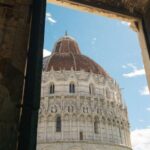
- Piazza del Duomo: Dome, Bell Tower, and Baptistery Details
- Accademia Gallery Timing for Michelangelo’s David
- Why the Private Format Actually Helps (Not Just a Marketing Line)
- Price and Value: Is $276.91 Worth It?
- Who This Tour Fits Best
- Should You Book This Florence Highlights + David Tour?
- FAQ
- FAQ
- How long is the Best of Florence Highlights Walking Tour?
- Is this tour private?
- Where does the tour start?
- Does the tour end at the meeting point?
- What will I see on the walk?
- Is skip-the-line access included for the Accademia Gallery?
- Are admission tickets included for every stop?
- What kind of fitness level do I need?
- What’s included besides the guide?
- What is the cancellation policy?
Key Things I’d Focus On
- Skip-the-line Accademia Gallery for a smoother visit to Michelangelo’s David
- Ponte Vecchio history plus the Vasari Corridor context while you’re standing there
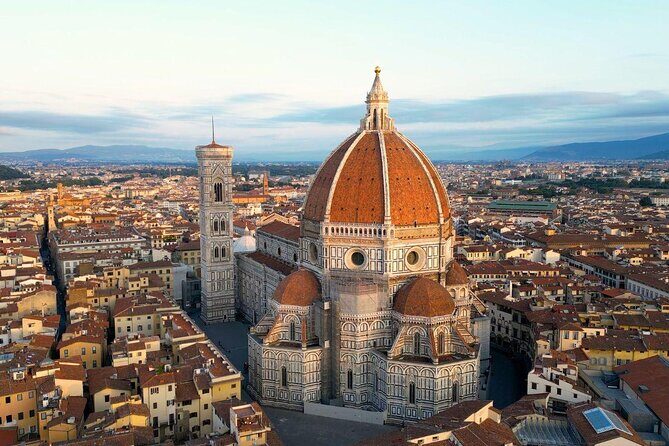
- Duomo Plaza viewpoints for Brunelleschi’s Dome, Giotto’s bell tower, and the Baptistery
- Santa Croce + Bargello Palace angle that goes beyond the postcard list
- Private, only-your-group format for better pacing and questions
- Two-guide approach (local guide plus professional art historian guide)
A Fast Way to Get Oriented in Florence’s Renaissance Core
This is built for momentum. You start on foot in the oldest, most story-heavy parts of the city and keep moving through squares, bridges, and museum space that define Florence’s Renaissance identity. The big win here is that you’re not just looking—you’re learning what you’re seeing as you go.
The tour runs about 3 hours, which is long enough to hit the main sights without turning into a half-day marathon. It’s also listed as private, meaning only your group participates, so you’re less likely to get stuck waiting for a large crowd to catch up. You’ll be near public transportation, too, which helps if you’re arranging the rest of your day.
I also like that the experience is guided by a local expert plus a professional art historian guide. That combo matters in Florence, where architecture, politics, patronage, and artists are tangled together. You’ll feel the connections faster when someone explains them in plain terms while you’re walking.
You can also read our reviews of more walking tours in Florence
Santa Croce Square to Bargello Palace: More Than the Postcard Church
The tour kicks off at Piazza di Santa Croce. You’ll be close to the Church of Santa Croce (you start outside it), and then you move toward Bargello Palace, highlighted as a strong example of medieval architecture that’s not always included on shorter guided routes.
This is a smart opening because it gives you a wider frame before you hit the Duomo area. Florence’s Renaissance didn’t pop out of nowhere—it grew on older foundations. When you hear the history of the city and Renaissance developments right at the start, the rest of the walk makes more sense.
The timing for this section is about 1 hour, and the entry is listed as not included for this stop. That’s not a problem if you’re mainly there for the streets, squares, and exterior context. But if you were hoping to plan your budget around everything being covered, keep an eye on that one detail.
One small drawback to keep in mind: this part is focused on orientation and key streets, so don’t expect a long, inside-the-church deep visit. You’re there to get oriented, learn the storyline, then move.
Ponte Vecchio and the Vasari Corridor View
Next comes one of Florence’s most recognizable scenes: Ponte Vecchio. The bridge is described as dating back to the fourteenth century and is still in use—so you’re not just seeing an old photo. You’re standing on something that has literally worked for centuries.
You’ll get a “close your eyes, then open them” moment as you look over the views around Florence. Then the guide connects the geography to the human story: the history of the bridge and the Vasari Corridor, including how it radically modified the shops (botteghe) placed on the bridge.
This is where a guided approach really pays off. Without context, Ponte Vecchio can turn into a quick stop for photos. With context, you start understanding why the bridge became such a powerful place for commerce and control, and why architecture and influence are intertwined in Florence.
This segment is also about 1 hour, and the entry is listed as included here. That’s useful for budgeting because you won’t have to second-guess whether extra tickets are needed at this stop.
Practical tip for you: if you want photos, plan to take them while the group pauses. Don’t fight the flow. The best shots come when you’re not rushing and you can step aside for a second.
Piazza del Duomo: Dome, Bell Tower, and Baptistery Details
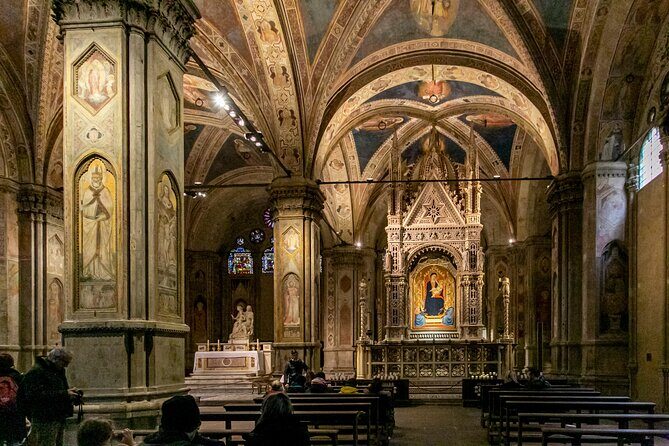
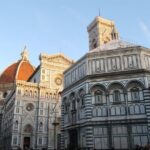
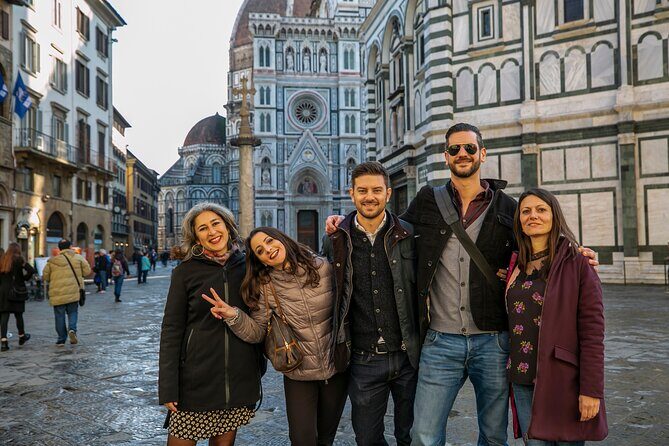
Then you hit Piazza del Duomo, and the route is designed to make the space feel meaningful. You’ll see the medieval tower houses around the oldest part of Florence, then move into the classic cathedral-plaza setting where the architecture almost forces you to look up.
Here, the focus is on the big three:
- Brunelleschi’s Dome, described as a miracle of architecture and a symbol of the Renaissance movement because of its daring design and challenging realization
- Giotto’s bell tower, presented as a prototype of 1300s architecture
- The Baptistery, including the Porta del Paradiso
The best value of this stop is that it’s not just a sight list. The guide frames how Florence used design and construction to signal a new way of thinking. Even if you’ve seen pictures of the dome before, hearing what made the project difficult helps the structure land differently.
This part is about 1 hour, and the entry is listed as free for this segment. That’s good news for your budget and also makes the plaza timing feel efficient. You’re spending time where you don’t have to negotiate tickets, then you save your ticket energy for the museum stop.
One consideration: the Duomo area can attract crowds on any given day. A private, guided pace helps, but you’ll still want comfortable shoes and patience.
Accademia Gallery Timing for Michelangelo’s David

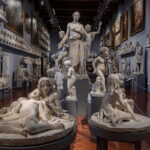
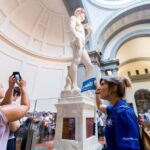
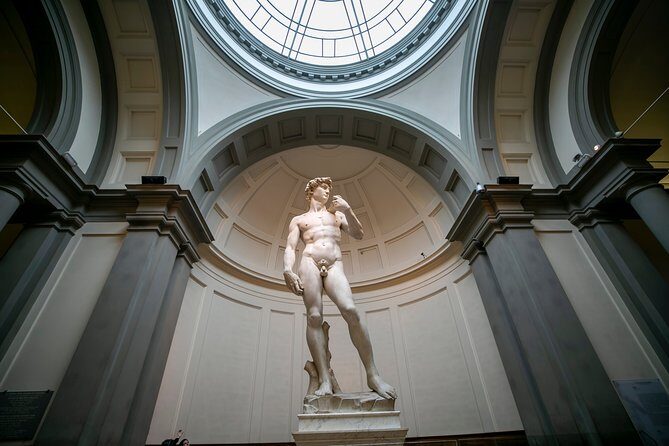
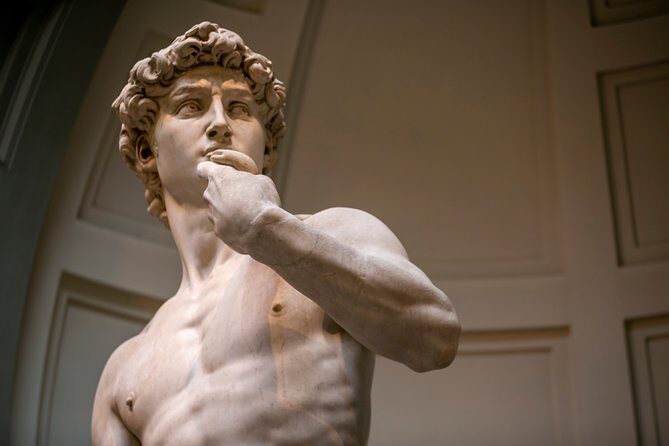
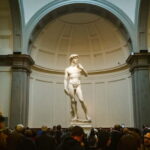
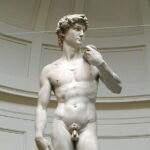
The finale is the reason many people book this tour: the Accademia Gallery and Michelangelo’s David.
You’ll head to the museum for skip-the-line access, which is the biggest practical advantage in the whole plan. In a city where queues can eat your time, skipping long lines is how you protect your day. You get more time seeing, and less time standing around.
This stop is listed as about 1 hour, with admission marked as included. You’re also getting the focus point you came for: David. In a short tour, that matters. Instead of splitting your energy across multiple museum rooms, you’re directed to the single masterpiece everyone recognizes.
A small expectation-setting note: the tour time in the museum is limited. That doesn’t make it bad. It just means you should come ready to appreciate what you’ll see most, not to read every label possible.
If you want to make the most of your visit, I suggest thinking about scale before you arrive—David’s impact is partly its size and proportions, not only the famous face. When your guide helps connect the sculpture to Renaissance ideas, it tends to feel more alive than a quick glance.
- Tuscany Day Trip from Florence: Siena, San Gimignano, Pisa and Lunch at a Winery
★ 5.0 · 21,634 reviews

Why the Private Format Actually Helps (Not Just a Marketing Line)
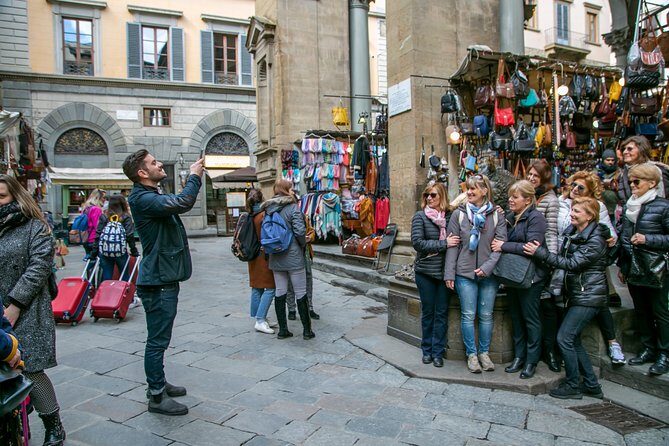
“Private tour” can mean a lot of things. In this case, the key detail is clear: only your group participates. That usually leads to three practical wins.
First, pacing. You’re not stuck waiting for a big group to move from square to square. Second, questions. If you’re the type who wonders why a bridge was arranged that way or what the dome’s design meant at the time, you’re more likely to get answers on the spot. Third, the experience feels more like a guided walk with focused stops rather than a rushed checklist.
You’re also getting a guide mix—local guide plus a professional art historian guide—which signals that the explanations are meant to go beyond surface commentary. In Florence, people often focus only on what to see. This approach supports why it mattered.
The duration—about 3 hours—helps too. You finish with your bearings better than when you started, and you’re not locked into a whole day of museum hours.
Price and Value: Is $276.91 Worth It?
Let’s talk numbers without pretending everyone has the same budget. At $276.91 per person for about 3 hours, this is not a “cheap and cheerful” add-on. But value in Florence often comes down to time saved and how efficiently your day gets structured.
Here’s what you’re paying for, in plain terms:
- A local guide and a professional art historian guide
- Skip-the-line access at the Accademia Gallery
- A tight sequence of key sites: Santa Croce area, Ponte Vecchio, Piazza del Duomo, then David
The skip-the-line element is the big lever. If you’re going during peak days, the savings can be huge in stress, not just minutes. You also avoid the risk of burning time at the museum and losing the rest of your plan.
Also look at what’s included versus not included. One stop is marked admission not included, others are free or included. That mix can affect your total day cost, depending on what you choose to add on beyond the tour.
Another value point: it’s listed as booked on average 56 days in advance, which usually hints at demand. If you wait too long, your preferred date might disappear. Planning ahead can keep this from feeling like a gamble.
Who This Tour Fits Best
This tour is a good match if you:
- Want a clear introduction to Florence’s Renaissance highlights without planning a museum day from scratch
- Prefer guided explanations while you’re standing in front of the architecture
- Like art history but don’t want to spend a full day in one museum
- Value the museum piece most—Michelangelo’s David—done efficiently
It may feel less ideal if you:
- Want long, unhurried time inside churches or museums
- Have very limited mobility or expect to move slowly for extended stretches (moderate physical fitness is listed)
Because it returns to the meeting point, it also works well as a first-day orientation or a mid-trip reset.
Should You Book This Florence Highlights + David Tour?
I’d book it if your goal is to get Florence’s main sights in one guided, time-smart walk, with the most important museum stop handled the easy way. The mix of Renaissance context, Ponte Vecchio history, Duomo plaza architecture, and then skip-the-line David is a solid storyline that holds together.
If you’re the type who loves details, you’ll appreciate the way the tour links design and power—especially around the Vasari Corridor and the Duomo’s construction challenge. If you’re trying to manage time and still see the core, this format makes sense.
If you’re on a tight schedule and don’t want to figure out logistics, the private setup and skip-the-line Accademia visit are the practical reasons it earns a place in your plan.
FAQ
FAQ
How long is the Best of Florence Highlights Walking Tour?
It’s about 3 hours.
Is this tour private?
Yes. It’s a private tour/activity, and only your group participates.
Where does the tour start?
It starts at Piazza di Santa Croce, 50122 Firenze FI, Italy.
Does the tour end at the meeting point?
Yes. It ends back at the meeting point.
What will I see on the walk?
You’ll cover Church of Santa Croce area, Bargello Palace (outside area), Ponte Vecchio, Piazza del Duomo (including views of Brunelleschi’s Dome, Giotto’s bell tower, and the Baptistery), and the Accademia Gallery for David.
Is skip-the-line access included for the Accademia Gallery?
Yes. Skip the line is included.
Are admission tickets included for every stop?
Not exactly. Ponte Vecchio and the Accademia Gallery list admission as included, Piazza del Duomo is listed as free, and Bargello Palace is listed with admission ticket not included.
What kind of fitness level do I need?
Moderate physical fitness is recommended.
What’s included besides the guide?
The tour includes a local guide, a professional art historian guide, and skip-the-line access. Mobile ticket is also noted.
What is the cancellation policy?
Free cancellation is available. You can cancel up to 24 hours in advance for a full refund. Changes within 24 hours of the start time aren’t accepted, and if the minimum number of travelers isn’t met, you may be offered a different date/experience or a full refund.
You Might Also Enjoy
More Walking Tours in Florence
More Tours in Florence
- The Best tour in Florence: Renaissance & Medici Tales – guided by a STORYTELLER
★ 5.0 · 12,316 reviews
More Tour Reviews in Florence
- Tuscany Day Trip from Florence: Siena, San Gimignano, Pisa and Lunch at a Winery
★ 5.0 · 21,634 reviews - The Best tour in Florence: Renaissance & Medici Tales – guided by a STORYTELLER
★ 5.0 · 12,316 reviews