REVIEW · FLORENCE
From Florence: Tuscany Hills Wine Tour
Book on GetYourGuide →Operated by My Tour in Italy · Bookable on GetYourGuide
Your wine day starts on a hilltop road. This full-day Tuscany Hills Wine Tour swaps Florence crowds for medieval lanes, UNESCO-approved scenery, and two wine stops with generous tastings. You’ll pair Chianti and Nobile di Montepulciano (plus snacks) with real time to wander Montepulciano and Pienza at your own pace.
I especially like how the tour mixes wine education with sights: you’re not just “drink and go.” The winery visits include extra virgin olive oil production, and you get to compare multiple wines in one setting.
The main drawback is that it’s a long day with lots of walking on uneven ground and stairs. If you’re not comfortable climbing and descending, Montepulciano and Pienza can feel like they take over your legs before the wine can.
In This Review
- Key highlights that make this tour worth it
- A long day of wine hills from Florence
- Meeting point and timing: how the 12.5 hours play out
- Montepulciano first: medieval streets, big views, and movie connections
- Winery storytelling and wine comparison at the first cellar
- Pienza and Val d’Orcia: a UNESCO stop with time to breathe
- The Montepulciano second-chance moment: Nobile di Montepulciano and snacks
- Cheese and wine shopping: how to do it without ruining your day
- Montalcino stop: one more cellar-style experience on the way back
- Price and value: what you’re paying for at about $146
- What to pack (and what to watch for) when you’re climbing Tuscany
- Who should book this Tuscany wine tour?
- Should you book this Tuscany Hills Wine Tour?
- FAQ
- How long is the Tuscany Hills Wine Tour from Florence?
- Where do I meet the guide, and where does the tour end?
- What wine is included in the tastings?
- Are meals included?
- Do I need to be able to walk on stairs?
- What languages are the guides available in?
Key highlights that make this tour worth it
- Montalcino, Montepulciano, and Pienza in one day so you see multiple wine-town vibes without planning anything
- UNESCO Val d’Orcia stop in Pienza with guided context and time to explore on your own
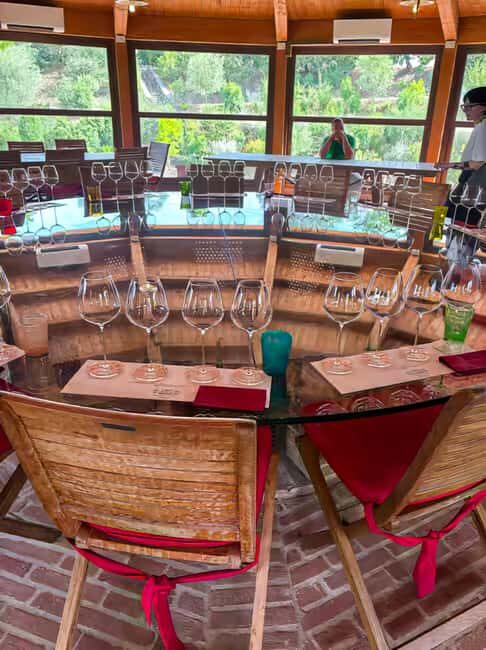
- Two winery cellar moments with tasting sets that focus on differences between wines
- Chianti and Nobile di Montepulciano tastings paired with Tuscan snacks
- Olive oil + wine at the winery so you understand more than just what’s in the glass
- Practical free time in Montepulciano and Pienza for lunch, photos, and shopping
A long day of wine hills from Florence
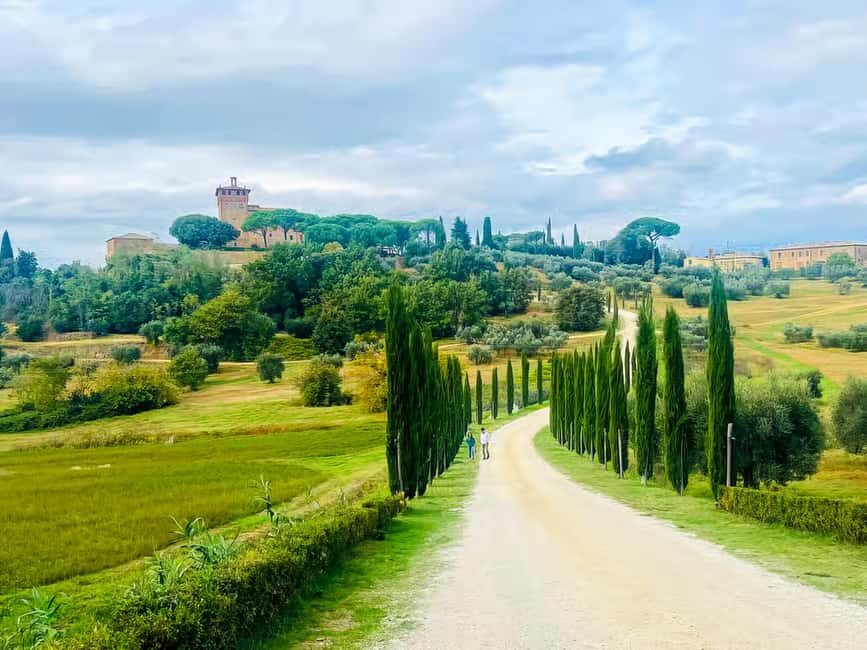
This tour is built for people who want a full taste of Tuscany without driving. You start in Florence, meet your guide in the morning, then spend the day moving through hill towns and countryside with a comfortable bus setup and a live interpreter-style guide.
The rhythm is simple: you ride, you stop, you taste, you walk. That’s why it works. You get structure for the wine and the story, then freedom when you’re in Montepulciano and Pienza—those are the moments where you can just look up at stone facades and take photos without feeling herded.
One note on expectations: it’s not a “quick wine sprint.” The day is long (about 12.5 hours), and you’ll feel it, especially if you end up doing extra stairs on your own.
You can also read our reviews of more wine tours in Florence
- Tuscany Day Trip from Florence: Siena, San Gimignano, Pisa and Lunch at a Winery
★ 5.0 · 21,634 reviews
Meeting point and timing: how the 12.5 hours play out
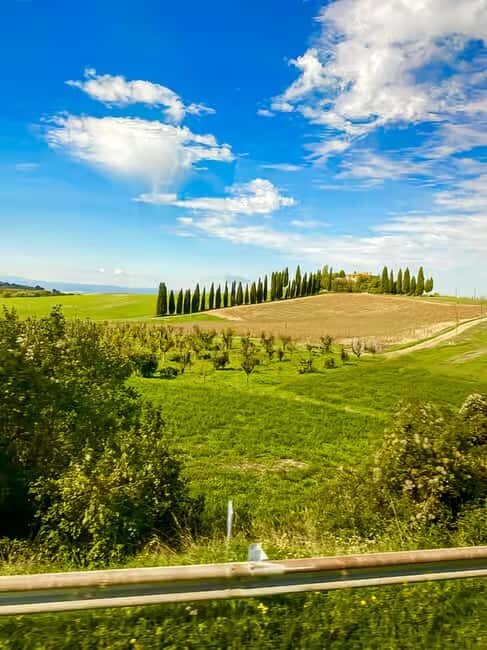
You meet your guide at Tuscany Region – Guadagni Strozzi Sacrati Palace and return to the same spot at the end. From there, you’re on an air-conditioned bus or minivan through multiple towns, with stops designed around both sight time and tasting time.
A practical reality: when a tour has to cover several hill towns, the bus portion is always part of the deal. If you’re sensitive to long stretches, bring a bottle of water and plan on saving your “big shopping bags” for the end of the day. One helpful tip from experience on tours like this: keep your daypack light so you’re not wrestling weight up and down curbs.
Also, the tour runs in multiple languages at the same time (Spanish, English, Italian, Portuguese, Chinese). That’s great for inclusion, but you’ll get the full value by keeping your attention on what’s happening in your language when the guide speaks.
Montepulciano first: medieval streets, big views, and movie connections
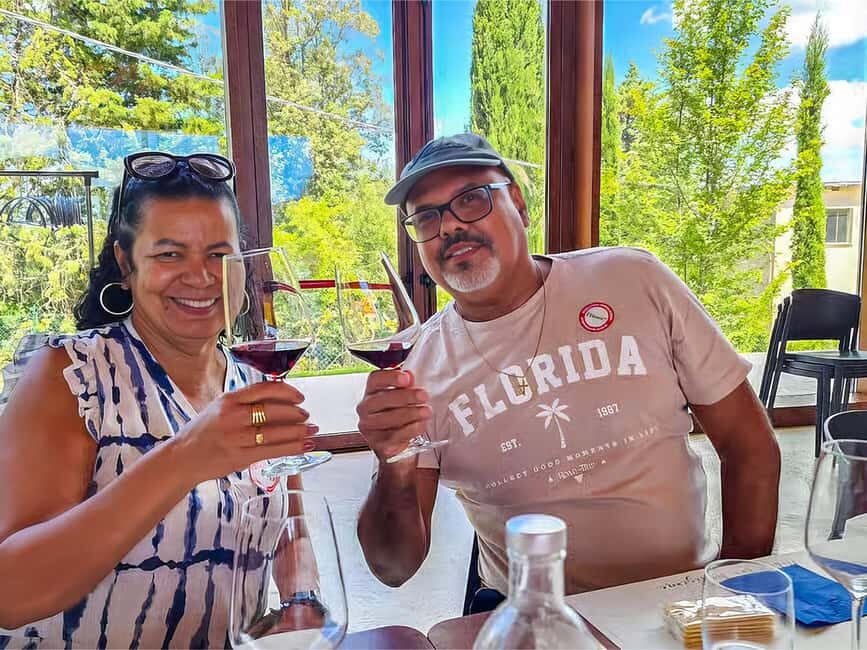
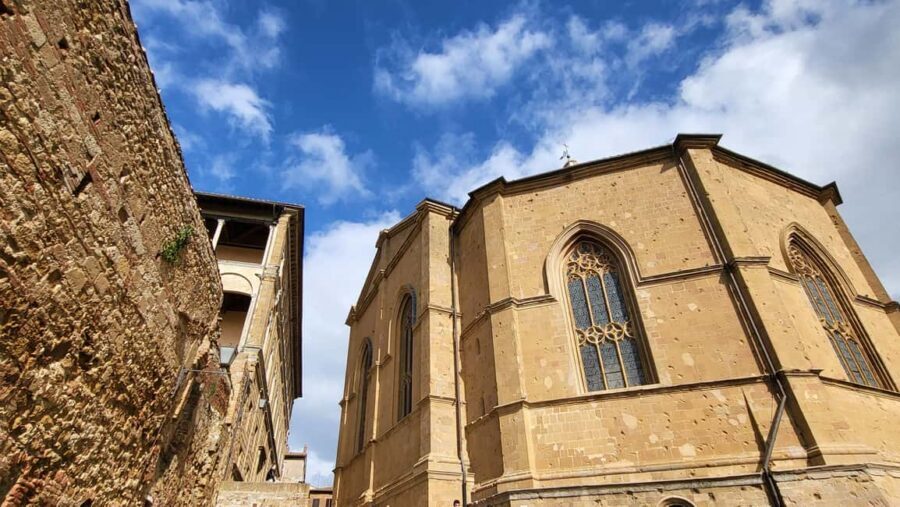
Your first major town stop is Montepulciano, a hilltop place where walking feels like you’re going through layers of history. The tour gives you a break for photos, sightseeing, and shopping. Translation: you’ll have enough time to wander, but you won’t have to feel like you’re doing an all-day self-tour without guidance.
Montepulciano also has a reputation beyond wine. It’s known for being a filming location for one of the world’s best-known film sagas, so you’ll see streets and buildings that have appeared on-screen. Even if you don’t care about film trivia, that kind of cultural cross-over makes the town feel more alive than a “just for tourists” stop.
What to plan for: stairs. The guided experience and your self-walk time will involve climbing and descending. If you’re traveling with anyone with mobility limits, this isn’t a gentle stroll. Comfortable shoes are not optional—think grip-first, not style-first.
Winery storytelling and wine comparison at the first cellar
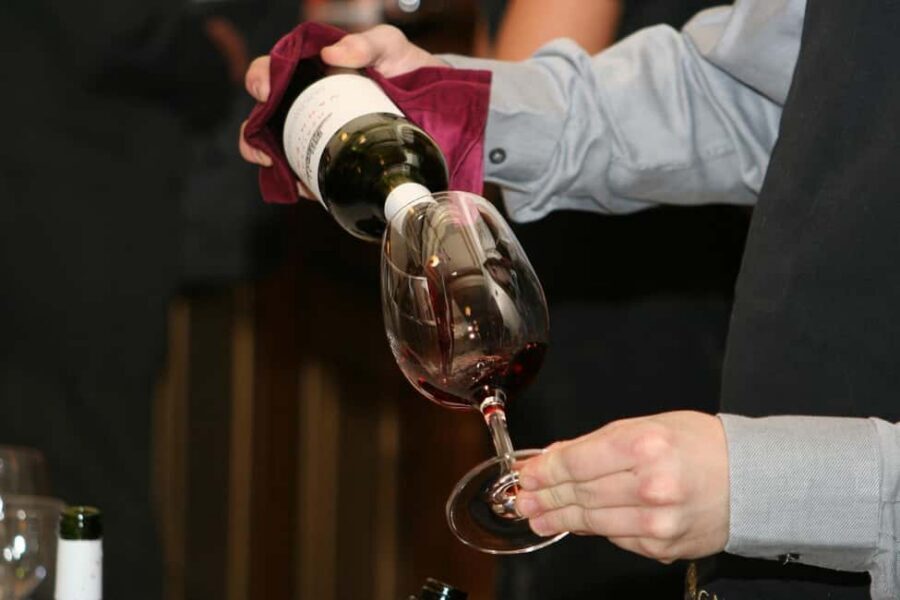
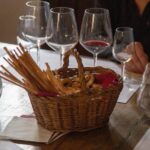
The tour’s first cellar stop is where it starts getting serious (in the best way). You’ll taste three different wines, so you can actually compare what changes from bottle to bottle instead of just sampling randomly.
What makes this stop stand out is the olive oil component. At the winery, you learn about producing extra virgin olive oil using ancient olive varieties. You’ll also have olive oil and Tuscan bread as part of the tasting rhythm. That matters because it helps you connect the flavors of Tuscany across categories. Wine is only half the story here; olive oil and bread are part of the everyday table.
The pacing is also designed well for a day like this. You get enough guidance to understand what you’re tasting, then you move on before you hit tasting fatigue. If you’re trying to decide what you might buy later, this is the place to pay attention.
Pienza and Val d’Orcia: a UNESCO stop with time to breathe
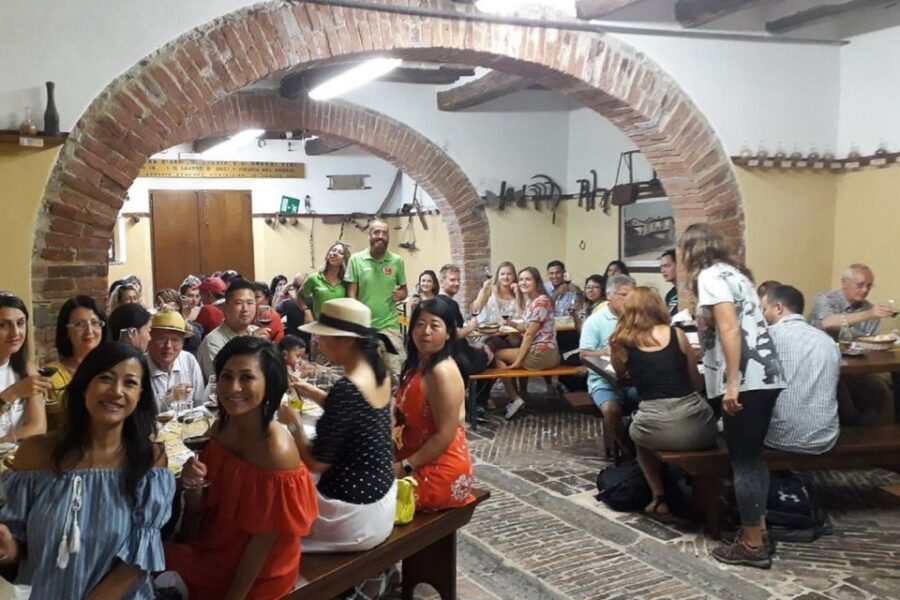
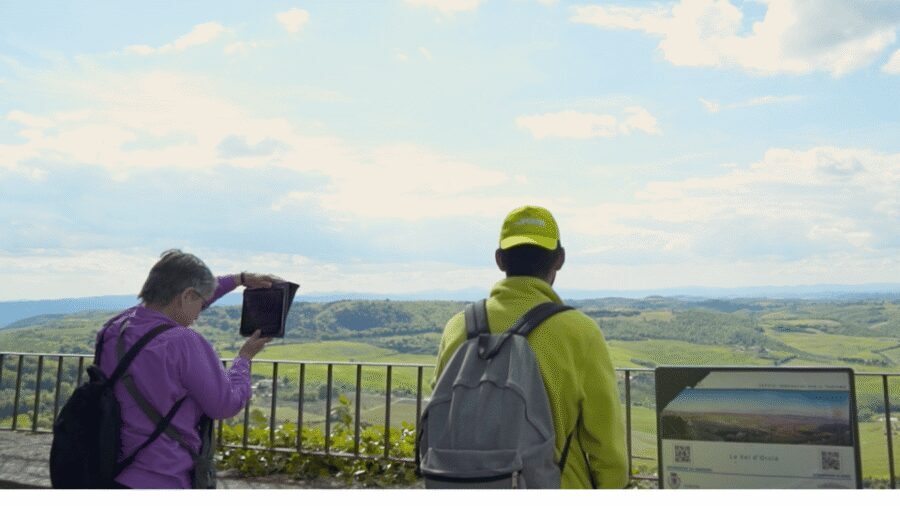
After Montepulciano, the tour heads toward Val d’Orcia, with Pienza as the main town visit. Val d’Orcia is UNESCO-recognized, and Pienza lives right inside that “classic Tuscany” image people carry in their heads: stone streets, open viewpoints, and a town layout that makes you feel like you’re moving through a postcard.
The tour gives guided context first, then you get free time to explore. You can walk lanes, take photos, and—this is key—eat lunch on your own. That flexibility is valuable. Organized tours can be hard on people with dietary needs or just different tastes. Here, you’re not stuck with one pre-decided menu.
If the weather is dry, Pienza is a dream. If it’s rainy, your timing becomes more important: you’ll still be able to see key sights, but outdoor wandering can feel shorter and more rushed. I’d bring a light layer even in warmer months. Hill towns can cool down fast once you’re out in the open.
- Tuscany Day Trip from Florence: Siena, San Gimignano, Pisa and Lunch at a Winery
★ 5.0 · 21,634 reviews

The Montepulciano second-chance moment: Nobile di Montepulciano and snacks
Back in Montepulciano, the tour leans into Nobile di Montepulciano. This is one of the main tasting focuses, and you’ll also get locally produced wines paired with traditional snacks at the second cellar.
This part of the day is where buying decisions get easier. Early tastings can feel like “new flavors.” Later tastings help you remember what you liked, then narrow it down. The tour also builds in shopping opportunities in the towns, so you might end up grabbing wine or cheese based on what you actually enjoyed rather than what a shop clerk suggests.
A smart move here: taste slower than you think you need to. You’re not just trying to drink. You’re trying to decide what you want to take home, and that requires you to pay attention to the differences.
Cheese and wine shopping: how to do it without ruining your day
One of the tour promises is a chance to purchase some of the best cheese and wines in Tuscany. That’s great, but it’s also where logistics can make or break the fun.
Here’s how I’d handle it:
- Buy heavier items (like cheese) with your return travel in mind.
- Keep your purchases compact until you’re done with all walking.
- Ask what kind of packaging you’ll get so you’re not scrambling later.
- If you’re sensitive to timing, plan to do most shopping in the town free-time slots rather than rushing during tasting.
Also, don’t forget the practical side of hill towns: shops and streets can have limited “hang time.” If you want to browse without feeling behind schedule, save your shopping for when you’re already in free time.
Montalcino stop: one more cellar-style experience on the way back
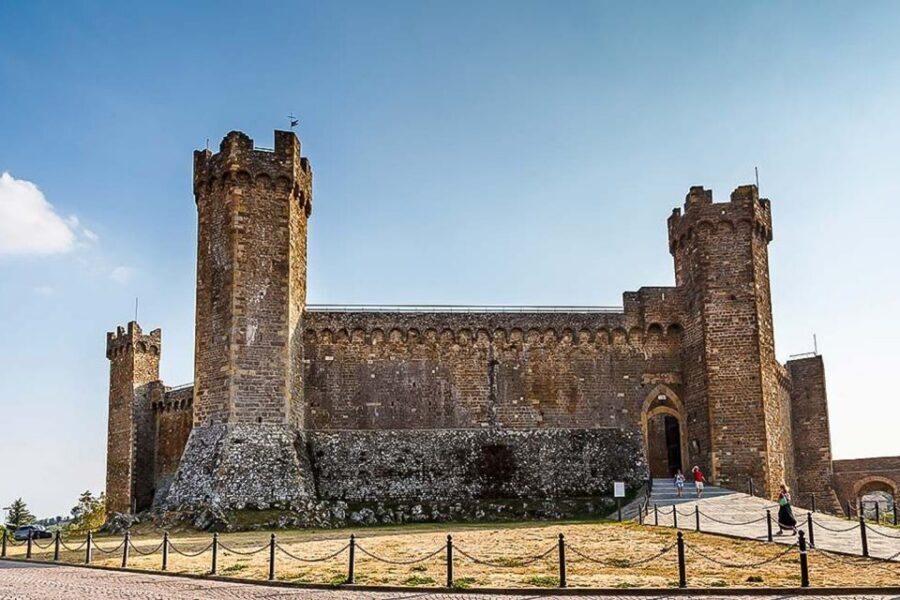
The day includes a stop in Montalcino. This isn’t just a photo stop. You’ll have time for a visit, a wine tasting, plus shopping and local snacks.
Montalcino adds another layer to the day’s wine theme. Even if you’re most excited about Chianti and Nobile di Montepulciano, the extra tasting gives you a broader Tuscany comparison—like seeing how the same region expresses itself differently across towns.
The trade-off is time. Every additional stop means less slow wandering elsewhere. Still, in a single-day format from Florence, it’s a good way to expand your understanding without requiring a second trip.
Price and value: what you’re paying for at about $146
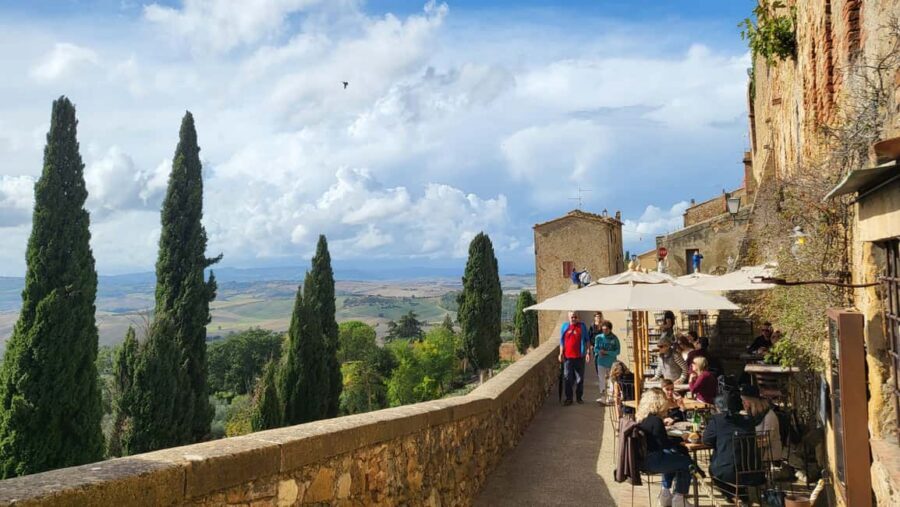
At roughly $146.14 per person, you’re paying for a full package: transportation from Florence, a guide, multiple towns, and tastings that include both wine and food pairings.
Here’s what justifies the cost:
- Air-conditioned transport for a long day and multiple hill towns
- Live guiding across the stops, not just at one winery
- Tasting sets at wineries (including a multi-wine comparison at the first cellar and additional tastings with snacks later)
- Time to explore Montepulciano and Pienza independently, including lunch on your own
What you should treat as extra cost: meals. The tour doesn’t include meals, so budget for lunch in Pienza (and any snacks you want between stops). I also recommend carrying a small snack you can eat on the bus without making a mess. That keeps energy steady, especially if the walking segments run longer than you expect.
Overall, this price feels fair for the combination of logistics + wine structure. If you’d otherwise drive yourself, you’d pay for transport and still have the “who knows what to look for” gap that the guide fills.
What to pack (and what to watch for) when you’re climbing Tuscany
This tour is straight-forward, but it has a few physical requirements. You must be able to climb and descend stairs, and wheelchair access isn’t supported. Even if you’re “fine with walking,” you might not be fine with constant stair stepping plus uneven surfaces.
Bring:
- Comfortable shoes with grip
- Comfortable clothes for long hours in the bus and on stone streets
- Water if you run out of patience waiting for café breaks
And plan for a possible inconvenience: restroom access. Public restrooms aren’t always easy in older towns, and you may have to rely on facilities where you stop for lunch or spend money. So go when you can, not when you’re desperate.
Who should book this Tuscany wine tour?
I’d point you toward this tour if you want:
- A one-day introduction to Tuscany hill towns and the wine culture around them
- Structured tastings (not just a single winery stop)
- Enough free time to enjoy Montepulciano and Pienza on your own
- A guide to explain how wine and olive oil connect to the landscape and local traditions
Skip it (or consider another option) if:
- You’re very sensitive to long bus rides
- Stairs and walking on uneven ground are a hard no
- You want meals included, because this day expects you to handle lunch yourself
If you’re traveling as a couple, this works well because you can enjoy the guided stops together, then split for short photo moments without losing the group.
Should you book this Tuscany Hills Wine Tour?
Book it if you want maximum Tuscany flavor in one day: medieval towns, UNESCO views, and wine tastings that go beyond “sip and smile.” The olive oil + multi-wine comparison is a big plus, and the pacing gives you time to enjoy the towns instead of turning everything into a sprint.
Pass if you’re looking for a relaxed half-day, or if stairs and long days wear you out fast. This tour earns its great reviews with one thing: you get a lot for your money, but you have to meet Tuscany halfway with your feet.
FAQ
How long is the Tuscany Hills Wine Tour from Florence?
It runs about 12.5 hours, with starting times depending on availability.
Where do I meet the guide, and where does the tour end?
Meet your guide in front of Tuscany Region – Guadagni Strozzi Sacrati Palace, and the tour ends back at the same meeting point.
What wine is included in the tastings?
The tour includes tastings featuring Chianti and Nobile di Montepulciano, plus additional locally produced wines at a second cellar.
Are meals included?
No. The tour does not include meals, but you’ll have free time in Montepulciano and Pienza where you can eat lunch on your own.
Do I need to be able to walk on stairs?
Yes. Guests must be able to climb and descend stairs, and the tour isn’t suitable for wheelchair users.
What languages are the guides available in?
The tour runs with live guidance in Spanish, English, Italian, Portuguese, and Chinese.
You Might Also Enjoy
More Wine Tours in Florence
- Tuscany Day Trip from Florence: Siena, San Gimignano, Pisa and Lunch at a Winery
★ 5.0 · 21,634 reviews

More Tours in Florence
- The Best tour in Florence: Renaissance & Medici Tales – guided by a STORYTELLER
★ 5.0 · 12,316 reviews
More Tour Reviews in Florence
- Tuscany Day Trip from Florence: Siena, San Gimignano, Pisa and Lunch at a Winery
★ 5.0 · 21,634 reviews - The Best tour in Florence: Renaissance & Medici Tales – guided by a STORYTELLER
★ 5.0 · 12,316 reviews