REVIEW · FLORENCE
Discover Florence Walking Tour: Guided Tour
Book on GetYourGuide →Operated by Barcelona Exp · Bookable on GetYourGuide
One walking route, five Florence eras. This guided stroll connects the Medici District to the Duomo, so you see how politics, art, and architecture shaped the city. I like that the tour keeps moving through real public squares and landmark streets, not just stand-and-stare stops, with Medici sites and Duomo highlights built into the route.
Two things I especially like: you get clear, guide-led context at the Medici landmarks, then the walk finishes with the Duomo area where the big visual ideas make instant sense. If you’re lucky with your guide, you’ll feel it too—one recent rating singled out Julia for a memorable, top-notch guiding style.
One drawback to plan for: it’s not suitable for wheelchair users, and it’s a lot of walking on city surfaces. Also, the order of stops can vary, and the tour can run from 90 minutes to 2 hours.
In This Review
- Key things to know before you go
- From Via de’ Martelli to Florence’s Big Ideas
- Medici District: Palazzo Medici Riccardi and the Medici Chapels
- Piazza della Repubblica: Roman traces and modern Florence energy
- Piazza della Signoria: Palazzo Vecchio and the politics in stone
- Ponte Vecchio: the historic goldsmiths bridge crossing
- Piazza Pitti: Palazzo Pitti and the Medici lifestyle angle
- Piazza del Duomo finale: Brunelleschi’s Dome and Giotto’s Bell Tower
- How long is it, and what pace should you plan for?
- Groups, guides, and language: getting value from a live tour
- Timing realities: what to do if your day schedule changes
- Who this tour suits best (and who should choose something else)
- Is it worth booking this Florence walking tour?
- FAQ
- Where do I meet for the tour?
- How long is the Florence walking tour?
- Which landmarks are included?
- What languages are available for the guide?
- Do I need to bring ID?
- Is the tour wheelchair accessible?
- Can I get a refund if I cancel?
- What if my booked time changes on short notice?
- Do I need WhatsApp for the tour?
Key things to know before you go
- Medici District first: Palazzo Medici Riccardi and the Medici Chapels set the storyline early
- Five major squares: Piazza della Repubblica, Piazza della Signoria, and more in a tight loop
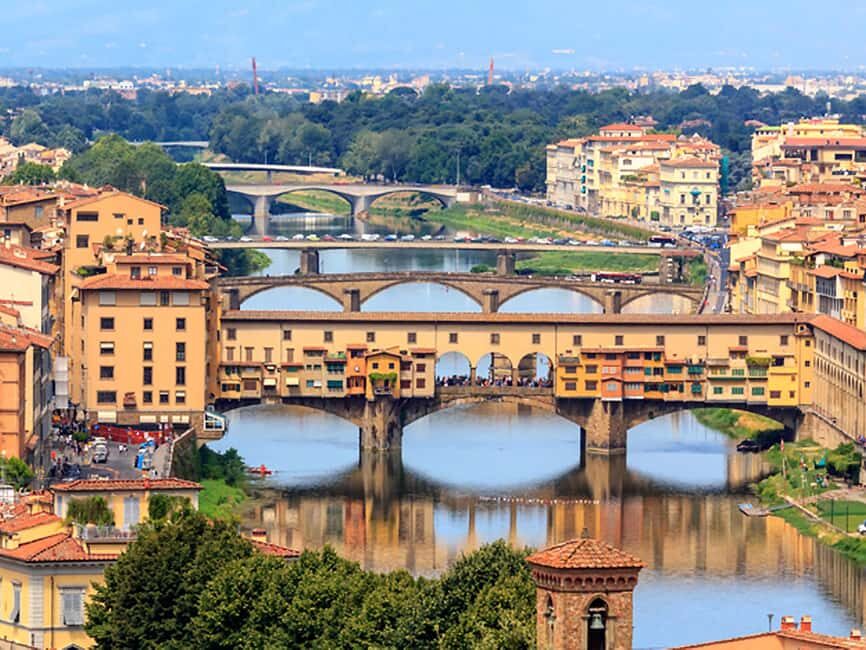
- Ponte Vecchio with context: the goldsmiths bridge story is explained as you cross
- Piazza della Signoria details: you’ll encounter famous statuary including a David replica
- Duomo finale: Brunelleschi’s Dome and Giotto’s Bell Tower are the last big impression
- Language options: live guiding in Spanish, German, French, English, and Portuguese
From Via de’ Martelli to Florence’s Big Ideas
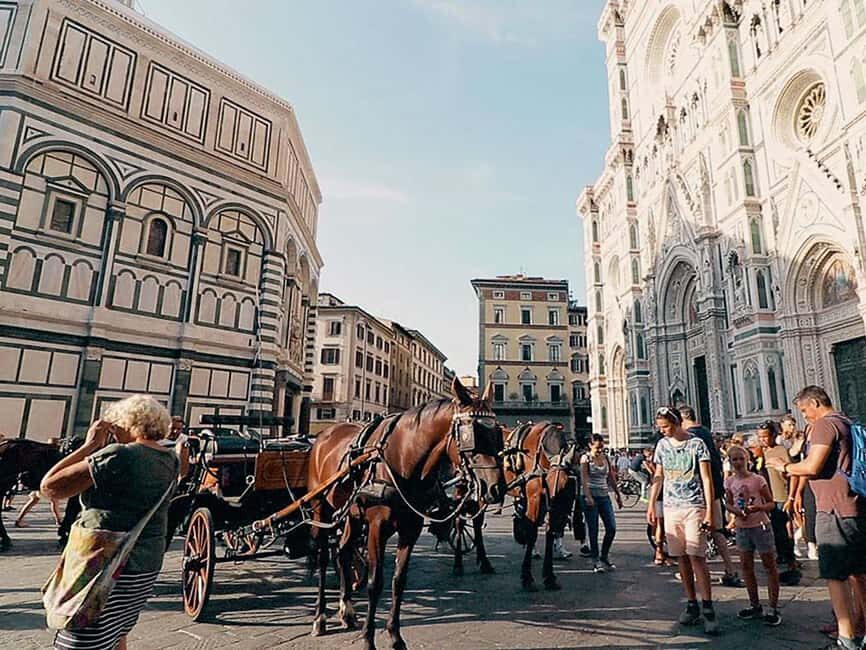
This tour starts at Via de’ Martelli 33r. The meeting instruction is simple: go into the office at Via Martelli 33R, which is the address used by the organizer, not a random café. If you like using maps, the provided coordinates are 43.774173736572266, 11.255534172058105, which helps if you’re arriving from the center and want to pinpoint the exact spot.
What makes this route work is the way it connects power to place. Florence is small enough to walk, but it can feel like one long blur of stone. This tour turns the blur into a line you can follow: Medici influence → civic square drama → the Arno crossing → Medici ducal life → the city’s architectural crown.
You can also read our reviews of more walking tours in Florence
Medici District: Palazzo Medici Riccardi and the Medici Chapels
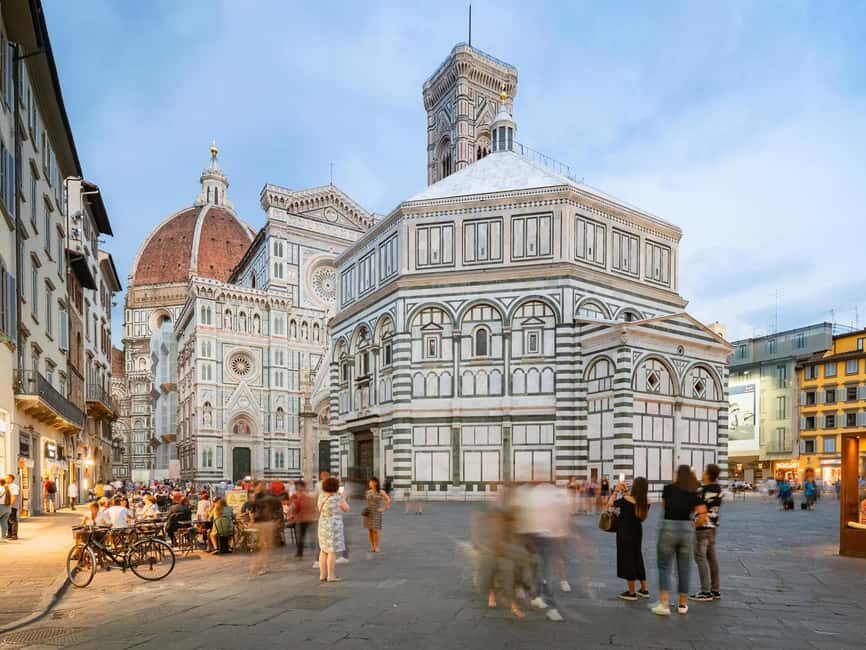
You begin in the Medici District, where Florence’s most famous patron family controlled more than wealth—they shaped taste, art, and political gravity. The first major stop is Palazzo Medici Riccardi, the kind of building where you feel the message before you can even read the details. The tour frames it as a peek into the opulent lifestyle and influence of one of Florence’s most powerful families.
Then you move to Medici Chapels in the Piazza San Lorenzo area. This is one of the reasons I think a guided walk makes sense here: the chapels are packed with Renaissance art, but without context they can turn into impressive décor. With a live guide, the story becomes easier to hold in your head—why this patronage mattered, and how the family helped make Florence the Renaissance force people still talk about today.
Practical note: this portion can involve standing and close listening. If you come in with a basic “Medici = money and art,” the guide should help you upgrade that to a clearer “Medici = decision-making” view.
Piazza della Repubblica: Roman traces and modern Florence energy
Next you pass through Piazza della Repubblica. The key detail here isn’t just that it’s a central plaza—it’s that it sits on the echoes of Roman origins, including the idea that this area once functioned as the city’s forum space. You’ll also see the modern side: cafés and shops around you, with everyday life humming in the same footprint as older Florence.
Why this works on a walking tour: it reminds you that Florence isn’t a museum set. Even when you’re looking at Renaissance art and medieval planning, the city keeps layering new life over old structures. This is the part where the guide’s explanations make the buildings feel less abstract and more like an actual timeline you can walk through.
Piazza della Signoria: Palazzo Vecchio and the politics in stone
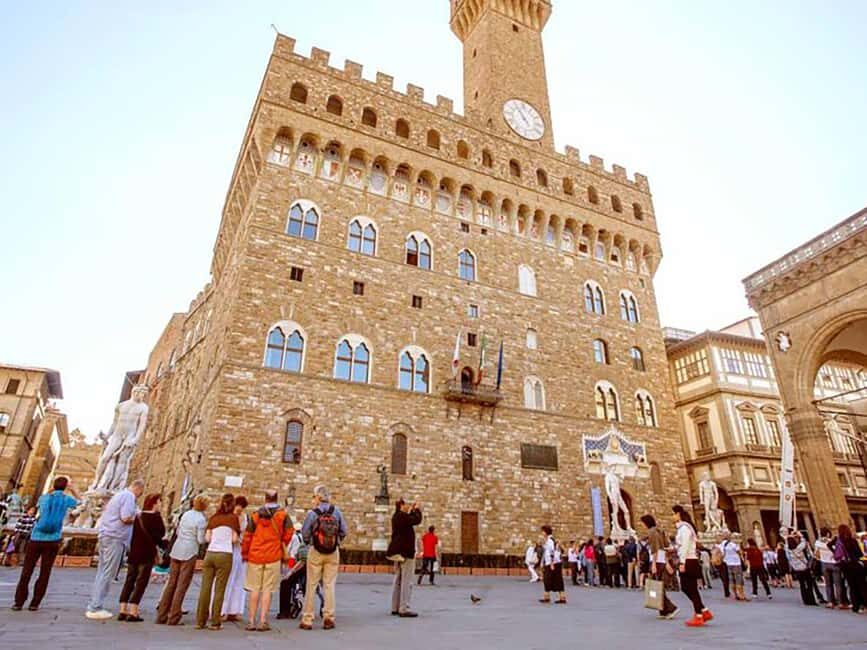
The route then heads to Piazza della Signoria, anchored by Palazzo Vecchio. This isn’t just a pretty square. The tour treats it as Florence’s political theater: a place where government power and public image mattered.
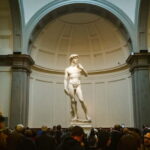
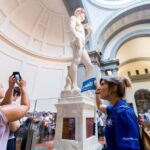
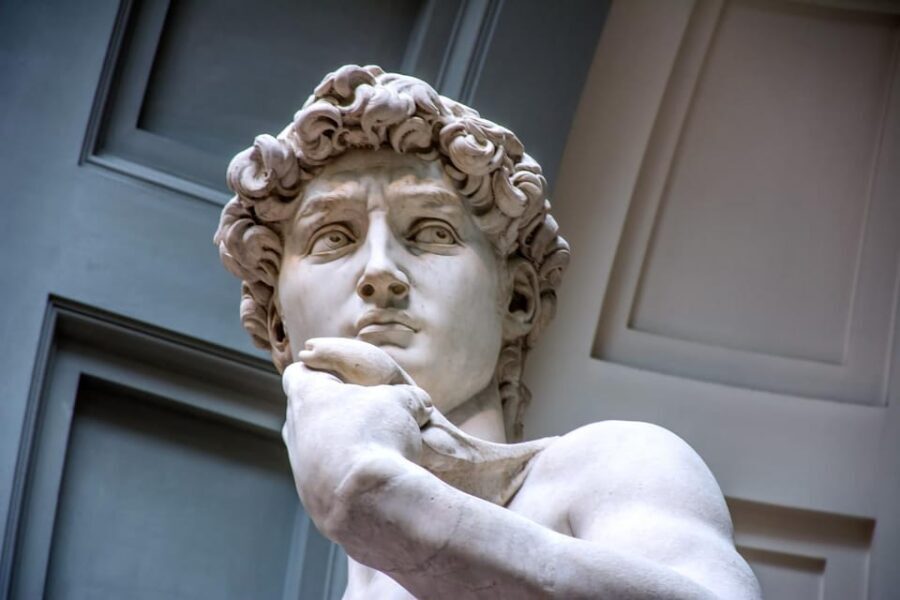
One highlight called out in the experience is the statuary across the square, including a replica of Michelangelo’s David. Even if you’ve seen David before in other settings, seeing the replica in this civic environment changes how you read it. It’s not only about sculpture—it’s about what Florence chose to display and proclaim.
Also, expect the guide to connect the art to conflict and turning points. The tour description promises stories of fierce battles and pivotal events, and that’s exactly the kind of context that makes a square like this more than a photo stop.
Ponte Vecchio: the historic goldsmiths bridge crossing
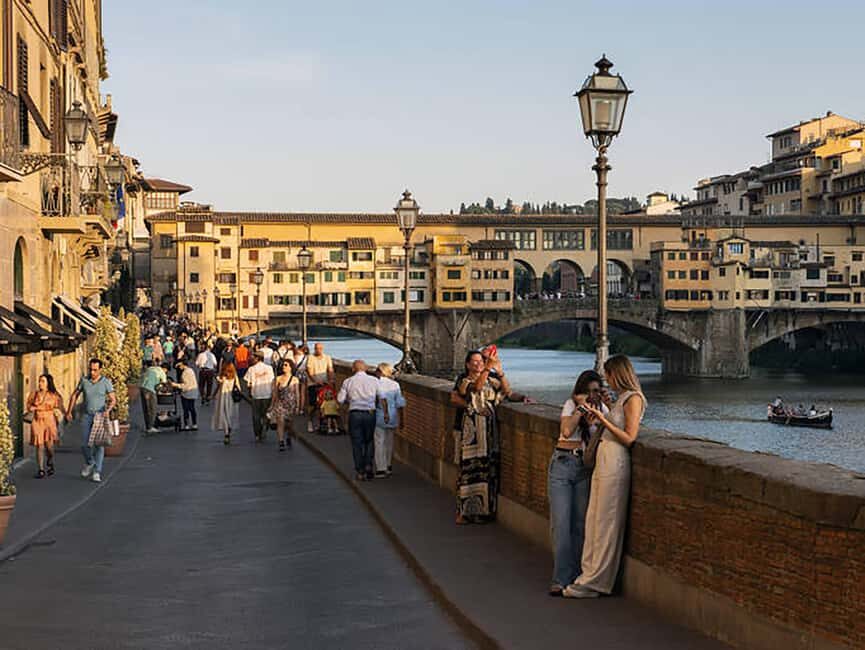
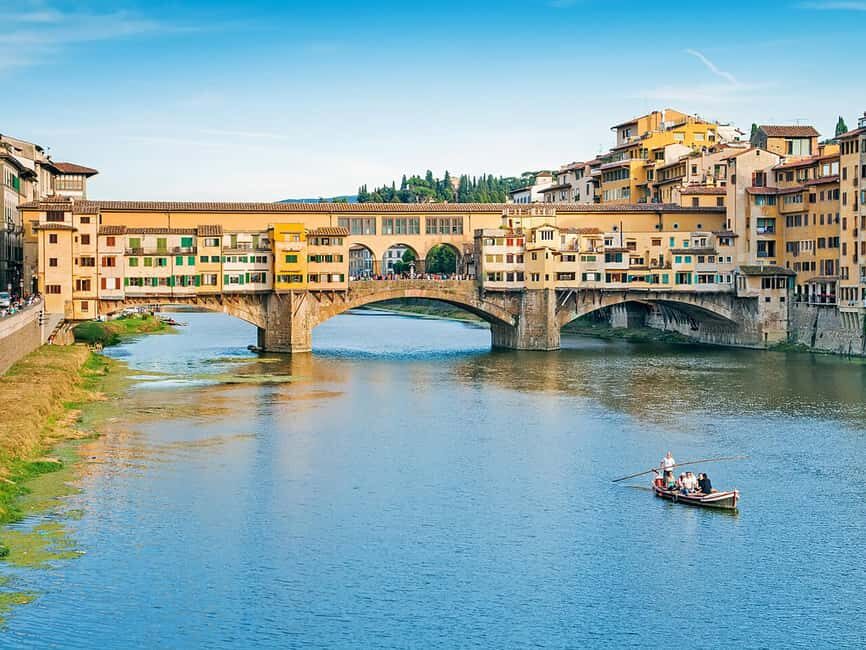
From there, it’s on to Ponte Vecchio, the famous Arno crossing. The guide explanation here focuses on transformation: how the bridge shifted from being a crossing point into a place associated with goldsmiths and merchants. You’re walking through a setting that looks like a postcard, but the guide helps you see the economic and social logic behind why it became what it is.
I like that this section is paced as a story, not a lecture. You’re physically moving across the bridge while learning why that bridge’s trade role mattered, which keeps the information from feeling stuck in your head like dates without a map.
Tip: bring patience for the usual crowd flow. Ponte Vecchio can get busy, but for many people this is the bridge moment they remember most because it looks so character-filled in every direction.
You can also read our reviews of more guided tours in Florence
- The Best tour in Florence: Renaissance & Medici Tales – guided by a STORYTELLER
★ 5.0 · 12,316 reviews
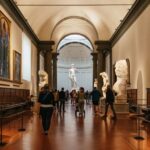
Piazza Pitti: Palazzo Pitti and the Medici lifestyle angle
The tour continues to Piazza Pitti, another key Florence landmark zone tied to the later Medici rulers. Here you get Palazzo Pitti and a view-style glimpse of the Boboli Gardens. The emphasis is on lifestyle—ducal luxury and the idea of court life far beyond the earlier Medici power center.
One reason I think this stop adds value: it balances the earlier Medici story. You start with the family’s influence in its primary political-art base, and you end up seeing a more comfortable, later-world version of Medici rule. It’s the same dynasty, but the priorities feel different.
Keep expectations realistic here: the tour frames the gardens as a glimpse rather than a long garden stroll. You should be prepared for walking continuity and short orientation points rather than a full garden visit.
Piazza del Duomo finale: Brunelleschi’s Dome and Giotto’s Bell Tower
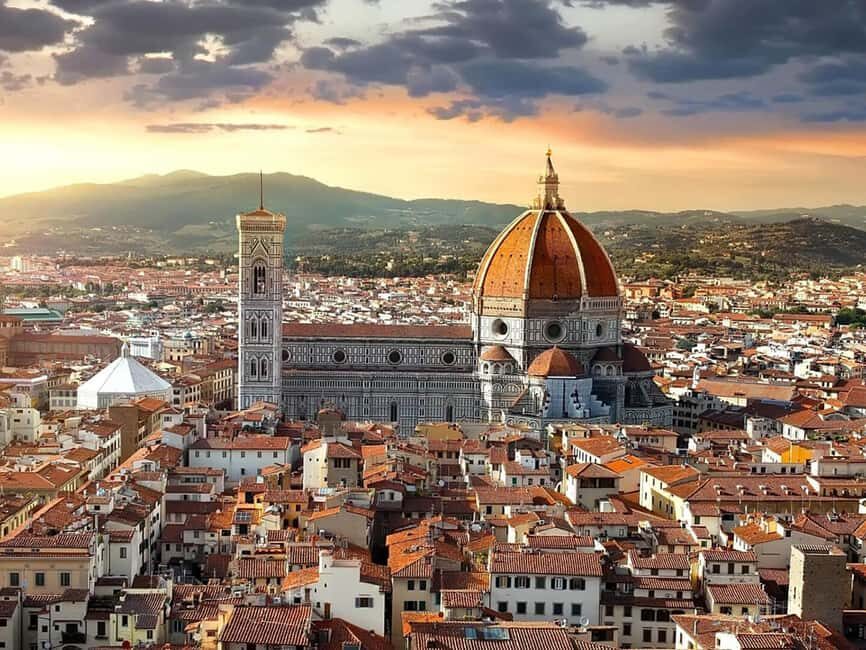
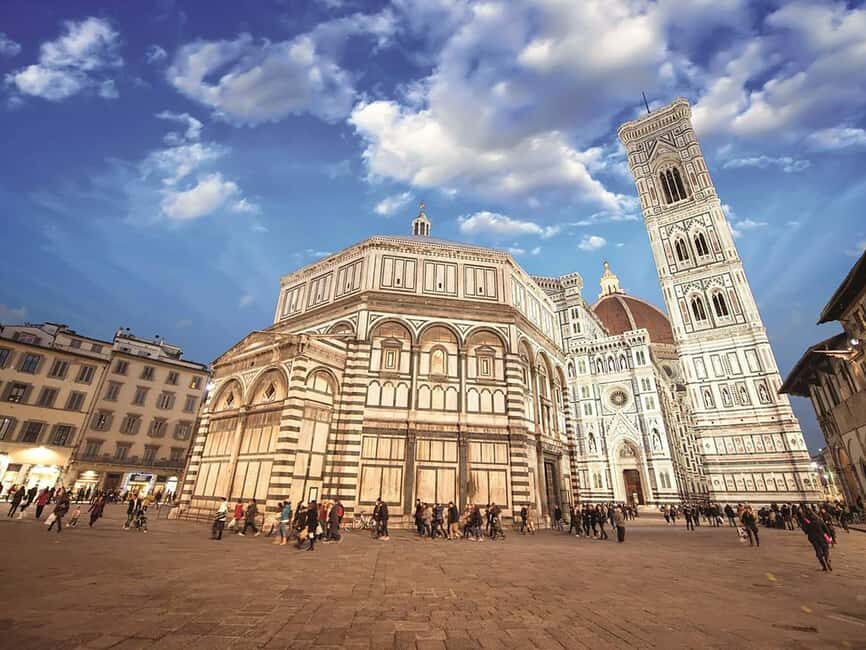
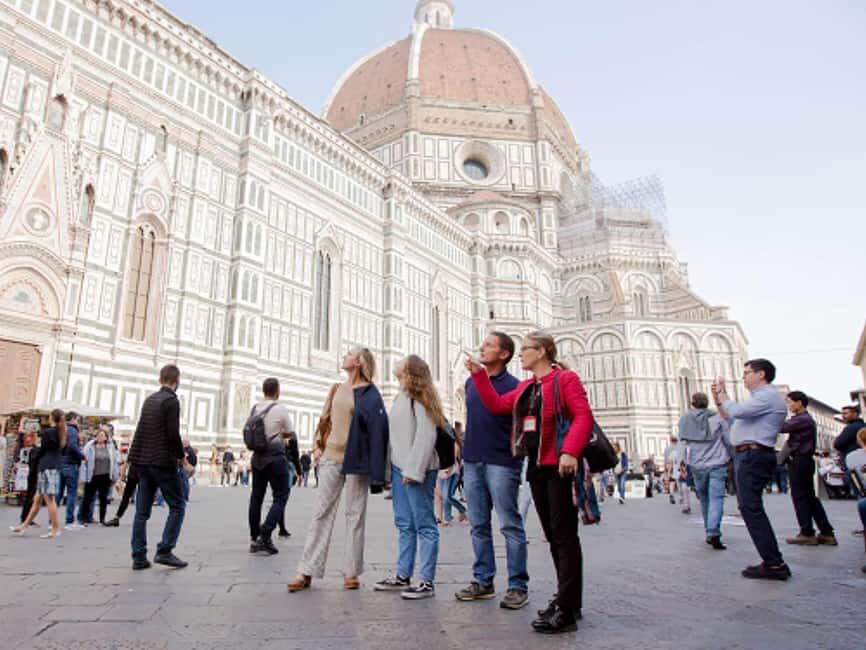
Your last big stop is Piazza del Duomo. This is where the tour’s lineup makes sense as an ending: after Medici politics and commerce, you arrive at Florence’s architecture flex.
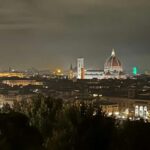
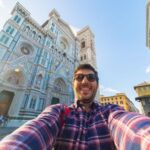
The highlight here is Florence Cathedral with attention on Brunelleschi’s Dome and Giotto’s Bell Tower. The guide is meant to point out details on the cathedral façade and explain the engineering behind the dome—information that can sound technical until you see the structure while standing in the right place.
This finish is also psychologically helpful. When you end near the Duomo, you’re set up to keep exploring on your own afterward, using the landmark you’ve just learned to “read.” If you’re the type who likes to understand what you’re looking at, this ending is the payoff moment.
How long is it, and what pace should you plan for?
The advertised duration is about 1.5 hours, and the experience can vary between 90 minutes and 2 hours. That variation matters because Florence schedules are tight. If you’re trying to fit this between timed entry tickets, give yourself breathing room rather than stacking it with back-to-back plans.
Pace-wise, it’s a walking tour, not a bus ride with stops. You should expect steady movement between plazas and landmark areas. City surfaces can be uneven, and the tour is not suitable for wheelchair users, so plan for comfortable shoes and a steady rhythm.
Groups, guides, and language: getting value from a live tour
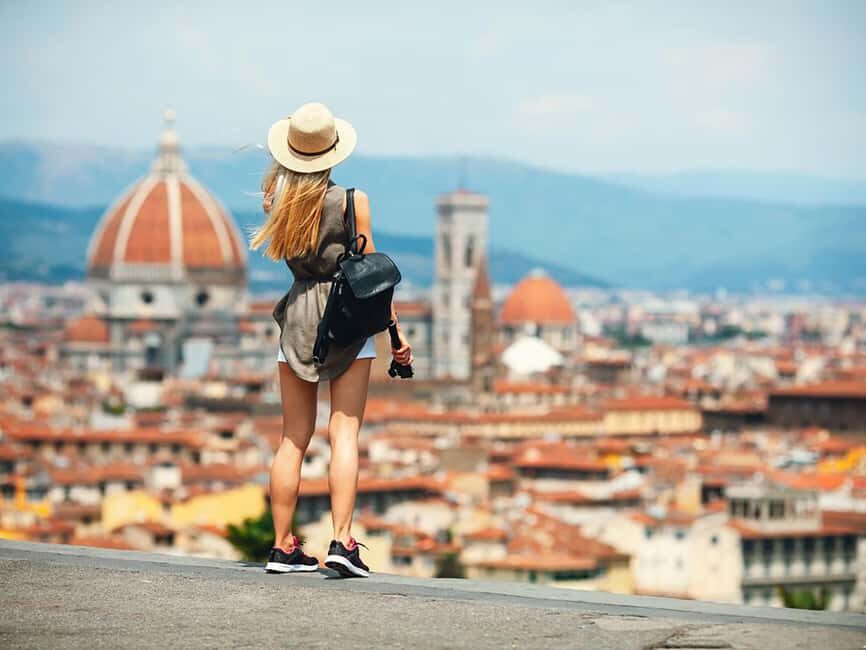
This is a live guided experience, offered in multiple languages: Spanish, German, French, English, and Portuguese. A multi-language setup is useful in Florence, where you might be surrounded by people speaking everything except what you’re comfortable with. You can pick the language that helps you actually understand the details the guide shares.
One review highlighted Julia and described the tour as a great guiding experience that stayed in memory. That’s a strong signal that the guide experience can be a key part of the value. With a good guide, these landmarks stop being generic icons and become story pieces you can connect.
Timing realities: what to do if your day schedule changes
If you’re trying to make this work on the same day, keep expectations flexible. The information provided includes a warning that time slots can close and, if that happens, you may be moved to the first available time slot. For last-minute bookings, if there aren’t enough places, you may be placed on the day following the booked date.
If you like tight planning, I’d follow the advice given: don’t book tours for the same day with close times. Let your Florence day breathe, especially if you’re also managing lines, meal breaks, and transit.
Also, you’ll want to leave a WhatsApp number so support can contact you after booking. That’s not glamorous, but it’s the kind of detail that prevents day-of confusion.
Who this tour suits best (and who should choose something else)
This walking tour is a strong fit if you want a structured highlights route with explanations at each major checkpoint. It’s especially good if you don’t want to spend hours piecing together the Medici-to-Duomo story on your own.
It’s also a nice choice if you like learning in public spaces—squares like Piazza della Signoria and areas around the Duomo tend to feel much more meaningful when someone explains what to look for.
It may be less ideal if:
- You need wheelchair access (this one is not suitable for wheelchair users)
- You want a low-walking day with minimal standing
- You’re only interested in one site (like only the Duomo) because the value here is in the connections
Is it worth booking this Florence walking tour?
I’d book it if you want one organized 90-minute loop that covers the big visual hits—Palazzo Medici Riccardi, Medici Chapels, Ponte Vecchio, Palazzo Vecchio, and the Duomo—but also want the “why” behind them. The route makes it easier to understand Florence as a place where politics, trade, and art all share the same streets.
I’d think twice if you’re booking too tightly on the same day or if your schedule is unforgiving. The tour length can drift up to 2 hours, and the stop order can shift at the guide’s discretion. If you build in buffer time and show up ready to walk, this tour is a practical way to get a smarter first look at Florence.
FAQ
Where do I meet for the tour?
Please enter in the office at Via Martelli 33R. The start location is listed as Via de’ Martelli, 33r, with coordinates 43.774173736572266, 11.255534172058105.
How long is the Florence walking tour?
The duration is listed as 1.5 hours (90 minutes), and it can vary between 90 minutes and 2 hours.
Which landmarks are included?
You’ll cover Palazzo Medici Riccardi and the Medici Chapels, plus Piazza della Repubblica, Piazza della Signoria (with Palazzo Vecchio), Ponte Vecchio, Piazza Pitti, and finish at Piazza del Duomo (Florence Cathedral area, including Brunelleschi’s Dome and Giotto’s Bell Tower).
What languages are available for the guide?
The live guide is available in Spanish, German, French, English, and Portuguese.
Do I need to bring ID?
Yes. Bring a passport or ID card.
Is the tour wheelchair accessible?
No. This tour is not suitable for wheelchair users.
Can I get a refund if I cancel?
Yes. The experience offers free cancellation up to 24 hours in advance for a full refund.
What if my booked time changes on short notice?
If you book for the same day, the slot may close and you could be moved to the first available time slot. For last-minute bookings, if there are no places, you may be placed on the day following the booked date.
Do I need WhatsApp for the tour?
Yes. You’re asked to leave a WhatsApp number so support can contact you after you book the tour.
You Might Also Enjoy

More Walking Tours in Florence
More Tours in Florence
- The Best tour in Florence: Renaissance & Medici Tales – guided by a STORYTELLER
★ 5.0 · 12,316 reviews

More Tour Reviews in Florence
- Tuscany Day Trip from Florence: Siena, San Gimignano, Pisa and Lunch at a Winery
★ 5.0 · 21,634 reviews - The Best tour in Florence: Renaissance & Medici Tales – guided by a STORYTELLER
★ 5.0 · 12,316 reviews