REVIEW · FLORENCE
Florence: Evening Classical Music Concert
Book on GetYourGuide →Operated by Agenzia Musica Internazionale · Bookable on GetYourGuide
Live music in historic Florence feels personal.
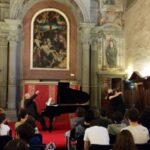
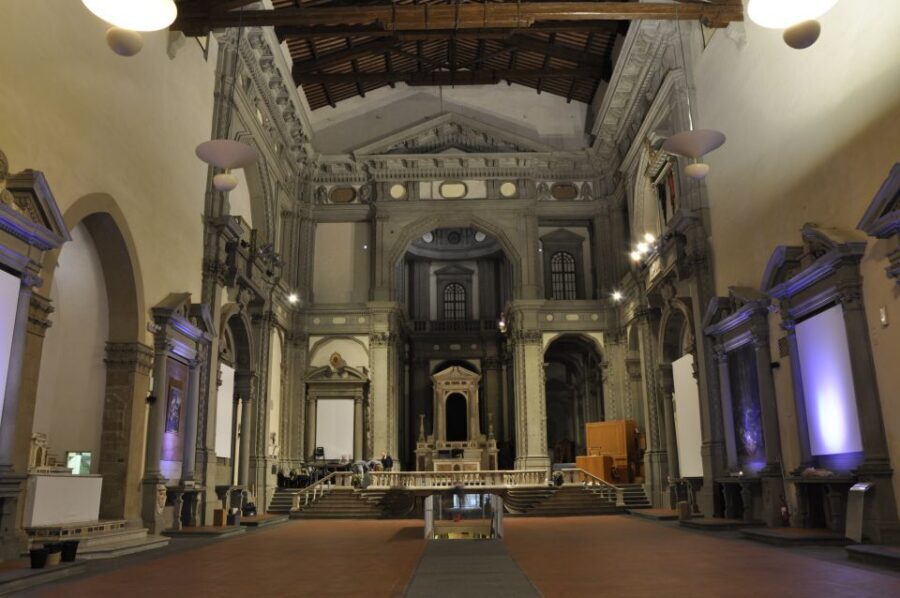
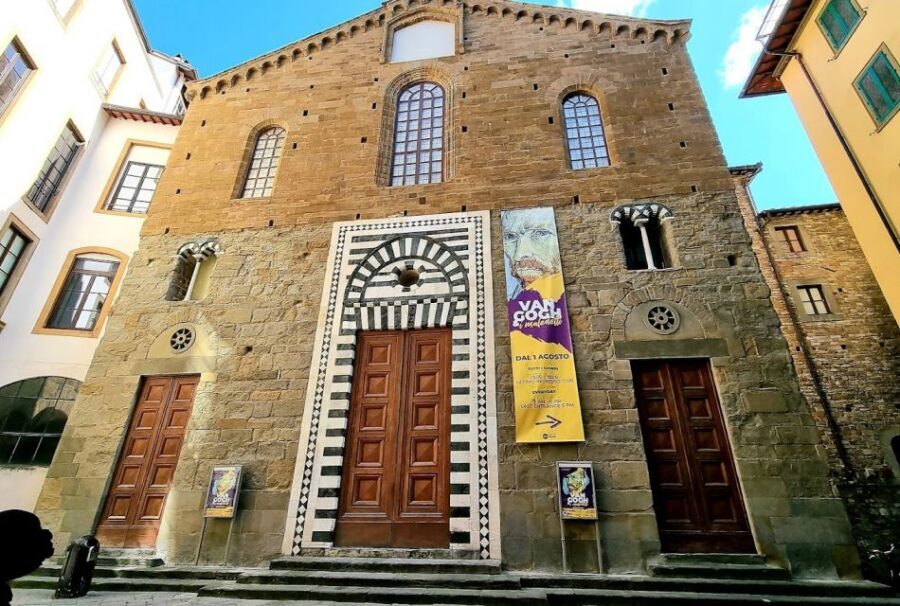
You get an evening of classical favorites—Vivaldi’s Four Seasons, Bach, Mozart, and Pachelbel—performed by the Orchestra da Camera Fiorentina in two standout settings: Santo Stefano al Ponte Vecchio Auditorium or the Zeffirelli Museum. I like that you can tailor the experience with three seating categories, so your ticket can fit your budget and your tolerance for being closer to the front row. One consideration: you’re not buying a full dinner-and-show package, so you’ll want to plan food and drinks elsewhere before the concert.
The venues themselves matter here. A historic church turned concert hall brings naturally strong acoustics, while the Zeffirelli Museum option keeps things more intimate. That atmosphere plus the well-known pieces is why this feels like a smart Florence add-on, even if you’re a first-time classical listener. Still, if you’re sensitive to phone screens and recording, bring your calm—some audiences include people who film throughout.
Key things I’d circle before you book
- Two Florence venues, different vibes: church-turned-hall acoustics or a closer-feeling museum space
- Big-name works on the program: Vivaldi, Bach, Mozart, and Pachelbel (plus specific well-loved selections)
- Seating categories affect your experience: sound quality can stay strong even farther back
- Ticketed and structured: pre-booked entry with a printed program in hand
- Good value at $41: you’re mainly paying for live performance + a program
In This Review
- Why a Florence evening concert makes sense
- Santo Stefano al Ponte Vecchio Auditorium vs. Zeffirelli Museum
- Santo Stefano al Ponte Vecchio Auditorium: church acoustics
- Zeffirelli Museum: intimate, art-filled surroundings
- Which should you pick?
- The music program: what you’ll hear and why it works
- Pachelbel’s Canon: the instant recognition piece
- Bach’s Air: calm focus
- Mozart’s A Little Night Music: elegance with momentum
- Vivaldi’s Four Seasons: vivid and dramatic
- Choosing seating categories: budget vs. connection
- How I’d decide your seating
- What the evening feels like when the lights go down
- Price and value: why $41 can work in Florence
- How to think about the value
- Timing, meeting point, and what to do when you arrive
- Who should book this concert (and who should skip it)
- Should you book this Florence evening classical concert?
- FAQ
- Where does the concert take place?
- What music is included in the program?
- How much does it cost?
- Is food or drinks included?
- What’s included with the ticket?
- How long is the experience?
- Do I know where to meet?
- Can I cancel for a refund?
- Is it wheelchair accessible?
- Is there a reserve now, pay later option?
Why a Florence evening concert makes sense
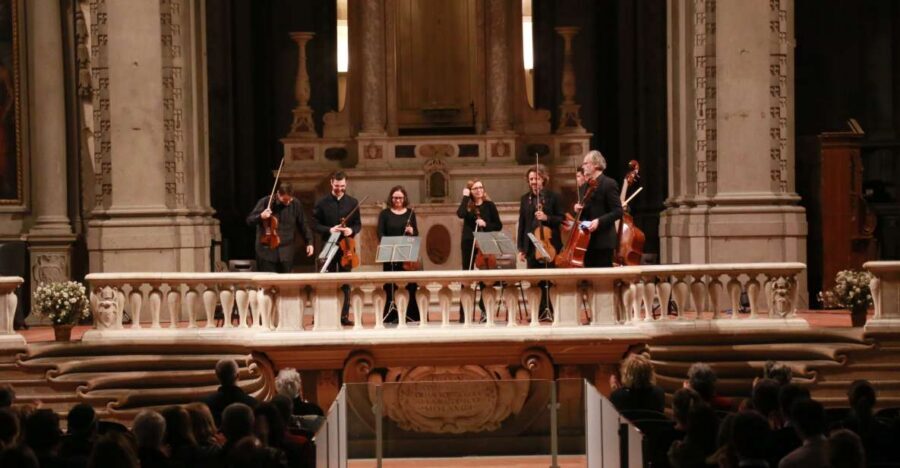
Florence is full of “things to see,” but evenings are where the city can turn softer and more human. This concert is a straightforward way to slow down without needing a complicated plan. You’re trading museum lines for live musicians and familiar music in a room designed for listening.
What makes it particularly good value is that you’re not paying extra for a guided tour-with-a-concert attached. The core of your ticket is the concert experience itself plus a printed program. In a place like Florence, where even “small” cultural add-ons can get pricey, that matters.
I also like that the program isn’t only for specialists. If you know the titles already, you’ll recognize the emotional arc fast. If you don’t, the pieces are still approachable—especially Pachelbel’s Canon, Mozart’s A Little Night Music, and Bach’s Air.
Santo Stefano al Ponte Vecchio Auditorium vs. Zeffirelli Museum
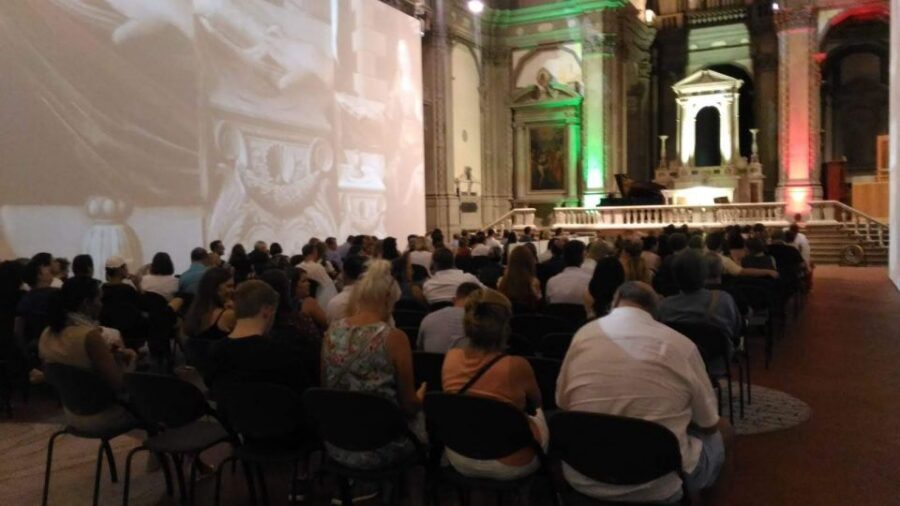
You choose your venue based on what kind of listening atmosphere you want. The important detail is that the concert can take place in either Santo Stefano al Ponte Vecchio Auditorium or Zeffirelli Museum, and your ticket option ties into where you’ll sit and what space you’ll hear the orchestra in.
You can also read our reviews of more evening experiences in Florence


Santo Stefano al Ponte Vecchio Auditorium: church acoustics
This is a historic church that’s been turned into a concert hall. That matters because church spaces tend to carry sound cleanly and evenly. You get that classic “room tone” effect where strings and harmonies can feel clear rather than flat.
If you like the idea of Florence’s architecture shaping the music, this is the choice that usually feels most “Florence.” Also, it’s near the Ponte Vecchio area, so it fits well if you’re already wandering around the river and bridges in the evening.
Zeffirelli Museum: intimate, art-filled surroundings
The Zeffirelli Museum option is described as intimate and art-filled. In practical terms, that can mean you feel closer to what’s happening on stage, even if you’re not in the front section. If you like cultural evenings where art and music feel connected, this venue option tends to deliver that sense of a themed night.
Which should you pick?
If you want the “listen first” experience and strong traditional concert-hall acoustics, go Santo Stefano al Ponte Vecchio Auditorium. If you want something that feels more like an art night at museum scale, pick Zeffirelli Museum.
The music program: what you’ll hear and why it works
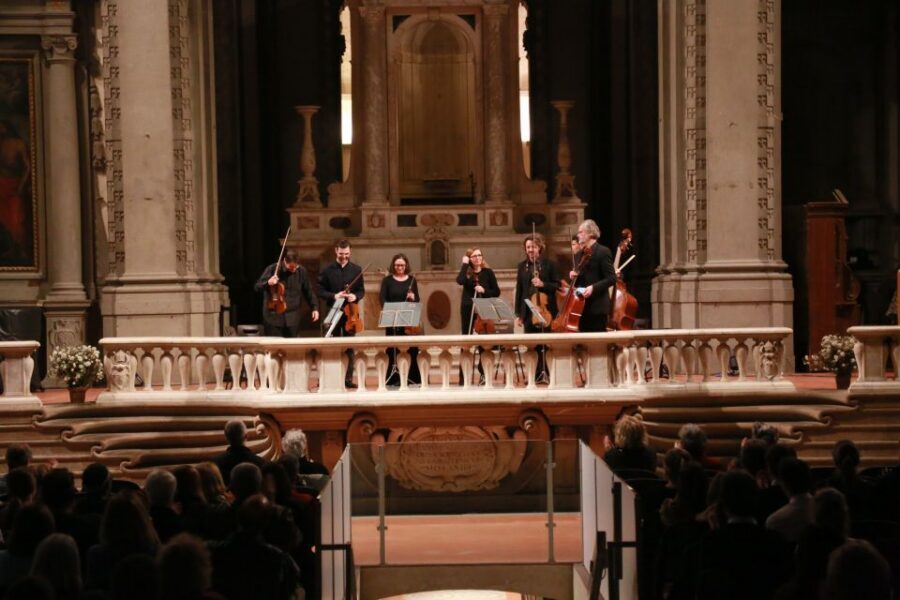
The program is anchored by four blockbuster staples, with specific movements or pieces named so you know what you’re signing up for:
- Pachelbel’s Canon
- Bach’s Air
- Mozart’s A Little Night Music
- Vivaldi’s The Four Seasons
This lineup is smart. It’s not random “classical sampling.” These composers also represent different styles, so the concert doesn’t blur together.
You can also read our reviews of more tours and experiences in Florence

Pachelbel’s Canon: the instant recognition piece
Pachelbel’s Canon is built for listening that grows on you. Even if you’ve never sat in a concert hall, you likely know its sound from film scores, wedding vibes, and background music everywhere. In a live performance, the repeated patterns can feel surprisingly physical—like you’re hearing structure more clearly than through recordings.
Bach’s Air: calm focus
Bach’s Air is the kind of piece that rewards quiet attention. You’ll hear phrasing detail and the way a melody can sit on top of accompaniment without getting swallowed. For first-timers, this can be a “oh, I get it” moment—where classical music starts to feel understandable instead of intimidating.
Mozart’s A Little Night Music: elegance with momentum
Mozart’s A Little Night Music is light, elegant, and rhythm-forward. If you worry the evening will be too slow, this helps reset the energy. It’s also a friendly bridge between “I think I like this” and “OK, I’m actually enjoying the orchestra.”
Vivaldi’s Four Seasons: vivid and dramatic
Vivaldi gives you the dramatic sweep. The Four Seasons is famous for how it sounds like weather and movement. In a live setting, you’ll likely feel that contrast in dynamics and tempo choices. It’s also the kind of program that makes you understand why people obsess over baroque performance style.
Choosing seating categories: budget vs. connection
This concert offers three seating categories, which is great if you want to control cost without guessing blindly. The key is that you’re not just buying closeness—you’re buying a specific listening viewpoint.
One of the best practical takeaways from audience feedback is this: sound quality can still be excellent even if you’re farther back. People specifically noted that being near the back didn’t harm what they heard. That’s reassuring, because in many theaters and halls, farther seats can mean muffled sound. Here, at least from the reported experience, the venue design helps.
How I’d decide your seating
- If you want to feel most connected to the musicians’ craft, choose a category closer to the stage.
- If you care most about hearing the full balance of orchestra and prefer better value, a farther option can still work well.
- If you’re sensitive to watching people constantly shift seats, you might prefer a section where you won’t be in the most trafficked aisle.
Also worth knowing: doors open about 30 minutes before the performance based on one reported experience, and entry can involve exchanging a voucher for tickets. So arrive early enough to get settled and not rush through the queue while everyone else is already focusing on the music.
What the evening feels like when the lights go down
You’re not looking at a long, complex schedule. This is a one-day evening concert built around a single performance. The format is simple: you arrive, find your seat, and listen as the orchestra plays the listed works. That’s part of why it works as a Florence “night plan.”
The venues also create an atmosphere that’s hard to replicate elsewhere. In a church hall, the space tends to feel ceremonial. In the museum venue, you still get an art-setting calm, but it’s less “cathedral” and more “cultural evening.”
A small caution: if you’re trying to have a fully present listening experience, you may run into audience members filming. Some people didn’t mind; others found it distracting. If this would bother you, consider choosing a seat where you won’t be facing screens, and set your expectations for a mixed audience.
Price and value: why $41 can work in Florence
The price is listed at $41 per person for a concert experience that includes:
- the concert ticket
- a printed program
That’s the core math. You’re not paying for transportation, and you’re not getting meals. Food and drinks aren’t included, so you should treat this as a “music anchor” for your evening, not a full package.
How to think about the value
In Florence, you’re often spending money to access something. Here, you’re spending money on performance. That’s a different kind of value: it’s an experience you can’t easily replicate on your own, especially with live interpretation of famous pieces.
Also, having seating categories helps you avoid the common problem of paying premium prices just to feel comfortable. You can match your ticket to your priorities: best sound vs. best deal vs. best sightline.
Timing, meeting point, and what to do when you arrive
The meeting point can vary depending on the option you book. Since you’ll be dealing with two possible venues, your best move is to check your specific confirmation details so you’re not zigzagging across Florence right before the concert.
Once you arrive, expect something simple and practical:
- you’ll exchange a voucher for tickets in at least some cases
- the doors open before the performance (about 30 minutes earlier in one reported experience)
- you’ll have time to get settled before the orchestra starts
If you’re planning your evening around this, build in buffer time. Florence evenings can get slow in the best way, but that’s exactly when you don’t want to be late.
Who should book this concert (and who should skip it)
This works especially well for:
- Classical music lovers who want a high-recognition program in a beautiful city setting
- First-timers who want famous pieces like Mozart and Vivaldi, not a lecture-heavy night
- People who want a low-effort evening plan: one ticket, one performance, one venue once you choose your option
It might not be your best fit if:
- you only enjoy very modern experimental music
- you strongly prefer evenings without any audience recording
- you’re looking for an all-inclusive meal-and-transport package
Should you book this Florence evening classical concert?
If you want a solid Florence evening that’s cultural, easy, and good value, I’d say book it, especially if the four composers on the program sound like your kind of music. The combination of famous works, strong venue acoustics (especially in the church hall option), and clear seating choices makes it a practical decision.
My tiebreakers:
- Choose Santo Stefano al Ponte Vecchio Auditorium if you want traditional concert acoustics and a strong architectural feel.
- Choose Zeffirelli Museum if you want something more intimate and museum-like.
- Pick the seating category based on your budget, but don’t panic if you’re not in the front—sound quality has been reported as excellent even farther back.
FAQ
Where does the concert take place?
It can take place at either Santo Stefano al Ponte Vecchio Auditorium or the Zeffirelli Museum in Florence, depending on the option you book.
What music is included in the program?
The program includes Pachelbel’s Canon, Bach’s Air, Mozart’s A Little Night Music, and Vivaldi’s The Four Seasons.
How much does it cost?
The price is $41 per person.
Is food or drinks included?
No. Food and drinks are not included.
What’s included with the ticket?
You get a concert ticket and a printed program.
How long is the experience?
It’s listed as valid for 1 day, with the concert itself being the main activity.
Do I know where to meet?
The meeting point may vary depending on the option you booked, so check the details tied to your ticket.
Can I cancel for a refund?
Yes. Free cancellation is available up to 24 hours in advance for a full refund.
Is it wheelchair accessible?
Yes, the experience is wheelchair accessible.
Is there a reserve now, pay later option?
Yes. You can reserve now and pay later to keep your plans flexible.
You Might Also Enjoy


More Concerts & Music in Florence
More Evening Experiences in Florence


More Tour Reviews in Florence
- Tuscany Day Trip from Florence: Siena, San Gimignano, Pisa and Lunch at a Winery
★ 5.0 · 21,634 reviews - The Best tour in Florence: Renaissance & Medici Tales – guided by a STORYTELLER
★ 5.0 · 12,316 reviews