REVIEW · FLORENCE
Florence: Statue of David Evening Tour
Book on GetYourGuide →Operated by the tour guy · Bookable on GetYourGuide
Michelangelo’s David hits different at night. This evening Accademia Gallery tour is built for calmer viewing, with skip-the-line entry and an English-speaking guide to turn one huge statue into a whole Renaissance story. You’ll also get guided time with other major works by Botticelli, Michelangelo, Ghirlandaio, and more, then stay on after the tour to keep exploring.
I like that you’re not fighting the daytime crowd just to get near David. You’ll get a small-group feel and a focused, expert walkthrough, plus extra museum stops like the Gipsoteca Bartolini sculptures and the Museum of Musical Instruments. One thing to consider: the guided time is not long, so if you want a deeper, self-guided museum marathon, plan to use your extra time well.
If you’re curious, artsy, and you hate lines, this is one of the smartest ways to do Florence’s most famous statue. Just be ready for the Accademia’s rules—no large bags, and you’ll want to have a photo of your ID page saved on your phone.
In This Review
- Key highlights you’ll actually feel
- Why the evening Accademia Gallery visit feels smarter than daytime
- Getting to the meeting points (and what to expect on arrival)
- Inside the Accademia: how the guided route makes David more than a selfie
- The moment you reach Michelangelo’s David
- Beyond David: the Gipsoteca Bartolini and the Museum of Musical Instruments
- Gipsoteca Bartolini (why plaster casts matter)
- Museum of Musical Instruments (a surprising mood shift)
- Timing and duration: how to plan your night
- Guides: the difference between seeing and truly understanding
- Price and value: is $41 for a guided David tour worth it?
- Practical rules you should know before you go
- How to get the most out of your visit (without overplanning)
- Should you book this Florence Statue of David evening tour?
Key highlights you’ll actually feel
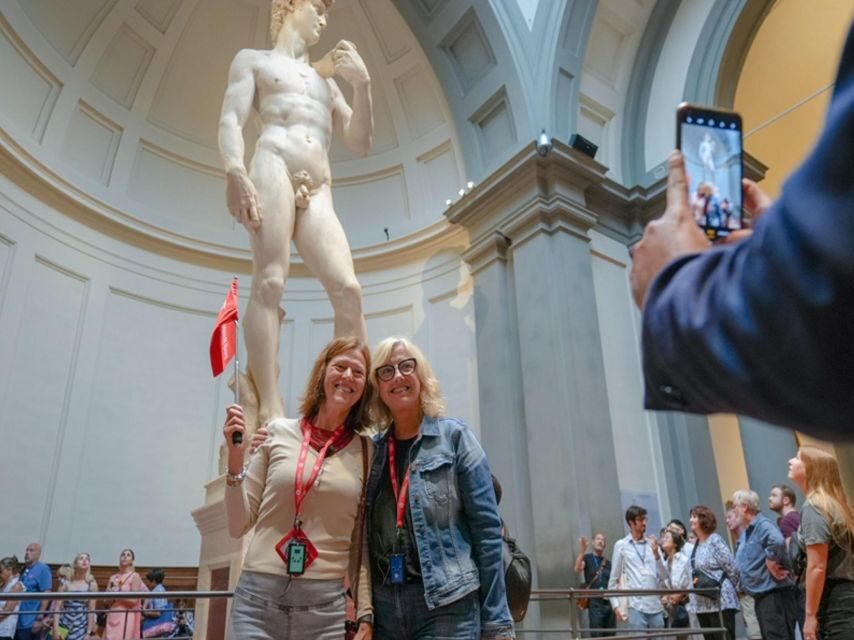
- Evening entry means David without the daytime crush (and a calmer vibe for photos and close looking).
- Skip-the-line + express security check keeps your time focused on art.
- Up-close David with expert angles and details, often framed by the practical story of how this work came to be.
- Gipsoteca Bartolini + Museum of Musical Instruments add texture beyond the main event.
- Small groups for a more conversational pace, not a rushed shuffle.
- Guides like Francesca, Angelo A., Marco, and Lucia are repeatedly praised for making Florence’s Renaissance feel personal.
Why the evening Accademia Gallery visit feels smarter than daytime
Florence’s museums can feel like a human traffic jam, especially around the works people came to see. Doing the Accademia after the main daytime waves usually makes the experience less stressful, and it changes how you look. You can slow down near David and actually read details instead of scanning for the next photo.
This tour leans into that timing. You arrive with pre-booked tickets and go through an express security check, so your start isn’t eaten by the worst of the lines. Then you’re led through the museum while the light in the day is fading, which makes the whole room feel a touch more cinematic—and easier to concentrate.
The other reason I like this format: it’s guided, then flexible. After your guided portion ends, you can continue exploring at your own pace until closing time. That means you can spend extra time where you care most—David again, the drawings/sculptures, or the other Renaissance voices—without forcing the group to follow your interests.
You can also read our reviews of more evening experiences in Florence

Getting to the meeting points (and what to expect on arrival)
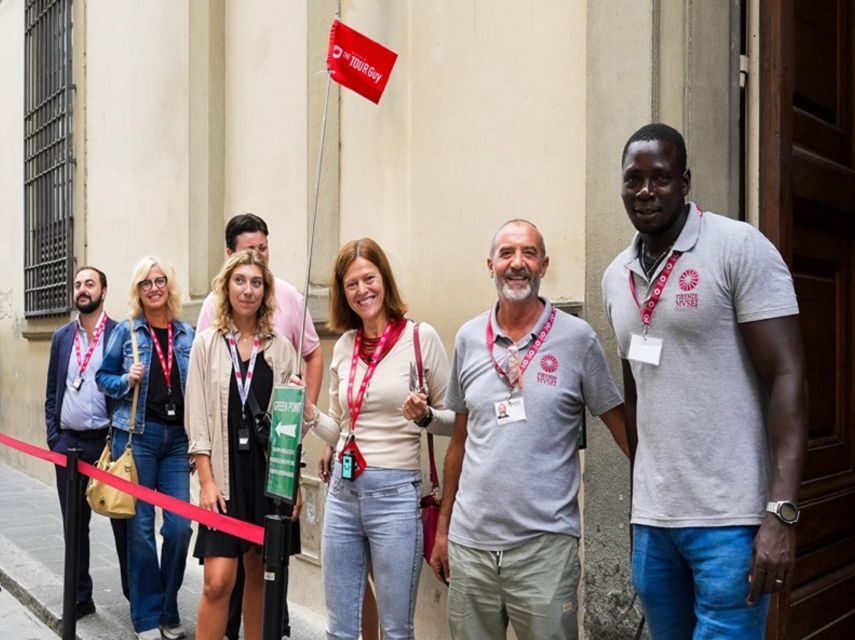
Your meeting point can vary depending on the option you book, but one listed starting spot is Piazza della SS. Annunziata, 8, near the Monumento Equestre a Granduca Ferdinando I de’ Medici. Other start points exist, and the key practical point is this: confirm your exact location before you leave your hotel.
Drop-off is also handled at Galleria dell’Accademia di Firenze and Ponte Vecchio. That’s convenient if you plan to wander along the river after the museum, grab gelato, or connect with your next stop without backtracking.
One practical tip: show up a little early. Even with skip-the-line entry, you’ll still need to check in with the group and get through security. A long wait can still happen at busy times, but the guides are used to turning that waiting time into context—so you’re not just standing there bored.
Inside the Accademia: how the guided route makes David more than a selfie
The Accademia Gallery is famous for one reason, and then crowded for that same reason. The tour approach helps you get past that one-dimensional goal.
During the guided portion, your English-speaking guide leads you through iconic Renaissance works with commentary meant to help you see what Michelangelo, Botticelli, Ghirlandaio, and others were doing—and why it mattered in Florence. Instead of just telling you David is impressive, you’ll get the kinds of details that make the sculpture feel like a real achievement with a real timeline.
The moment you reach Michelangelo’s David
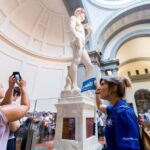
David is the star because the statue feels alive even when you know it’s carved marble. What your guide adds is the story behind that feeling—how artists tried to solve technical problems, how this piece fits into Florence’s artistic ambitions, and why the sculpture became such a symbol for the city.
A bunch of guides are praised for showing David from different perspectives—sometimes literally teaching you where to look so you notice changes in expression, movement, and finishing. One highlight you’ll hear over and over: you’re not just looking at a famous image; you’re learning how to read it.
And because this is an evening tour, you’re more likely to have time to absorb it without being pinned behind a constant wall of people. One of the most common “win” comments is that late entry gives better access and a calmer feel at the statue.
Beyond David: the Gipsoteca Bartolini and the Museum of Musical Instruments
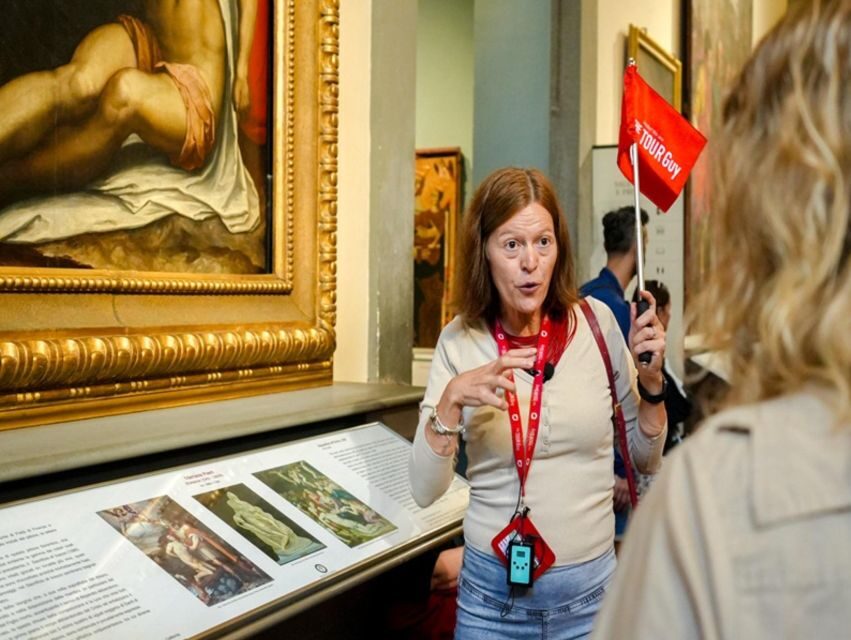
What I appreciate about this tour is it doesn’t treat the Accademia as a one-statue stop. You’ll also visit parts of the museum that many first-timers skip because they’re chasing the main headline.
- Tuscany Day Trip from Florence: Siena, San Gimignano, Pisa and Lunch at a Winery
★ 5.0 · 21,634 reviews

Gipsoteca Bartolini (why plaster casts matter)
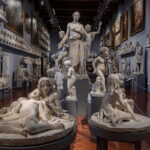
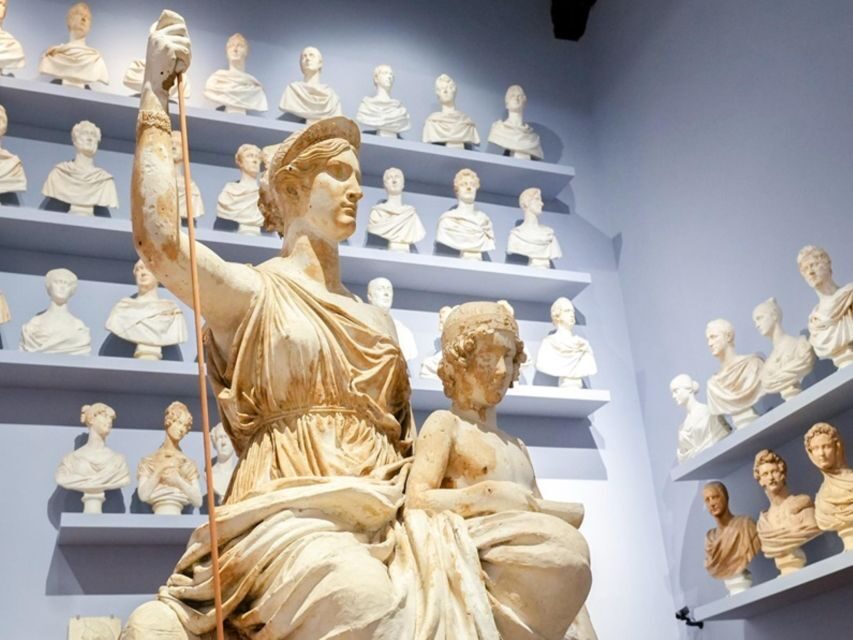
The Gipsoteca Bartolini is where you get a different kind of intimacy with Michelangelo’s world. Seeing sculpture in the context of preparatory work and cast forms helps you understand what “process” looks like. It’s the kind of stop that turns David from an isolated masterpiece into part of a larger workflow of design, testing, and refinement.
Even if you’re not a sculpting nerd, this area can change how you look at the final marble. You start noticing choices—proportions, rhythm, how forms hold together in the round—because you’ve been coached to look that way.
Museum of Musical Instruments (a surprising mood shift)
Then there’s the Museum of Musical Instruments, which is a clever contrast inside the same visit. It reminds you that Renaissance Florence wasn’t only about sculpture and painting. It was also about sound, performance, and culture—whole rooms of craft and history that don’t always get the spotlight.
This stop is a nice way to break up the intensity of David. It keeps the tour varied, and it makes your evening feel more like a real museum experience instead of a dash between ticket scans.
Timing and duration: how to plan your night
The tour runs 1.5 to 3 hours, depending on your starting time and how your route unfolds. Expect the guided portion to be about 1.5 hours, and then you’ll have additional time to continue exploring the museum on your own.
That’s useful because it gives you two travel styles in one ticket:
- You get the guide’s “what to notice” power for the big works.
- You keep control after that to linger where you care most.
One note that’s worth planning for: even in the evening, some tours can still have crowds in and around the museum. That doesn’t erase the advantage of late entry, but it can mean your pace won’t be museum-empty quiet. If you’re going at a popular time of year, treat this as a “less crowded” experience, not a private viewing.
Guides: the difference between seeing and truly understanding
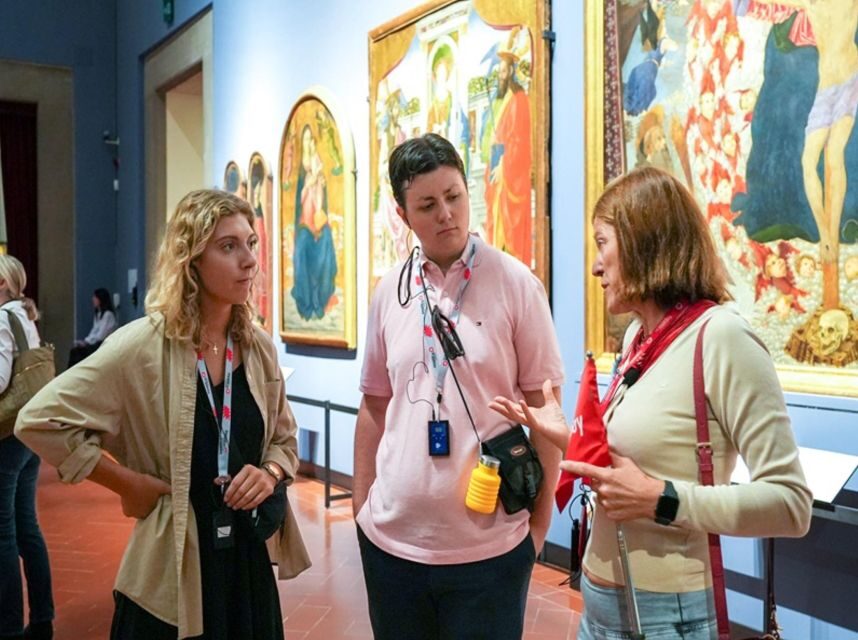
The Accademia is where you can easily feel overwhelmed. The best part of this tour is that it’s run by guides who know how to turn art facts into clear, human context.
Several names come up again and again: Francesca is repeatedly praised for being friendly, funny, and sharply knowledgeable, with tips beyond the museum that help you plan more of your Florence time. Angelo A. is often singled out for explaining details from different angles and tying the sculpture to Florence’s identity in a way that feels emotional, not textbook. Marco is praised for storytelling energy that makes David feel bigger than the marble. Lucia and Jade also show up for clear pacing and explanations you can follow.
A quick takeaway for your expectations: when a guide is strong, you’ll spend less time asking yourself what you’re looking at and more time enjoying the “aha” moments—the choices made by the artist, the meaning behind the symbol, and the craft behind the surface.
Price and value: is $41 for a guided David tour worth it?
At $41 per person for an English-speaking guide plus a skip-the-line ticket, this is usually good value for a first-time Accademia visit. Here’s why: you’re paying for time saved and for interpretation—both matter in Florence, where time costs more than you think.
If you tried to do David on your own in peak hours, you’d likely spend that money as minutes lost in line and as energy spent trying to understand what you’re seeing without direction. This tour bundles the two most expensive parts of museum visits: access and context.
Also, you’re not only paying for David. You get guided stops beyond the main statue, including the sculpture area (Gipsoteca Bartolini) and the Museum of Musical Instruments. That broader route helps justify the cost if you like more than one “layer” of the museum.
One consideration: the experience is not a full-day marathon. If you want a long, deeply self-guided museum day with no structure, you might feel this ends quickly. But if you want a focused museum hit that you can build into the rest of your Florence evening, this price usually makes sense.
Practical rules you should know before you go
This tour has firm museum constraints, and they affect your comfort.
- No large bags, backpacks, luggage, or tripods inside the Accademia. There’s no coat check, and there’s no stated place to leave big items onsite. Plan to store everything back at your hotel.
- Bring your passport or ID card. The tour requires a copy of the identification page; a photo on your phone works.
- The tour is not suitable for wheelchair users or anyone with mobility impairments that require special assistance. Strollers aren’t accommodated either.
If you’re the type who likes to travel light, you’ll find this easy. If you’re carrying a lot, do yourself a favor and pack for the museum.
How to get the most out of your visit (without overplanning)
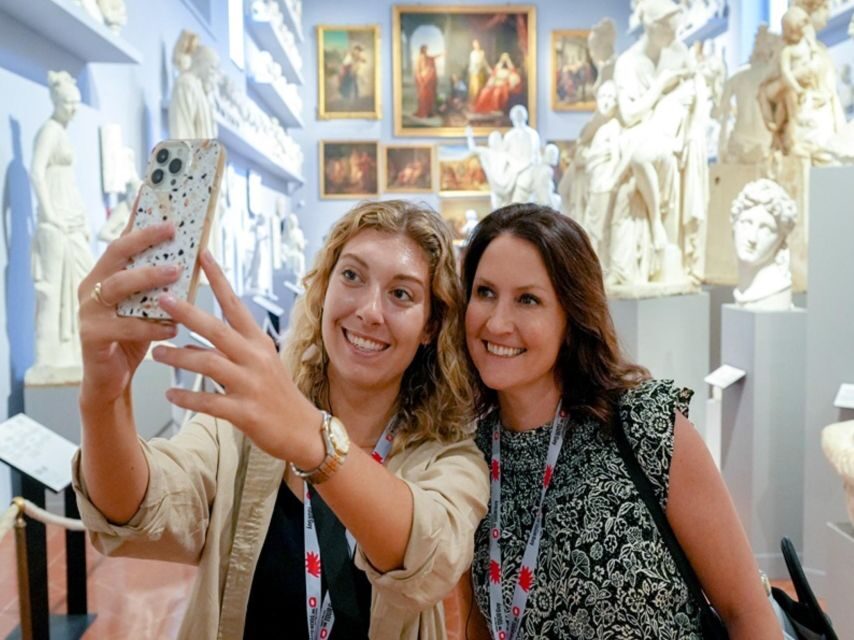
I’d treat this like a “watch + wander” evening.
Before you arrive:
- Save a photo of your ID page.
- Wear comfortable shoes. Even with a shorter visit, museum walking adds up.
During the tour:
- Take your time near David when your guide positions you. Ask yourself: what changes when you shift your viewpoint by a few steps?
- Don’t ignore the Gipsoteca Bartolini area. It’s where the craft story lives.
After the guided part:
- Revisit your favorite room at a slower pace.
- If the crowd moves, wait a minute. Museum quiet often returns in pockets.
One more small, real-world note: if you’re sensitive to illness in close indoor queues, pay attention to your comfort level. One past participant raised a concern about someone coughing non-stop during the experience. I can’t control who shows up, but you can control your choices—like wearing a mask if you prefer extra protection, especially around lines and tight spaces.
Should you book this Florence Statue of David evening tour?
Book it if:
- you want David with fewer daytime crowds and a calmer evening rhythm
- you value an English guide to explain what you’re seeing, not just where to stand
- you want more than a “one stop” museum moment, since you’ll also cover the Gipsoteca Bartolini and the Museum of Musical Instruments
- you like small-group energy and a pace that doesn’t rush you off the statue
Skip it if:
- you’re planning to see the Accademia mostly as a long, fully self-guided day trip and want maximum time
- you need accessibility support not offered by this tour format
If you’re building a first Florentine itinerary, this is a high-impact choice. For many people, the best Florence memories are the ones where you don’t just see a famous thing—you understand it well enough to remember it later.
You Might Also Enjoy

More Evening Experiences in Florence


More Tours in Florence
- The Best tour in Florence: Renaissance & Medici Tales – guided by a STORYTELLER
★ 5.0 · 12,316 reviews

More Tour Reviews in Florence
- Tuscany Day Trip from Florence: Siena, San Gimignano, Pisa and Lunch at a Winery
★ 5.0 · 21,634 reviews - The Best tour in Florence: Renaissance & Medici Tales – guided by a STORYTELLER
★ 5.0 · 12,316 reviews