REVIEW · FLORENCE
From Florence: Small Group Chianti Wine Tour with Lunch
Book on GetYourGuide →Operated by Towns of Italy · Bookable on GetYourGuide
Three wineries, one slow afternoon in wine country.
This Chianti Classico day trip turns a Florence-to-Tuscany drive into a guided wine and food lesson, with tastings in memorable estates and time to breathe in Greve in Chianti.
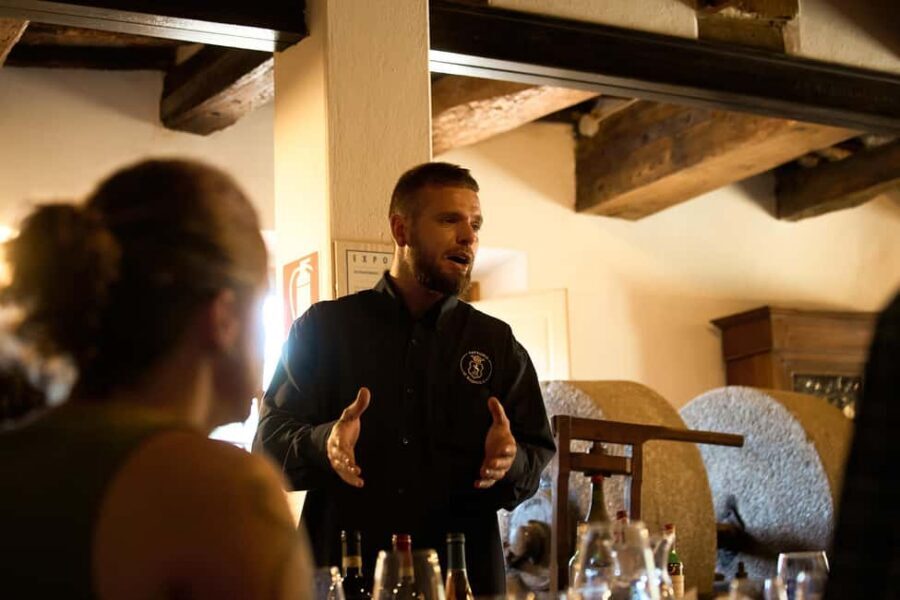
What I like most is the small group feel. Limited to 8 people, it stays relaxed, so questions don’t get lost and the sommelier can actually tailor the explanations. I also love the way the day is built around your senses, with multiple tastings plus olive oil and typical product sampling, not just a quick sip-and-run.
One consideration: the whole schedule is centered on wine, so if you want a nature-only scenic day or minimal alcohol, this may feel like a lot of tasting. And if you’re traveling with teens, note that Italian law restricts alcohol sales under 18, so they’ll be served non-alcoholic drinks.
In This Review
- Key Things I’d Pay Attention To
- From Florence to Chianti Hills: the ride sets the mood
- Chianti Classico lesson: make the bottle labels click
- Winery stop one: contemporary cellars and a big-producer feel
- Greve in Chianti: the scenic break you’ll actually remember
- Winery stop two: 13th-century castle towers and vineyard views
- Winery stop three: boutique estate lunch and a Tuscan spread
- How the guide and the small group shape the whole day
- Price and value: what you’re paying for at $237
- Who should book this Chianti Classico tour (and who should skip it)
- Should you book this Chianti Wine Tour with Lunch?
- FAQ
- FAQ
- How long is the Chianti wine tour from Florence?
- How many wineries do you visit?
- Is the tour guided in English?
- Does the price include lunch?
- What is the group size?
- Where do we meet in Florence?
- Is alcohol served to everyone?
Key Things I’d Pay Attention To
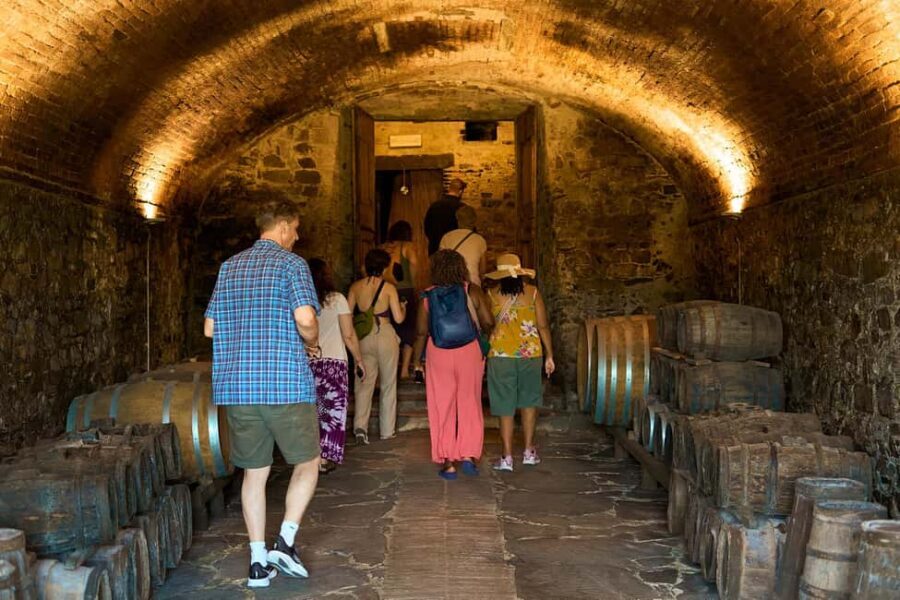
- 3 distinct winery stops, each with cellars and vineyard views
- Chianti vs Chianti Classico explained so the labels make sense
- Sommelier-led tastings, focused on acidity, aromas, scents, and flavors
- Greve in Chianti for a photo stop and quick village browsing
- Tuscan lunch plus a gourmet spread of traditional foods at the final estate
From Florence to Chianti Hills: the ride sets the mood
You meet at Piazza Mentana (on Via dei Vagellai 22 red), right by the Arno. The location is handy because you’re already near major sights and can get there without complicated transit. From there, the group hops into a Mercedes minivan for roundtrip transportation.
This matters more than it sounds. Chianti wineries aren’t clustered like a city neighborhood. They’re scattered through the hills. The van keeps the day comfortable and lets you focus on the changing scenery: vineyard rows, rolling countryside, and photo opportunities as you head toward the Chianti hills.
You also get free Wi‑Fi on board. It’s not life-changing, but it’s useful if you’re sharing photos in real time or checking your next stop back in Florence. Either way, the transfer time stays productive instead of being total dead time.
Because the day is 6.5 hours, this isn’t a half-day shuffle. You’ll get a full circuit of tastings and lunch, without it feeling like a two-day commitment.
You can also read our reviews of more wine tours in Florence
- Tuscany Day Trip from Florence: Siena, San Gimignano, Pisa and Lunch at a Winery
★ 5.0 · 21,634 reviews

Chianti Classico lesson: make the bottle labels click
Before you taste deeply, you’ll be taught how to think about what you’re drinking. The tour is designed to clarify the difference between Chianti and Chianti Classico, which is exactly where a lot of people get confused when they’re shopping later.
I like that the guide doesn’t treat tasting as a mystery. You’ll learn to recognize differences in:
- acidity
- aromas and scents
- flavors you can connect back to grapes and production choices
- food pairing ideas tied to what you actually like
A sommelier (and in several past departures, guides such as Carlotta, Grace, Christina, Grazia, Antonetta/Antonella, Gabriele, Brando, Eleanora, Lapo, and Matteo have been mentioned in group experiences) helps you go from vague impressions to specific notes. Even if you’re not a wine geek, this turns the tasting into a skill you can reuse. By the end of the day, it’s easier to explain to yourself why one glass felt brighter, another more structured, and another more food-friendly.
Winery stop one: contemporary cellars and a big-producer feel
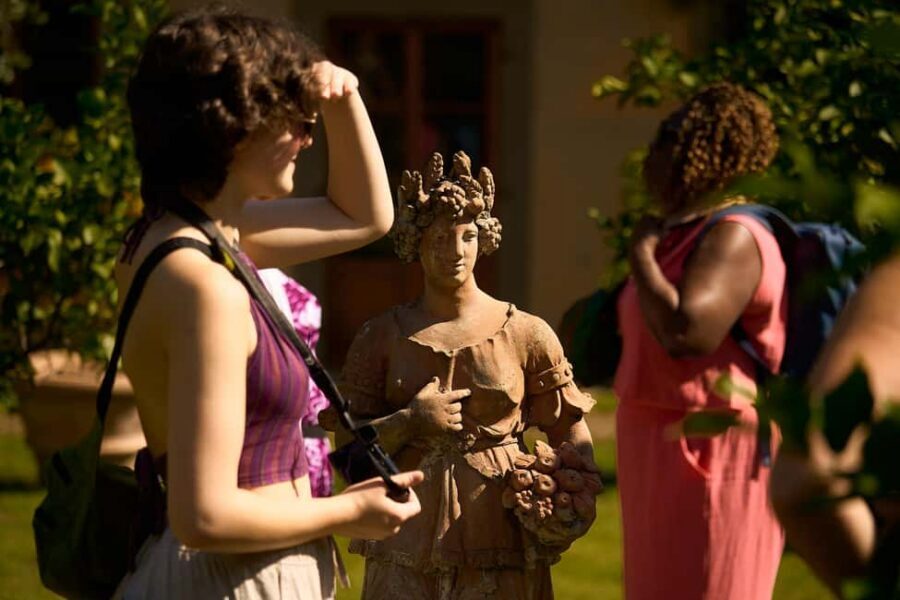
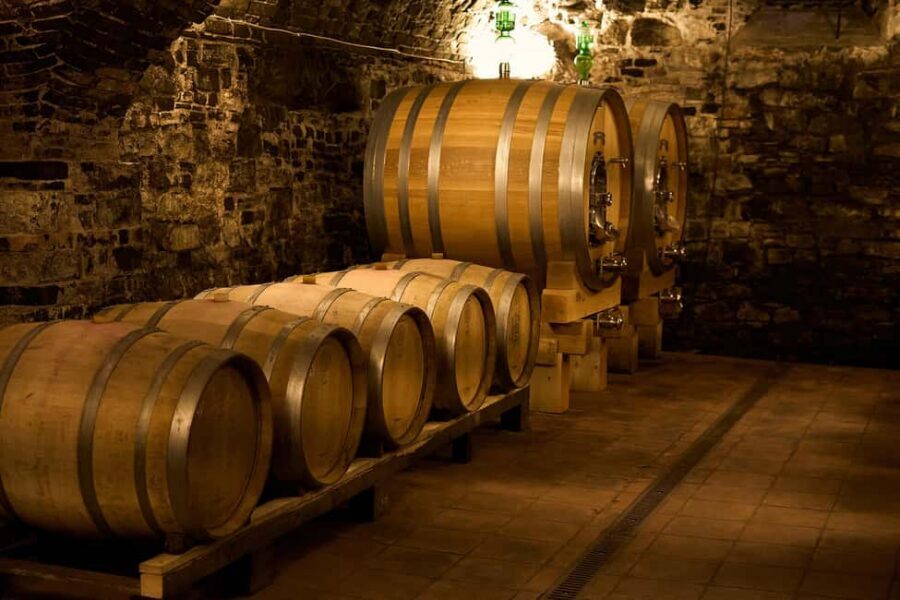
The first estate is known for dramatic, modern cellar space. You’ll tour the cellars and see a winery built in a way that works with its surroundings—think a large, vineyard-tied structure rather than a plain industrial building.
Then you’ll move into tastings of some of the region’s standouts, including Super Tuscans (listed among what you’ll sample). That’s a big part of what makes this stop valuable for first-timers: it gives you a broader look at what Tuscan winemaking can be beyond the most obvious Chianti stereotype.
Practical takeaway: this is where you’ll likely start forming your “taste map.” If you pay attention to acidity and aromas early, the later wineries become easier to compare. You’ll also get a better sense of each producer’s philosophy and future vision, not just a list of labels.
Greve in Chianti: the scenic break you’ll actually remember
After the first winery, you head toward Greve in Chianti, with a photo stop and sightseeing time. This is a smart balance in the schedule. It breaks up the wine focus with village energy and gives your camera a chance to do real work.
Greve isn’t presented as a full city tour—it’s a focused stop. That said, it’s enough time to get your bearings, stroll, and browse shops around the square. If you want a souvenir (or you just want something non-winery to ground the day), this is the moment.
One more detail to keep in mind: the day is timed for multiple tastings, so the Greve break is helpful, but it isn’t meant to replace a separate afternoon in town later. Plan to use it for short walks, photos, and quick browsing.
Winery stop two: 13th-century castle towers and vineyard views
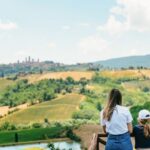
The second winery is set in an eye-catching location. You’ll notice the massive towers of a 13th-century castle, with olive groves and vineyards all around.
Then you’ll tour the cellars again, which keeps the day from becoming repetitive. Different estates means different layouts, different production stories, and different wine styles to taste. The guide’s job here is to help you connect those differences to what you’re tasting: how the soil and growing conditions translate into structure, aromas, and finish.
If you like your wine education grounded in place, this stop is the strongest “remember this view” moment. The setting isn’t just decoration. It helps explain why terroir matters—because you’re physically surrounded by the elements that shape it.
You can also read our reviews of more tours and experiences in Florence
- Cooking Class and Lunch at a Tuscan Farmhouse with Local Market Tour from Florence
★ 5.0 · 4,831 reviews - San Gimignano, Siena, Monteriggioni, Chianti Day Trip with Lunch & Wine Tasting
★ 4.5 · 4,432 reviews

Winery stop three: boutique estate lunch and a Tuscan spread
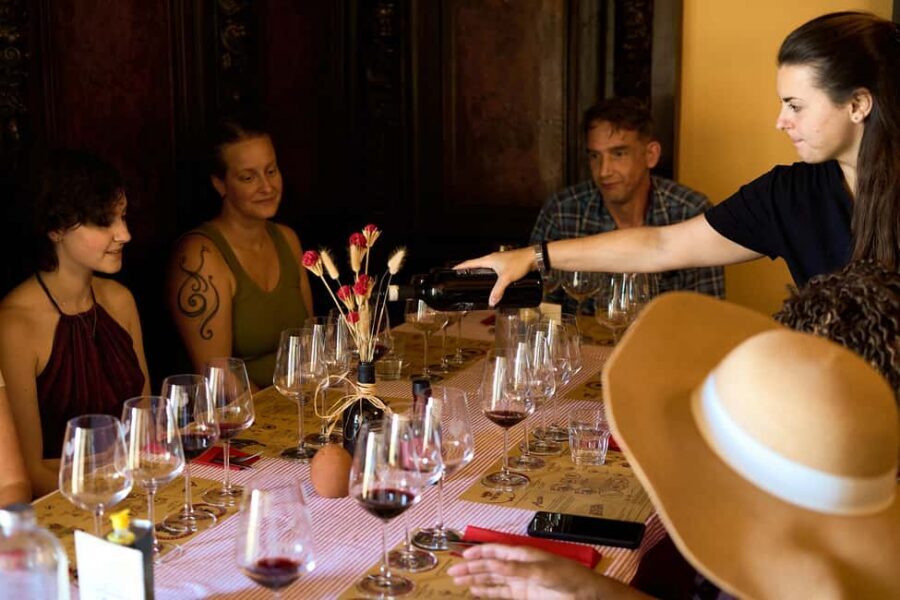
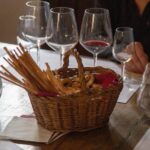
The final stop is a boutique winery, and it shifts the mood from tasting rounds to a food-forward finish. Here, your wines are paired with a gourmet spread of traditional Tuscan food, and you’ll also have your Tuscan lunch.
This is where the tour usually becomes most satisfying for non-wine people too. Food is the translator. When you eat local flavors alongside what you’re tasting, you understand pairing in a way that memorizing grape varieties never achieves.
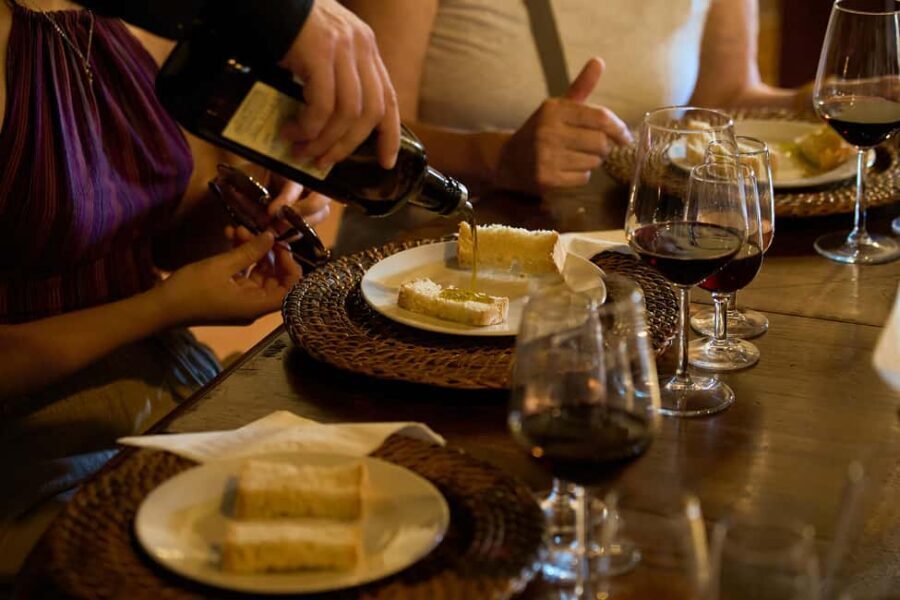
From examples shared in past group experiences, the lunch setup has included typical Tuscan courses and pairings such as cured meats and cheeses, pasta with a red wine, and a lighter dessert finish. Not every lunch will be identical, but the theme is consistent: it’s built to taste like Tuscany, not like a tourist menu.
Olive oil also plays a role. You’ll have opportunities for olive oil and typical product tasting across the day, and the final meal ties it together with the wines.
Dietary note (important): the tour notes that you should inform the provider in advance if you have special requirements or impaired mobility. In one described group experience, gluten-free items (bread and pasta) were handled, which is a good sign that communication matters. If you need adjustments, send that request early.
How the guide and the small group shape the whole day
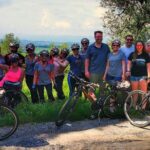
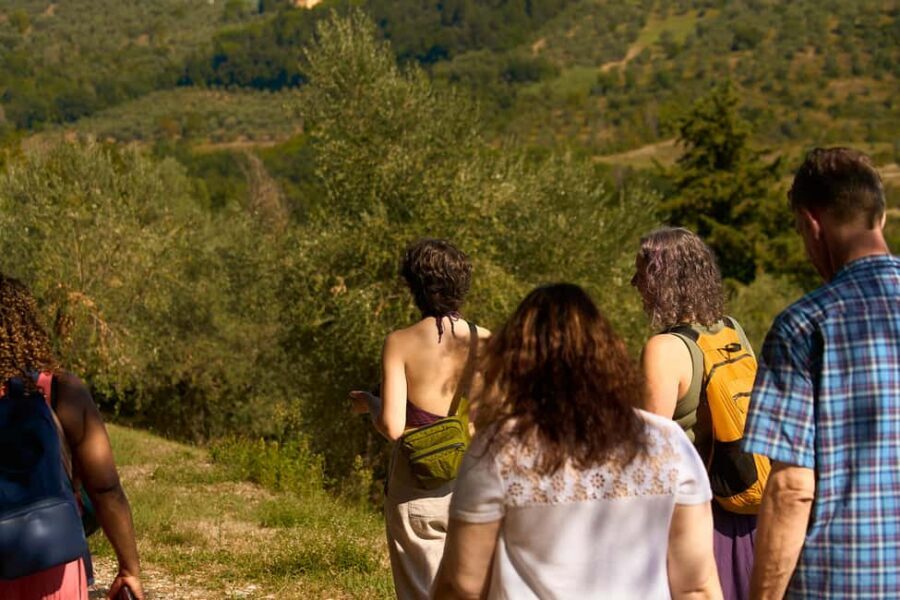
This tour works because it stays human-sized. With a maximum group of 8 participants, the guide can slow down when someone wants to ask why one wine tastes a certain way. You’re not stuck listening to explanations aimed at the loudest person in the back row.
I also like that the guide role is more than logistics. The sommelier focus means you’re not just touring beautiful places—you’re learning a method. You’ll practice thinking about acidity, aromas, scents, and flavors, and you’ll get guidance on what wines match your favorite foods.
In past departures, you’ve likely had different guides (and many names were shared across groups), but the consistent thread is attention: taking time, answering questions, and guiding the tastings at a pace that feels comfortable rather than rushed.
And the driving arrangement helps too. A comfortable van reduces the “I’m tired of sitting” factor, so you can stay present for the winery tours and the Greve stop.
Price and value: what you’re paying for at $237
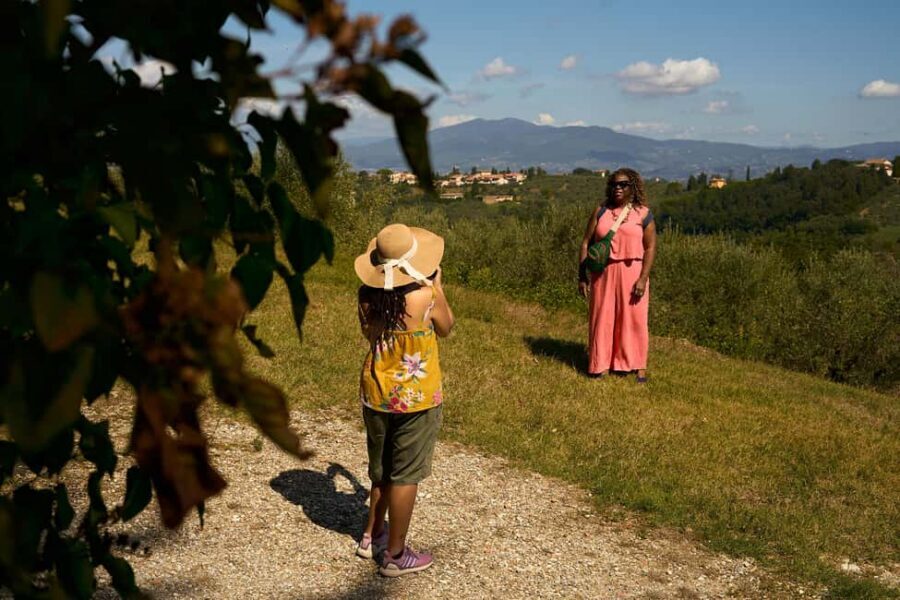
At $237 per person for a 6.5-hour small-group outing, you’re paying for the big cost drivers of a wine day trip:
- roundtrip transportation in a Mercedes minivan from Florence
- guided visits to 3 wineries, including cellar and vineyard access
- 3 wine tastings
- olive oil and typical product tasting
- a typical Tuscan lunch
- a sommelier-led education component
- free Wi‑Fi on board
If you tried to recreate this independently, the toughest part isn’t finding wineries—it’s stacking wineries efficiently, getting access to cellars, and getting a guide to translate what you’re tasting. That translation is exactly where this tour earns its price.
Also, the small group limit helps value hold up. You’re not paying for a crowd experience. You’re paying for a day designed to keep you close to the action: tasting, asking, walking through cellar spaces, and learning what to buy later.
Who should book this Chianti Classico tour (and who should skip it)
This is a great fit if:
- you want a structured introduction to Chianti Classico
- you enjoy wine education tied to food
- you want a comfortable day trip with minimal hassle from Florence
- you like small-group tours where you can actually talk to the guide
Skip it if:
- you don’t drink wine and aren’t interested in tastings
- you want a long, independent exploration day in Chianti villages (this includes only a photo stop and sightseeing)
- you’re looking for a purely scenic countryside hike day (this is a wine-and-lunch experience)
One more practical point: if you’re traveling with anyone under 18, Italian law prohibits alcohol sales to anyone under that age, so non-alcoholic drinks will be served instead.
Should you book this Chianti Wine Tour with Lunch?
If you’re spending time in Florence and you want one high-quality Tuscany day that combines wine learning, food, and iconic Chianti scenery, I think it’s an easy yes. The combination of 3 distinct wineries, a Greve in Chianti break, and a Tuscan lunch makes the day feel complete rather than like a quick tasting circuit.
Book it especially if you want more than just pretty views. The sommelier guidance turns tastings into understanding, so you leave with a better sense of what you like and why.
FAQ
FAQ
How long is the Chianti wine tour from Florence?
The tour lasts 6.5 hours.
How many wineries do you visit?
You visit 3 wineries in the Chianti Classico region.
Is the tour guided in English?
Yes, the tour is guided in English.
Does the price include lunch?
Yes. A typical Tuscan lunch is included, along with wine tastings and typical food tastings such as olive oil.
What is the group size?
It’s a small group limited to 8 participants.
Where do we meet in Florence?
The meeting point is Piazza Mentana (Via dei Vagellai 22 red, corner with Piazza Mentana, opposite the Arno River).
Is alcohol served to everyone?
Italian law prohibits the sale of alcoholic beverages to anyone under 18. Children under 18 will be served non-alcoholic beverages.
You Might Also Enjoy
More Wine Tours in Florence
- Tuscany Day Trip from Florence: Siena, San Gimignano, Pisa and Lunch at a Winery
★ 5.0 · 21,634 reviews

More Tours in Florence
- The Best tour in Florence: Renaissance & Medici Tales – guided by a STORYTELLER
★ 5.0 · 12,316 reviews

More Tour Reviews in Florence
- Tuscany Day Trip from Florence: Siena, San Gimignano, Pisa and Lunch at a Winery
★ 5.0 · 21,634 reviews - The Best tour in Florence: Renaissance & Medici Tales – guided by a STORYTELLER
★ 5.0 · 12,316 reviews