REVIEW · FLORENCE
Florence: The Medicis Private Walking Tour
Book on GetYourGuide →Operated by ACCORD Italy Smart Tours · Bookable on GetYourGuide
Florence finally makes sense with a Medici guide. This Medici private walking tour stitches together a dynasty timeline across Florence’s most recognizable landmarks, from its early rise to the end of the family line. I like the way the guide uses the city as a single story, and I like the included earphones, which help you catch every detail without straining in crowds.
One thing to keep in mind: the pace is brisk. Many stops are short guided looks from the outside, and entrance tickets are not included if you want to go deeper at specific sites.
In This Review
- Key highlights worth planning around
- Starting at San Marco Square: setting the Medici timeline in motion
- Palazzo Medici Riccardi: where the family’s big-picture story starts
- Basilica of San Lorenzo and the Medici Chapel: when faith and family get linked
- Duomo Complex to Piazza San Firenze: learning how Florence’s landmark core fits the Medici
- Bargello and Palazzo Gondi: clues in the civic and palatial world
- Piazza della Signoria and Palazzo Vecchio: where Medici influence meets the city’s leadership center
- Uffizi Gallery and Vasari Corridor: art-adjacent power and the idea of hidden routes
- Ponte Vecchio and Santa Felicita: ending the middle stretch with atmosphere and continuity
- Piazza Pitti and Pitti Palace: finishing with the Medici’s broader footprint
- Private guide + earphones: how the pacing stays friendly
- Price and value: is $118.95 per person a fair trade?
- Who should book this Medici tour (and who should skip it)
- Should you book this Florence: The Medicis Private Walking Tour?
- FAQ
- How long is the Florence: The Medicis Private Walking Tour?
- Where does the tour start?
- Where does the tour end?
- Is this a private tour or a group tour?
- Are entrance tickets included for the places you visit?
- What’s included in the tour price besides the guide?
- What languages are the guides available in?
- Is it wheelchair accessible?
Key highlights worth planning around
- A guided story from beginnings to extinction of the dynasty, told as you walk real Medici-linked locations
- Earphones included, so you can hear the guide clearly for the whole 2 hours
- An all-in-one Florence power route, moving from churches and palaces to civic centers
- Secret passageways mentioned along the way, with the Vasari Corridor stop as a focal point
- Private group format, so the guide can keep the pace and questions aligned
- Short, efficient stop lengths, designed to cover a lot without turning it into a half-day ordeal
Starting at San Marco Square: setting the Medici timeline in motion
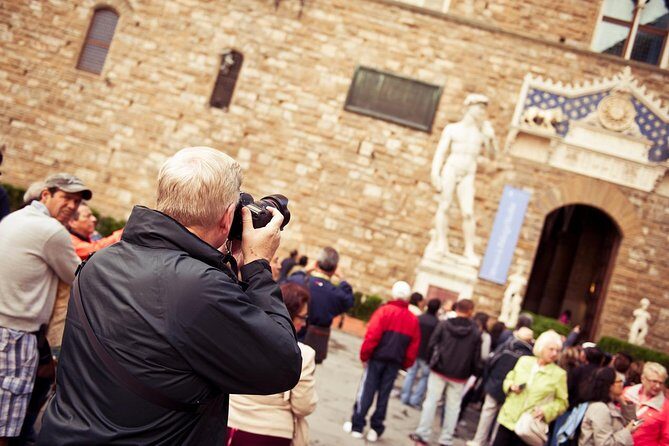
You begin at Piazza San Marco, at the statue in the center of the square. That first moment matters more than you’d think. Before you hop from building to building, the guide frames what you’re about to see: where the Medici came from, how they gained influence, and how that influence shaped Florence’s key institutions.
I like the clarity this gives. If Florence feels like a blur of facades and famous names, this approach gives you handles you can hold onto while you’re walking. You’re not just looking at pretty architecture. You’re learning why each location fits into the family’s rise and fall.
Practical tip: wear shoes that can handle cobblestones for a couple of hours. The tour packs a lot of ground into a short window, even though you’re not going inside most places.
You can also read our reviews of more walking tours in Florence

Palazzo Medici Riccardi: where the family’s big-picture story starts
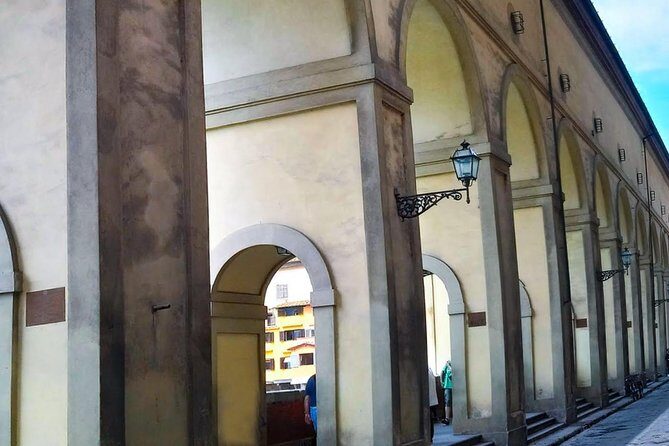
Your next stop is Palazzo Medici Riccardi, with a guided segment of about 10 minutes. Even if you never step inside, this is an important “power base” moment in the tour’s narrative. The guide uses the exterior to explain the Medici’s growth, starting from the idea of a simpler family coming from Mugello (north of Florence), then becoming a major force during the Renaissance period.
What makes this stop valuable for you is the framing. You’ll be learning the dynasty’s progression while you’re standing in the places tied to that progression, so it stops being a history lecture. It becomes a map you can see.
The only drawback is timing. Ten minutes at one spot is enough for direction and context, but not enough if you like long, slow looking or you’re hoping for deep art explanations on the exterior alone.
Basilica of San Lorenzo and the Medici Chapel: when faith and family get linked
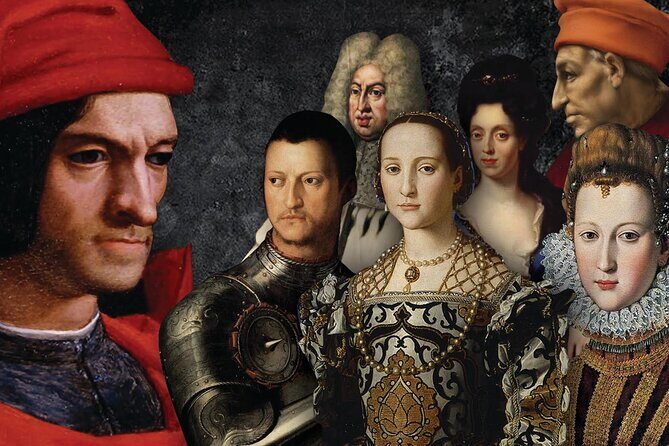
From there you head to the Basilica of San Lorenzo for a short guided look (about 5 minutes), followed by the Medici Chapel (about 10 minutes). This is where the tour leans into the Medici’s presence through churches and places of worship.
Why I think this section works: it explains influence beyond politics. You see how the family’s importance can show up through religious settings too, which makes their story feel more complete. The guide doesn’t treat Florence as one-track. Instead, it’s presented as a city where governance, power, and belief all overlap.
At these stops, expect a “listen and look” rhythm. You’ll get key points from the guide, then you’ll connect the dots with what you can see around you. If you want to spend hours inside church spaces, this tour isn’t trying to replace that. It’s giving you the right starting story so future visits feel richer.
Duomo Complex to Piazza San Firenze: learning how Florence’s landmark core fits the Medici
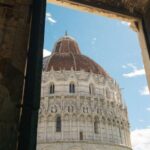
Next up: the Florence Duomo complex (about 10 minutes) and Piazza San Firenze (about 5 minutes). The point here is not to transform you into an expert in cathedral architecture in two hours. The point is to show how the Medici’s importance connects to the city’s most central and recognizable spaces.
This part can feel busy because the Duomo area is busy by nature. Having earphones makes a real difference here. You’ll be able to hear the guide even while you’re walking through crowds.
What to watch for: let the guide’s story dictate what you look at. If you try to freestyle your own “photo checklist,” you can miss the storyline the tour is building.
Bargello and Palazzo Gondi: clues in the civic and palatial world
You’ll then pass through the National Museum of Bargello (about 10 minutes) and Palazzo Gondi (about 10 minutes). These stops keep the focus on Medici-linked prominence in the palace-and-public-building world.
Even without tickets, you can still get a lot out of this pairing because the guide uses these locations to explain influence across different kinds of spaces. Think of it as learning how power expresses itself: sometimes through churches, sometimes through grand residences, and sometimes through buildings tied to civic life.
One consideration for you: museums and palaces tend to attract people who want to step inside. Since entrance tickets are not included, you’ll need to decide whether you’re satisfied with the outdoor context on this tour or whether you’ll plan a follow-up visit later.
You can also read our reviews of more private tours in Florence


Piazza della Signoria and Palazzo Vecchio: where Medici influence meets the city’s leadership center
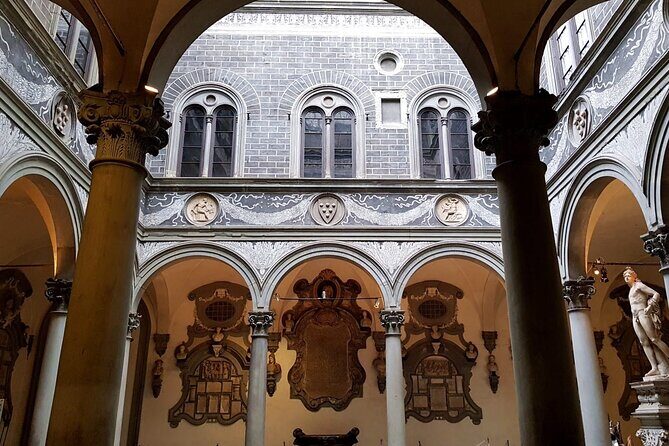
The tour moves to Piazza della Signoria (about 5 minutes) and then Palazzo Vecchio (about 10 minutes). This is the civic heart of Florence, and the tour uses it to connect Medici influence to the way the city operated.
I like this section because it changes the “texture” of what you’re doing. Up to now, the stops have felt like a blend of worship and residence. Here, the story turns toward civic authority and the spaces that reflect it.
When you’re short on time, these stops are a good deal. You get a quick guided interpretation in the exact places you’d otherwise stand in while wondering what you’re really looking at.
Uffizi Gallery and Vasari Corridor: art-adjacent power and the idea of hidden routes
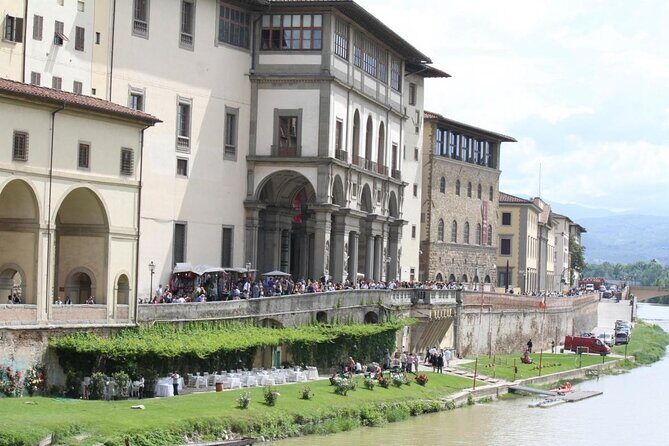
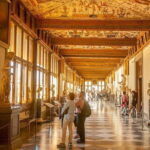
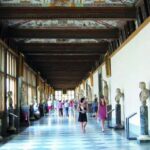
Next: the Uffizi Gallery (about 10 minutes) and then the Vasari Corridor (about 5 minutes). The tour description specifically mentions secret passageways, and the Vasari Corridor stop is the place where that idea comes into the narrative.
Even if you never enter the corridor or the gallery on this tour, you’ll understand why this matters to the Medici story: the tour frames it as how power could move and operate in ways that weren’t always meant for public view.
This is also where your guide’s storytelling skills really show. If the guide explains the corridor in plain language and ties it back to the dynasty’s rise, you’ll feel like you learned something you couldn’t easily pick up from a random wander.
Ponte Vecchio and Santa Felicita: ending the middle stretch with atmosphere and continuity
Then you cross at Ponte Vecchio (about 10 minutes) and stop at the Church of Santa Felicita (about 10 minutes). This is a nice shift. The tour has been threading through key power locations; now it adds a more atmospheric, human-scale moment and a religious stop to keep the theme balanced.
Ponte Vecchio is a strong visual anchor for you. Even with a short stop, it gives context to the idea that the city is a connected system, not isolated monuments. Santa Felicita brings you back to the church thread so the story doesn’t feel like it’s only about palaces and government.
If you’re sensitive to walking in tight spaces, remember that river bridges can be crowded. Earphones help, but your biggest challenge will be moving efficiently while watching for your guide.
Piazza Pitti and Pitti Palace: finishing with the Medici’s broader footprint
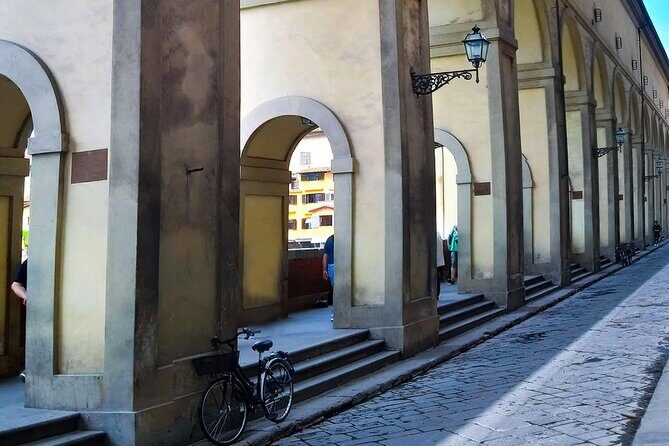
The tour closes at Piazza Pitti (about 5 minutes) and Pitti Palace (about 10 minutes), finishing at Piazza de’ Pitti. This works well as a finish because it signals that you’re moving beyond the “original” power story and toward the larger Medici footprint in Florence.
I like that the ending doesn’t feel random. You’re still in the family’s theme, not suddenly dropped into a different part of the city for no reason. If you’re continuing your day afterward, this area is a logical jumping-off point for more exploring.
Quick planning note: since entrance tickets are not included, you’ll decide whether to treat Pitti Palace as a look-from-outside moment on this tour or whether you want to plan a separate time to go in.
Private guide + earphones: how the pacing stays friendly
This is a private group walking tour with a licensed guide, offered in Italian, English, and French. Earphones are included, which is a huge quality-of-life upgrade in Florence. You’ll be closer to hearing the guide’s explanations even when you’re not right next to them.
The pacing is also built for sanity: roughly 2 hours total, with multiple short guided segments (often 5–10 minutes) rather than one or two long stops that can drag. That makes it easier for you to keep attention without feeling like you’re forced through a rigid museum schedule.
One more pro detail: the tour is wheelchair accessible in the description, but it’s also marked not suitable for people with mobility impairments. If mobility is part of your planning, I’d treat that as a flag to ask the provider what support can actually be arranged and what route adjustments are possible.
Price and value: is $118.95 per person a fair trade?
At $118.95 per person for a 2-hour private guided experience, the value comes from what’s included. You get a licensed guide, a structured story across multiple Medici-linked sites, and earphones for clear audio. That bundle is why the price can feel fair, especially if you’d otherwise spend your time trying to interpret everything alone.
Where the price can feel a little less perfect: entrance tickets are not included. If you know you want to go inside several of the major sites you’ll pass, your total spending will rise. Also, because guided stops are short, the tour is best for people who like “guided context first,” then self-directed exploring later.
For your planning math, think like this: you’re paying for guided interpretation across many key locations in a tight time window. If that matches your travel style, the cost usually feels reasonable.
Who should book this Medici tour (and who should skip it)
This tour is a strong fit if:
- You want a guided storyline through Florence rather than a random walk between monuments
- You like palaces and churches, and you want the family behind them explained in sequence
- You’re short on time and want a concentrated Medici-focused route in about two hours
- You prefer private pacing with earphones instead of fighting for audio in a big group
You might want to choose something else if:
- You’re hoping for long interior visits or deep access to sites
- You dislike walking through crowded central areas for short guided segments
- You need a highly flexible route for mobility reasons (because the tour covers a lot of ground quickly)
Should you book this Florence: The Medicis Private Walking Tour?
I’d book it if you want your Florence day to feel directed. This tour gives you the Medici storyline as you stand on the city’s most important links to that family, including the important Vasari Corridor stop where secret passageways come into the picture.
Before you commit, check two things against your own style: are you okay with quick guided segments and outdoor looks, and are you fine knowing entrance tickets are not part of the price? If you can say yes to both, you’ll likely feel like you got a lot of meaning for your time.
If you want, tell me your travel dates and whether you’re visiting any major sites like the Uffizi or Pitti Palace inside, and I’ll suggest how to pair this tour with your must-see list.
FAQ
How long is the Florence: The Medicis Private Walking Tour?
It’s listed as a 2-hour private walking tour.
Where does the tour start?
The meeting point is Piazza San Marco, by the statue in the middle of the square.
Where does the tour end?
It finishes at Piazza de’ Pitti, 50125 Firenze FI, Italia.
Is this a private tour or a group tour?
It’s a private group tour.
Are entrance tickets included for the places you visit?
No, entrance tickets are not included.
What’s included in the tour price besides the guide?
Earphones are included, along with the 2-hour guided portion.
What languages are the guides available in?
The tour is offered with live guides in Italian, English, and French.
Is it wheelchair accessible?
The activity notes wheelchair accessibility, but it also states it is not suitable for people with mobility impairments, so you should confirm the specifics with the provider before booking.
If you’d like, I can also estimate how this 2-hour route fits into a full day in Florence based on your other plans.
You Might Also Enjoy



More Walking Tours in Florence

More Tours in Florence
- The Best tour in Florence: Renaissance & Medici Tales – guided by a STORYTELLER
★ 5.0 · 12,316 reviews

More Tour Reviews in Florence
- Tuscany Day Trip from Florence: Siena, San Gimignano, Pisa and Lunch at a Winery
★ 5.0 · 21,634 reviews - The Best tour in Florence: Renaissance & Medici Tales – guided by a STORYTELLER
★ 5.0 · 12,316 reviews