REVIEW · FLORENCE
Skip the Line: Bargello Museum Ticket in Florence
Book on Viator →Operated by Weekend in Italy · Bookable on Viator
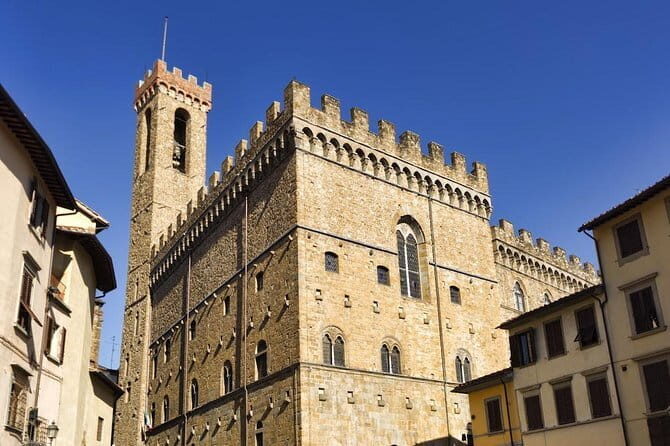
Skip the crowd and meet Florence’s sculpture power. This skip-the-line ticket gets you into the Bargello Museum fast so you can spend more time looking up close at major works. The building itself matters too: the Bargello Palace traces back to 1255, created as a populist statement against the nobility.
I like two things most. First, you get guaranteed fast-track entry, which really helps when Florence queues look endless. Second, the collection is world-class in a very doable way: you’ll see works tied to Michelangelo, Cellini, and Giambologna without spending a whole day hopping between museums.
One thing to consider: you get an exact entrance time and you have to respect it. If you show up late, or if your ticket/voucher process glitches, you can lose your slot and end up paying again—so double-check your voucher and timing before you head over.
In This Review
- Key points before you go
- Bargello Fast-Track: What “Skip the Line” Actually Means
- Bargello Palace in 1255: Why This Building Feels Different
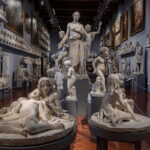
- Ground Floor Masterpieces: Michelangelo, Cellini, and Giambologna
- First Floor Council Hall and the Donatello Room
- The Ivory Room (Carrand Collection): 265 Pieces of Craft
- Second Floor Terracotta, Andrea della Robbia, and the Weapons Rooms
- A 1–2 Hour Plan That Actually Works
- Price and Value: Is $22.47 a Fair Deal?
- What’s Great for Most People—and What Might Frustrate You
- Tips for Your Exact Entrance Time and Voucher Exchange
- Should You Book This Bargello Skip-the-Line Ticket?
- FAQ
- How long does the Bargello skip-the-line ticket allow for?
- Is the visit self-guided?
- Do I get guaranteed skip-the-line entry?
- What do I exchange when I arrive?
- Can I enter any time during opening hours?
- What sculptures and artists should I look for?
- How much is the ticket?
- Is the ticket refundable if I can’t go?
Key points before you go
- Guaranteed skip-the-line entry so you don’t burn your Florence hours in queues.
- A palace with a purpose (1255) tied to the people’s victory over Florence’s nobility.
- Ground-floor sculpture anchored by works connected to Michelangelo, Cellini, and Giambologna.
- Salone del Consiglio + Donatello in a high-ceiling room that once functioned as a tribunal hall.
- Carrand Ivory Room (265 pieces) plus terracotta like Andrea della Robbia’s Busto di fanciullo.
- Self-guided pace with a visit length that fits comfortably into 1–2 hours.
Bargello Fast-Track: What “Skip the Line” Actually Means
In Florence, lines can turn a museum visit into a waiting game. This ticket is built for the moment you’d rather be standing in a courtyard than standing in a queue. With the fast-track access, you exchange your voucher for an entrance ticket and move ahead of the standard entry flow.
I also like that the experience is practical. You’re not locked into a long guided program. You can walk at your own pace, linger where the sculpture grabs you, and keep moving when you’re ready.
Still, “skip the line” doesn’t mean “ignore the clock.” You’re assigned an exact entrance time, and that time is the one you must respect. The museum visit is flexible within opening hours, but your redemption time is not a suggestion.
You can also read our reviews of more tours and experiences in Florence

Bargello Palace in 1255: Why This Building Feels Different
The Bargello isn’t just a container for art. It started as a 13th-century fortress and arsenal, then shifted into a palace with a political story. The big idea from the start: it was built by the people of Florence as a populist symbol of their victory over the nobility.
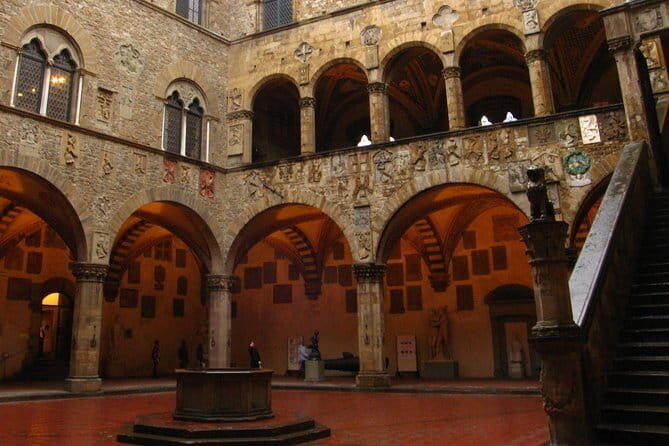
That context changes how you read the rooms. When you walk in and see the grand spaces, it helps to remember this was once a place tied to governance and order, not just display cases. And yes, the courtyard and open feel of the building can make the whole visit feel calmer than some packed museums.
You’ll also feel the contrast between power and craft. This is where Florence’s political energy eventually becomes sculptural mastery—marble, bronze, terracotta, ivory, and weaponry—collected under one roof.
Ground Floor Masterpieces: Michelangelo, Cellini, and Giambologna
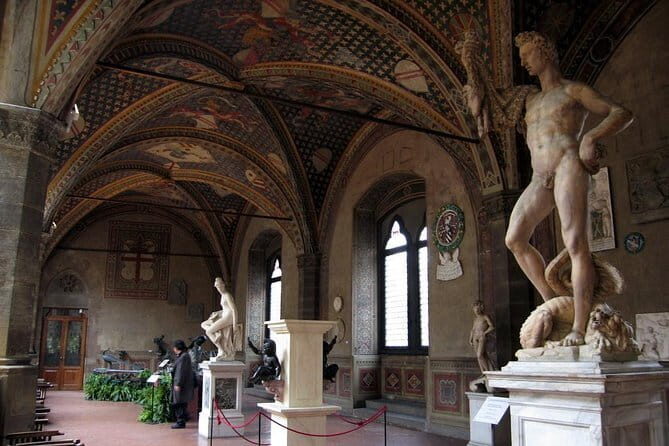
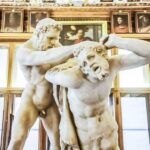
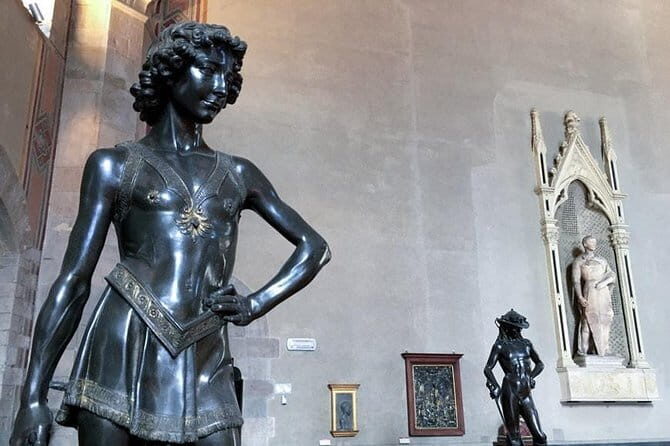
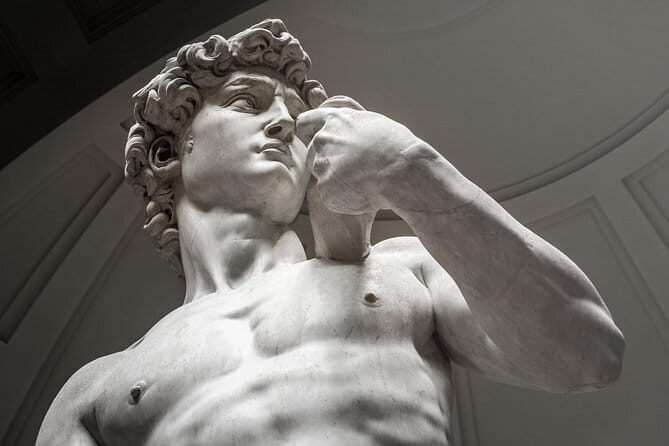
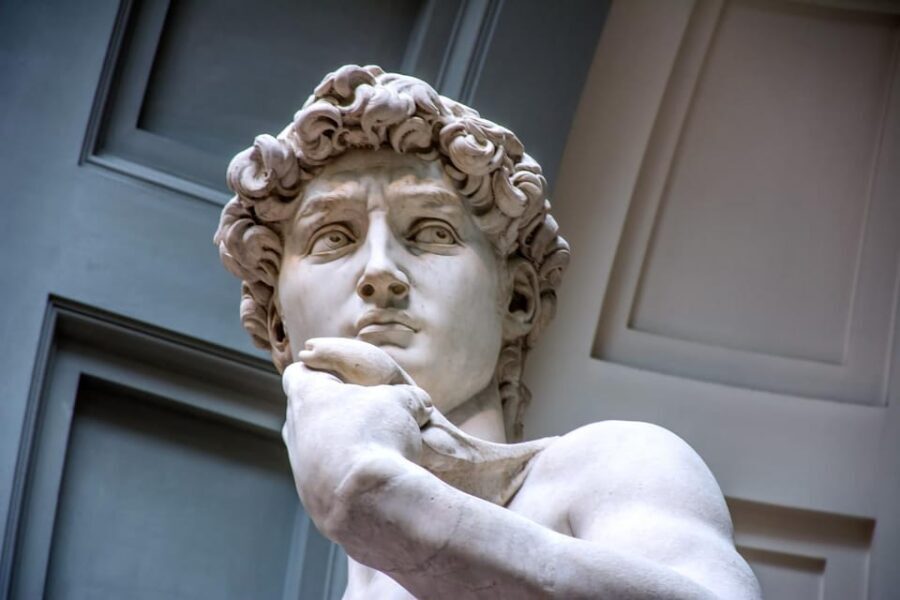
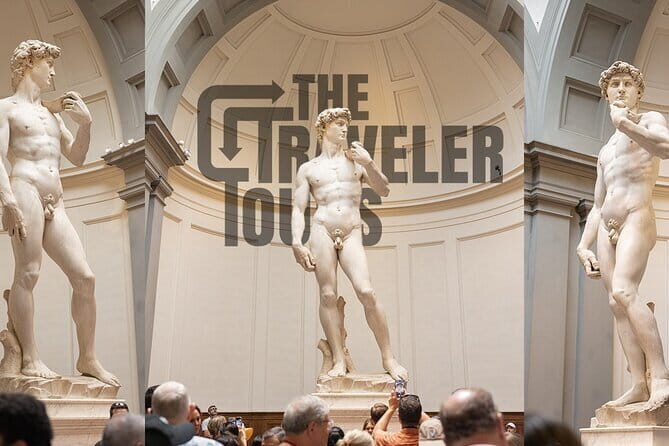
Start on the ground floor, and you immediately get hit with “major-name” energy. You’ll find masterpieces by Michelangelo right as you enter from the courtyard. It’s a strong opening move because it sets expectations fast: this isn’t a small regional display.
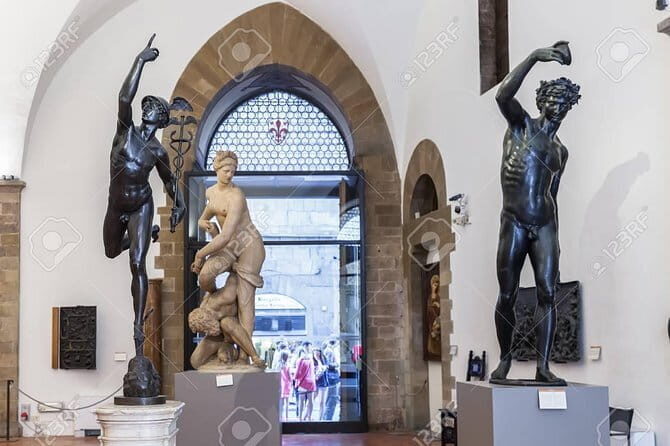
As you move through, you’ll also see works connected to Cellini and Giambologna. Even if you don’t know every artist by heart, you’ll likely notice how different their sculptural approaches feel—pose, texture, surface finish, and that sense of how the body occupies space.
This floor is also the best place to get your bearings. Plan a light game plan: choose two or three pieces you care about most, study them longer than you think you need, then let the rest of the room pull you along. With only 1–2 hours, you’ll get more satisfaction from focus than from trying to “cover everything.”
First Floor Council Hall and the Donatello Room
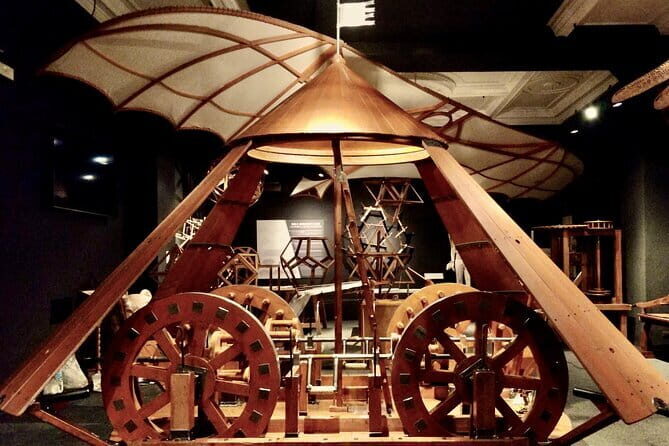
Next up is the first floor and one of the building’s headline spaces: the Salone del Consiglio (Council Hall). The standout feature is the high ceiling, and the room’s past is the big story. It once served as a tribunal hall for procedures in the people’s government.
That’s more than trivia. Standing under that kind of ceiling changes the mood. You’re not just looking at sculpture—you’re in a civic room that once handled serious decisions. It makes the art feel less like decoration and more like part of how Florence organized power, identity, and taste.
Here’s where Donatello enters. The room holds some of Donatello’s finest works. Nearby, you’ll find the Ivory Room, a special section that rewards patience.
The Ivory Room (Carrand Collection): 265 Pieces of Craft
If you like object-based art—small details, material mastery, and old-world manufacturing—this is a highlight. The Ivory Room holds the Carrand collection: 265 pieces that can range from the 5th to the 17th century.
What makes this room fun is the variety of materials and formats. You’ll see diptychs, ceramic tiles, reliquaries, and other objects tied to the history of decorative art. It’s not just one style, one era, or one medium. It’s a cabinet of how people made meaning with objects.
Practical tip: don’t rush. Spend time reading the room’s layout and picking a few favorite items to compare. The big value here is that you’ll feel the “hand” behind the work—how careful artists and makers were with surface, pattern, and symbolism.
And yes, it can be a bit visually busy. If you’re the type who gets overloaded easily, choose a few areas to focus on and ignore the rest until you’ve reset.
You can also read our reviews of more museum experiences in Florence



Second Floor Terracotta, Andrea della Robbia, and the Weapons Rooms
The second floor leans into texture and atmosphere. You’ll find collections of glazed terracotta in two rooms, and this is where you’ll meet Andrea della Robbia through a standout piece: Busto di fanciullo (Baby’s bust).
Terracotta can be deceptive. It’s easy to assume it’s less “important” than marble, but glazed terracotta often carries incredible color and surface detail. Up close, it’s a different kind of emotional impact—more intimate, sometimes more playful, and always tactile.
You’ll also see medieval weapons and ivories in the Sala delle Armi. That pairing—artistic objects and arms—adds an interesting edge. It reminds you that Florence’s culture wasn’t separate from its military reality. The museum captures both worlds, and you get to see how they were valued.
Finally, there’s an exhibition of Italian Renaissance bronzes and medals. If you enjoy the craft of metal and the stories stamped into small items, this section can be surprisingly satisfying.
A 1–2 Hour Plan That Actually Works

This ticket is designed for a 1–2 hour visit, and that time range is honest. With skip-the-line entry, you lose less time at the start, but you still need to choose where you’ll spend energy.
Here’s a simple approach I’d recommend:
- Give yourself a clear order: ground floor first, then first floor, then second floor.
- On each floor, pick one “must-see” target and one “surprise” section.
- Take breaks when you need them. The courtyard and open spaces can help you reset your eyes.
Because entry is self-guided, you won’t have a guide pulling you along. That sounds obvious, but it’s important. It means you control the rhythm. It also means you should set yourself a rhythm in advance, especially if you have dinner or another reservation after.
Also, note the timing rule: you’re assigned an exact entrance time. Even if you can explore any time during opening hours, your redemption time matters. Arrive early enough to check in, exchange your voucher, and get inside calmly.
Price and Value: Is $22.47 a Fair Deal?
At $22.47 per person, this ticket is priced like a “worth it if it saves you time” purchase. And in Florence, time can be expensive—especially when you’re stacking multiple sights in one day.
Here’s how I’d judge the value:
- You’re paying for guaranteed skip-the-line entry, not a tour guide or transport.
- You’re buying access to one of Florence’s largest and most important Italian sculpture collections.
- You’re visiting a palace with history built into the rooms, not just a plain museum building.
The bargain logic changes if the line is already short at your exact time. In that case, you might feel you paid more than you needed. But most people buy skip-the-line because they want reliability. That’s the real value: you can plan your day without guessing how long the line will be.
One more cost detail to keep in mind: service fees and online booking fees may apply. Also, fees for temporary exhibitions happening during your visit may be extra.
What’s Great for Most People—and What Might Frustrate You
This experience fits best if you:
- want sculpture and decorative arts under one roof,
- like self-guided exploring,
- and care about skipping waiting time.
It also works well when you’re doing Florence in “tight hours.” Reviews frequently point out that the visit can feel uncrowded at certain times, which makes the museum easier to enjoy. The building’s courtyard also helps; it feels like a breather between Florence’s streets and the art rooms.
Now, the reality check. Some people report problems with ticket delivery, voucher access, or customer service. A few mention arriving and not having usable tickets, or getting denied entry until they paid again. One person also raised a date issue tied to a monthly closure pattern, saying the museum was closed on the second Sunday of the month.
The takeaway isn’t “don’t go.” It’s “go prepared.” Print and present your voucher as required, and confirm your visit date and time before you leave your hotel.
Tips for Your Exact Entrance Time and Voucher Exchange
This type of ticket has one job: get you in fast. To do that, you’ll want to treat the voucher process seriously.
Based on the ticket rules:
- you’ll need to exchange your voucher for an entrance ticket at the museum,
- you must print and present the Weekend in Italy confirmation voucher to redeem,
- and you’re assigned an exact entrance time you must respect.
So plan your arrival like this:
- Give yourself a buffer so you’re not rushing when you get there.
- Don’t rely on last-minute screens if printing is required.
- If you’re visiting alongside other reservations, treat your entrance time as the anchor.
And if you’re the type who likes to double-check, do it. It’s a small extra step that can save you from a very annoying morning.
Should You Book This Bargello Skip-the-Line Ticket?
I think you should book it if you want a smooth entry and you care about seeing a top-tier sculpture collection in a limited window. The museum’s mix—Michelangelo-related masterpieces, Donatello, Cellini, Giambologna, plus terracotta, ivory objects, and the feel of a 1255 palace—makes it a strong “one museum, many worlds” stop.
I’d skip booking only if you’re traveling in a period when lines are reliably short for your time slot and you’re comfortable risking a slower start. But if you’re trying to protect your schedule, this ticket is built for that.
Final verdict: if you like sculpture, want to avoid lines, and can follow the voucher/time rules, this is a good-value choice for Florence. Just make sure your voucher is ready to show, and don’t cut it close on your assigned entry time.
FAQ
How long does the Bargello skip-the-line ticket allow for?
The ticket is listed for about 1 to 2 hours.
Is the visit self-guided?
Yes. After exchanging your voucher and entering, you explore the museum at your own pace.
Do I get guaranteed skip-the-line entry?
Yes. The ticket includes guaranteed skip-the-line access.
What do I exchange when I arrive?
You exchange your voucher for an entrance ticket that includes skip-the-line access.
Can I enter any time during opening hours?
Your ticket time can be any time during the museum’s opening hours, but you are assigned an exact entrance time on your voucher that you must respect.
What sculptures and artists should I look for?
On the ground floor, look for Michelangelo-related masterpieces, plus works connected to Cellini and Giambologna. Donatello’s works are highlighted on the first floor, along with the Council Hall (Salone del Consiglio).
How much is the ticket?
The price is $22.47 per person.
Is the ticket refundable if I can’t go?
No. The experience is non-refundable and can’t be changed for any reason.
You Might Also Enjoy
More Museum Experiences in Florence
More Tickets in Florence

More Tour Reviews in Florence
- Tuscany Day Trip from Florence: Siena, San Gimignano, Pisa and Lunch at a Winery
★ 5.0 · 21,634 reviews - The Best tour in Florence: Renaissance & Medici Tales – guided by a STORYTELLER
★ 5.0 · 12,316 reviews