REVIEW · FLORENCE
Small Group Uffizi & Accademia Museum with Walking Tour
Book on Viator →Operated by Keys Of Italy / Florence · Bookable on Viator
Two museums, one tightly planned morning. You’ll get timed entry to both the Uffizi and the Accademia, plus a guide who connects the paintings and sculptures to the legends and history Florence built on. I love the small group size (max 9), because it keeps things moving and lets your guide actually explain what you’re seeing. One consideration: the schedule can still involve some waiting, and the walking-between-stops portion is more about orientation than long, slow wandering.
The payoff is big. You’ll spend the bulk of your time inside two of the world’s most famous art collections, and you’ll end up face-to-face with Michelangelo’s David at the Accademia, then look back at Florence through the streets on your way between museums—Signoria Square, the Municipality building, and outdoor views toward the Cathedral area.
If you want Florence in one efficient art day (without losing hours to lines), this is the kind of tour that makes sense. If you hate any standstill at all, go in with realistic expectations about pacing.
In This Review
- Quick hits
- The real value: doing Uffizi plus Accademia in one sweep
- Skip-the-line access and why the price can still feel fair
- Start smart: your morning meeting point and what it means
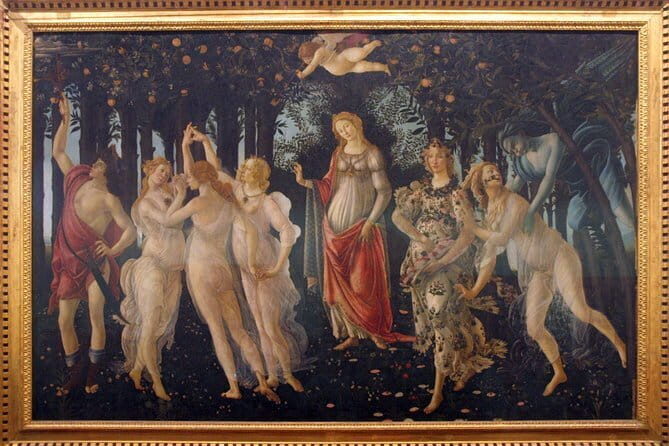
- Uffizi Gallery: how a guide turns famous paintings into real understanding
- Uffizi reality check: you won’t see everything
- The walk between museums: Signoria Square and Florence from street level
- Accademia Gallery: seeing David without the day slipping away
- How to get the most from your one hour
- Small group size: the biggest reason this tour feels calmer
- What can go wrong: waiting and walking expectations
- How to prepare so the day feels smooth (not stressful)
- Who should book this Uffizi and Accademia walking tour
- Should you book?
- FAQ
- What is the duration of the tour?
- How many people are in the small group?
- Are museum tickets included?
- Where do we meet, and where does it end?
- What time does the tour start?
- Is transportation included?
- Do I need to bring ID?
- Is this tour suitable for people with limited walking ability?
Quick hits

- Timed entry for both museums keeps your day from shrinking under lineups
- Max 9 people means you can hear your guide and see key works without getting swallowed
- Art historian-style storytelling helps you understand what you’re looking at, not just name it
- Michelangelo’s David is the Accademia anchor stop
- Walking city tour in between links the museums to Florence’s landmarks like Signoria Square and the Municipality
- Around 3 hours 30 minutes gives you a complete morning without burning your whole day
The real value: doing Uffizi plus Accademia in one sweep
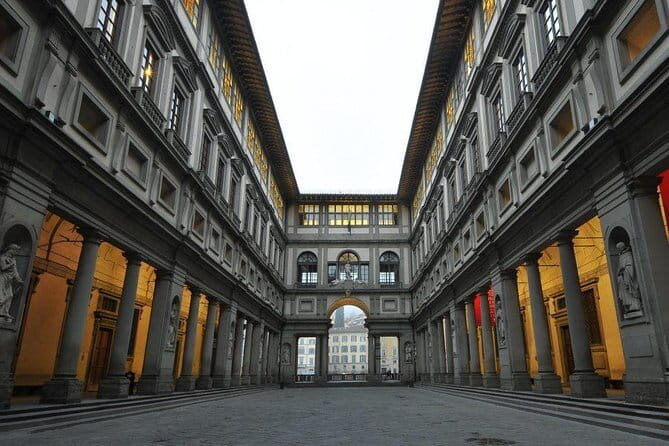
Florence has a way of making you feel like you’re either rushing or missing something. This tour tries to solve that by pairing the Uffizi and the Accademia in one continuous plan, with a guide at your side the whole time.
The Uffizi is where you go when you want the big-name Renaissance works and the stories behind them. The Accademia is where you go when you want David—and the kind of sculpture presence that looks different when you’re standing close, not reading about it later. Doing both in one day keeps the themes connected: you’re seeing how artists built on older ideas, then you’re watching how one famous figure (David) became a symbol people couldn’t stop talking about.
You’re also not spending all your “Florence time” trapped indoors. The tour includes a walking segment where you pass by landmark points like Signoria Square, the Municipality of Florence, and outdoor looks toward the Cathedral area. It’s the kind of bridge that helps your brain stop treating the museums like separate worlds.
You can also read our reviews of more walking tours in Florence


Skip-the-line access and why the price can still feel fair

At $192.29 per person for about 3 hours 30 minutes, you’re paying for more than two museum tickets. The direct admission costs listed are 29€ for the Uffizi and 20€ for the Accademia—so the tour price includes the guide, the small-group handling, and the timed-entry benefit that helps you avoid the long wait that often drains a day.
Here’s how I’d think about value:
- If you self-navigate, you still have to plan your entry times, handle crowds, and figure out what matters most once you’re inside.
- With timed entry plus a guided route, you trade some independence for time protection—and in these museums, time really is the resource.
- The max 9 group limit also affects value. A smaller group can mean quicker movement between rooms and better access to the guide’s attention when you have questions.
Is it expensive? Yes, relative to buying tickets alone. But if your goal is to hit the highlights without losing hours, this price starts to look like “paying to buy back your time” rather than paying for a lecture.
Start smart: your morning meeting point and what it means
Your tour starts at 9:00 am at Piazzale degli Uffizi (2059). That meeting location is close to the museum zone, so you’re not wasting the start of your day crossing the city.
Plan to arrive a bit early. Not because you need to, but because Florence mornings can be busy, and you’ll want everything settled before the timed entry window matters.
Also, keep your documents ready. For Uffizi entry, you must present a valid passport or ID matching the name provided at booking. This isn’t a “maybe.” It’s a requirement for successful entry, so it’s worth treating it like a non-negotiable checklist item.
Uffizi Gallery: how a guide turns famous paintings into real understanding
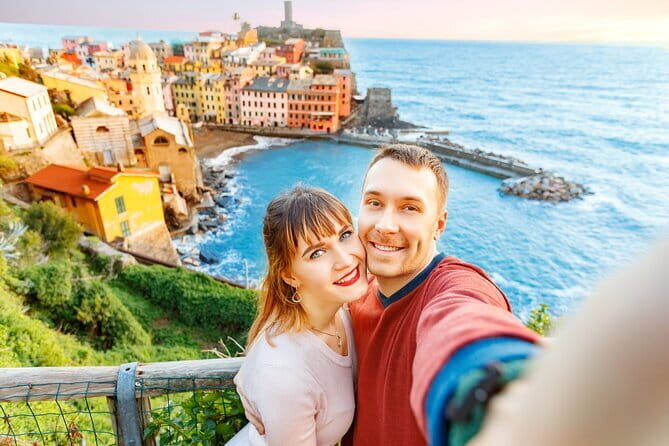
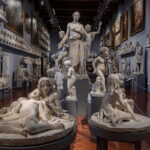
You’ll spend about 1 hour 50 minutes at the Gallerie Degli Uffizi, and it’s a perfect length for first-timers—long enough to see the essentials, not so long that you’re wandering until your feet and patience give up.
What makes the Uffizi visit work here is the way your guide connects the masterpieces to the reasons they mattered. The tour is designed around legends behind the paintings and “why this work exists in Florence,” not just “what year it’s from.”
Even if you already recognize a few names, the Uffizi can still feel like a wall of masterpieces. A strong guide helps you pick out the details you would normally miss: symbolism, themes that repeat across artists, and the historical context that changes how you read the scenes.
Uffizi reality check: you won’t see everything
With nearly two hours, you’ll hit major highlights—but you won’t see every room and every painting. That’s not a flaw; it’s a strategy. In a museum this big, “complete” usually means “tired and unsatisfied.” This plan aims for high impact.
You can also read our reviews of more museum experiences in Florence



The walk between museums: Signoria Square and Florence from street level

After the first museum, you’ll move through the city on foot. This part matters more than it sounds, because it gives your day texture.
On the way, you’ll pass by:
- Signoria Square
- The Municipality of Florence
- A beautiful street in Florence (the tour stops for the kind of view you’d normally glance at and miss)
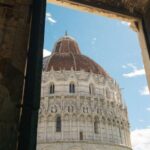
- An outdoor view toward the Cathedral
- Another famous street in the historic center
Think of this segment as your “getting bearings fast” portion. It helps you build a mental map so the museums don’t feel like isolated buildings you happened to visit. You’re also getting the contrast: inside the Uffizi, art was made for courts and power. Outside, you’re walking through the same civic spaces that shaped the city’s identity.
One word of caution: the walking portion is likely to feel lighter than a dedicated city sightseeing tour. The goal isn’t long downtime. The goal is to connect stops and keep you on track.
Accademia Gallery: seeing David without the day slipping away

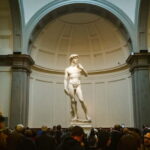
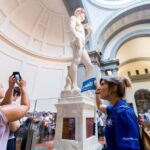
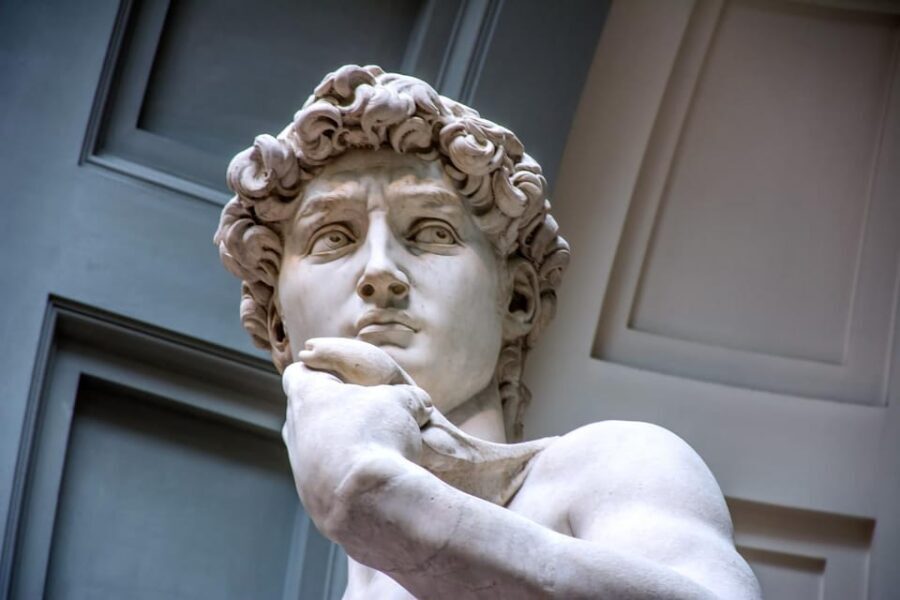
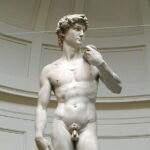
Your Accademia visit lasts about 1 hour at Galleria dell’Accademia di Firenze. This is the moment many people are waiting for: Michelangelo’s David.
Standing in front of the statue is a different experience than seeing photos. The scale and the way the form plays with light hit you once you’re there. The value of a guided visit is that the guide’s context helps you see it as more than a famous figure—it becomes a piece of culture with layers of meaning that people argued about and admired for centuries.
How to get the most from your one hour
You can help your guide help you by having a plan for your attention. Before you enter, decide what you want most:
- the big sight (David)
- a couple of other works you’d like to understand
- time to look without feeling rushed
With timed entry, you have fewer bottlenecks. That matters here because the Accademia can feel intense: the art is concentrated, and the crowd flow can be tight.
Small group size: the biggest reason this tour feels calmer
The tour runs with a maximum of 9 travelers. That number is not a marketing gimmick. It changes how the day moves.
In a museum crowd, the difference between 9 people and 20 is the difference between:
- getting stuck behind someone at a key sight, versus
- being able to pivot as the guide points you toward the next highlight.
This is also why people often walk away feeling like they got both museums’ “best parts,” not just scattered impressions.
If you’re the type who hates feeling like you’re sprinting through rooms, the smaller group structure helps you slow down where it counts.
What can go wrong: waiting and walking expectations

Even with timed entry, a schedule like this can still include waiting. Some days move fast; other days tighten up.
A few considerations to keep in mind:
- Transaction and entry timing can create delays at the museum doors.
- Joining logistics for the second half of the tour can add extra pause.
- The walking city segment may feel like a short orientation rather than a full, deep sightseeing program.
- English clarity can depend on the guide leading your group, so if language precision matters a lot, choose your time slot with confidence but keep flexibility in mind.
There’s also one practical scenario worth knowing: if museum access rules shift on a given date (for example, when special opening conditions affect guided groups), your plan may need to adjust. That doesn’t mean the tour is unreliable; it means major museums sometimes change how they let guided groups move through spaces.
How to prepare so the day feels smooth (not stressful)
You’ll enjoy this tour more if you show up ready for a museum sprint without acting like it’s a marathon.
- Wear comfortable shoes. You’re walking between sights and spending time indoors standing and looking.
- Bring your ID/passport exactly matching the booking name for Uffizi entry.
- Pack light. Museums are strict about what you can bring, and hauling bags slows you down.
- If you’re sensitive to crowds, arrive with the mindset that the guide’s job is to help you move through the busiest rooms efficiently.
You might also benefit from audio support if it’s offered on the day. In similar small-group formats, guides often use listening devices so you can hear them while looking around—useful when rooms are crowded and you don’t want to stand glued in one spot.
Who should book this Uffizi and Accademia walking tour
This is a strong fit if you:
- want two major museums in one day without planning your own timed tickets
- care about context—legends, symbolism, and how Florence shaped the art
- prefer small group energy over large bus-style crowds
- want to see Michelangelo’s David and the Uffizi highlights as a linked story
It’s less ideal if you:
- have walking issues (it’s not recommended for people with problems in walking)
- need long free time at each museum
- get frustrated by any waiting at all
Should you book?
Yes—if your priority is getting the highlights with a guide and protecting your time. This tour is built around timed entry and a small group cap, which is exactly what you want for the Uffizi and the Accademia when crowds and lines can eat your day.
Book it when you want an efficient Florence morning: museums first, then a quick street-level scan of the city landmarks like Signoria Square and the Municipality area, ending with David as your emotional payoff.
Skip it (or reconsider) if your idea of museum time is slow, independent, and wide-open. In that case, you might be happier planning separate visits with more flexibility. But if you’d rather trade a bit of freedom for expert guidance and smoother entry, this one is a very solid choice.
FAQ
What is the duration of the tour?
It runs for about 3 hours 30 minutes.
How many people are in the small group?
The group size is maximum 9 people.
Are museum tickets included?
Yes. Timed entry tickets for both the Uffizi and the Accademia are included.
Where do we meet, and where does it end?
Meeting point: Piazzale degli Uffizi, 2059, 50122 Firenze FI, Italy.
End point: Galleria dell’Accademia di Firenze, Via Ricasoli, 58/60, 50129 Firenze FI, Italy.
What time does the tour start?
The start time is 9:00 am.
Is transportation included?
No. Transportation to/from attractions is not included.
Do I need to bring ID?
Yes. You must present a valid passport or ID document matching the name provided at booking for successful Uffizi entry.
Is this tour suitable for people with limited walking ability?
It is not recommended for people with walking problems.
You Might Also Enjoy



More Walking Tours in Florence

More Tours in Florence
- The Best tour in Florence: Renaissance & Medici Tales – guided by a STORYTELLER
★ 5.0 · 12,316 reviews




More Tour Reviews in Florence
- Tuscany Day Trip from Florence: Siena, San Gimignano, Pisa and Lunch at a Winery
★ 5.0 · 21,634 reviews - The Best tour in Florence: Renaissance & Medici Tales – guided by a STORYTELLER
★ 5.0 · 12,316 reviews