REVIEW · FLORENCE
The Other Side of Florence Food Tour with Eating Europe
Book on Viator →Operated by Florence Food Tours by Eating Europe · Bookable on Viator
Florence tastes different when you wander Oltrarno. What I like most about this Eating Europe Florence food tour is the small-group feel and the way you move from proper Tuscan storefronts to street food without losing the thread. You’ll work your way through classic bites like cantucci at an old pasticceria, then keep going with cheeses, salami, wine-window pours, and award-winning gelato.
The one drawback to keep in mind is that this is a real tasting tour: you’ll encounter cured meats, a lampredotto (cow stomach) panino, and wine. If you’re avoiding those for dietary, cultural, or allergy reasons, you’ll have to plan your way through it carefully.
In This Review
- Key things that make this Florence food tour worth your time
- Starting on the right foot: Piazza Nazario Sauro to Piazza Santo Spirito
- Stop 1: Formaggi e Salumi Sandro & Ivana and the taste of real Tuscan shelves
- Pasticceria Buonamici: cantucci, millefoglie, and coffee done the old-school way
- Porta San Frediano and the “why” behind Florence’s fortified past
- Wine windows in Oltrarno: watching locals drink through history
- Da Simone street food and the Florence classic: lampredotto panino
- Fiaschetteria Fantappié: cucina povera, wild boar stew, and Chianti Classico by the wine window
- Santo Spirito square and Michelangelo’s secret crucifix
- La Sorbettiera gelato stop: how to spot real artisanal gelato
- Price and value: is $113.72 a good deal for a 3-hour Florence food tour?
- Who should book this Florence food tour, and who might not
- Should you book the Other Side of Florence Food Tour?
- FAQ
- How long is the Other Side of Florence Food Tour?
- What does the tour price include?
- What’s the maximum group size?
- Where do I meet the guide, and where does the tour end?
- Is the tour offered in English?
- Can the tour accommodate dietary requirements?
- What if I want extra drinks during the tour?
- Is there gelato included, and do I get to taste more than one flavor?
- Do children need a ticket?
- What’s the cancellation policy?
Key things that make this Florence food tour worth your time
- A true Oltrarno route, away from the densest tourist paths, with plenty of local food stops
- Hands-on Tuscan staples: pecorino cheeses, finocchiona, cantucci, millefoglie, and coffee or cappuccino
- Florence-specific culture via wine windows and a look at medieval walls at Porta San Frediano
- Street food that changes your mind about lampredotto (yes, it’s cow stomach)
- Gelato skill-building, with a short guide on spotting real artisanal gelato before you taste
Starting on the right foot: Piazza Nazario Sauro to Piazza Santo Spirito
This tour is designed like a stroll with purpose. It starts at Piazza Nazario Sauro (easy to find, near public transportation) and ends at Piazza Santo Spirito, so you’ll finish in a lively neighborhood where it’s natural to keep wandering on your own.
With a maximum group size of 12, the pace stays friendly. You’ll be close enough to hear your English-speaking guide clearly, but not packed in like you’re part of a moving bus. The whole experience runs about 3 hours, and that’s important: you’re tasting, walking, and learning without feeling stuck in a long, dragging afternoon.
One practical tip: wear comfortable shoes. Stops include storefront tastings and a couple of outdoor moments tied to Florence’s streets and squares. If you’re sensitive to standing for long stretches while chatting and tasting, plan accordingly.
You can also read our reviews of more food & drink experiences in Florence
Stop 1: Formaggi e Salumi Sandro & Ivana and the taste of real Tuscan shelves
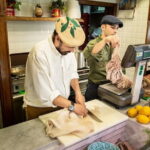
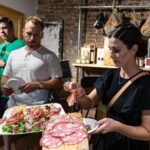
Your first stop is a traditional Alimentari-style shop: Formaggi e Salumi Sandro & Ivana. This is where the tour earns its credibility. You’re not just sampling in a themed way—you’re tasting in a place that sells the region’s products for everyday locals.
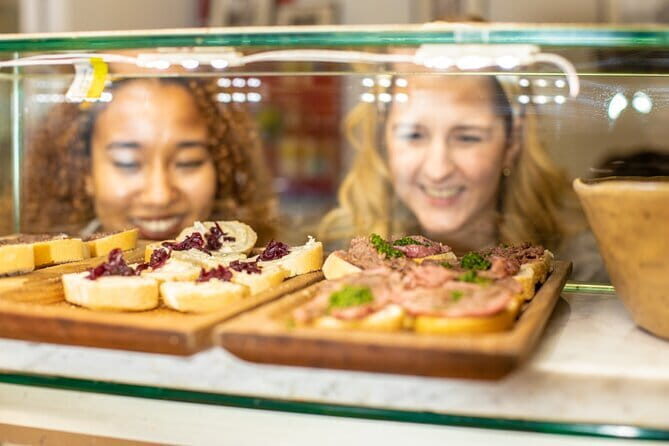
You’ll try two varieties of pecorino cheese plus finocchiona, a fennel-infused salami that’s basically a Tuscan signature. The value here isn’t only in the flavors. It’s in learning how these items relate: cheese and salumi are the foundation of so many Tuscan meals, and this stop helps you understand what to look for later—at markets, wine shops, or even when ordering in restaurants.
Time is tight (about 20 minutes), so this is not a slow sit-down course. It’s a focused tasting that sets your palate up for what comes next. If you love cheese and cured meats, this is the kind of stop that makes the whole tour feel “real.”
Pasticceria Buonamici: cantucci, millefoglie, and coffee done the old-school way
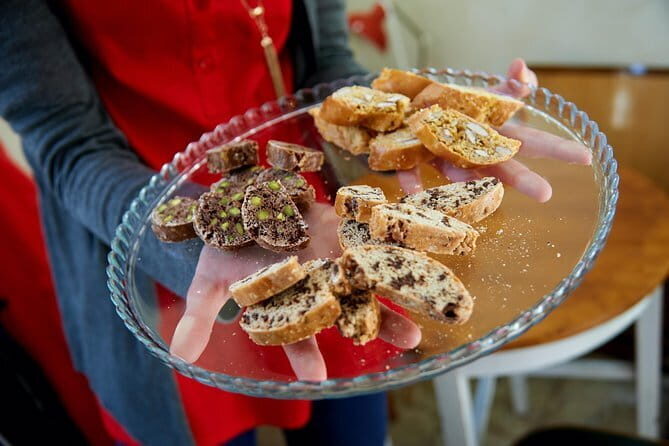
Next you head to Pasticceria Buonamici, described as a historic neighborhood pasticceria now run by the third generation. That matters because Florence has plenty of fancy dessert spots, but not many places with the long “we’ve been here through everything” staying power.
You’ll taste cantucci biscotti (the iconic crunchy cookies that pair naturally with espresso) and also sample millefoglie, a delicate layered cake. Along with that, you’ll have a freshly brewed coffee or cappuccino.
What I like about including cantucci early is that it trains your taste buds for the tour’s sweet-to-salty rhythm. You’ll also get the behind-the-scenes idea of how cantucci are made—one of those details that turns a cookie from something you buy into something you understand.
A small consideration: if you’re very strict about sugar, this stop still includes sweets. But it’s not just dessert for dessert’s sake—you’ll see how these flavors fit into Tuscan everyday life.
Porta San Frediano and the “why” behind Florence’s fortified past
Not every stop is about eating. You also see Porta San Frediano, a medieval gate dating back to 1333 that forms part of Florence’s fortified walls.
I like this kind of pause because it keeps your brain engaged beyond flavor. It helps you connect the city’s physical shape to the food story. When you understand Florence as a city of neighborhoods and layers—protected, connected, and constantly changing—you start noticing how food culture survives all that.
Expect a quick, on-the-street moment rather than a long history lecture. It’s the right kind of interruption: enough context to make later stops—like wine windows—feel less random.
Wine windows in Oltrarno: watching locals drink through history
One of the coolest cultural elements here is Florence’s wine windows. These are small openings in historic buildings where wine was once served directly to locals.
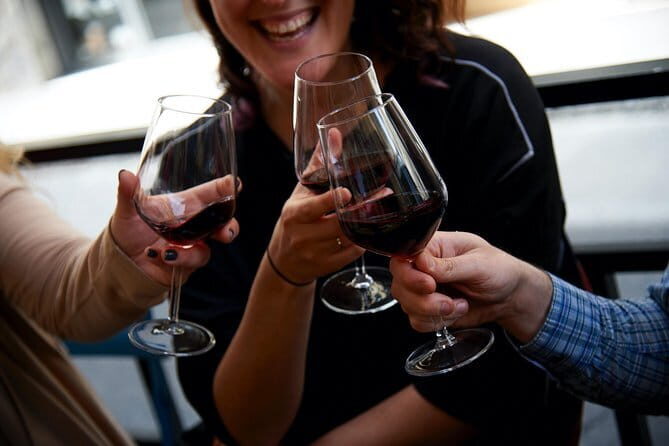
This stop is valuable because it adds a social layer to what you’re tasting. Wine windows aren’t just architecture; they’re a clue about how people moved, met, and bought essentials in a dense city. Once you’ve seen them, you’ll understand why “drinking” in Florence often looks different than in tourist-heavy spots.
Your guide also ties this back to what you’ll be drinking later. Even if you’re not a wine expert, it makes the whole pairing feel earned instead of random.
You can also read our reviews of more tours and experiences in Florence

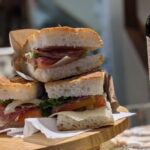
Da Simone street food and the Florence classic: lampredotto panino
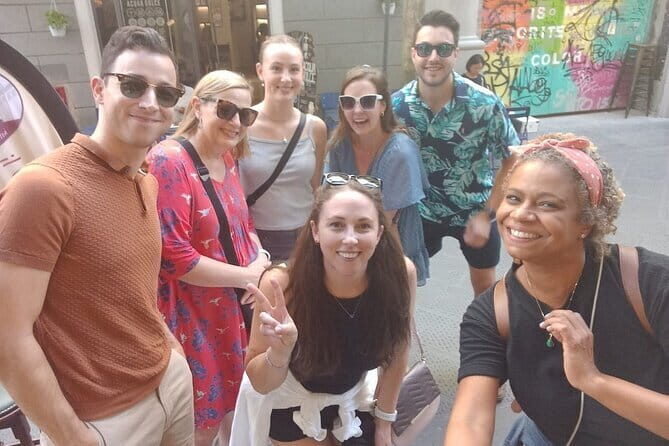
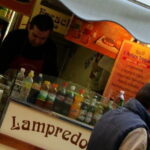
Then it’s street food time at Da Simone, a local Florence stand. You’ll try the lampredotto panino, often described as cow stomach sandwich.
This is one of those “don’t judge it until you taste it” moments. The panino format matters—it’s bread plus sauce plus a filling that locals have eaten for generations, not a museum piece. For many people, this is where the tour earns its biggest grin: the flavors are comforting and specific, and the guide helps you understand what you’re actually tasting.
Just keep expectations honest. If you’re queasy about offal, you may not enjoy it no matter how good it tastes. But if you’re adventurous, this stop is one of the most Florence things you can do in a short time.
Also, since the tour is about sampling, you’re tasting in small portions across multiple stops. That’s a gentler way to try the more unusual items than ordering one big entrée on your own.
Fiaschetteria Fantappié: cucina povera, wild boar stew, and Chianti Classico by the wine window
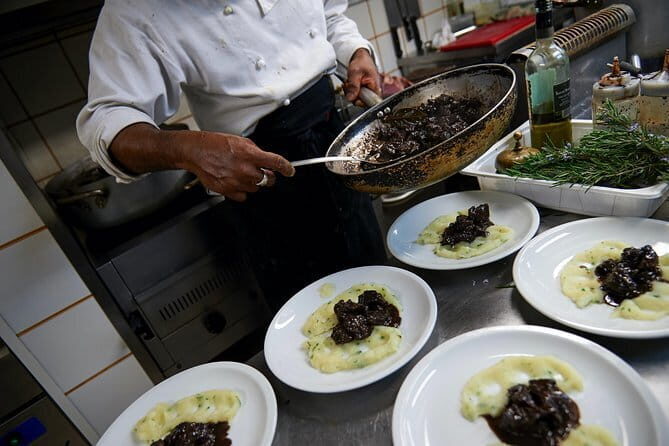
At Fiaschetteria Fantappié, you get the heart of Oltrarno’s food-and-wine culture. This is a historic fiaschetteria serving locals since the 1950s. The experience centers on learning about Tuscan cucina povera, the tradition of hearty, smart cooking from simple ingredients.
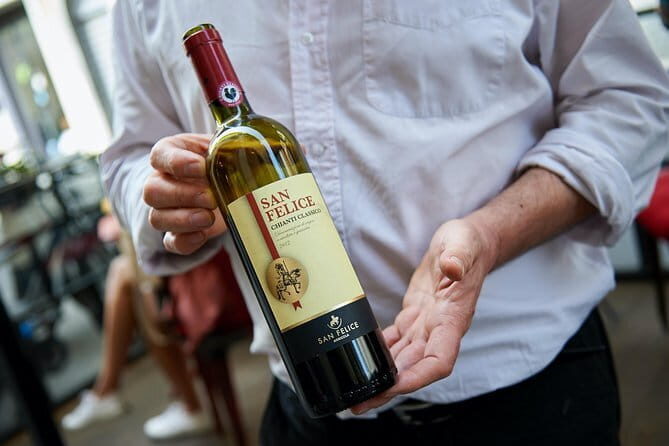
You’ll taste several things here, including Tuscan soup, wild boar stew, and a glass of Chianti Classico. And yes, you’ll be served in a way that fits the setting, with the iconic wine-window approach.
Here’s what I think makes this stop special for you, not just for the sake of tradition: it connects food to place and to people. Cucina povera is easy to understand when you’re literally eating it in the kind of spot locals still use. The flavors are earthy, filling, and built for real meals, not just Instagram photos.
One caution: wild boar stew and other hearty dishes can feel heavy if you’re sensitive to rich foods. The good news is you’ve been pacing tastings across earlier stops, and your guide keeps the flow moving.
Santo Spirito square and Michelangelo’s secret crucifix
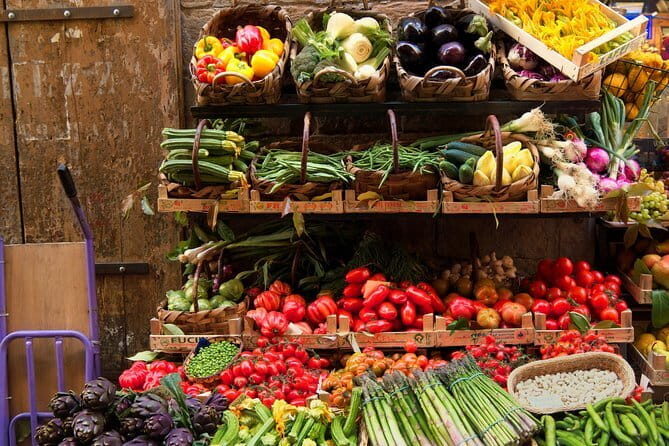
After the wine and stew, the tour shifts to a square and a church visit. You’ll spend time around Santo Spirito, including seeing the Church of Santo Spirito and its famous interior detail: Michelangelo’s secret crucifix.
This isn’t a long museum-style visit, but it’s the kind of sight that sticks because it feels personal and unexpected. You’re standing where an artist left a rare work tucked inside a Renaissance church, and the guide helps you notice what you might otherwise miss.
The best part for most people is the contrast. You go from eating and drinking to quietly looking. That break helps you digest (sometimes literally) and keeps the experience from becoming pure food overload.
La Sorbettiera gelato stop: how to spot real artisanal gelato
To end, you go to Gelateria Artigianale La Sorbettiera | Santo Spirito, voted Florence’s Best Gelato. This is an award claim you can actually feel good about, because you’re not only getting gelato—you’re getting a quick crash course on how to spot true artisanal gelato.
You’ll learn a few practical indicators and then taste a 2-flavor cup or cone. This is a great final stop because it caps the meal story with something unmistakably Italian. It also gives you an easy way to buy gelato later in Florence with better instincts.
A smart pacing choice, too. After cheese, salami, street food, soup, stew, and wine, gelato is the light finish you want. If you’re lactose-sensitive, you might want to think ahead, since dairy is part of most gelato.
Price and value: is $113.72 a good deal for a 3-hour Florence food tour?
At $113.72 per person for about 3 hours, this tour isn’t a budget snack crawl. But it also isn’t just paying for a walk and a couple bites.
Here’s what you’re getting for the price based on the tour details you’ll experience:
- Multiple tastings across cheese, salami, desserts, coffee/cappuccino, street food, Tuscan dishes, wine, and gelato
- A local English-speaking guide plus Food & the City insider tips
- Access to several specific food-focused stops where tasting is the point
You also benefit from small-group size (maximum 12), which you don’t always get at this price. And tastings are free at the stops included in the experience, which matters when you’d otherwise be paying out of pocket at each place.
If you’re the kind of traveler who wants to eat like a local with less guessing, this tends to be good value. If you only want one sweet and one drink, you could spend less on your own. But if you want the full sweep—Oltrarno + wine windows + Tuscan staples—this price is easier to justify.
One additional note: extra drinks cost extra. There’s an option to buy 3 additional drinks for €16 via a premium drink package if you want to add more wine or beverages.
Who should book this Florence food tour, and who might not
This tour fits best if you:
- Want an Oltrarno perspective and not only the most famous central streets
- Like structured tasting with stops that each teach something specific
- Enjoy classic Tuscan flavors—pecorino, finocchiona, cantucci, cucina povera-style dishes, and Chianti Classico
- Want to try at least one item you might not order alone, like lampredotto
You might want to skip or plan carefully if:
- You have severe or life-threatening food allergies. The tour isn’t suitable for those cases, and the company can’t take responsibility for allergy/intolerance outcomes.
- You avoid alcohol or cured meats, because wine and meats are part of the tasting line-up.
- You hate offal. Lampredotto is optional in the sense that you can choose not to eat it, but it’s still central to the tour’s idea.
For families: children under 4 can join free, but food is not included for under-4 kids. Paid tickets with food are available for ages 4 and up.
Should you book the Other Side of Florence Food Tour?
If you want a Florence food experience that feels like it belongs to locals—cheese shop shelves, an old pasticceria, wine windows, and Oltrarno street food—this is a strong pick. The mix of tastings and culture is what makes it work: you’re not just eating, you’re learning why these foods and traditions show up in this part of town.
I’d book it if you’re excited by variety: salami plus pecorino, cookies plus flaky cake, street food with a reputation, and Tuscan dishes with wine by the window. The only reason I’d hesitate is if your diet is very limited or you’re dealing with serious allergy concerns. For everyone else, it’s an efficient, flavorful way to see Florence from the other side—and still end near Santo Spirito with plenty of evening options.
FAQ
How long is the Other Side of Florence Food Tour?
The tour lasts about 3 hours.
What does the tour price include?
It includes local English-speaking guidance, Food & the City insider tips, and tastings that cover cantucci with espresso or cappuccino, Tuscan dishes and street food, Tuscan wine, and gelato.
What’s the maximum group size?
The tour has a maximum of 12 travelers.
Where do I meet the guide, and where does the tour end?
You start at Piazza Nazario Sauro, 50125 Firenze FI, Italy and end at Piazza Santo Spirito, 50125 Firenze FI, Italy.
Is the tour offered in English?
Yes, it’s offered in English.
Can the tour accommodate dietary requirements?
The tour says it can do its best to accommodate vegetarians, gluten-free guests, and other dietary needs if you email or add a note at booking. It also notes it isn’t suitable for those with severe or life-threatening food allergies.
What if I want extra drinks during the tour?
Extra drinks aren’t included, but you can purchase 3 additional drinks for €16 through a premium drink package (email to arrange it).
Is there gelato included, and do I get to taste more than one flavor?
Yes, you stop at an award-winning gelateria and taste a 2-flavor cup or cone.
Do children need a ticket?
Children under 4 don’t need a ticket and can join for free, but food isn’t included. Paid tickets with food are available for ages 4 and up.
What’s the cancellation policy?
You can cancel for a full refund if you cancel at least 24 hours in advance of the experience start time.
You Might Also Enjoy

More Food & Drink Experiences in Florence
- San Gimignano, Siena, Monteriggioni, Chianti Day Trip with Lunch & Wine Tasting
★ 4.5 · 4,432 reviews

More Tours in Florence
- The Best tour in Florence: Renaissance & Medici Tales – guided by a STORYTELLER
★ 5.0 · 12,316 reviews

More Tour Reviews in Florence
- Tuscany Day Trip from Florence: Siena, San Gimignano, Pisa and Lunch at a Winery
★ 5.0 · 21,634 reviews - The Best tour in Florence: Renaissance & Medici Tales – guided by a STORYTELLER
★ 5.0 · 12,316 reviews