REVIEW · FLORENCE
Combo Tour – Uffizi Gallery And Accademia Gallery Tour
Book on Viator →Operated by Destination Europe · Bookable on Viator
First-timers and art nerds alike will love this pairing. This Uffizi + Accademia combo is built for maximum payoff in a short window, with a guide to connect the dots and headsets so you don’t miss the explanations. You also walk in with admission handled, so you’re not negotiating ticket lines mid-trip.
My favorite part is how the tour zeroes in on the big masterpieces, then adds the “wait, that detail matters” context. I’m seeing names like Botticelli, Leonardo, Raphael, and Michelangelo in the mix, plus stop-by-stop focus on what you should actually look for. One thing to consider: the experience depends on tight timing between two busy museums, so you’ll want extra patience for meeting up and for the walk between sites if crowds slow you down.
In This Review
- Key things that make this combo tour work
- Why pair Uffizi and Accademia in one 3-hour run?
- Meeting at the Leonardo da Vinci statue: how to avoid the stress
- Uffizi Gallery stop: Botticelli to the ceiling, with a guide’s map
- The gap between museums: planning for the walk and the crowds
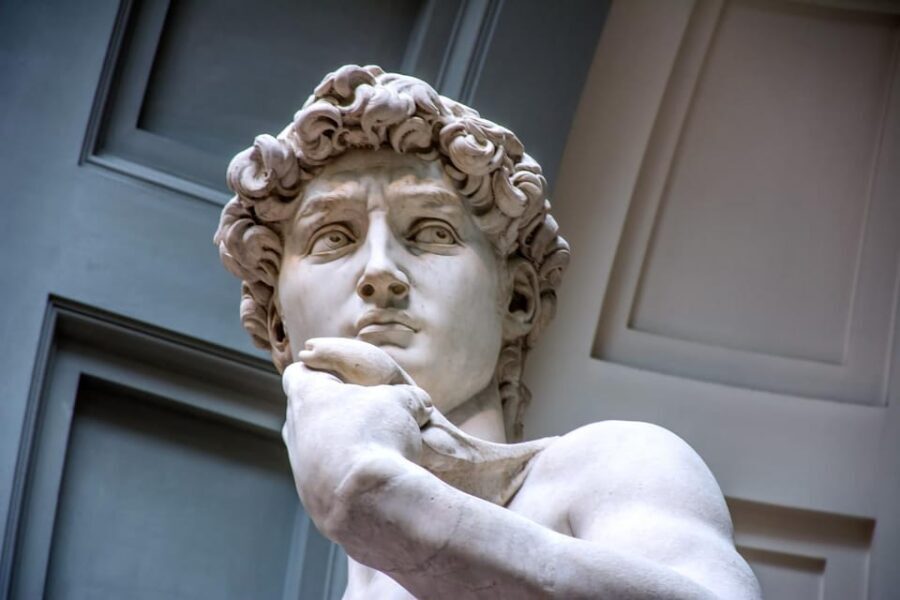
- Accademia stop: Michelangelo’s David (and why there are three)
- What you’re paying for: $230 of tickets, headsets, and time saved
- Guide quality: what the best sessions have in common
- Who this tour is best for (and who should reconsider)
- Should you book this combo tour?
- FAQ
- How long is the combo tour?
- What language is the tour offered in?
- Are tickets included for both museums?
- Are headsets provided?
- Where do I meet the guide?
- What ID do I need to bring?
Key things that make this combo tour work
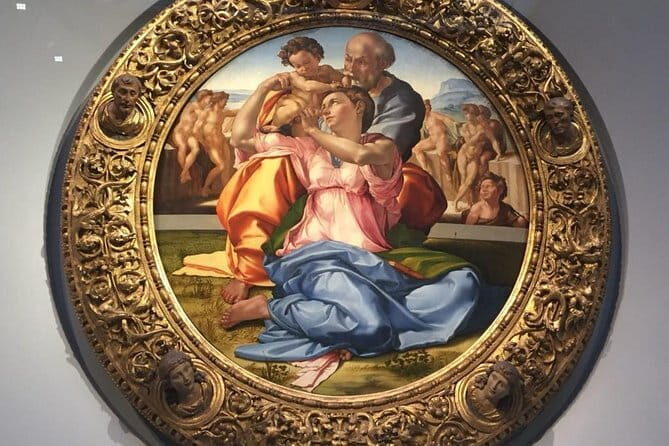
- Headsets included so you can hear clearly in noisy galleries
- Admission tickets handled for both museums, with no extra day-of ticket shuffle
- Two major stops in one block: Uffizi first, then the Accademia
- Small group size (max 19) helps keep the pace controlled and questions possible
- David at the right place: the famous statue in Accademia, framed in context with related unfinished works
- Guide-led spotlighting on the scenes you’ll recognize (and the ones you might miss)
Why pair Uffizi and Accademia in one 3-hour run?
Florence has a way of making you want to stay forever in its museums. That’s great for one kind of trip. It’s not great if your schedule only gives you a few hours.
This combo works because it treats both galleries like one story. You start in the Uffizi, where Renaissance painting dominates and major names like Botticelli and Raphael get you oriented fast. Then you move to Accademia, where Michelangelo’s world feels more physical—especially with David and the unfinished works that show his process, not just his finish.
It’s also a smart value setup. The price is not “budget,” but you are buying time and friction removal: guide direction, headsets, and admission included for the day.
You can also read our reviews of more museum experiences in Florence


Meeting at the Leonardo da Vinci statue: how to avoid the stress

The tour starts at the Statue of Leonardo da Vinci at Piazzale degli Uffizi (with the exact address given on your materials). You’ll see it near the Uffizi area, and the end point is at Galleria dell’Accademia di Firenze on Via Ricasoli, 58/60, which is convenient because it saves you from backtracking across Florence.
Here’s the practical advice: arrive early and keep your phone charged. A recurring theme in the feedback is that finding the exact meeting spot can be confusing in a large tourist zone. Even if your tour is supposed to be straightforward, the real world includes signage mix-ups and crowd noise.
Also, follow the name rules carefully. Bring a valid ID/passport, and make sure the names match what you entered during booking—differences can get you turned away at the Uffizi. If you’re traveling with kids who need child pricing, the guidance is to bring their valid ID too.
Uffizi Gallery stop: Botticelli to the ceiling, with a guide’s map
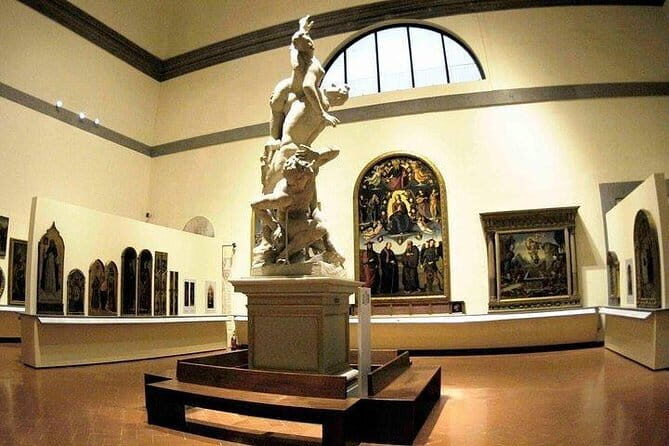
You’ll spend about 2 hours at the Uffizi, which is the right amount for a “see the core masterpieces” visit without turning into museum furniture. The Uffizi is huge, so left to your own devices you can end up doing the famous-but-random walk: see a few highlights, miss the best explanations, and leave slightly confused about what you just saw.
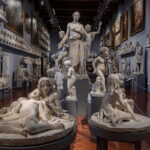
With a guide and headsets, you’re nudged toward the paintings that carry the Renaissance ideas like secrets you didn’t know you wanted. The tour focus includes major artists—Leonardo, Michelangelo, Raphael, and others—and the classics most people come for, including Botticelli’s Primavera and The Birth of Venus.
What’s especially useful is not just naming the artist. It’s learning how to look. Renaissance art often rewards slow attention: gestures, clothing details, symbols, and composition choices that make more sense once you know what questions to ask.
A note on pace: this stop is structured and move-along friendly. That’s good if you want a clear plan. If you want to linger for a long personal reading of one painting, you may feel the time squeeze. The upside is that you’ll walk out knowing what those famous works represent and why they mattered.
The gap between museums: planning for the walk and the crowds

After the Uffizi portion, you’ll transition to the Accademia. The tour description frames this as a break between the two visits, with the overall experience lasting about 3 hours total.
The key thing to know is that Florence timing is not “straight-line logic.” Even if the walk looks short on a map, crowds and security lines around museums can stretch it. Build in some calm. If you’re traveling with mobility limitations, consider going slower and keeping the group together rather than letting anyone wander ahead.
Also, don’t plan on grabbing food or shopping in between. You’re on a museum sprint, designed to get you into both sites with minimal downtime.
Accademia stop: Michelangelo’s David (and why there are three)
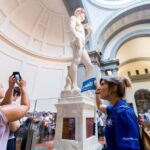
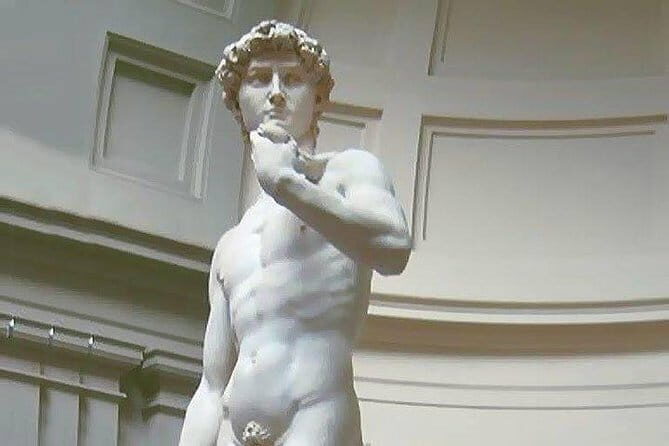
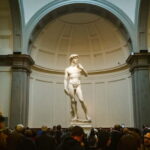
At the Accademia, you get about 1 hour, and that time is heavily spent on what you came for. This is where Michelangelo’s David takes center stage. It’s also where the guide context really helps, because David is famous enough that it can feel like just a statue—until you learn what you’re looking at and what it’s connected to.
One of the fun facts you’ll hear is that Florence has multiple Davids. The famous one most people want—the true, correct location for Michelangelo’s David—is in Accademia. That detail matters because the city is full of copies, references, and variations, and it’s easy to mix them up when you’re rushing.
The tour also points you to other Michelangelo works in the same area, including unfinished pieces often called the Slaves, plus works like Saint Matthew and the Palestrina Pietà. This matters because it changes your understanding. You’re not just seeing a final masterpiece; you’re seeing a sculptor thinking in stone.
If you’re a person who likes art history that connects technique to meaning, Accademia tends to click. The pace is still a tour pace, though. If you need extra time to stare at one detail, ask questions and then take a careful second look where you can.
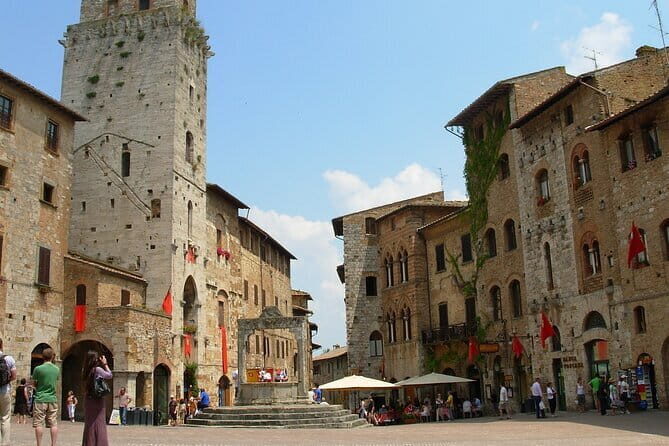
- Tuscany Day Trip from Florence: Siena, San Gimignano, Pisa and Lunch at a Winery
★ 5.0 · 21,634 reviews



What you’re paying for: $230 of tickets, headsets, and time saved
The listed price is $230 per person, and it includes entrance tickets, a tour guide, and headsets.
That’s not just “stuff included.” It’s a practical way to protect your day.
- Tickets included: you avoid day-of friction. At the Uffizi, the included admission is listed as €29, so at least one major ticket cost is already built into what you pay.
- Headsets included: the Uffizi and Accademia are loud in their own way—tour groups, echoing rooms, and constant movement. Hearing the guide clearly changes how much you actually get from the art.
- A focused plan: you’re not guessing which rooms to prioritize, which is huge in the Uffizi where “wandering” can turn into “missing the point.”
Is it worth it? For me, the answer depends on your style. If you like guided direction and hate line management, yes. If you prefer total freedom and you’ve already mapped the galleries, you might prefer a cheaper self-guided approach. But for a short Florence trip, this kind of combo is a strong way to avoid wasting hours.
Guide quality: what the best sessions have in common

You’re not booking a faceless audio script. You’re booking a person to explain what you’re seeing. In the feedback data, the best experiences share a few patterns: guides who keep things clear, answers that actually address questions, and a caring tone that helps people keep up.
Names that show up in the experiences include Lara, Laura, Larissa, Ingrid, and Claudio. Across these, the strongest praise is less about reciting dates and more about helping you connect symbolism and historical context to specific works. That’s why you’ll get more from iconic pieces like Primavera and Birth of Venus than you would by just reading a label.
One more practical point: if you’re a slower walker or you’re traveling solo, you’ll want to keep an eye on the group rhythm. The tour is structured, and the guide is helping everyone reach both locations in time.
Who this tour is best for (and who should reconsider)
This combo is great for:
- People who want the big Renaissance hits without spending a full day planning
- Anyone who values hearing explanations clearly through headsets
- Visitors who want both Uffizi and Accademia but don’t have the time to do them separately
It may be less ideal if:
- You’re the type who needs long, quiet time in front of a single artwork (one-hour Accademia blocks can feel short)
- You’re traveling with teens or kids who get restless quickly with heavy art talk
- You know you’ll be stressed by meeting-point confusion in crowded areas (come early, confirm your ID details, and keep your phone ready)
Should you book this combo tour?
If your goal is to see Uffizi and Accademia in one efficient Florence window, I’d book it. The combination of tickets included, headsets, and guide-led direction is exactly what turns these two famous museums from overwhelming into manageable.
I’d only hesitate if you hate any schedule pressure at all. This is a timed, two-site experience, so you’ll want to show up early, follow the ID name rules, and accept that the walk and museum crowds are part of the deal.
If you’re doing Florence in a short burst, this combo is a practical way to get the masterpieces plus the context that makes them stick.
FAQ
How long is the combo tour?
It runs for about 3 hours total, with roughly 2 hours at the Uffizi and about 1 hour at the Accademia.
What language is the tour offered in?
The tour is offered in English.
Are tickets included for both museums?
Yes. Admission tickets for the Uffizi and the Accademia are included, so you shouldn’t need to pay extra on the day.
Are headsets provided?
Yes. Headsets are included so you can hear the guide clearly.
Where do I meet the guide?
You meet at the Statue of Leonardo da Vinci at Piazzale degli Uffizi, 209, 50122 Firenze FI, Italy, with the listed start time of 12:00 pm. The tour ends at Galleria dell’Accademia di Firenze on Via Ricasoli, 58/60, 50129 Firenze FI.
What ID do I need to bring?
Bring a valid ID or passport. Your name must match exactly as it appears on your ID. If you’re using child tickets, bring a valid ID for the child as well.
You Might Also Enjoy



More Museum Experiences in Florence

More Tours in Florence
- The Best tour in Florence: Renaissance & Medici Tales – guided by a STORYTELLER
★ 5.0 · 12,316 reviews



More Tour Reviews in Florence
- Tuscany Day Trip from Florence: Siena, San Gimignano, Pisa and Lunch at a Winery
★ 5.0 · 21,634 reviews - The Best tour in Florence: Renaissance & Medici Tales – guided by a STORYTELLER
★ 5.0 · 12,316 reviews