REVIEW · FLORENCE
Florence: Accademia and David Skip-the-Line Entry Ticket
Book on GetYourGuide →Operated by FLORENCE & GLOBAL SMALL GROUP TOURS S.R.L.S · Bookable on GetYourGuide
David is worth sprinting for. This skip-the-line entry ticket sets you up for a fast start at the Accademia Gallery, so you can spend your time inside looking closely, not waiting outside. I especially like getting skip-the-line access through a separate entrance, and I’m a big fan of how the ticket covers both Michelangelo’s David and the gallery’s wider art and sculpture highlights. One thing to consider: you’re not getting a full guided tour once you’re inside, and you should expect security checks at the museum door.
The biggest practical win is the ticket pickup flow. You meet in a clear spot near Via Guelfa at the Florence and Global Tours office, get your entry code, and then you’re routed toward the correct fast-entry queue. I also like the variety inside: you’re not only stuck on one statue—there’s a musical instrument exhibit from the Medici era and a plaster cast gallery that helps you see how sculpting was studied over time.
If you want a lecture-style explanation of every room, this may feel a little hands-off. Also, be ready for a bag check at entry, and in hot weather that can be a mildly annoying detail if you’re traveling with big bottles of water.
In This Review
- Key points to know before you go
- Accademia David Fast Entry: What this ticket actually saves you
- Meet at Via Guelfa 12RED: The pickup that keeps things simple
- Inside the Accademia: David, the Tribune hall, and the first real wow
- Michelangelo beyond David: Prisoners, St. Matthew, and Pietà of Palestrina
- Florence art in time order: from Cimabue to Ghirlandaio
- The Medici instrument museum: an unexpected bonus
- Plaster casts gallery: why you should spend a few quiet minutes
- How long to plan: getting the most from a 1-hour timed visit
- Price and value at about $36 per person
- What’s included vs. what you’ll do on your own
- Who should book this ticket, and who might want a different approach
- Should you book this Accademia skip-the-line ticket?
- FAQ
- How much does the Accademia skip-the-line ticket cost?
- How long does the activity take?
- Where do I meet to get my ticket?
- Does this ticket include entry to the Accademia Gallery?
- Is this a guided tour?
- Is an audio guide included?
- What’s the main highlight inside?
- Do I get access to the instrument exhibit and plaster cast gallery?
- Is it wheelchair accessible?
Key points to know before you go
- Separate entrance + fast queue: You’re funneled into an entry line designed to reduce waiting.
- Skip-the-line ticket, not a guided tour: You get inside and explore at your own pace.
- David plus Michelangelo’s other works: Look for the Prisoners, St. Matthew, and the Pietà of Palestrina.
- 13th to 16th-century evolution: You can track how Florentine art developed across centuries.
- Don’t miss the Medici instruments exhibit: It adds a fun, unexpected side to your visit.
- Plaster casts gallery: Useful for understanding how art students learned from sculpture.
Accademia David Fast Entry: What this ticket actually saves you
The Accademia Gallery is one of those places where lines can eat your day. This ticket is built to cut that pain by getting you into the museum via a separate entrance and an entry queue meant for ticket holders. In practice, the wait after you’re routed in can be short, which matters because the best part of the Accademia is what you do once you’re inside: slow looking.
You’ll also feel the value if you’re on a tight Florence schedule. A skip-the-line ticket turns the Accademia into something you can fit between other must-dos without feeling like you sacrificed your morning to crowd control. If you’re traveling with anyone who hates waiting, this is the kind of ticket that can change the mood of the entire trip.
You can also read our reviews of more tours and experiences in Florence

Meet at Via Guelfa 12RED: The pickup that keeps things simple
Your start point is not at the museum front door. You meet at VIA GUELFA 12RED, at the Florence and Global Tours company office, in front of the Via Guelfa McDonald’s restaurant. It’s next to Via Guelfa 2, so it’s designed to be easy to spot.
Once you’re there, the host or greeter helps you get what you need for entry. You’ll receive an entry code that lets you join the next entry queue, and you’ll be directed to the appropriate fast line. This is one of the reasons many people say the process feels smooth: there’s a clear handoff, rather than everyone wandering and searching.
If you arrive a few minutes late, the setup can still route you to a later entry queue time. That flexibility can save you when Florence streets move slower than planned.
Inside the Accademia: David, the Tribune hall, and the first real wow
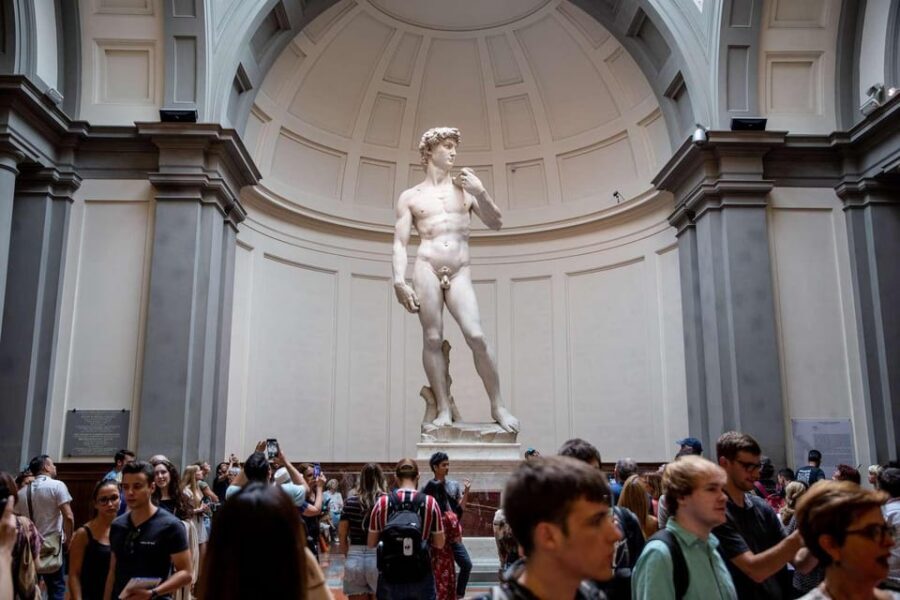
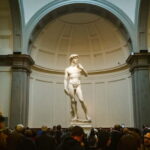
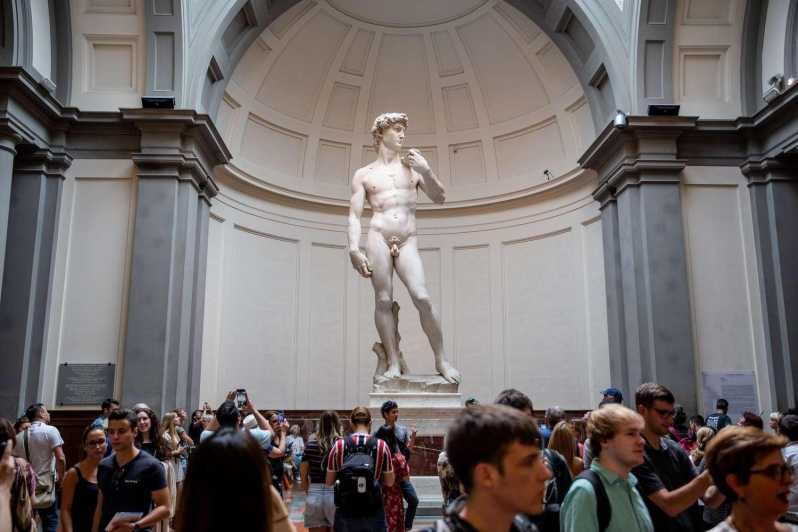
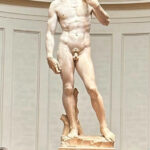
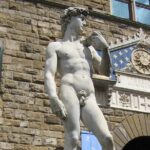
When people come to the Accademia, the anchor is Michelangelo’s David. The statue is colossal—over 5 meters tall—and it stands in the Tribune, in a hall designed to make it feel even more commanding. You’ll learn a key detail when you look at it: David was carved from a single block of marble between 1501 and 1504.
This is one of those monuments where photos don’t really prepare you. Up close, you notice how the sculpture reads from multiple angles and how Michelangelo captures tension in the pose. Even if you’re not a big art-history person, you’ll likely end up slowing down because the scale forces you to.
Make time for the Tribune moment. If you rush straight past David to check off a list, you miss what the room is doing. Aim to stand back for a second, then walk to a couple angles so the statue starts to tell its story.
Michelangelo beyond David: Prisoners, St. Matthew, and Pietà of Palestrina
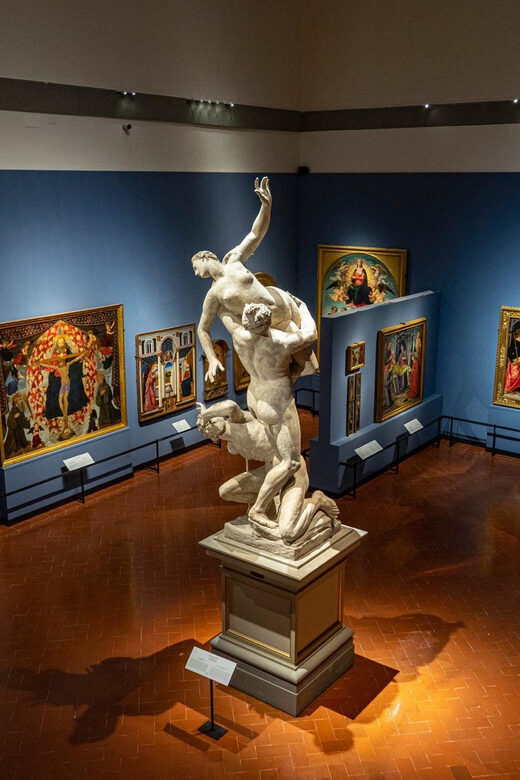
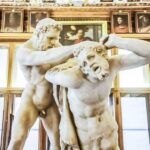
David is the headline, but Michelangelo’s presence continues through other major works. Look out for the Prisoners, which give you that sense of figures trapped within stone—very Michelangelo in spirit. You should also find St. Matthew, which rewards a slower look at the way the sculpture handles form and intent.
Then there’s the Pietà of Palestrina. It’s a different emotional register than David: more about expression and aftermath than pure ideal strength. Mixing these works together makes Michelangelo feel less like a single iconic statue and more like a whole creative mind.
If you’re planning only one stop beyond David, make it these Michelangelo rooms. They help you understand that the Accademia isn’t just a statue showroom—it’s built to show the range of what he shaped.
Florence art in time order: from Cimabue to Ghirlandaio
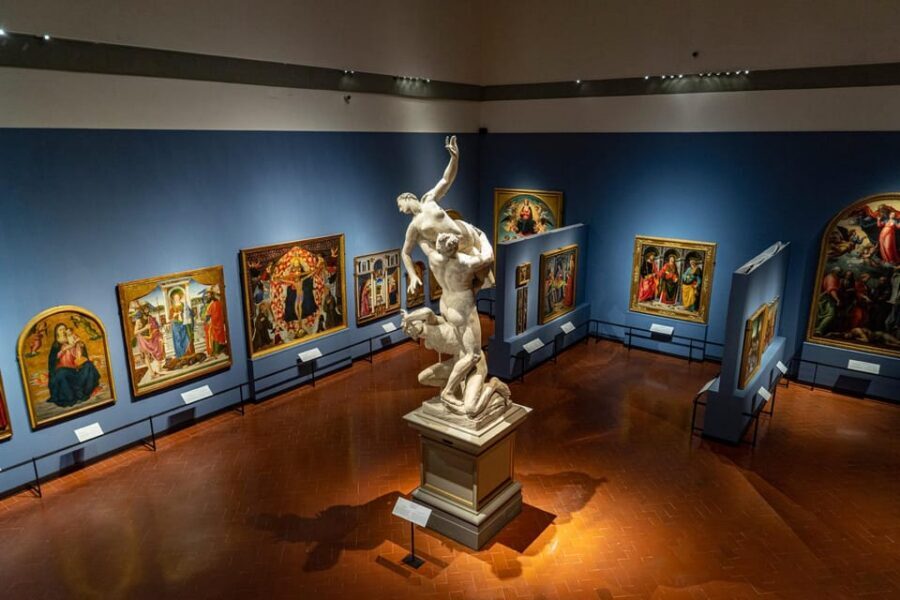
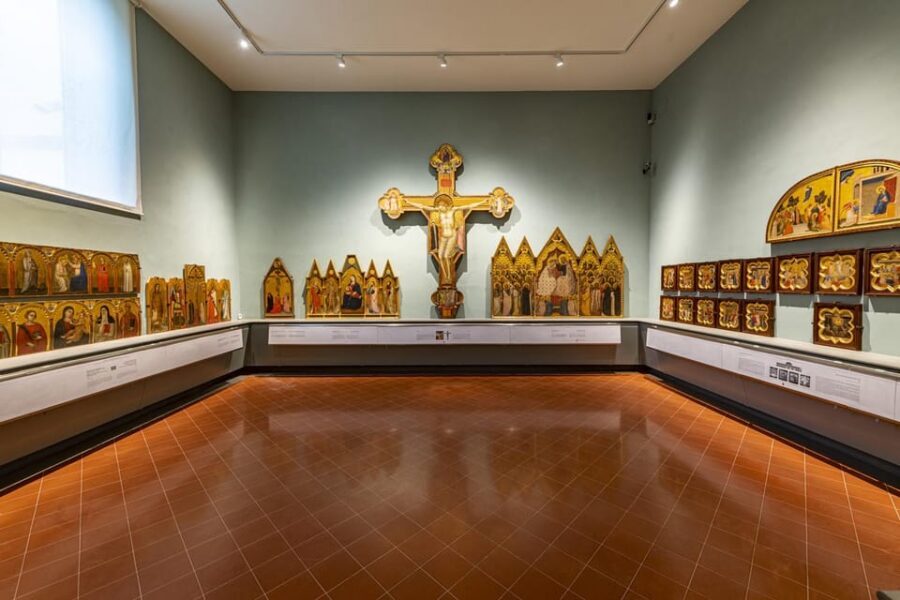
One of the most valuable parts of this ticket is that it lets you see how Florentine art developed from the 13th to the 16th century. You’re not just walking through a single era; you’re getting a timeline you can feel with your eyes.
You can look for names like Cimabue and Giotto early on, then move through artists such as Fra Angelico and Lorenzo Monaco. Later, the collection connects you to Renaissance powerhouses like Botticelli and Ghirlandaio. This is where a self-paced visit works well: you can stop when a style grabs you rather than following someone else’s pacing.
If you’re the type who likes to compare how artists solved problems—faces, drapery, space, expression—this section is worth your attention. Even quick stops help you notice change over time, and that context makes the big sculptures feel more grounded.
You can also read our reviews of more tours and experiences in Florence

The Medici instrument museum: an unexpected bonus
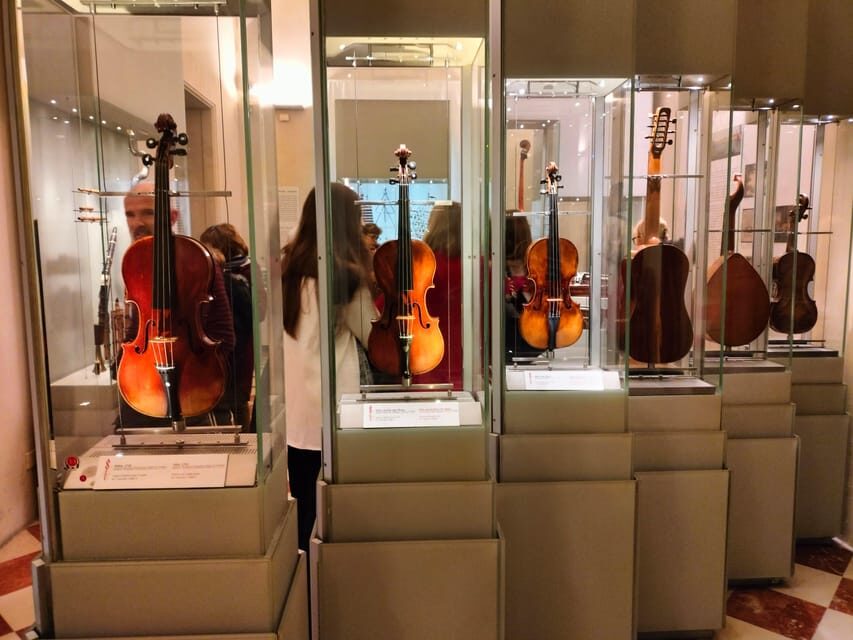
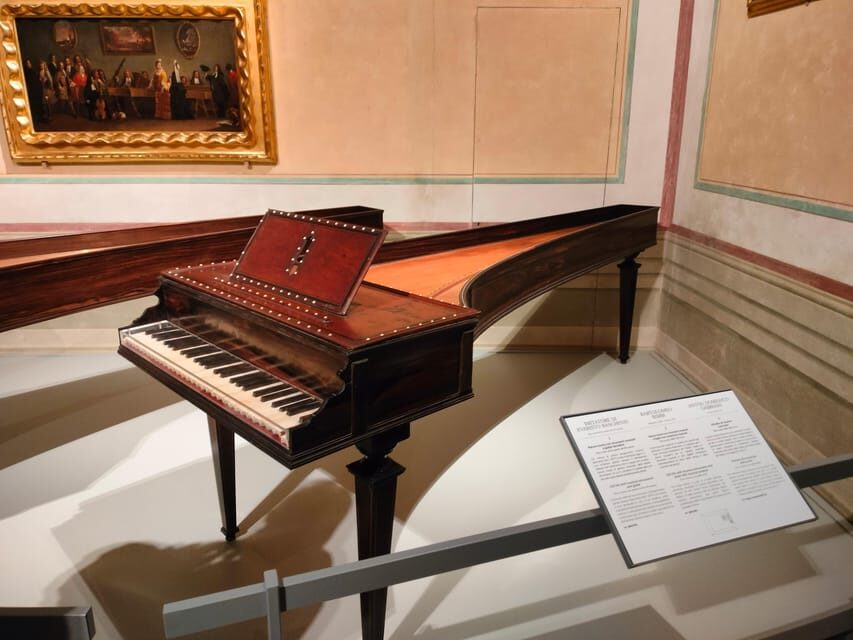
Not everyone plans for it, and that’s exactly why it’s fun. The museum includes a musical instrument exhibit featuring rare instruments connected with the Medici family, with pieces from the 17th to 19th centuries. You may see instruments such as violins, harpsichords, and pianos.
This isn’t just random decoration. It broadens what you’re thinking about when you say Florence and art. Sculpture and painting get most of the spotlight, but the Medici world also valued music and craftsmanship. If you’re traveling with teenagers or anyone who gets bored by long galleries, this can be the part that keeps them engaged.
Go at a comfortable pace. You’ll likely want a couple moments to read labels and really look at shapes and materials. It’s the kind of stop that turns into a small “wait, that’s cool” moment.
Plaster casts gallery: why you should spend a few quiet minutes
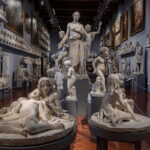
Another standout is the plaster cast gallery. It features copies of sculptures from antiquity to modern times and has served as a teaching tool for art students. That means you’re not only seeing finished masterpieces—you’re seeing the idea of how artists studied form and proportion.
This part can feel a little “secondary” if you’re only chasing fame. But it helps your brain connect dots. Michelangelo’s world wasn’t created in a vacuum; it was influenced by older models and by training methods that passed knowledge forward.
If you like understanding how art education worked, this section can be one of the most interesting. You don’t need long here—just enough time to look at how the casts mirror the original sculptures and what that suggests about learning.
How long to plan: getting the most from a 1-hour timed visit
Your ticket is listed with a duration of about 1 hour, tied to starting times. In reality, your experience is self-paced once you’re inside, and the ticket provides access to all sections. I’d plan for roughly an hour if you want the essentials—David plus a couple rooms—then consider staying longer if the galleries grab you.
Here’s a practical approach for a satisfying visit:
- Give David the time it deserves in the Tribune.
- Add Michelangelo’s other works (even a quick scan helps).
- Spend the last chunk on the side displays: instruments and plaster casts.
If you try to do every painting room and every sculpture room without breaks, you’ll get art fatigue. Better to pick a focus and let the rest be extras you stumble into.
Price and value at about $36 per person
At around $36 per person, this ticket competes on value because it targets the two things that cost you most in Florence: time and stress. You’re paying to reduce the waiting problem and to gain straightforward museum access without a complicated plan.
Also, the ticket includes access to all sections of the museum. That matters because you’re not just buying entry to David—you’re buying a complete Accademia visit with the instrument exhibit and plaster cast gallery in the same flow.
Some people compare favorably versus ticket options sold closer to the museum side, and they feel the pricing is reasonable for what they get. The honest take: if you hate lines or you’re only in Florence for a short window, this is one of the better “pay to save time” buys. If you’re traveling super slowly and don’t mind waiting, you could potentially spend less elsewhere—but it’s a gamble with your time.
What’s included vs. what you’ll do on your own
This entry ticket includes:
- Accademia Gallery skip-the-line entry
- Access to all sections of the museum
Not included:
- A guided tour
- An audio guide (you can purchase one from the museum if you want)
That means you should think of this ticket as access plus time-saving, not a narration experience. Once you’re inside, you explore at your own pace. If you want extra context, consider buying an audio guide on site or coming with a short list of what you want to see: David, the other Michelangelo works, and one or two artists from the painting timeline.
Who should book this ticket, and who might want a different approach
This is a great fit if:
- You want skip-the-line convenience for David and the Accademia collection
- You prefer self-paced exploring over a structured guided tour
- You want to include the instrument museum and plaster casts without extra planning
It might not be the best fit if:
- You want someone to interpret every room for you in real time
- Your group is likely to wander slowly for hours and you feel a timed start would feel restrictive
One smart move is pairing this with other Florence stops nearby. Once you’ve got the hard-to-wait museum done early, your remaining day feels lighter.
Should you book this Accademia skip-the-line ticket?
If you’re aiming for David and at least a few more highlights, I’d book. For about $36, you’re buying a calmer entry and a smoother path into one of Florence’s most important art stops. The fact that you get access to all sections—sculptures, Renaissance paintings, instruments, and plaster casts—helps the ticket feel like more than just a famous statue.
Book it especially if:
- Your itinerary is tight
- You’re going at a busier time of day
- You want the flexibility to explore without paying for a full guided tour
If you’re someone who loves museums but doesn’t mind queues, you might be able to save a little elsewhere. Still, if your goal is to spend your energy looking rather than standing, this ticket is the easier way to do Florence right.
FAQ
How much does the Accademia skip-the-line ticket cost?
The price is listed as $36 per person.
How long does the activity take?
The duration is listed as 1 hour. Starting times depend on availability.
Where do I meet to get my ticket?
You meet at VIA GUELFA 12RED, Florence and Global Tours company office, in front of the Via Guelfa McDonald’s restaurant, next to VIA GUELFA 2.
Does this ticket include entry to the Accademia Gallery?
Yes. It includes an Accademia Gallery skip-the-line entry ticket with access to all sections of the museum.
Is this a guided tour?
No. This is not listed as a guided tour. You get entry and then you explore on your own.
Is an audio guide included?
No. An audio guide is not included, though you can purchase one from the museum.
What’s the main highlight inside?
Michelangelo’s David is the iconic centerpiece, housed in the Tribune hall.
Do I get access to the instrument exhibit and plaster cast gallery?
Yes. The ticket includes access to all sections of the museum, which covers the instrument exhibit and the plaster casts gallery.
Is it wheelchair accessible?
Yes, the activity is listed as wheelchair accessible.
You Might Also Enjoy
More Skip the Line in Florence
More Tickets in Florence

More Tour Reviews in Florence
- Tuscany Day Trip from Florence: Siena, San Gimignano, Pisa and Lunch at a Winery
★ 5.0 · 21,634 reviews - The Best tour in Florence: Renaissance & Medici Tales – guided by a STORYTELLER
★ 5.0 · 12,316 reviews