REVIEW · FLORENCE
Florence: Synagogue and Jewish Museum Entry Ticket
Book on GetYourGuide →Operated by Distributor: GetYourGuide Tours & Tickets GmbH · Bookable on GetYourGuide
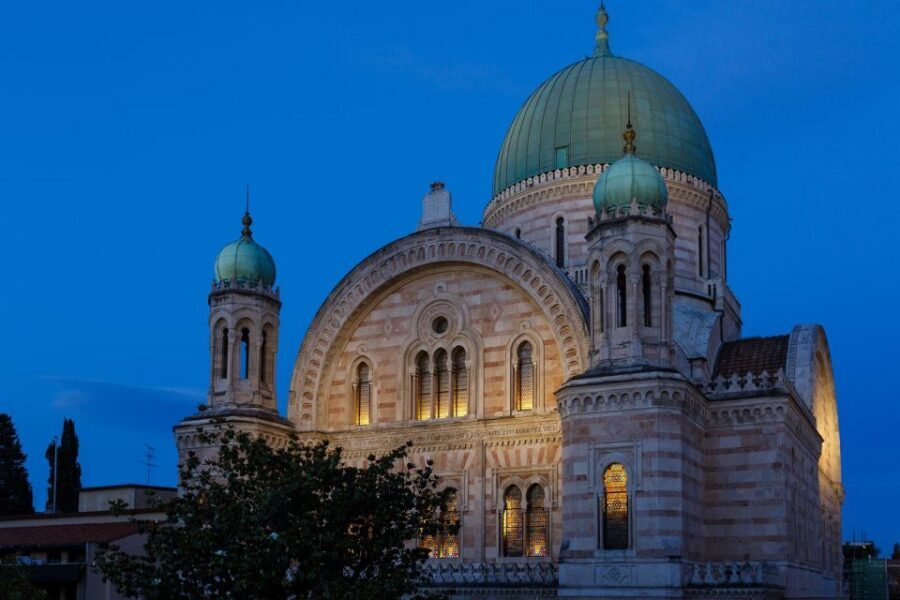
A green dome beats like a city heartbeat. Step into Florence’s Synagogue and Jewish Museum to see Jewish ceremonial art in a setting that’s part museum, part living landmark. Behind a cast-iron railing and in a lush garden, you get views of the synagogue itself and the roofs of Florence, too. And because it opened in 1882 in the Mattonaia neighborhood, this place doesn’t feel like a history exhibit—it feels like a piece of Florence still on duty.
I especially love the Jewish ceremonial objects on display and how the visit turns art into something you can understand, not just look at. I also like the garden setting and roof views, which break up the museum time nicely.
One thing to consider: this is largely a self-guided experience, so if you’re hoping for constant human guidance, you may feel a little on your own in the rooms.
In This Review
- Key things I’d plan for
- Florence’s Green-Domed Synagogue in Mattonaia
- Your $10 Ticket: What You Actually Get Inside
- Stepping Into the Prayer Hall: Architecture and Quiet Rules
- Museum Rooms and Jewish Ceremonial Objects: What to Look For
- Gardens, Views, and Photo-Friendly Pauses
- Pair It With Ruth’s and Use the Hard Rock Perks
- Timing Your Visit: How to Fit It Into One Day in Florence
- Who Should Book This (and Who Might Skip It)
- Should You Book the Florence Synagogue and Jewish Museum Ticket?
- FAQ
- How do I get my entry ticket once I book?
- What is included with the entry ticket?
- Is there a guide included, or is it mostly self-guided?
- How much does it cost and how long does it take?
- Are discounts included for Hard Rock locations?
- Can I cancel for a refund?
- Is the synagogue and museum wheelchair accessible?
- Do I need to wear a kippah?
- What should I do if I need help finding the right place to start?
Key things I’d plan for
- Florence’s Mattonaia synagogue, opened in 1882, with the city’s famous green dome in plain sight
- Jewish ceremonial art displays focused on objects, not just general storytelling
- Digital audio guide included, with instructions sent after booking
- Prayer-hall rules and respect for the space, including guidance about men wearing a kippah
- Garden time plus rooftop views, perfect for photos and a slow reset
- Hard Rock discounts included in Florence for shop or restaurant purchases
Florence’s Green-Domed Synagogue in Mattonaia
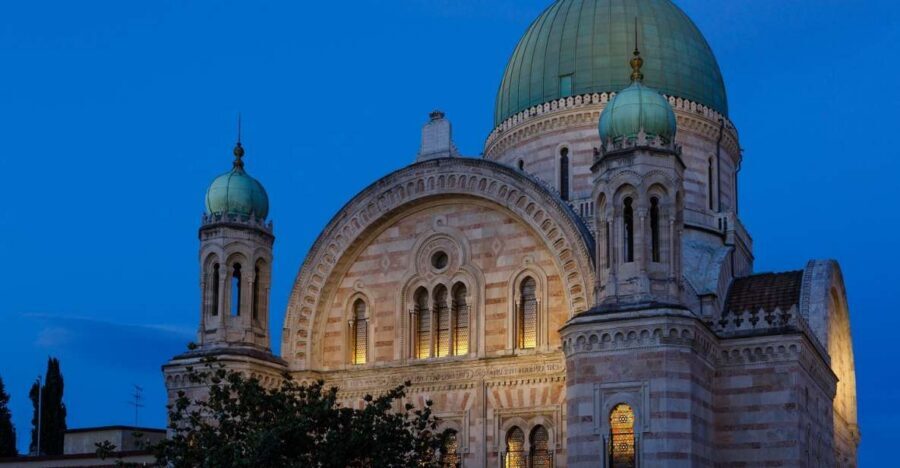
Florence has icons you can spot from far away. One of them is the synagogue’s unmistakable green dome. Here, that dome isn’t just decoration. It’s tied to a specific mission: Cavalier David Levi’s determination to build a monumental synagogue worthy of the city. That goal still shows up in the building’s presence and the way the space is treated with care.
The synagogue opened in 1882 in the Mattonaia neighborhood, and that matters because it helps you place Jewish life in Florence on a real timeline. This museum doesn’t talk about Jewish Florence like it’s lost in the past. It frames the community as woven into the city—architecturally, culturally, and spiritually.
Visually, the setting helps you “get it” fast. You’re not just walking up to a museum door. You move through a garden area where the atmosphere shifts—quieter, more contained. The visit is set behind a cast-iron railing, and the layout makes you slow down. That’s useful if you’re the type who rushes through museums. This one tends to pull your pace back.
You can also read our reviews of more tours and experiences in Florence

Your $10 Ticket: What You Actually Get Inside
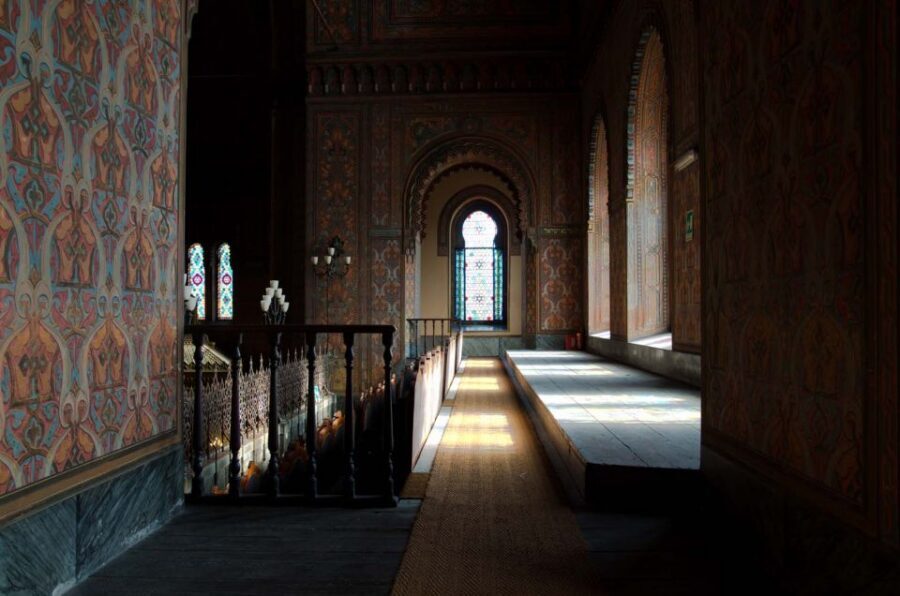
At about $10 per person, the entry ticket feels like good value for three reasons.
First, you’re not paying just for a room or two—you’re paying for a focused experience at a specific site: the Synagogue and Jewish Museum of Florence. It’s a single destination, so your time is concentrated.
Second, your ticket includes a digital audio guide. That’s a big deal because Jewish ceremonial objects can look symbolic and specific at the same time. Without context, you might admire craftsmanship and miss meaning. With the audio guide, you can connect the dots—especially if you like learning while you walk.
Third, the offer comes with added extras through Hard Rock discounts in Florence. The details matter: the shop discount (Hard Rock Shop in Via dei Brunelleschi) is 10% and excludes limited edition and charity items. The restaurant discount (Hard Rock Cafe) is 10% on the à la carte menu excluding alcohol. These are small perks, but they’re the kind that can offset part of your day if you planned to stop there anyway.
One practical note: the meeting point is essentially here at the site. You’ll need to exchange your voucher for a ticket before your visit. So don’t show up with the mindset of scanning and walking in immediately—build a little buffer.
Stepping Into the Prayer Hall: Architecture and Quiet Rules
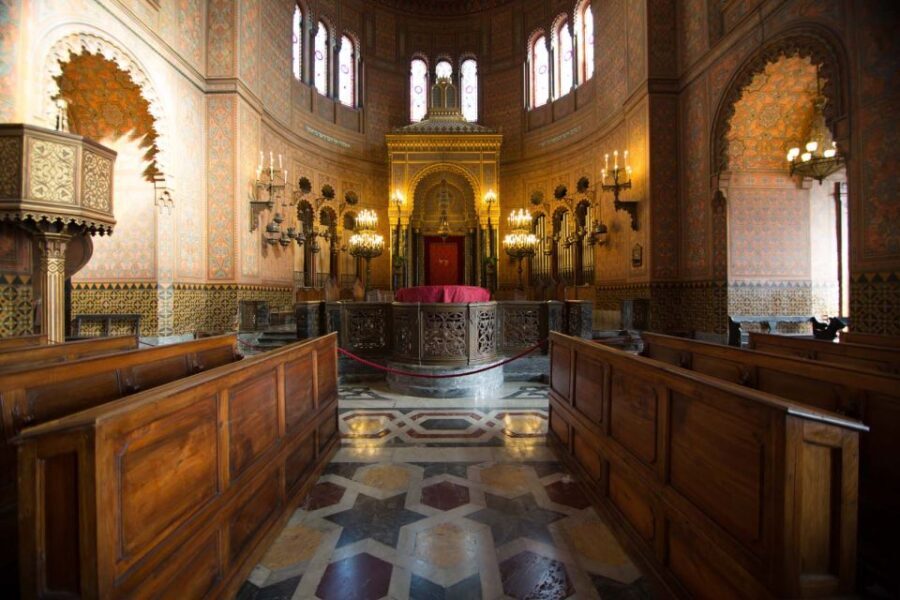
The prayer hall is the moment most people remember, and for good reason. It’s described as stunning and architecturally impressive, and it’s also treated as an active, respected space. That combination—beauty plus living tradition—changes how the room feels.
The security setup can also catch your eye. One review notes that the synagogue is monitored by armed guard with cameras everywhere. That’s not surprising for major religious sites today, but it helps you plan mentally: expect a structured, supervised environment.
Then there are the human rules, and they’re worth knowing ahead of time. Staff may ask men to wear a kippah when entering. That’s a respectful touch that keeps the space aligned with religious custom. If you want to avoid awkward last-minute searching, consider bringing one or be ready to follow staff instructions when you arrive.
Photography rules aren’t spelled out in the provided info, but you can still plan to take pictures of the prayer hall views and Florence rooftops from the right angles once you’re allowed to move and pause. The garden and roof perspectives are often the easier photo wins.
Finally, since this visit includes audio/visual content, you can choose your pace. If you want a thoughtful slow walkthrough, you can. If you prefer to move faster, you still get enough context to make the objects meaningful.
Museum Rooms and Jewish Ceremonial Objects: What to Look For
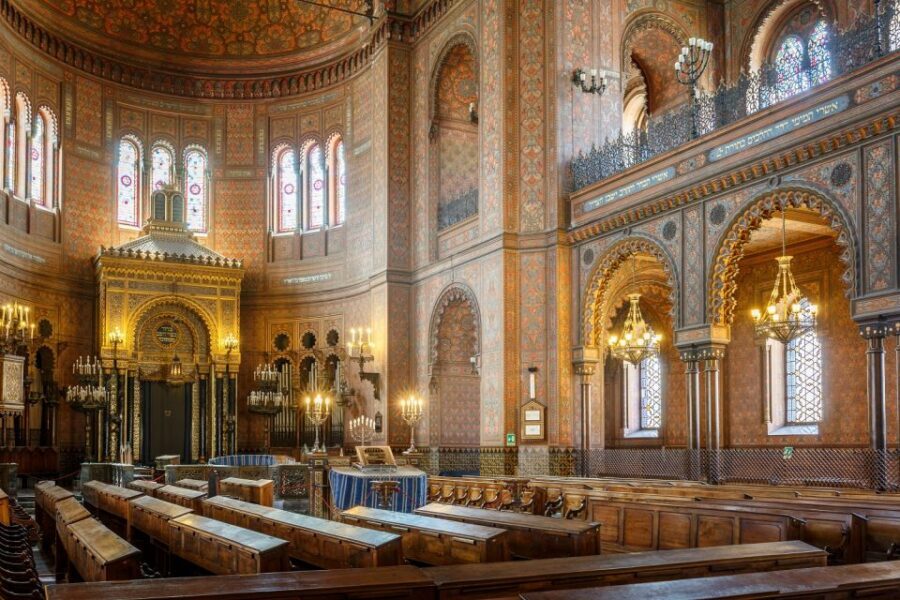
The museum portion is where the “Jewish art” promise becomes real. Instead of a generic timeline wall, you get a collection of historical Jewish ceremonial items. That focus is valuable because ceremonial objects are often where identity, community life, and artistic skill show up in everyday form—designs made to be handled, used, and repeated across time.
Expect a mix of display styles, including videos and film content. One review specifically points out an issue: the second WWII film did not have English subtitles. So if you’re relying heavily on the movies, go in with awareness that parts of the historical media may be more helpful in one language than another.
Also, the museum is small enough that it won’t swallow your day. Reviews describe it as well done, but some also say it’s harder to enjoy because presentation can feel less smooth in certain areas. Translation: the museum is meaningful, but it might not feel as “high-production” as some larger city museums. If you’re the type who loves reading labels and matching objects to stories, you’ll likely enjoy it. If you want wall-to-wall interpretation everywhere, you may need patience.
If you like “making meaning” out of artifacts, here’s your game plan:
- Spend the first pass just looking at craftsmanship: materials, structure, ornament patterns.
- Then use the digital audio guide to attach each object to a purpose or moment.
- Save time at the end to revisit what caught your eye first, because meaning often clicks after context.
And yes, the museum’s content can feel moving. That’s one reason this visit works even if you’re not coming for art alone.
Gardens, Views, and Photo-Friendly Pauses
This is one of those ticket experiences where the outdoor time isn’t an afterthought. The synagogue is set in a lush garden, and the views are part of the point.
You get perspectives of the synagogue itself and the roofs of Florence—the kind of photo moment that makes you stop even if your phone camera is usually just “casual snapshots.” The garden setting also helps with pacing. If you’re museumed out after walking Florence all morning, you can reset outside without leaving the experience.
One practical tip: wear comfortable shoes. You’re in a real site with pathways, and even if your time is short, you’ll likely do more standing and walking than you expect.
If you’re visiting in warmer months, it’s also helpful to remember the space can feel community-centered. One review notes summer camps going on during the visit, which adds a lively, human layer to a place that can otherwise feel very solemn. It’s not a downside—it just changes the vibe.
You can also read our reviews of more museum experiences in Florence

Pair It With Ruth’s and Use the Hard Rock Perks
The best days in Florence are often two-part plans: culture first, then a meal that matches your curiosity.
Right across the road, a review highlights Ruth’s kosher restaurant as a charming option after your visit. If you want to keep the theme going—Jewish Florence isn’t just in the building, it’s also in the food culture nearby—this is a natural pairing.
Now, about the Hard Rock discounts. They’re included with your ticket, but they’re only valid in Florence and can’t be combined with other promotions. If you already planned to do a souvenir stop or a casual meal near Piazza della Repubblica, this can be a convenient way to make your ticket stretch further. The key is reading the fine print: limited edition and charity items are excluded at the shop, and alcohol is excluded from the restaurant discount.
This combination—historic synagogue + nearby meal—is a practical way to make the day feel complete. You’re not just seeing an artifact; you’re stepping out into the real modern city around it.
Timing Your Visit: How to Fit It Into One Day in Florence
You’re looking at a 1-day experience, but you still need to think in terms of “when” and “how long.”
Because starting times depend on availability, I’d treat this as a morning-or-afternoon anchor rather than a fill-the-gap activity. A morning visit can work well if you want quieter rooms and cooler walking time around Florence. An afternoon visit can work if you want more relaxed museum pacing and don’t mind that you might encounter school or camp groups.
Also, plan to exchange your voucher for a ticket before you go in. That tiny step can eat time if you arrive right at a peak moment. Build in buffer, then enjoy the slower flow of garden and rooms.
How long should you plan? The visit feels built for a couple of hours, with enough flexibility for audio guide time and photos. If you’re the type who reads carefully and replays key parts of the audio, give yourself extra minutes. If you’re there for architecture and highlights, you can still keep it tight.
The big value of this ticket is that it’s self-contained. You won’t need to coordinate multiple sites or chase open hours across different venues. It’s one destination, one narrative thread.
Who Should Book This (and Who Might Skip It)
Book this if you want Florence beyond the usual picture-perfect postcard loop.
You’ll likely love it if you:
- care about religious architecture and how it marks a city’s identity
- want a museum experience focused on ceremonial Jewish art
- enjoy audio guides that help you read objects with purpose
- like combining indoor history with outdoor garden time and rooftop views
I’d be a little cautious if you:
- need constant live guiding to feel satisfied (this can feel more self-directed than a full tour)
- expect subtitles to be perfect in all film segments (one film portion may not have English subtitles)
- are very set on a large souvenir selection (the gift shop is mentioned, but not every review suggests it’s huge)
For families and independent travelers alike, it’s a meaningful stop. And for anyone visiting Florence with an interest in Jewish history in Italy, it gives you a tangible, place-based connection—something that’s hard to replicate with a quick walking tour.
Should You Book the Florence Synagogue and Jewish Museum Ticket?
Yes, I think you should book it if you’re looking for a genuinely different Florence experience that’s still easy to fit into your day. For $10, you get an important historical site, a focused collection of Jewish ceremonial art, and a digital audio guide that helps you understand what you’re seeing. Add in the garden atmosphere and rooftop views, and the value becomes more than a ticket price—it’s a complete, memorable visit.
If you want an activity that’s heavy on guided interaction, consider pairing this with other options in the city. But if you’re happy to wander thoughtfully with a good audio guide, this is a smart use of time in Florence.
FAQ
How do I get my entry ticket once I book?
You’ll need to exchange your voucher for a ticket before your visit at the Synagogue and Jewish Museum.
What is included with the entry ticket?
Your ticket includes entry, a digital audio guide of Florence, and access to the synagogue and museum experience on-site.
Is there a guide included, or is it mostly self-guided?
The experience includes a digital audio guide. Some visitors note there is not always a lot of in-person guidance, so plan to rely on the audio content.
How much does it cost and how long does it take?
The price is $10 per person, and the experience is listed as 1 day in duration.
Are discounts included for Hard Rock locations?
Yes. You get 10% off at the Hard Rock Shop in Florence and 10% off at the Hard Rock Cafe restaurant on the à la carte menu excluding alcohol. These discounts are valid in Florence only and can’t be combined with other promos.
Can I cancel for a refund?
Yes. Free cancellation is available up to 24 hours in advance for a full refund.
Is the synagogue and museum wheelchair accessible?
It is listed as wheelchair accessible.
Do I need to wear a kippah?
Staff may kindly ask men to wear a kippah when entering, so be prepared to follow that instruction on-site.
What should I do if I need help finding the right place to start?
Start at the Synagogue and Jewish Museum itself, then exchange your voucher for the ticket before entering. If you missed the meeting point, you might still be able to visit on your own at the site, but it’s safest to begin at the stated start point.
You Might Also Enjoy

More Museum Experiences in Florence
More Tickets in Florence

More Tour Reviews in Florence
- Tuscany Day Trip from Florence: Siena, San Gimignano, Pisa and Lunch at a Winery
★ 5.0 · 21,634 reviews - The Best tour in Florence: Renaissance & Medici Tales – guided by a STORYTELLER
★ 5.0 · 12,316 reviews