REVIEW · FLORENCE
Florence: Private City Walking Tour
Book on GetYourGuide →Operated by Florence Tours by Made of Tuscany · Bookable on GetYourGuide
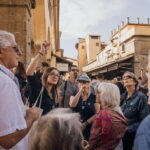
Florence can feel like a museum with streets. This private 3-hour walk helps you sort the landmarks by meaning, not just by name. I like that the route hits Florence’s core squares and shifts through eras, so you understand why each stop matters. I also like the stop-and-explain pace, starting at the Duomo complex and ending back where you began. One thing to consider: it’s still a walking tour, so you’ll want comfortable shoes and good stamina, especially if the weather turns.
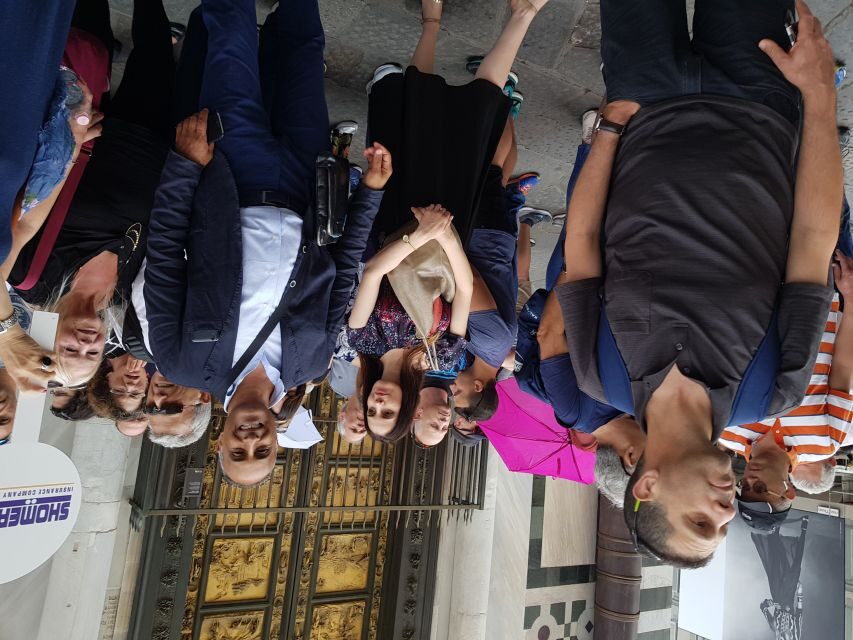
What makes this one work is the guide. You’re not just looking at architecture; you’re learning the customs, traditions, history, and culture that shaped what you see. And because it’s a private group with an expert guide speaking French, German, Italian, English, or Spanish, you can ask questions and get answers on the spot.
The highlights are clear: Piazza del Duomo, Palazzo Medici Riccardi, Dante’s area, Piazza della Signoria, La Loggia dei Lanzi, the Uffizi area, Ponte Vecchio, Oltrarno, Palazzo Pitti, and the Basilica of Santo Spirito. You’ll get a fast, practical “how Florence works” orientation that makes later sightseeing much easier.
In This Review
- Key things you’ll notice on this Florence walk
- Starting at Santa Maria del Fiore: the Duomo complex at street level
- Piazza del Duomo to Via dei Calzaiuoli: making Florence’s map make sense
- Piazza della Signoria: political power in a compact square
- La Loggia dei Lanzi: statue spotting with real names and meaning
- The Medici story at Palazzo Medici Riccardi (and why it explains so much)
- Dante, the towers, and the Guelphs and Ghibellines era
- Piazza della Repubblica and the Roman-to-19th-century storyline
- Uffizi Gallery stop: art-world orientation in 15 minutes
- Ponte Vecchio and the walk toward Oltrarno
- Piazza Santa Trinita and the Oltrarno neighborhood feel
- Palazzo Pitti and Basilica of Santo Spirito: looking at the opposite side of Florence
- What you get from the expert guide (and how to make it work for you)
- Value and price: is $192.58 per person fair for this kind of tour?
- Who should book this private Florence walking tour?
- Should you book it? My practical take
- FAQ
- FAQ
- How long is the Florence private city walking tour?
- Where does the tour start?
- Where does the tour end?
- Is this tour private?
- What’s included in the price?
- Are food and drinks included?
- Which languages are available for the live guide?
- Is the tour wheelchair accessible?
- What sights are covered during the tour?
- What if the weather is bad?
Key things you’ll notice on this Florence walk
- Duomo complex first: start at Santa Maria del Fiore’s heart and build your bearings fast
- Squares with real political meaning: Piazza della Repubblica and Piazza della Signoria aren’t just pretty
- Medici and Dante stops: you connect the city’s patronage and literature to the streets you’re standing on
- Sculpture spotting at La Loggia dei Lanzi: learn what you’re actually looking at
- Ponte Vecchio as a connector: you cross from the center toward Oltrarno with context, not just photos
- Short museum time: the Uffizi stop is brief, so you get orientation more than a full museum visit
Starting at Santa Maria del Fiore: the Duomo complex at street level
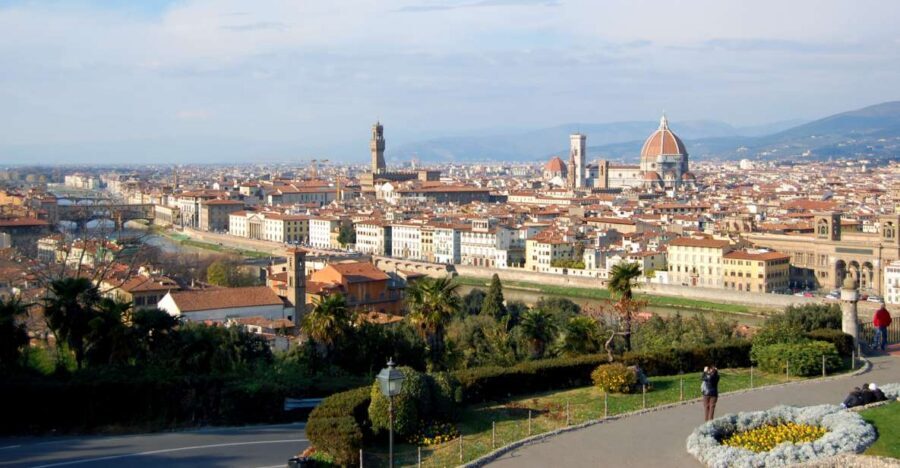
Your tour begins in front of the central door of the Cathedral of Santa Maria del Fiore. That’s a smart starting point, because the Duomo complex is the visual anchor of Florence. You’re not walking into the story from the side street—you’re stepping into the center of it.
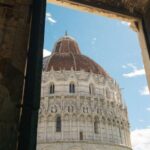
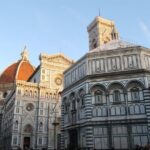
In about 15 minutes, you’ll get a guided visit through the Duomo complex with the main landmarks called out around Piazza del Duomo: the Baptistery of San Giovanni, the Cathedral of Santa Maria del Fiore, Giotto’s bell tower, and the octagonal dome designed by Filippo Brunelleschi. Even in a short time, it’s a big help because Florence’s monuments can feel like separate “cool things” until someone explains how they relate.
Here’s a practical tip: plan on standing and looking up. The biggest payoffs at the Duomo area are the shapes, proportions, and visual relationships between buildings. If you tend to rush, slow down here. This is where you set the scale for the rest of the walk.
You can also read our reviews of more walking tours in Florence

Piazza del Duomo to Via dei Calzaiuoli: making Florence’s map make sense
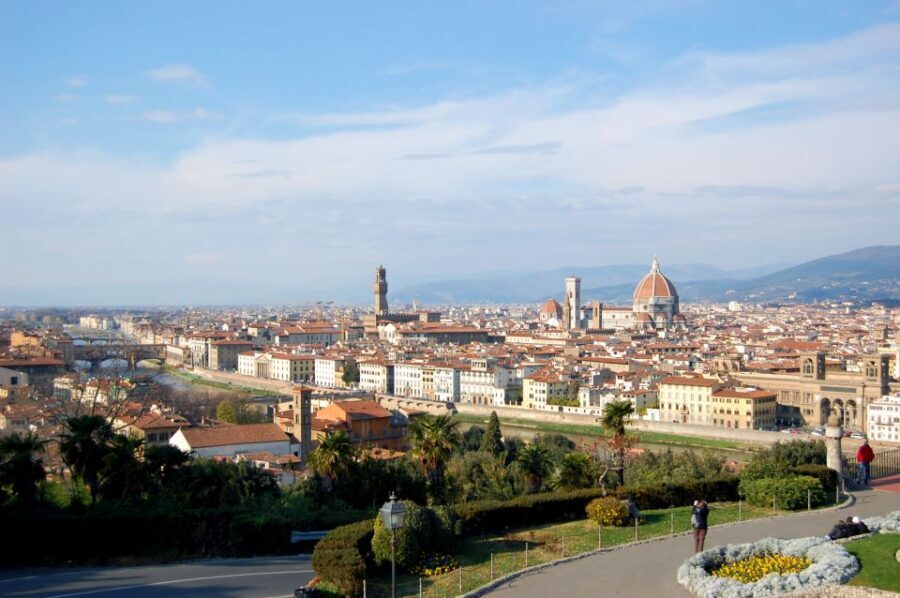
After the Duomo complex, you head along Via dei Calzaiuoli, a classic central artery. This stretch is short on paper, but it matters, because it connects your Duomo view to the city’s civic core.
The guide’s role is especially useful here. Florence is full of overlapping styles and layered eras. A guide can point out what to notice as you move: shifts in architectural mood, street-level clues, and why certain buildings ended up where they did. In other words, you start seeing Florence as a designed system instead of a random pile of sights.
Expect another guided stop around 15 minutes—enough time for orientation without turning it into a marathon.
Piazza della Signoria: political power in a compact square
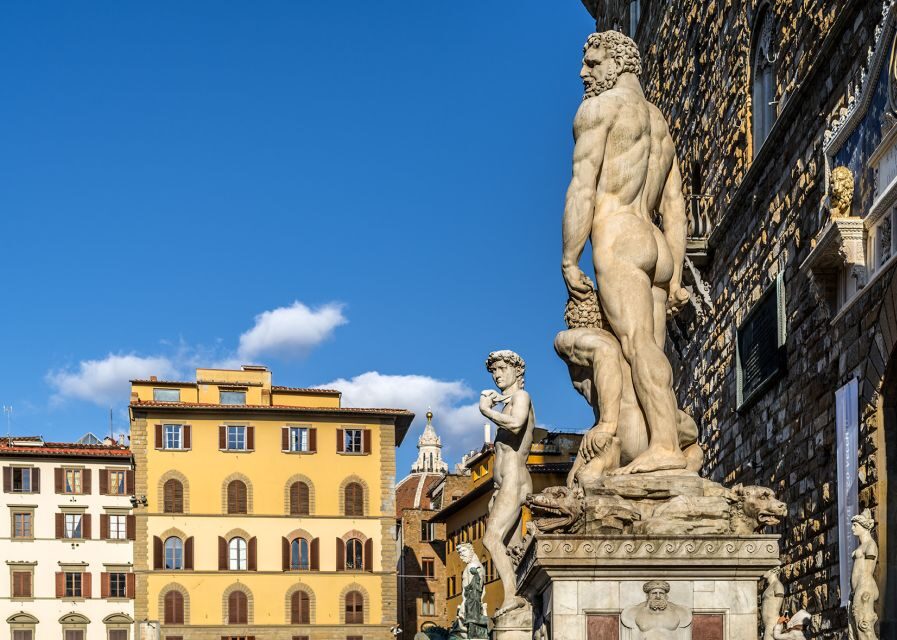
Piazza della Signoria is one of those places where the atmosphere feels serious, even if you’re just there for pictures. This is the center of political power in Florence, and the tour uses that angle to help you read the space.
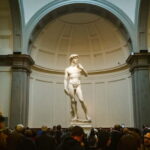
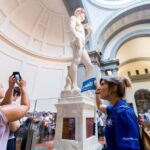
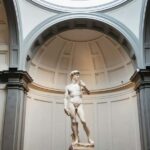
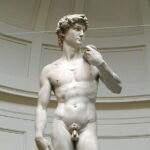
You’ll spend around 15 minutes in this area with guided time that focuses on Palazzo Vecchio (the town hall and a symbol of civil power) and major artworks and references tied to Florentine identity. One named highlight here is the Statue of David. Seeing it in context helps because it stops being just a famous figure and becomes part of how Florence talked about strength, culture, and legitimacy in public space.
Then, the tour moves you toward La Loggia dei Lanzi. This is where the square turns into a sculpture lesson, and it’s fun even if you’re not a museum person.
La Loggia dei Lanzi: statue spotting with real names and meaning
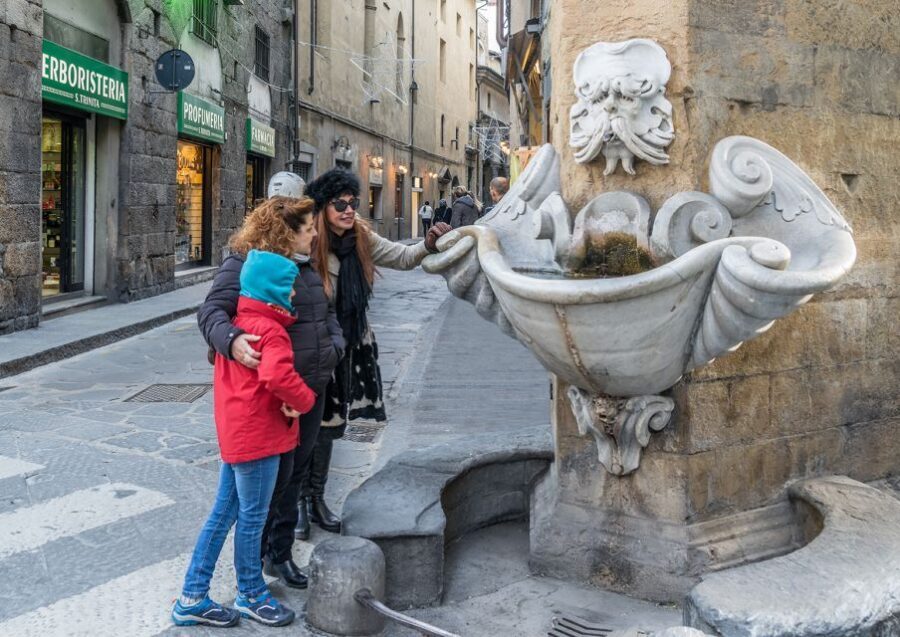
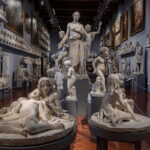
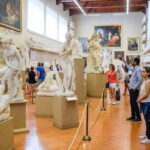
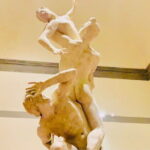
La Loggia dei Lanzi is a big “yes” stop because it gives you a quick way to understand Renaissance taste. In about 15 minutes, you’ll look at major statues located there, including The Rape of the Sabine Women, Hercules, Centaur by Giambologna, and Perseus by Benvenuto Cellini.
Here’s why that matters: Florence can overwhelm you with art. Without help, you might just see figures and silhouettes. With the right names and quick explanations, you can actually track what’s going on—myth, heroism, motion, symbolism, and the idea that art was part entertainment and part messaging.
Also, La Loggia is outdoors, so you’re not stuck indoors. It’s a great break from museum crowds while still feeling like the real Florence.
The Medici story at Palazzo Medici Riccardi (and why it explains so much)
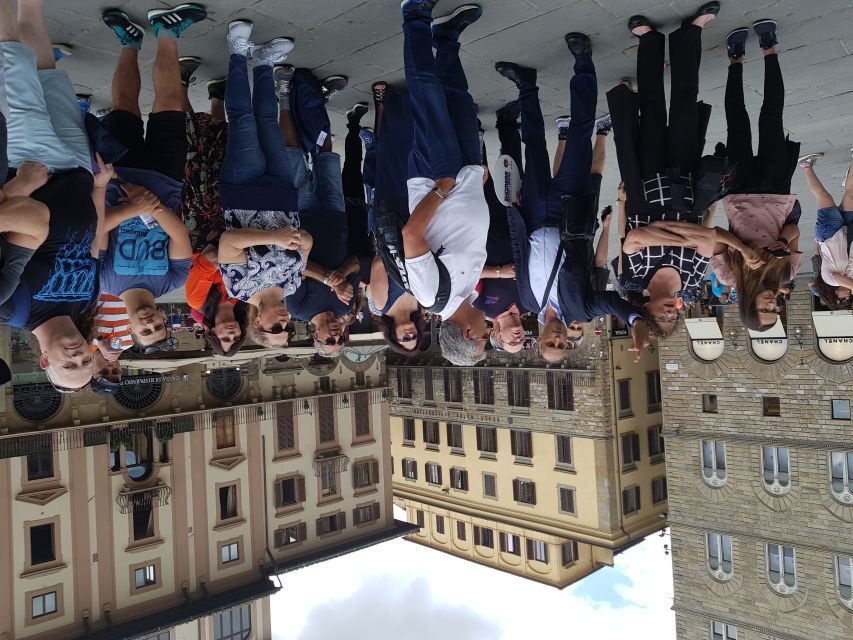
One of the tour’s strongest strengths is that it connects art and politics through the Medici family. You’ll head to Palazzo Medici Riccardi, described as the first Medici palace, tied to Cosimo the Elder and Lorenzo the Magnificent.
This is where you learn a practical Florence lesson: power often worked by commissioning culture. The guide connects that to artists such as Donatello, Michelangelo, Benozzo Gozzoli, and Botticelli—names that you’ll recognize later in Florence’s museums and churches.
If you’ve ever seen Renaissance masterpieces and wondered why certain styles or subjects show up repeatedly, this stop helps you answer that. The Medici were not just wealthy patrons; they were shaping what the city celebrated and how it presented itself. You’ll feel that logic as you continue walking.
One possible drawback: because the tour is only 3 hours total, each major story gets a focused slice. You’ll come away with a clearer framework, but you won’t get exhaustive details on every Medici commission.
You can also read our reviews of more city tours in Florence

Dante, the towers, and the Guelphs and Ghibellines era
You’ll also visit the house and church of Dante Alighieri and the area associated with the Guelphs and Gibellini towers. This is a great pairing because it shifts the story from patrons and princes to the human drama of Florence’s medieval conflicts.
Even if you don’t know Dante’s work deeply, the guide can give you context for how literature, civic identity, and political factions collided. It’s the kind of stop that makes Florence feel alive rather than just architectural.
For me, this is one of those moments when a walking tour earns its keep. It’s easier to remember places when you understand the tension that created them. Florence’s towers and medieval buildings aren’t just “old things”—they’re markers of competing sides.
Piazza della Repubblica and the Roman-to-19th-century storyline
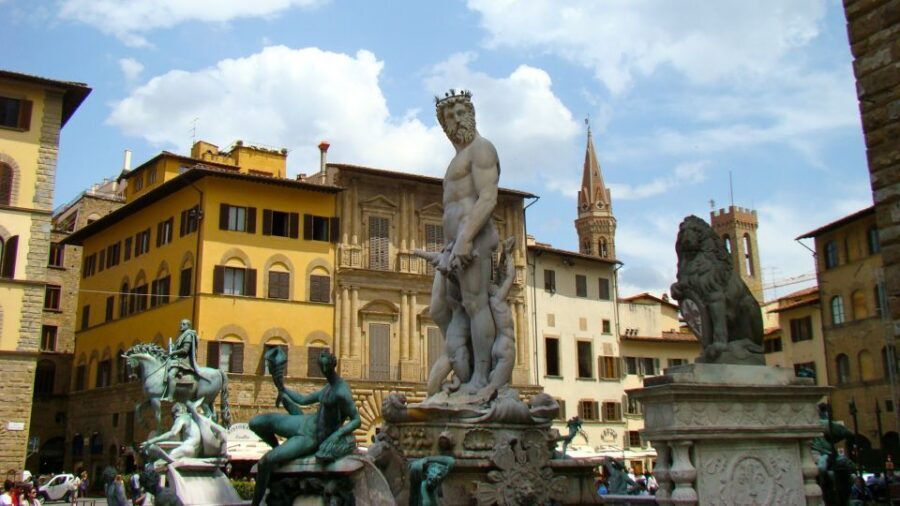
Piazza della Repubblica is a different vibe from Piazza della Signoria. It’s more open, and the tour uses that openness to talk about changes over time.
You’ll hear the history of the Roman era and the 19th century while standing in the same general city space. That’s a big deal because Florence didn’t reinvent itself all at once. It layers. When you understand the layers, you start to notice why some streets and squares feel like they’re built on top of older foundations.
If you like “how the city changed” stories, you’ll appreciate this stop. It’s also a nice mental breather between the denser monuments.
Uffizi Gallery stop: art-world orientation in 15 minutes
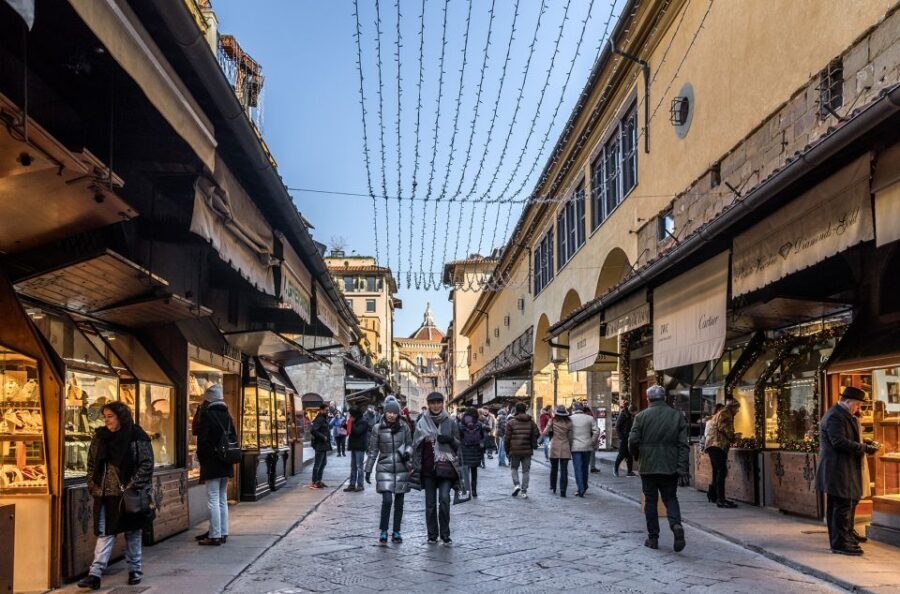
The tour includes a stop at the Uffizi Gallery, one of the main art museums in the world and the place where many Renaissance masterpieces are kept. But the time is short—about 15 minutes for sightseeing and walking—so this is best thought of as orientation.
You’ll get guided help around what you’re seeing and why Uffizi matters in the bigger picture. This works well because you don’t leave feeling like you missed everything. Instead, you leave knowing what to prioritize if you want to return for a longer museum visit.
Practical expectation: if you’re hoping for a full museum experience, this won’t replace a standalone Uffizi visit. It’s the “set your focus” version.
Ponte Vecchio and the walk toward Oltrarno
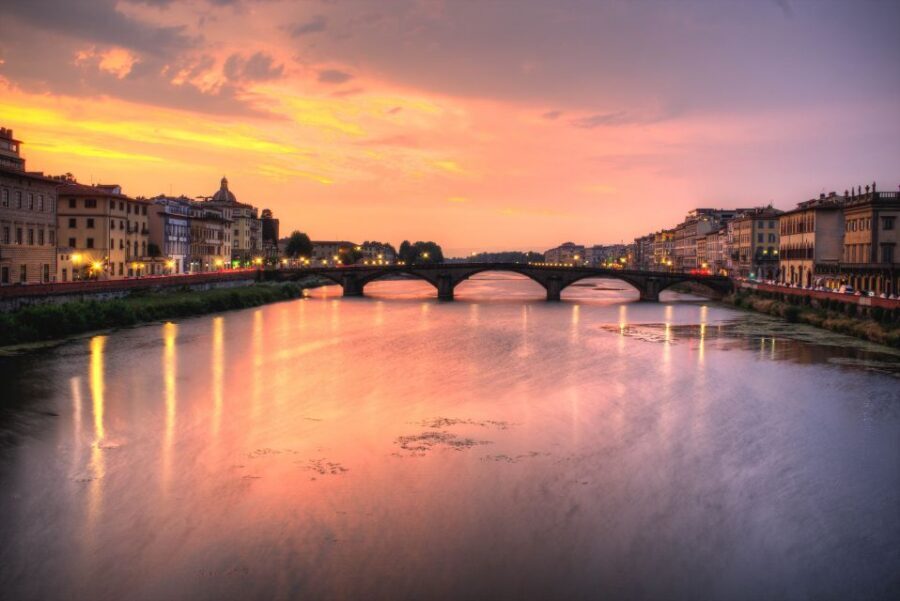
Crossing Ponte Vecchio is one of those Florence experiences that hits even if you’re not chasing museum tickets. The tour includes guided time plus sightseeing and walking, about 15 minutes in this segment.
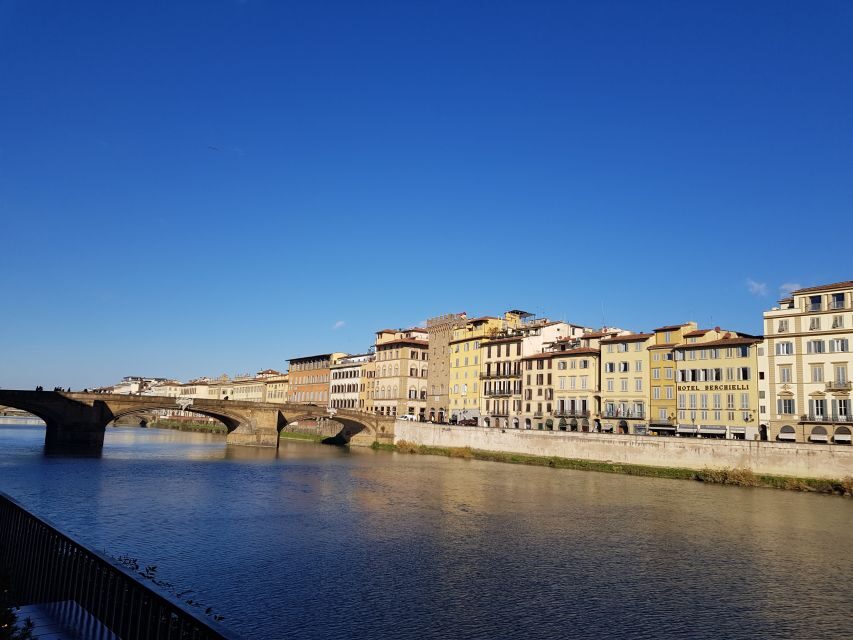
You’ll cross Ponte Vecchio, which connects the center with the Oltrarno. The guide frames the bridge as part of the city’s movement between different sides, so it feels like more than a postcard. It’s a literal crossing and a practical shift in atmosphere.
If you’re the type who likes to photograph, this segment is good. If you’re the type who hates crowds, keep an eye on timing. A private tour can make it easier to move with your guide’s pacing.
Piazza Santa Trinita and the Oltrarno neighborhood feel
Next up is Oltrarno, plus a stop near Piazza Santa Trinita. The tour includes guided time here (around 15 minutes) with walking.
Oltrarno is where Florence often feels more lived-in. Even with short guided time, you start noticing the kinds of spaces that support crafts and daily life. The tour also points your attention toward Florentine buildings and the city’s smaller stories as you move.
This is also a good area for people who like “street details.” You might find yourself pausing more often to look at facades and shop windows.
Palazzo Pitti and Basilica of Santo Spirito: looking at the opposite side of Florence
The tour doesn’t end at the postcard landmarks. It also heads toward Palazzo Pitti and the Basilica of Santo Spirito.
Palazzo Pitti is part of the Florence power-and-elegance story that pairs naturally with the Medici theme. The basilica adds a church-centered perspective that rounds out what you saw at the Duomo complex.
The tour specifically calls out splendid windows of the antiques along the way. That detail matters because it cues you to look beyond the largest monuments. Florence’s charm often lives in what you see at human eye level—workmanship, materials, and shopfront character.
What you get from the expert guide (and how to make it work for you)
The only thing included is the expert guide. That’s actually a good sign. It means you’re paying for interpretation and pacing, not just entry into a bunch of things.
The guide speaks multiple languages (French, German, Italian, English, Spanish). In practice, that means you can pick a language you’re comfortable with and follow the story without mental translation. For a walking tour where the “meaning” is the point, this matters.
The tour also talks about Florentine food and wine and crafts, but no food or drinks are included. So treat this as inspiration. If a certain stop makes you hungry, plan to grab something after. A good rule is to plan one small snack stop before you start and then let the guide’s comments steer your next move.
Wear comfortable shoes. That’s not a throwaway line. This route stacks multiple big sights, and you’ll be on your feet.
Value and price: is $192.58 per person fair for this kind of tour?
At $192.58 per person, this isn’t the cheapest way to walk Florence. But it can still feel worth it if you compare what you’re actually buying: a private guided route through major Renaissance landmarks in about 3 hours.
Here’s the value logic I use:
- If you’re the kind of person who would otherwise spend hours piecing together “what goes with what,” a guide saves time and mental energy.
- The route is dense. You hit the Duomo complex, key civic squares, Medici-linked sites, a sculpture-focused stop, the Uffizi area, and the bridge to Oltrarno, all in one coherent run.
- It’s private, so the guide can tailor the pacing to your questions and attention span.
If you already know Florence well or you plan to do a museum-heavy trip, you might decide you only need a cheaper self-guided walk. But if you want your first (or early) day in Florence to connect the dots, this private format is the kind of ticket that pays you back later when you revisit sites on your own.
Also, the overall rating is 4.8 out of 5 across 17 reviews. One standout comment is simply about weather being right, which is a reminder that a walking tour is happier in good conditions.
Who should book this private Florence walking tour?
This tour is a good fit if you:
- Want a first-time Florence orientation that explains what you’re seeing
- Prefer walking with context over wandering without direction
- Like Renaissance culture tied to real people like the Medici and Dante
- Want a manageable 3-hour experience instead of an all-day slog
It may not be ideal if you:
- Need a lot of time inside museums (the Uffizi portion is brief)
- Want zero walking and only indoor stops
- Are traveling with a tight schedule that can’t handle moving between several major squares and monuments
Should you book it? My practical take
I’d book this if it’s your first day in Florence or if you want a guided backbone for your trip. The biggest win is the structure: Duomo to civic power to Medici and Dante to sculpture and then across to Oltrarno, with a clear story thread.
Skip it if you already have a clear plan for museums and you’d rather spend your money on timed museum tickets and a slower, self-paced afternoon. But if you want to leave Florence feeling like you understand the city, not just the sights, this private walking tour is a strong choice.
FAQ
FAQ
How long is the Florence private city walking tour?
The tour lasts 3 hours.
Where does the tour start?
It starts in front of the central door of the Cathedral of Santa Maria del Fiore.
Where does the tour end?
It ends back at the meeting point at the Cathedral of Santa Maria del Fiore.
Is this tour private?
Yes, it’s a private group.
What’s included in the price?
The expert guide is included.
Are food and drinks included?
No. Food and drinks are not included.
Which languages are available for the live guide?
The guide is available in French, German, Italian, English, and Spanish.
Is the tour wheelchair accessible?
Yes, it is wheelchair accessible.
What sights are covered during the tour?
You’ll see and learn about areas including the Florence Duomo complex, Piazza della Signoria, La Loggia dei Lanzi, the Uffizi Gallery area, Ponte Vecchio, Oltrarno, Palazzo Pitti, and the Basilica of Santo Spirito, plus several key squares along the route.
What if the weather is bad?
This is a walking tour through central Florence. It runs for 3 hours, so you may want good footwear and to be ready for changing conditions.
If you want, tell me your travel month and whether this is your first time in Florence, and I’ll suggest the best order for the rest of your day around these stops.
You Might Also Enjoy
More Walking Tours in Florence

More Tours in Florence
- The Best tour in Florence: Renaissance & Medici Tales – guided by a STORYTELLER
★ 5.0 · 12,316 reviews

More Tour Reviews in Florence
- Tuscany Day Trip from Florence: Siena, San Gimignano, Pisa and Lunch at a Winery
★ 5.0 · 21,634 reviews - The Best tour in Florence: Renaissance & Medici Tales – guided by a STORYTELLER
★ 5.0 · 12,316 reviews