REVIEW · FLORENCE
Florence Private Walking Tour
Book on Viator →Operated by Travelling Italy · Bookable on Viator
Florence makes more sense with a local guide. This private walking tour strings together the city’s biggest landmark areas, from Santa Maria Novella to Ponte Vecchio, with stops timed for questions and photos. It’s designed for 3 hours on foot, in English, with a mobile ticket so you can spend less time fussing and more time seeing.
What I really like is the flexible private pace—you decide when to slow down, ask why something matters, or grab an extra picture. I also appreciate the practical takeaways the guide adds for the rest of your trip, so you leave with more than just photos.
One consideration: a lot of what you see here is from the outside. That’s great for orientation and context, but if you’re hoping for major indoor time at every stop, you’ll need to pair this with separate ticketed visits.
In This Review
- Key highlights worth planning around
- From Santa Maria Novella to Ponte Vecchio: why this route works
- Private pacing: the real value in paying for a guide
- The outside-only approach: great for orientation, not for full museum time
- Stop 1: Santa Maria Novella facade (what to look for before you go in)
- Stop 2: Piazza Santa Maria Novella (a quick orientation square)
- Stop 3: The Duomo area, Baptistery, and Giotto’s Campanile
- Stop 4: Piazza della Repubblica (from forum to ghetto to rebuilt Italy)
- Stop 5: Piazza della Signoria (politics in stone, art on the edges)
- Stop 6: Palazzo Vecchio from the outside (town hall energy)
- Stop 7: Uffizi area from outside (why the facade is worth reading)
- Stop 8: Ponte Vecchio (the bridge with shops, war history, and a view line)
- How much should you expect to pay, and what you get for it
- Who this tour suits best (and who should tweak the plan)
- Quick practical tips for a smoother walk
- Should you book the Florence Private Walking Tour?
- FAQ
- How long is the Florence private walking tour?
- Is the tour private?
- Where does the tour start and end?
- Is the tour offered in English?
- Are tickets included for the stops?
- What’s the cancellation policy?
Key highlights worth planning around
- Private pacing: stop for photos or questions without a group tugging you along
- Big landmark flow: Santa Maria Novella, the Duomo area, Repubblica, Signoria, and Ponte Vecchio in one walk
- Outside views with context: you get the why behind the facades, squares, and bridges
- Photo-friendly timing: each stop is long enough for a couple of good looks and quick photos
- Helpful local recommendations: especially useful if you’re traveling solo
- Guides with strong prep: people like Matteo, Michele, and Anna are called out for knowing their Florence
From Santa Maria Novella to Ponte Vecchio: why this route works
If you want Florence without getting lost in it, this is a smart route. You start at the Basilica of Santa Maria Novella area (P.za di Santa Maria Novella 18) and end near Ponte Vecchio (50125 Firenze FI). In about three hours, you cover the central spine of the city and arrive at the Arno in the classic spot everyone photographs.
This walk also helps you understand Florence’s geography fast. You go from church-front history into city squares that once had real political and social power, then you land at one of the most famous bridges in Italy. Even if you’ve seen photos before, walking the distances in order makes everything feel connected.
You can also read our reviews of more walking tours in Florence

Private pacing: the real value in paying for a guide
You can tour Florence in a pack. But private is different. With this setup, you’re not stuck with the slowest or the fastest person’s rhythm. If you want a moment longer at the facade of Santa Maria Novella, you can take it. If you’d rather speed up through a square, you can.
That “your pace” part matters most when the landmarks are close but the stories behind them aren’t. The guide connects visual details to timelines—like how Santa Maria Novella is described as the city’s first major basilica chronologically—and suddenly the buildings stop feeling like random backdrops.
The best part is the Q&A time. When you’re standing in the exact location, it’s much easier to ask questions like what to notice, what’s worth coming back for later, and how to approach the rest of your sightseeing day.
The outside-only approach: great for orientation, not for full museum time
This tour is built around exterior viewing with context. That’s not a drawback if you want bearings. You’ll see the shapes, scales, and main visual features that define each area: church fronts, piazzas, civic buildings, and the bridge.
It’s a drawback only if you expected indoor time at places that normally require tickets. For example, Santa Maria Novella and Palazzo Vecchio are noted as “admission ticket not included,” which means you’re viewing from outside as part of the walk. Still, you get enough detail to decide later whether you want to schedule an entry visit.
Stop 1: Santa Maria Novella facade (what to look for before you go in)
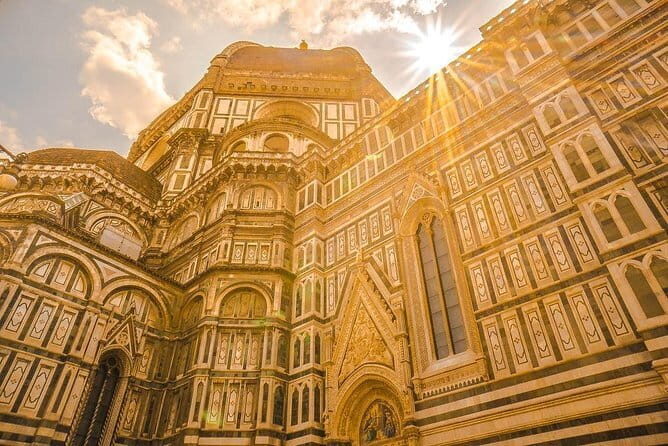
You begin at the Basilica of Santa Maria Novella. Even from outside, the guide frames it as an early milestone in Florence’s church history, and points out the facade’s significance. One detail I’d note ahead of time: the facade was completed by Leon Battista Alberti in 1470.
Why that’s useful: it gives you a clear visual target. Alberti’s work is often discussed in art and architecture circles, but here you get to stand where the design is right in front of you. You’ll likely leave with a better sense of how to read the facade visually rather than just admiring it.
Ticket-wise, this is outside information. If you later decide to go inside, plan for your own admission since it’s listed as not included.
Stop 2: Piazza Santa Maria Novella (a quick orientation square)
From the basilica area you move to Piazza Santa Maria Novella, a key public space between the central station area and the Duomo zone. This stop is short—about 15 minutes—but it’s useful because it stitches the “Arrive in Florence” area to the classic sights.
Think of this as a reset. You see where the station district meets the city center, and you get an early sense of the pedestrian flow. If you’re jet-lagged or solo and want confidence about moving around later, these little orientation stops pay off.
Admission here is free, so there’s no ticket pressure—just time to absorb the layout.
You can also read our reviews of more private tours in Florence


Stop 3: The Duomo area, Baptistery, and Giotto’s Campanile
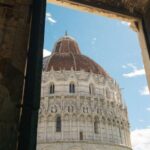
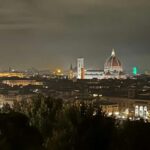
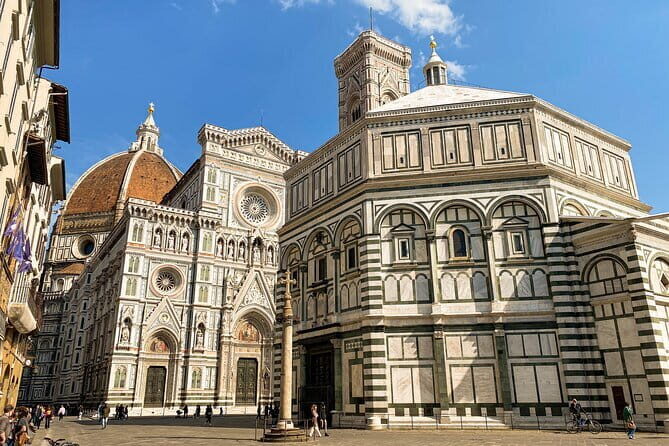
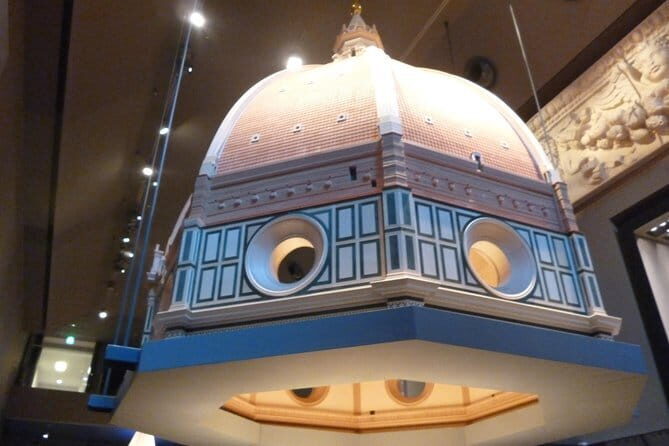
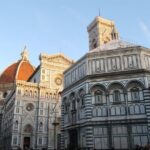
Next comes the Duomo area with views given from outside. The tour calls out the Cathedral of Santa Maria del Fiore, Piazza del Duomo, the Baptistery, and Giotto’s Campanile. Even without stepping inside, this is one of the best places in Florence to learn how the major landmarks relate to each other.
Here’s what makes the outside framing valuable: you can compare the volumes and placements. The cathedral looks one way from a distance, the campanile reads differently up close, and the Baptistery becomes its own focal point in the square. With a guide, you’re not just looking—you’re learning what to notice so your photos come out better and your future plans feel easier.
This stop is about 30 minutes and is marked as free for admission, which lines up with the outside focus.
Stop 4: Piazza della Repubblica (from forum to ghetto to rebuilt Italy)
Piazza della Repubblica is more than a pretty break in the walking route. You learn that it has changed roles over time: it was originally the city’s forum, then later associated with an old ghetto that was swept away during improvement works known as Risanamento, during the brief period when Florence was the capital of reunited Italy.
Why I like a stop like this on a short tour: it adds cause-and-effect. You start to see Florence as a city that edits itself, rather than a museum piece locked in time. Even if you mostly care about sights for photos, knowing the layers makes the streets around you feel more alive.
It’s also a nice pause—15 minutes is enough to take in the square’s feel without turning the day into a slog.
Stop 5: Piazza della Signoria (politics in stone, art on the edges)
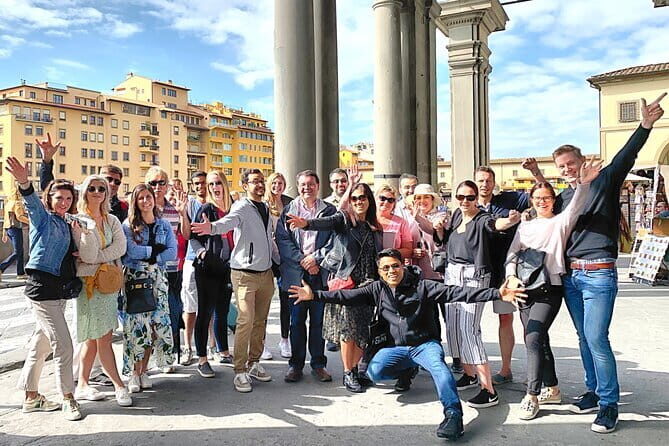
Piazza della Signoria is a standout stop because it’s described as a w-shaped square in front of Palazzo Vecchio. It’s tied directly to the origin and history of the Florentine Republic and remains a political focus of the city. It’s also a meeting place for locals and tourists, and it acts like a gateway toward the Uffizi Gallery area.
This is where Florence often feels most “city” and less “cathedral.” You’re standing in a place tied to governance and public life, not just religious devotion. The guide’s job here is to connect the visual—statues, civic buildings, open space—to the idea that Florence has always been about power, trade, and public display.
Plan around photo time. With about 30 minutes, you’ll have room to look up, move toward the key viewpoints, and still keep momentum toward Palazzo Vecchio.
Stop 6: Palazzo Vecchio from the outside (town hall energy)
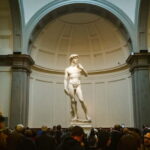
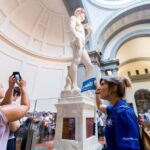
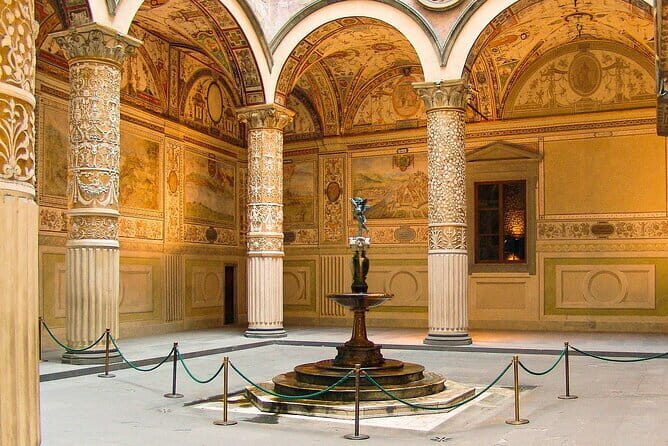
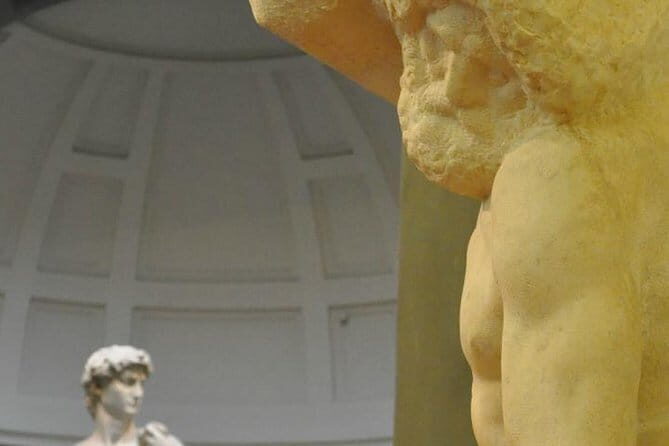
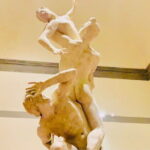
From Piazza della Signoria, you see Palazzo Vecchio, the town hall of Florence. Even outside, it has a strong presence because it overlooks the square. The guide also points you toward what to notice nearby: a copy of Michelangelo’s David sits in the Piazza, and the Loggia dei Lanzi nearby holds a gallery of statues.
That’s a smart trick for a short walk. You get cues for what to hunt for next. If you’re the type who likes to keep a mental checklist, this gives you a set of “look for this” targets that make Florence feel less overwhelming later.
Ticket-wise, admission is listed as not included for this stop, so expect outside viewing as part of the tour rather than a full entry.
Stop 7: Uffizi area from outside (why the facade is worth reading)
The Uffizi stop is brief and exterior-focused, with the guide describing what the gallery is known for. Located in the heart of Florence, the Uffizi hosts works by major Italian artists like Botticelli, Giotto, Cimabue, Michelangelo, Leonardo da Vinci, and Raffaello.
Even if you’re not entering today, this is a useful stop for two reasons. First, it helps you picture why Uffizi is so central to Florence’s identity. Second, it helps you decide later if you want to plan an indoor ticketed visit, since you already understand what you’re walking past.
Admission is listed as free for this viewing portion, which fits the “outside info” style of the tour.
Stop 8: Ponte Vecchio (the bridge with shops, war history, and a view line)
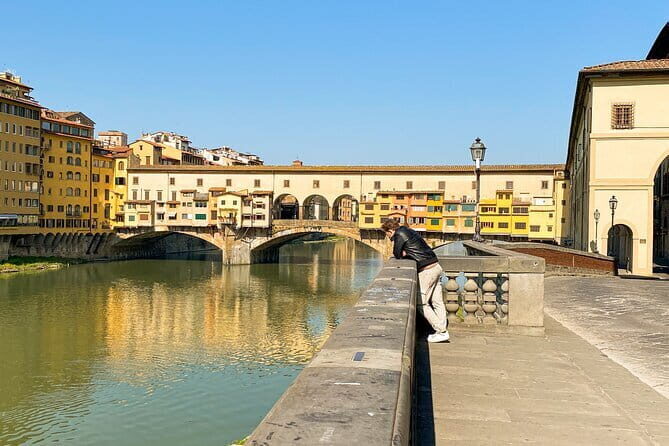
You finish at Ponte Vecchio, one of Florence’s medieval stone arch bridges over the Arno. The guide highlights something important: it was the only bridge in Florence spared from destruction during World War II. That alone is a reason to stop and look carefully.
Then you get the signature detail—shops along the bridge. Historically, shops were occupied by butchers, tanners, and farmers, but today the guide notes current tenants are jewellers, art dealers, and souvenir sellers. So the bridge is both a historical survivor and an economic engine that reinvented itself.
This is a great ending point for another practical reason: it’s easy to re-orient your day from there. You end at a famous landmark where you can decide whether to keep walking, head toward dinner, or take public transport.
How much should you expect to pay, and what you get for it
The price is $162.03 per person for about 3 hours. That’s not “budget Florence.” But you are paying for a few things that add real value:
- A private setup, so you’re not negotiating the pace of strangers
- A guide who shares context that you likely wouldn’t pick up from signs alone
- A structured route that hits multiple major areas without you doing route planning on a tight trip
If you’re traveling solo, this kind of private walking time can feel extra efficient. One of the standout notes from guide praise is that recommendations can be useful for the rest of your itinerary, not just the time on the street. That’s where the cost can feel more reasonable—because good guidance reduces the chance of wasting half a day later.
If you’re traveling as a duo or group that likes walking, the private format can also be easier to justify because you’re effectively buying time, stories, and smoother logistics.
Who this tour suits best (and who should tweak the plan)
This tour fits well if you want Florence’s top sights in a single, organized walk. It’s especially good for first-timers who feel intimidated by Florence’s density. If you like history but also prefer practicality—photo stops, clear sequencing, and guidance on what to do next—you’ll probably enjoy it.
It’s also a strong match if you’re a solo traveler who wants someone to steer you away from overwhelm and toward smart choices. Praise for guides like Matteo and Anna specifically calls out the combination of stories and a good pace, plus attentiveness and useful direction.
You might want to combine this with extra ticketed visits if you’re hoping for major indoor time. Since key stops are listed as outside-focused, plan to do museums or basilica interiors separately if those are your top priorities.
Quick practical tips for a smoother walk
- Wear comfortable shoes. Florence’s center is full of stone surfaces, and the best photos often mean stepping closer, then pausing.
- Bring your phone battery. You’ll likely want photos at multiple piazzas plus Ponte Vecchio.
- Treat it like orientation, then build. After the walk, you’ll have a clearer idea of where to return for tickets.
- If you care about a specific theme—architecture, politics, art—ask your guide for it. The private format is designed for Q&A.
Should you book the Florence Private Walking Tour?
If you want the main Florence highlights without spending your first day figuring out the geography, I’d say yes. The route makes sense, the pacing is built for private flexibility, and the guides named in feedback—Matteo, Michele, and Anna—are repeatedly described as prepared, attentive, and good at keeping the walk moving at the right speed.
If you’re the type who needs indoor access at every stop, adjust your expectations. This is an outside-first experience with context. The value is in learning how Florence fits together, then using that knowledge to choose what to do next.
FAQ
How long is the Florence private walking tour?
It runs for about 3 hours.
Is the tour private?
Yes. It’s a private tour/activity, so only your group participates.
Where does the tour start and end?
It starts at Basilica of Santa Maria Novella, P.za di Santa Maria Novella, 18, 50123 Firenze FI, Italy, and it ends at Ponte Vecchio, 50125 Firenze FI, Italy.
Is the tour offered in English?
Yes, it’s offered in English.
Are tickets included for the stops?
Some stops are listed as admission ticket not included (for example, Santa Maria Novella and Palazzo Vecchio), while other stops are listed as admission ticket free. The tour focuses on viewing with the guide’s information provided, including from the outside.
What’s the cancellation policy?
Free cancellation is available up to 24 hours in advance for a full refund.
You Might Also Enjoy
More Walking Tours in Florence
More Tours in Florence
- The Best tour in Florence: Renaissance & Medici Tales – guided by a STORYTELLER
★ 5.0 · 12,316 reviews
More Tour Reviews in Florence
- Tuscany Day Trip from Florence: Siena, San Gimignano, Pisa and Lunch at a Winery
★ 5.0 · 21,634 reviews - The Best tour in Florence: Renaissance & Medici Tales – guided by a STORYTELLER
★ 5.0 · 12,316 reviews