REVIEW · FLORENCE
Florence Golf Cart Tour City Center & Piazzale Michelangelo
Book on GetYourGuide →Operated by Florence panorama · Bookable on GetYourGuide
Florence, minus the walking grind. This private electric golf cart tour gives you a fast, guided path through the most famous blocks of the historic center, with smart stops instead of random wandering. I love the way it makes landmark-hunting simple, and I especially like the payoff of Piazzale Michelangelo for photos and that classic Florence panorama.
The main consideration is time. With only about 1.5 hours, you’ll see a lot from the cart and at viewpoints, but this is not a museum-entry tour, so you should plan on skipping monument lines unless you add tickets on your own.
In This Review
- Key Things to Know Before You Ride
- Why This Florence Golf Cart Tour Works When You’re Short on Time
- Meeting Your Driver: Pickup Options and How the Ride Starts Smoothly
- The 90-Minute Route: What You’ll See and Why Each Stop Matters
- San Giovanni Square and the Duomo Area: Big Florence in One Look
- Piazza della Repubblica: A Square That Bridges Old Florence and Present-Day Life
- Palazzo Vecchio and the Civic Power of Florence
- Ponte Vecchio: Photos, Perspective, and the River’s Drama
- Pitti Palace Area: The Grand World Beyond the Duomo
- The Big View Moment: Piazzale Michelangelo
- Piazza di Santa Croce: The Square, the Vibe, the People-Watching
- San Lorenzo and the Medici Chapel Area: Where the Story Gets Political
- Santa Maria Novella Square: Finishing in a Convenient, Central Way
- Price and Value: Is $89.50 Worth It?
- Comfort, Languages, and How the Audio Guide Helps
- Small Practical Tips That Make This Tour Better
- Should You Book This Florence Golf Cart Tour?
- FAQ
- How long is the Florence Golf Cart Tour?
- Is pickup included, and where can I meet the tour?
- Where can the tour drop off at the end?
- What’s included in the price?
- Are entrance fees to monuments or museums included?
- Is there an audio guide?
- What languages are spoken by the driver?
- What should I bring, and what is not allowed?
Key Things to Know Before You Ride
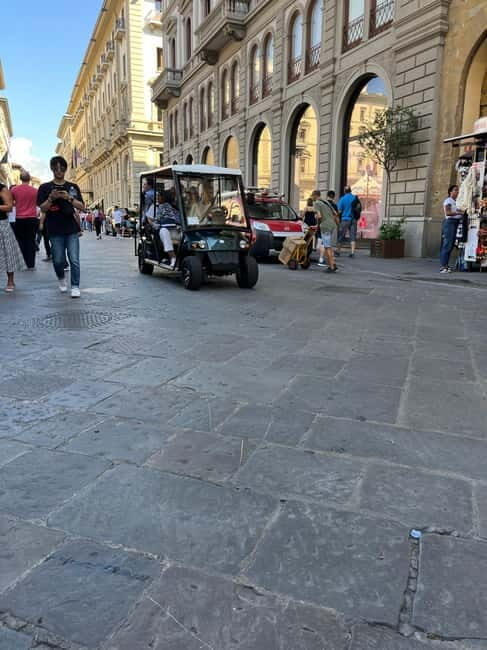
- Private group + guided driver: You’re not stuck in a big crowd moving at someone else’s pace.
- Electric golf cart comfort: Great for the hills and cobblestones when you still want the highlights.
- Iconic stops built into the route: Duomo area, Palazzo Vecchio, Ponte Vecchio, Pitti Palace, San Lorenzo.
- A real viewpoint finish at Piazzale Michelangelo: One stop where the views are the point.
- Flexible pickup/drop-off spots: Choose a meeting place like Piazza di Santa Croce or Piazza di Santa Maria Novella.
- Multilingual support: Driver and audio guide options span several languages, including English, Italian, French, and more.
Why This Florence Golf Cart Tour Works When You’re Short on Time
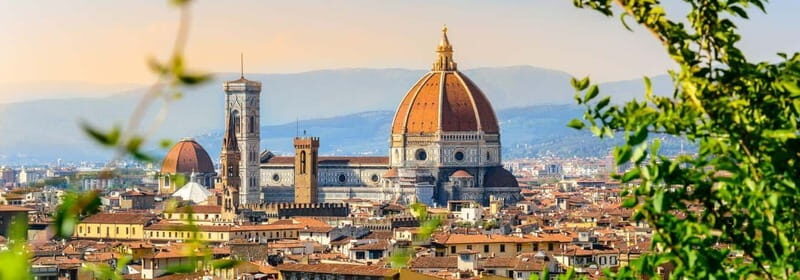
Florence is beautiful, but it can be a workout. The historic center is full of narrow streets, stairs, and little detours that eat up your day. This tour helps you get oriented fast and then spend your energy on the moments that matter most: the skyline views, the big-name squares, and the bridges and palaces that define the city.
I like that it’s built for “see the essentials” travel style. You’re guided through key areas like the Duomo zone and San Giovanni Square, then you’re routed through Piazza della Repubblica and onto the power-studded streets around Palazzo Vecchio. After that comes Ponte Vecchio, one of those places where you really want time for photos, even if you’re moving quickly.
The other reason I’d pick this is peace of mind. A local driver handles the timing and keeps the stops strategic, so you don’t have to guess how to stitch together Florence’s spread on your own.
You can also read our reviews of more city tours in Florence
Meeting Your Driver: Pickup Options and How the Ride Starts Smoothly
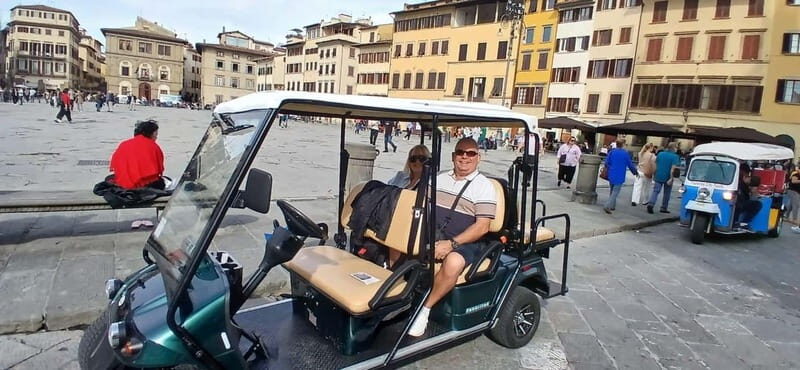
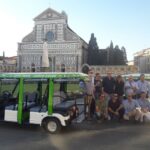
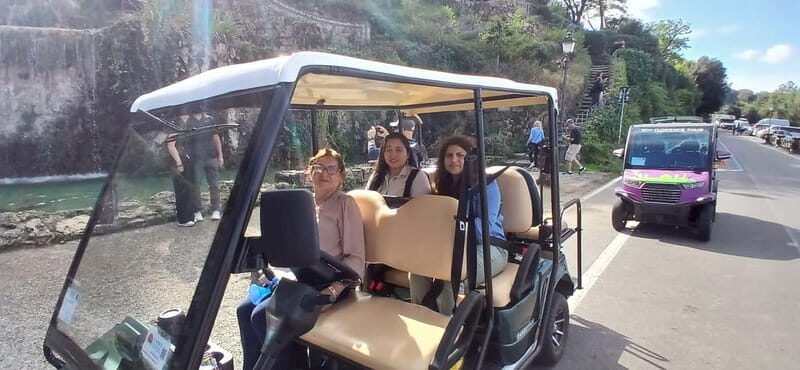
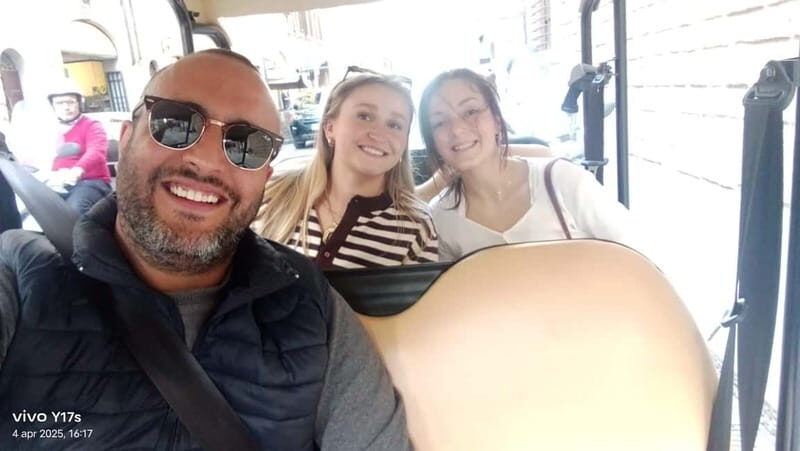
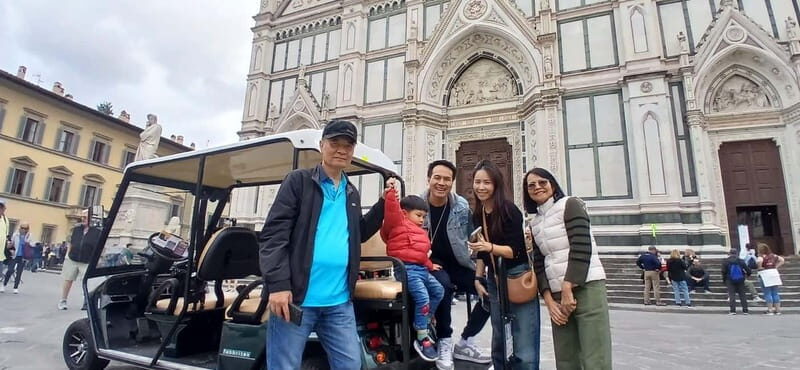
Your tour begins with pickup at one of several locations, which is a big deal in Florence. You can look for the green golf cart with the logo on the front window, and you’ll meet up at places such as Piazza di Santa Croce, Piazza di Santa Maria Novella, Apple Firenze, The Baptistery of St. John, or Pitti Palace (exact pickup options depend on what you select).
That flexibility matters because many first-time visitors end up staying near one end of town, then spending the rest of the trip crossing the city on foot. Instead of doing that, you start close to where you already are, and you can also end near a convenient area. Drop-offs include The Baptistery of St. John, Piazza di Santa Croce, Pitti Palace, Apple Firenze, and Piazza di Santa Maria Novella.
From a practical standpoint, the cart setup is also friendly. You’re in a comfortable electric cart, and the guide keeps you moving between clusters of sights. You still walk a bit for photos and to fully enjoy a square or viewpoint, so bring comfortable shoes and keep your camera ready.
The 90-Minute Route: What You’ll See and Why Each Stop Matters
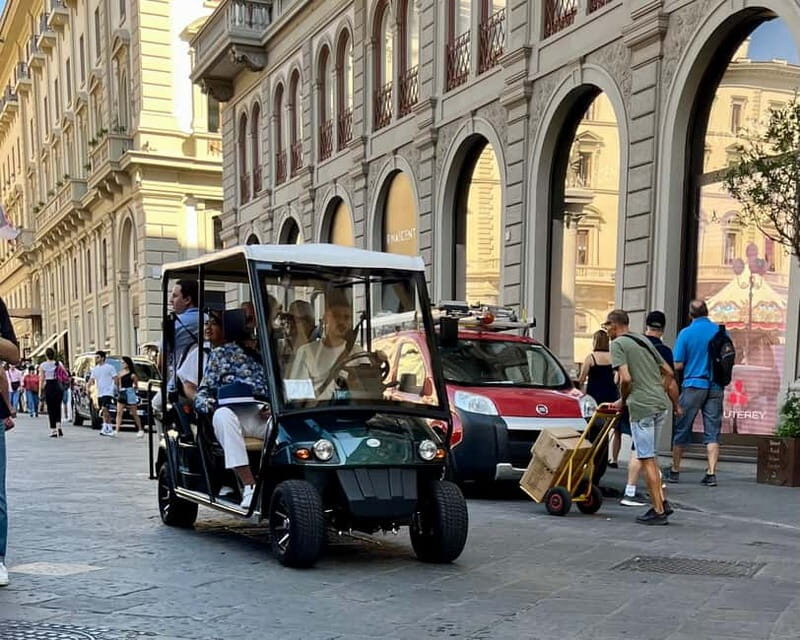
This is a highlight circuit, with the major landmark zones grouped so you waste less time relocating. You start with guided sightseeing around central Florence, then the tour builds through several signature areas.
One useful way to think about it: the route is designed to show you Florence in layers—religion and civic pride near the Duomo and Baptistery zone, commerce and government around major squares, then the river-side drama of Ponte Vecchio, and finally the “big view” moment at Piazzale Michelangelo. Later, you circle back through the Medici world around San Lorenzo and the Basilica and Medici Chapel area.
Because the stops are scheduled, you get context as you go. That’s the difference between snapping photos and actually understanding what you’re looking at.
San Giovanni Square and the Duomo Area: Big Florence in One Look
You’ll spend time around San Giovanni Square and see the broader Duomo area (the tour includes this sight as part of the main highlights). This zone is where Florence’s identity becomes obvious. The buildings are iconic, and even from street level, you’ll notice how much attention the city has placed on sacred art and monumental architecture.
A smart part of this stop is the way it sets the stage. Before you move on to bridges and palaces, you see the religious centerpiece that shaped centuries of civic life. Then, when you later look at things like Medici connections near San Lorenzo and the Medici Chapel, the city starts to make more sense.
Even if you don’t go inside any monuments, you’ll still get the “why it matters” perspective. You’re guided through the square, with time for photos and orientation. If you’re the type who likes to understand the story behind the stone, this is a good early stop.
Piazza della Repubblica: A Square That Bridges Old Florence and Present-Day Life
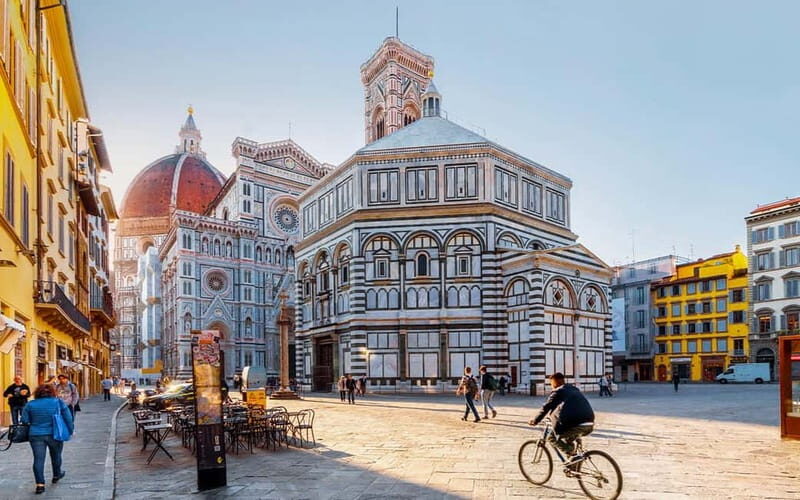
After San Giovanni Square, you move to Piazza della Repubblica. This square is one of those places that feels like a transition between Florence’s long history and its everyday rhythm—close enough to major sights that you’ll recognize it instantly, but broad enough to stand back and take in the architecture.
For many people, this stop becomes a breather. You’re not climbing; you’re standing and looking. That’s useful during a short 1.5-hour tour because you want to save your legs for the later viewpoint areas where the walk is more noticeable.
It also helps with pacing. You’re moving through Florence with purpose, but you’re not constantly sprinting from one corner to another. The guide can keep the energy steady and help you decide where to linger for photos.
- Tuscany Day Trip from Florence: Siena, San Gimignano, Pisa and Lunch at a Winery
★ 5.0 · 21,634 reviews

Palazzo Vecchio and the Civic Power of Florence
Next comes Palazzo Vecchio, one of the city’s most important civic landmarks. This stop is less about quiet beauty and more about authority—Florence’s government and public life made visible in stone.
Why I like this portion of the route: it gives you the “civic Florence” angle, not just the romantic postcard view. When you look at Palazzo Vecchio after being near the sacred zone, you see the contrast. You’re watching Florence express itself in two languages: religion and governance.
You’ll get guided sightseeing here, with time to take in the scale from the outside and understand what it represented for the city. Since entrance fees aren’t included, this works well for people who want the headline landmarks without turning the day into a ticket-planning exercise.
Ponte Vecchio: Photos, Perspective, and the River’s Drama
Then you reach Ponte Vecchio, Florence’s famous bridge over the Arno. This is a must-stop for first timers because the bridge is recognizable from guidebooks and screens, and seeing it in person is still a little surreal.
A cart tour is a smart way to hit Ponte Vecchio because you’re not forced to spend your entire day just trying to get a decent vantage point. You can focus on framing and photos while your guide provides the context behind the location’s importance.
The drawback? It’s still busy. Even with the guided pacing, you’ll likely be mixing your stop with other visitors. So if you hate crowds, aim for calm photo moments: use the guide’s timing, step to a spot with a clearer view, and then move on rather than getting stuck in one group.
Pitti Palace Area: The Grand World Beyond the Duomo
From Ponte Vecchio, the route continues toward Palazzo Pitti. The Pitti area is tied to Florence’s elite life, and it’s one of the places where the city’s scale feels real. You’re leaving the river-side drama and stepping into a different Florence mood—more palace, more power.
This is a good stop for people who enjoy architecture and want to connect what they’ve seen so far with what comes next. It also sets you up for the later Medici stop around San Lorenzo and the Medici Chapel. In other words, you’re not just collecting images; you’re building a mental map of Florence’s influence.
Again, entrance fees aren’t included, so you’ll experience the exterior and the surrounding area, guided by a driver who helps you place it in the city’s story.
The Big View Moment: Piazzale Michelangelo
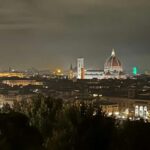
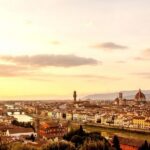
Every short Florence tour earns its spot with one thing: a viewpoint. Here, that viewpoint is Piazzale Michelangelo, and it’s exactly what you’d hope for. This is the place where Florence turns into an overview—rooftops, domes, and the spread of the city stretching out around you.
If you’re traveling with limited stamina, this is often the highlight because it delivers a lot visually without requiring you to walk an exhausting loop. If you’re traveling with kids or anyone who needs a rest, this stop gives you a chance to pause and still feel like you’re seeing something major.
Practical tip: for photos, take a second to change angles. Small shifts in viewpoint make a big difference here. And since it’s near the tour’s middle-to-late portion, you’ll also feel less rushed because you’ve already covered the core historic areas.
Piazza di Santa Croce: The Square, the Vibe, the People-Watching
After Piazzale Michelangelo, the tour returns toward Piazza di Santa Croce. This square is a classic Florence gathering spot, known for its open space and the energy around it. In a 1.5-hour tour, this stop works as a grounding moment—a place where you can look at the city’s layout and feel the day’s pace.
This is also a helpful location for photos because it’s open and easy to orient yourself. If your day has been moving fast, this is where you can slow down a touch, take in the facades, and enjoy that Florence feeling of life happening in the open air.
San Lorenzo and the Medici Chapel Area: Where the Story Gets Political
Later you’ll reach the Basilica of San Lorenzo and the Medici Chapel area. These are heavy-hitter sights in Florence, tied to the Medici family and the power systems that shaped art and architecture across generations.
Even without guaranteed monument entry (entrances aren’t included), the guided focus here helps you understand what you’re seeing. This is one of those parts of Florence where “just look around” doesn’t work as well as “listen and connect the dots.” The guide’s explanation can turn stone and titles into a clearer story about why these places mattered.
If you love art history, you’ll likely feel tempted to add museum time later. If you don’t, it still helps because the Medici connection explains a lot about Florence’s look and priorities.
Santa Maria Novella Square: Finishing in a Convenient, Central Way
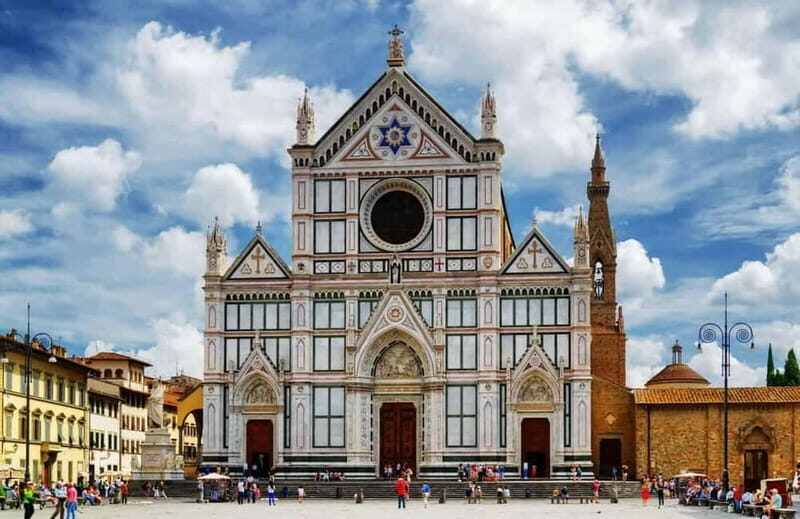
The tour also includes Santa Maria Novella Square as a final sight. This is a good ending zone because it’s central and easy to reorient from. You get a last chunk of guided sightseeing around that area, then you can return to your drop-off option.
Why ending here can be smart: many visitors want to keep their evening flexible. You don’t want a tour that ends far out in the suburbs unless you have transportation planned. With drop-off options including Piazza di Santa Maria Novella and Apple Firenze, it’s easier to connect back to the rest of your itinerary.
Price and Value: Is $89.50 Worth It?
At $89.50 per person for about 1.5 hours, this tour sits in the category of paid convenience. The question isn’t whether you can walk to these places. You can. It’s whether paying buys you time, energy, and an easier route.
Here’s the value logic I see:
- You’re getting a guided experience tied to multiple major landmarks—Duomo area, Palazzo Vecchio, Ponte Vecchio, Pitti Palace, San Lorenzo/Medici Chapel, plus the viewpoint at Piazzale Michelangelo.
- You’re using an electric golf cart, which helps when hills and cobblestones are the limiting factor.
- You’re saving your brainpower. Florence can be confusing. The guide gives you structure and a route that avoids randomness.
If you plan to spend much of the day walking between neighborhoods, paid transport plus guidance can feel like a bargain. If your goal is long museum time inside churches and palaces, this probably won’t fully replace that. Treat it as the “see the headlines” tour, and then add ticketed time later if you want.
Comfort, Languages, and How the Audio Guide Helps
This tour is a private group, with a driver who can speak English, Italian, and French. There’s also an included audio guide available in English, Italian, French, Spanish, German, and Portuguese.
That language setup is practical. Even if your driver is speaking one language, audio support can help you follow along when you want extra detail. It also helps when the group includes mixed-language travelers.
For comfort, the electric cart helps you stay in the sightseeing mode without constantly stopping to catch your breath. You still need to wear shoes that can handle short walks, steps, and uneven paving, since you’ll be leaving the cart for guided sightseeing at stops.
Small Practical Tips That Make This Tour Better
Before you go:
- Wear comfortable shoes and clothing you can move in.
- Bring a camera (you’ll want it at Ponte Vecchio and especially at Piazzale Michelangelo).
- Leave time for a little walking at the stops. This is a cart tour, not a zero-footstep experience.
During the tour:
- Ask the guide for the “best side” for photos at each stop. In Florence, a few feet can change the frame.
- If anyone in your group is slower, mention it early. Guides on this style of tour can adjust the pacing by deciding how long to linger at viewpoints and squares.
A personal note based on what I appreciate from guides in this setting: a good driver can turn a rainy day or a limited-stamina day into a win. One guide named Amir is described as safe, patient, funny, and tuned into comfort, including adapting stops for a mother who couldn’t walk long distances. That kind of care is exactly what makes a short tour feel effortless.
Should You Book This Florence Golf Cart Tour?
Book it if:
- You have limited time and want the Florence highlights in about 90 minutes.
- You want the structure of a guided route through multiple landmark areas.
- Hills and long walks are a concern, but you still want the Duomo zone, Ponte Vecchio, and the Michelangelo panorama.
Skip or consider alternatives if:
- You’re planning to spend the day on interiors and museum-level exploration. This tour doesn’t include entrance fees, so it won’t replace a ticket-based day.
- You prefer total freedom and don’t want to follow a set route.
If your goal is simple: see the famous Florence moments without spending your whole day figuring out logistics—this private electric cart tour is an easy yes. You’ll leave with a clear sense of how the city is organized, plus the kind of view that makes Florence feel real.
FAQ
How long is the Florence Golf Cart Tour?
The duration is about 1.5 hours.
Is pickup included, and where can I meet the tour?
Pickup is included, and you can choose from several pickup locations such as Piazza di Santa Croce, Piazza di Santa Maria Novella, Apple Firenze, The Baptistery of St. John, or Pitti Palace.
Where can the tour drop off at the end?
Drop-off options include The Baptistery of St. John, Piazza di Santa Croce, Pitti Palace, Apple Firenze, or Piazza di Santa Maria Novella.
What’s included in the price?
It includes a guided tour with a driver, an electric golf cart tour of Florence, and strategic stops at major points of interest.
Are entrance fees to monuments or museums included?
No. Entrance fees to monuments and museums are not included.
Is there an audio guide?
Yes. An audio guide is included and available in English, Italian, French, Spanish, German, and Portuguese.
What languages are spoken by the driver?
The driver speaks English, Italian, and French.
What should I bring, and what is not allowed?
Wear comfortable shoes and bring your camera. Smoking is not allowed.
You Might Also Enjoy
More City Tours in Florence

More Tours in Florence
- The Best tour in Florence: Renaissance & Medici Tales – guided by a STORYTELLER
★ 5.0 · 12,316 reviews
More Tour Reviews in Florence
- Tuscany Day Trip from Florence: Siena, San Gimignano, Pisa and Lunch at a Winery
★ 5.0 · 21,634 reviews - The Best tour in Florence: Renaissance & Medici Tales – guided by a STORYTELLER
★ 5.0 · 12,316 reviews