REVIEW · FLORENCE
Florence – The Medici’s Private Walking Tour
Book on Viator →Operated by ACCORD Italy Smart Tours & Experiences · Bookable on Viator
Florence’s power story starts fast. This private walk ties together Medici ambition and artistic spin with a route that hits key sights like Palazzo Medici Riccardi, Piazza della Signoria, and Ponte Vecchio. I especially love how the guide turns stone and statues into people drama—the Cosimo-to-Corridor kind of story—and how the pace leaves space for questions with real answers from guides like Isabela. One thing to consider: this is mainly a guided walk with no monument admissions bundled, so you’re often viewing from strategic points rather than entering every highlight.
For me, the best value is the connecting tissue. You don’t just “see Florence”—you learn why these places mattered to the Medici, from early rise to public image control. The second thing I like is the practical setup: a private group feel, English guide, and earphones if needed, plus pickup if your hotel is centrally located. The only drawback is expectation management: if you’re hoping for entry into the big interiors (or special access areas), you’ll want to plan on buying those tickets yourself.
In This Review
- Key things to know before you go
- Two hours of Medici power, told in the streets
- Palazzo Medici Riccardi: where early power shows (and where the art work waits)
- Piazza del Duomo in 15 minutes: what to notice instead of what to rush
- Basilica di San Lorenzo: Medici faith, Michelangelo-level tombs, and symbolism you can’t spot alone
- Piazza della Signoria: civic power with statues as messaging
- Ponte Vecchio and the Vasari Corridor: the Medici avoiding the crowd
- Palazzo Pitti: finishing near the Medici’s big residential center
- Price and value: what you’re paying for (and what you’re not)
- Guides, pace, and the question-friendly format
- Who should book this Medici walking tour
- Should you book this tour?
- FAQ
- How long is the Florence Medici private walking tour?
- Is this tour private or shared?
- What sights are included, and are entry tickets included?
- Do I need to buy a mobile ticket or bring anything specific?
- Is pickup available from my hotel?
- What time should I arrive at the meeting point?
Key things to know before you go
- Private group experience: it’s just your group, so the guide can slow down for questions.
- Admissions not included (mostly): some stops are free, but don’t expect automatic entry into major museums and churches.
- Route flows westward: you start near Piazza San Marco and finish by Palazzo Pitti.
- Medici + art stories: the commentary connects politics, architecture, and art choices you can actually see.
- Meeting point timing matters: show up 15 minutes early at Piazza San Marco.
- Plan ahead: it’s often booked about 33 days in advance, so late booking can mean missing your slot.
Two hours of Medici power, told in the streets
This is a compact, 2-hour walking tour designed to give you the Medici “why” behind the “what.” The setting is Florence’s open-air museum, but the focus stays on one family and how they shaped the city’s image—sometimes through art, sometimes through pure political maneuvering, and sometimes through a very careful sense of privacy.
You’ll move at a walking pace that feels manageable even if you’re not trying to “power-sightsee.” The guide’s job is to translate complicated history into scenes you can stand inside with your feet—street-level context instead of name-dropping. If you’re the kind of traveler who likes learning a few facts and then re-looking at a façade the moment you’re back on your own, you’ll get a lot out of this.
What I think you’ll enjoy most: the way the tour keeps linking locations. One stop answers a question the next stop raises. That makes the city feel less like separate postcard frames and more like one story.
You can also read our reviews of more walking tours in Florence

Palazzo Medici Riccardi: where early power shows (and where the art work waits)
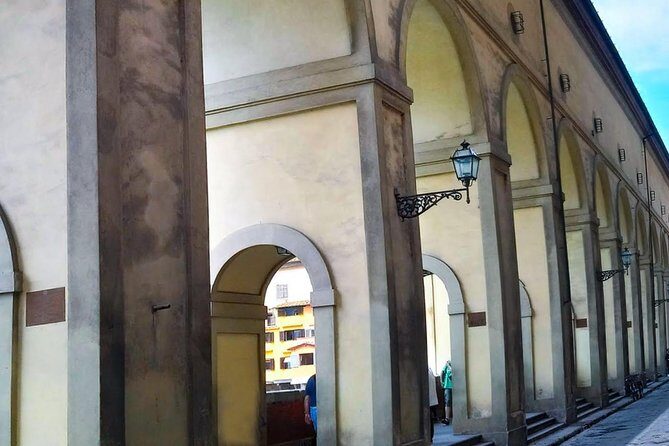
You kick off at Palazzo Medici Riccardi, commissioned by Cosimo de’ Medici in the mid-15th century and designed by Michelozzo. From the outside, the building’s rusticated stone façade has a serious, controlled look—like the Medici were already practicing their brand identity.
What’s smart here is that the guide doesn’t treat the palace as a random “cool Renaissance building.” They explain how early Medici power tried to look classical, balanced, and legitimate—using architecture as a credibility tool. Inside (when free areas are accessible), the real payoff is the Magi Chapel, painted with vibrant frescoes by Benozzo Gozzoli. This chapel is a great example of how art can function like political messaging: wealth and influence shown through imagery people can recognize.
Why it’s a good first stop: you start with the family’s rise and a clear visual style. Then, when you later hit other “power” spaces around town, the story clicks faster.
Practical note: this stop is listed as free for admission ticket purposes, but other interiors on the overall route are not included—so keep your expectations flexible and let the guide guide your pace.
Piazza del Duomo in 15 minutes: what to notice instead of what to rush
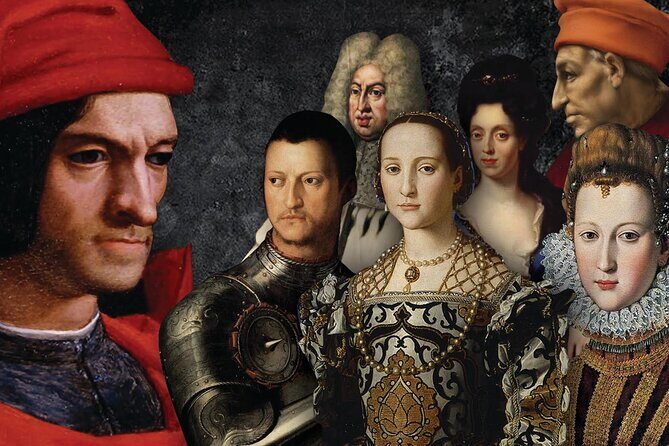
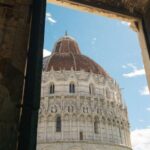
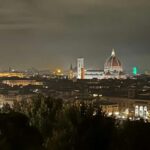
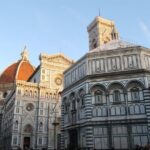
Next comes Piazza del Duomo, Florence’s monumental hub where you get that signature lineup: the Cathedral of Santa Maria del Fiore, Brunelleschi’s dome, Giotto’s bell tower, and the Baptistery of San Giovanni.
You’re not there long, so the value is in what the guide tells you to look for. The cathedral’s engineering and the dome’s rise aren’t just pretty—they’re part of the Renaissance shift toward bold design and confidence in human capability. Nearby, the bell tower adds vertical rhythm to the square, and the Baptistery’s marble façade—including the golden “Gates of Paradise”—is a reminder that Florence built its identity in layers of time.
Potential drawback: the piazza stop is brief, and admission isn’t included here. If you want to go inside the cathedral, baptistery, or climb for views, you’ll likely need separate planning and tickets.
Basilica di San Lorenzo: Medici faith, Michelangelo-level tombs, and symbolism you can’t spot alone
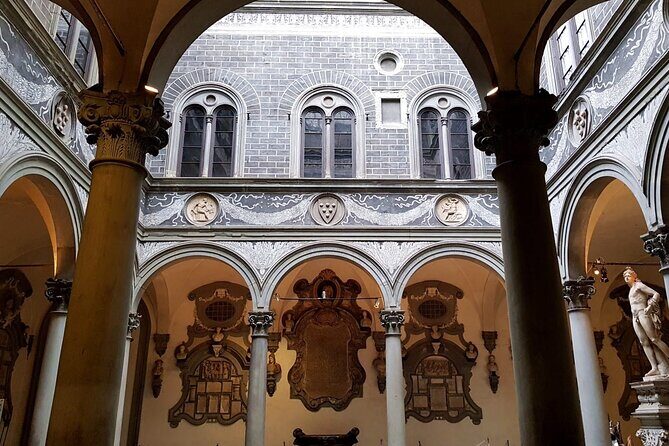
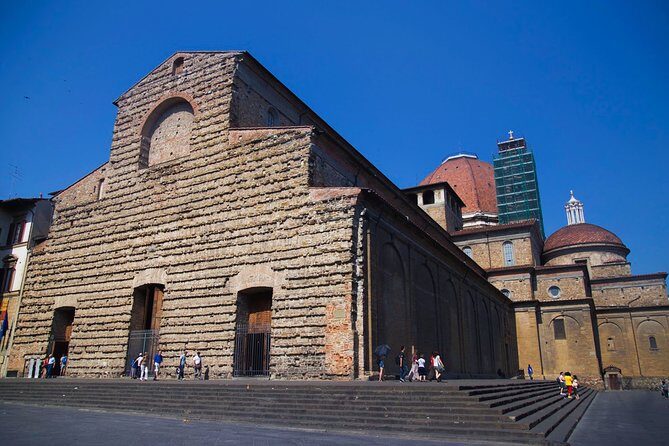
Then you head to Basilica di San Lorenzo, tied tightly to Medici legacy. The basics are straightforward: it’s an old church originally consecrated in the 4th century, then rebuilt in the 15th century with designs by Brunelleschi. But the guide’s storytelling makes the contrast between exterior simplicity and interior richness feel purposeful.
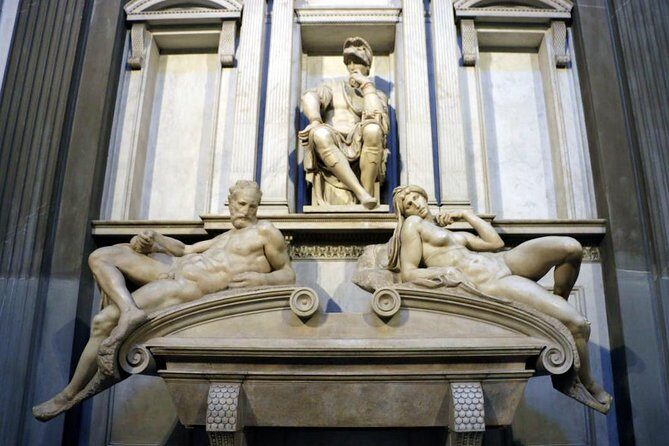
The key Medici-related draw is the Medici Chapels, where you’ll find monumental tombs associated with Michelangelo. Even if you’re not an art-history specialist, it’s the kind of scene that changes how you read Florence’s “grand buildings” mindset. Here, power is expressed through religious space, crafted art, and long-term memory—literal stone permanence for a dynasty.
Why this stop matters for your trip: once you’ve seen how the Medici used churches and chapels as public identity, the later civic spaces (palaces, plazas, and statues) make more sense.
Piazza della Signoria: civic power with statues as messaging
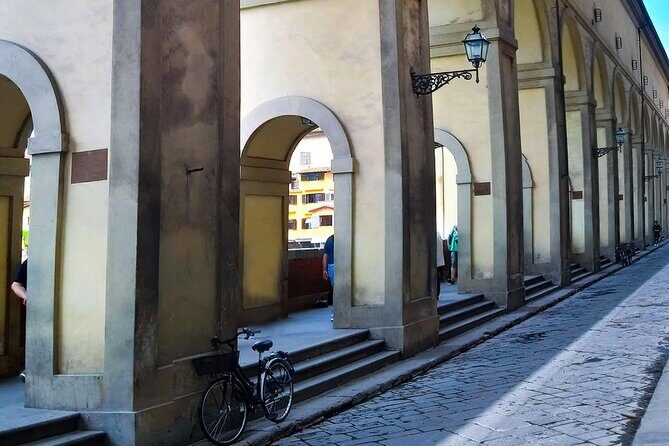
Piazza della Signoria is the city’s historic power plaza, and Palazzo Vecchio dominates the square. This is one of those places where it’s easy to wander and think you’re just taking photos—until you learn what the spaces were designed to communicate.
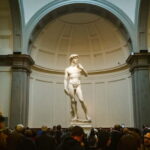
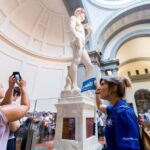
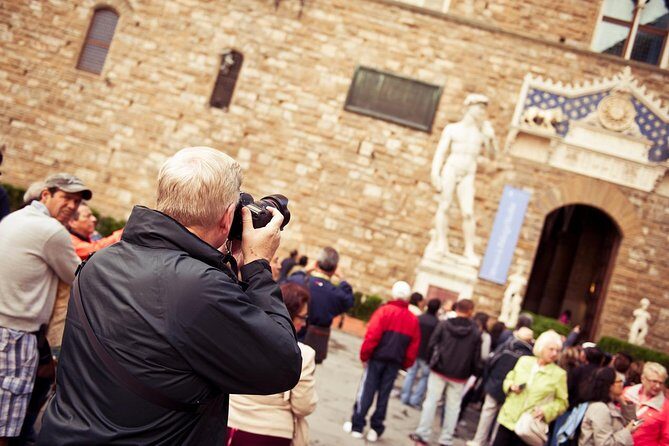
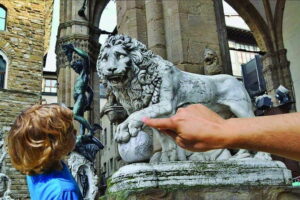
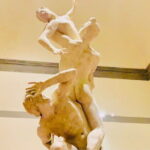
The guide points out why this open-air area functions like an outdoor museum. You’ll see the Fountain of Neptune, and along the Loggia dei Lanzi are major sculptures that helped shape the public image of the city’s cultural and political authority. You’ll also encounter a replica of Michelangelo’s David here—useful context if you’ve seen the original elsewhere or you’re comparing how Florence distributed its art power across locations.
How to get the most from 25 minutes here: pause long enough to see how the plaza is arranged. The mix of statues, civic building presence, and sightlines makes it feel like government and art were designed to work together.
You can also read our reviews of more private tours in Florence


Ponte Vecchio and the Vasari Corridor: the Medici avoiding the crowd
Now for the postcard moment: Ponte Vecchio. It’s Florence’s oldest iconic bridge, lined with jewelry shops, and it still carries a medieval charm even though the surrounding city has gone through centuries of reinvention.
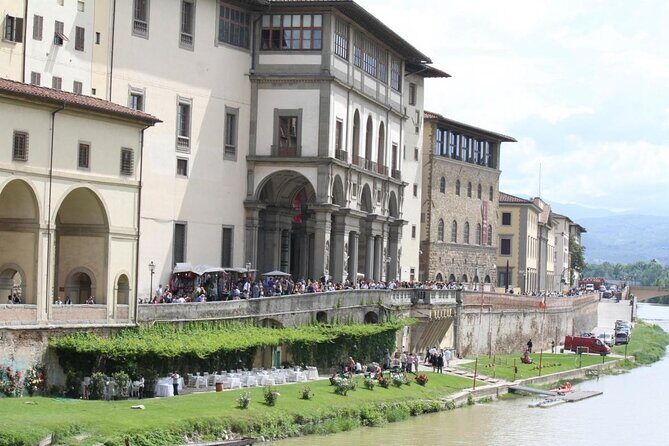
But the tour’s angle is less about the shops and more about the story above them. The guide connects the bridge with the Vasari Corridor, the elevated passageway built in 1565 so the Medici could move through Florence with more privacy—linking Palazzo Vecchio to the Pitti Palace. It’s a smart piece of history because it explains how power sometimes needs concealment. The city is visible from the corridor, but the movement is controlled.
Consideration: the corridor itself is described as a hidden elevated passageway, but this tour does not present it as included entry. Treat this stop as a “story and view” moment rather than an assumption that you’ll walk inside private passageways.
Palazzo Pitti: finishing near the Medici’s big residential center
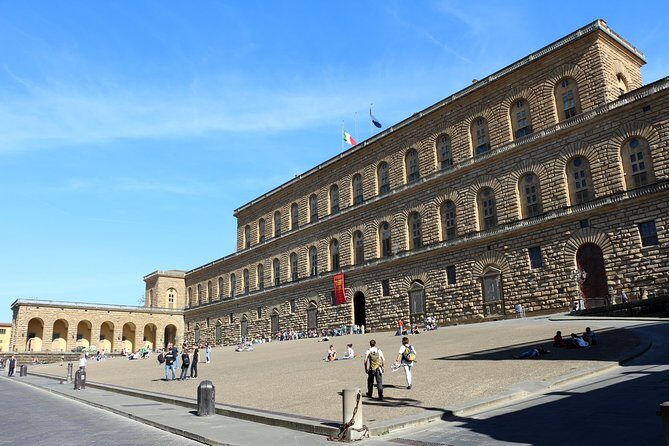
Your final stop is Palazzo Pitti, the grand Renaissance residence that once belonged to the Medici. From the outside, the palace reads as serious and massive—built for presence.
Inside, the palace connects to major collections, including the Palatine Gallery with masterpieces by Raphael and Titian. The bigger outdoor reward comes next door: Boboli Gardens with sculptures, fountains, and wide views over Florence. Even if you don’t spend hours wandering museums (since admission isn’t included), the palace area is a great finish because it shifts the Medici story from “public power” to “private life.”
Why ending here works: your route has walked from the Medici’s early rise and civic dominance to their residential center. That arc makes the family feel less like a random name in textbooks and more like a force that shaped how Florence functioned.
Price and value: what you’re paying for (and what you’re not)
At $126.16 per person for about 2 hours, the price is in the range where you should expect more than just directions. Here, you’re paying for a professional guide, story structure, and a route that’s tight enough to be worth your time even if you’re on a short visit.
Key value points:
- Private group format: you’re not stuck waiting for a big group’s questions and toilet stops.
- Guided context: you’re learning why the Medici mattered at each place you stand.
- Earphones if needed: that small gear detail can make a big difference when streets get loud.
What you’re not paying for:
- Monument admissions. Several major sights along the way are marked as not included. Some areas are free, but don’t assume entry into every highlight. If you want interior time at the cathedral, basilica, or museums, you’ll need separate tickets and a plan.
My practical advice on value: if you like history but hate reading labels, this can be a great spend. If you’re more of a “ticket-first museum hopper,” you might prefer a tour that includes more paid-entry time—or pair this with targeted museum visits afterward.
Guides, pace, and the question-friendly format
This tour tends to stand or fall on its guide, and the reviews you can lean on here point to a common theme: people love the guides’ passion and clear storytelling. Names that come up include Isabela, Marco, Irene, Marcello, Lisa, and Giacomo—and the pattern is consistent. The guides don’t just list dates. They give you a reason to care about the people behind the buildings.
You’ll also appreciate the pace. It’s paced enough that you can ask questions without feeling like you’re slowing the line. That matters because Medici history is full of names and motives; without guidance, it can turn into a blur. With guidance, it becomes a set of cause-and-effect stories.
One more plus: dress code is smart casual, so you don’t need to think about formal wear—just comfortable walking shoes.
Who should book this Medici walking tour
I’d put this tour at the top of your list if:
- You want to understand Florence beyond postcards.
- You’re interested in the Renaissance, power politics, and how art gets used to persuade.
- You’re doing Florence for a few days and need fast context that makes later visits easier.
- You like tours where you can ask questions and actually get answers.
I’d reconsider if:
- You’re expecting frequent indoor access and included tickets for major monuments.
- You want a “museum-heavy” experience where entry time is the main event.
Should you book this tour?
Yes—with one big condition: book it for the story, not for guaranteed indoor access.
If you want a guided route that makes Palazzo Vecchio, Ponte Vecchio, San Lorenzo, and the Medici-related sites feel connected, this is a strong choice. The format (private group, guided pace, English speaking, earphones if needed) suits travelers who learn best by standing in the exact places where the history happened.
But if your ideal day is mostly ticketed entrances and museum hours, plan on adding those separately. Treat this as your Florence “Medici map in your head,” then build the rest of your sightseeing around that foundation. If you do that, you’ll get your money’s worth fast.
FAQ
How long is the Florence Medici private walking tour?
It’s about 2 hours.
Is this tour private or shared?
It’s private. Only your group participates.
What sights are included, and are entry tickets included?
You’ll visit multiple key locations across Florence, but admission to monuments and attractions is not included. Some stops are listed with free admission tickets, while others are not.
Do I need to buy a mobile ticket or bring anything specific?
You’ll have a mobile ticket.
Is pickup available from my hotel?
Pickup is offered if your accommodation is centrally located. Pick-up is on foot, and the tour ends at Palazzo Pitti.
What time should I arrive at the meeting point?
You’re asked to be at the meeting point 15 minutes before departure time.
You Might Also Enjoy

More Walking Tours in Florence

More Tours in Florence
- The Best tour in Florence: Renaissance & Medici Tales – guided by a STORYTELLER
★ 5.0 · 12,316 reviews
More Tour Reviews in Florence
- Tuscany Day Trip from Florence: Siena, San Gimignano, Pisa and Lunch at a Winery
★ 5.0 · 21,634 reviews - The Best tour in Florence: Renaissance & Medici Tales – guided by a STORYTELLER
★ 5.0 · 12,316 reviews