REVIEW · FLORENCE
Renaissance & Medieval Florence Guided Walking Tour plus mobile App
Book on Viator →Operated by CAF Tour and Travel · Bookable on Viator
Florence can feel like a museum with traffic. This 90-minute walk strings together the Medici story, the Duomo complex, and the key squares so you get your bearings fast. You also get a mobile app guide to keep the learning going after the group walk ends.
Two things I really like: the tour explains why the city’s art and power are linked (not just what you’re looking at), and the route hits big-name sights without turning into a sprint. One possible drawback to plan for: if the guide is working with more than one language group, the pace can slow down as they switch.
In This Review
- Key Things to Know Before You Go
- A Smart Way to Start Florence: Medici to Medieval in 90 Minutes
- The Start Point and the Route Logic (So You Don’t Feel Lost)
- San Lorenzo and the Medici Story: Where Power Looks Like Stone
- The Duomo Complex Square: Dome, Bell Tower, and Baptistery Drama
- Il Porcellino at the Straw Market: A Tiny Myth With Big Personality
- Piazza della Signoria: Florence’s Outdoor Sculpture Museum Energy
- From Vasari Corridor Views to Ponte Vecchio and Pitti Palace
- Medieval Corners After the River: Dante, Badia Fiorentina, Bargello
- The Mobile App: VOX CITY Turns Your Walk Into a Two-Stage Lesson
- Price and Value: Why $30 Can Work Here
- What the Guides Do Well (And What to Watch for)
- Who This Tour Suits Best
- Should You Book This Renaissance & Medieval Florence Walking Tour?
- FAQ
- Is the tour offered in English?
- How long is the Renaissance & Medieval Florence Guided Walking Tour?
- Where does the tour start and end?
- Do I get tickets or entry included for attractions?
- What do I need for the mobile app?
- Is there a group size limit?
- Is free cancellation available?
Key Things to Know Before You Go
- Small-group style (max 20) means you can actually ask questions at stop points instead of shouting into crowds.
- Medici-focused storytelling connects San Lorenzo, chapels, and architecture to Renaissance politics and art.
- Icon sights in one loop: Duomo area, Piazza della Signoria, Ponte Vecchio, plus views leading toward Pitti Palace.
- Outdoor art stops include Giambologna’s Rape of the Sabine Women in the sculpted open-air setting of Signoria.
- Bronze pig luck ritual at Il Porcellino gives you a fun, very Florentine moment to remember.
- VOX CITY self-guided audio can extend your day, but you’ll need your own phone and headphones.
A Smart Way to Start Florence: Medici to Medieval in 90 Minutes
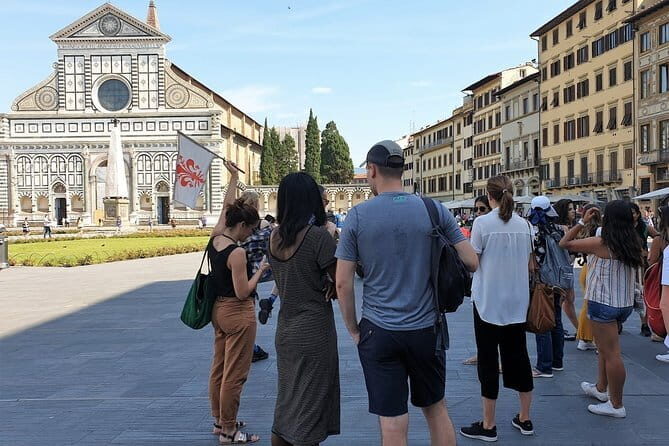
If it’s your first day in Florence, this tour-style route is a practical win. You start in central Florence and move through the areas that shaped the city’s Renaissance image: church power (San Lorenzo), architectural genius (the Duomo complex), civic life (Piazza della Signoria), and then toward the river and the grand palaces.
The real value isn’t only the famous stops. It’s how the guide threads the story so the buildings don’t feel random. In particular, the Medici section is the “why” behind a lot of what you’ll see next.
You’ll walk at an easy-to-moderate pace with frequent stop-and-listen moments. You’ll also get a mix of viewpoints—some are picture-perfect, and some are more about understanding the city’s layout (how Florence is layered, not just decorated).
You can also read our reviews of more walking tours in Florence

The Start Point and the Route Logic (So You Don’t Feel Lost)
The walk begins at Via de’ Martelli, 50 and ends at Ponte Vecchio. That end point matters: Ponte Vecchio is one of those places you’ll want to linger near anyway, and it sets you up nicely for your next self-guided wander.
The route moves through a set of high-impact zones:
- San Lorenzo area and the Medici landmarks
- The Duomo complex square (cathedral area)
- A quick hit of Il Porcellino in the straw market zone
- Piazza della Signoria and its statue-packed square
- An exterior-follow segment toward key river/palace sights
- Medieval corners tied to Dante and older civic-religious life
One note: the order of visits can change, so don’t stress if you don’t see stops in exactly the sequence you expect. It’s still the same overall loop.
San Lorenzo and the Medici Story: Where Power Looks Like Stone
San Lorenzo is where Florence starts making sense. This part of the tour is built around the Medici influence—how a banking family turned into cultural and political muscle, and how that shaped the city’s most important religious and artistic spaces.
You begin at the Basilica di San Lorenzo and spend time around its Brunelleschi-designed cloister. The cloister is often described as a green, quiet pocket inside a very busy district, and that contrast is part of the experience: you go from street noise into calm architecture.
You’ll also connect the dots about the Medici Chapels, tied to Michelangelo and Matteo Nigetti. Even if you don’t go deep into every chapel detail during a timed walk, the guide’s framing helps you recognize what you’re looking at when you spot Medici symbolism and tomb-era design choices.
Another Medici landmark you’ll discuss is the Palazzo Medici Riccardi, known for its charming courtyard. You’re not just scanning facades. You’re learning why this neighborhood became such a magnet for Renaissance ambition.
In this San Lorenzo segment, you’ll also pass through the broader neighborhood atmosphere, including the open-air market vibe with leather goods and clothing. Even if you don’t shop, the setting helps you picture Florence as a living city—not only an outdoor art book.
The Duomo Complex Square: Dome, Bell Tower, and Baptistery Drama

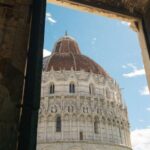
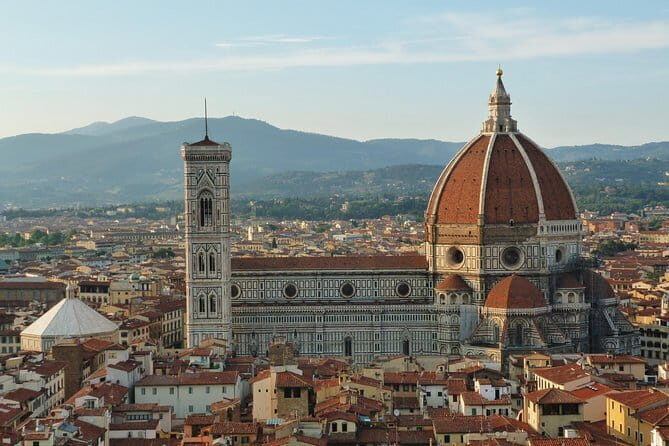
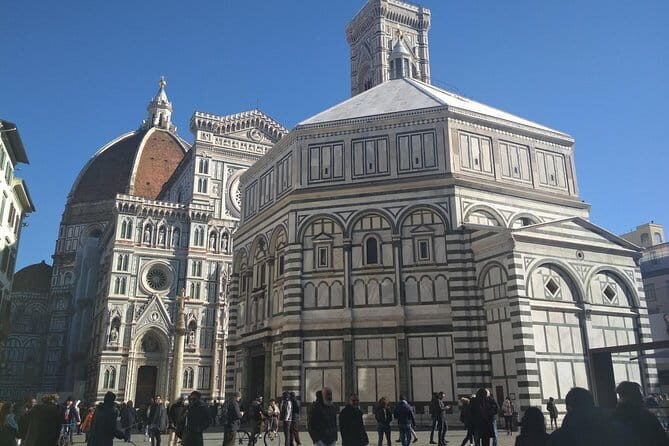
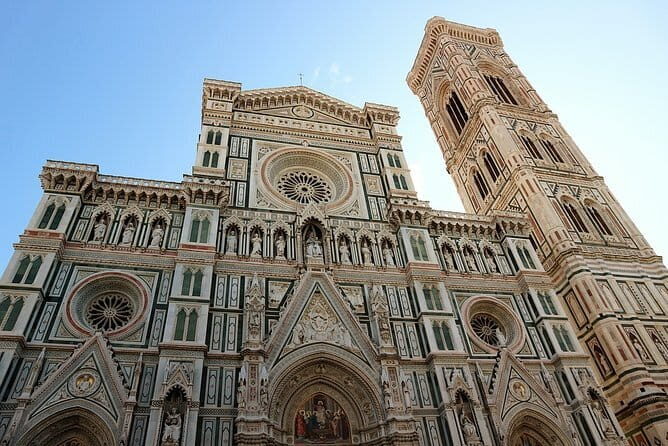
Next comes one of the biggest “wow” zones in Italy. The tour heads to Piazza del Duomo, where you’ll see the Cupola del Brunelleschi (Brunelleschi’s dome), Giotto’s Bell Tower, and the Baptistery of San Giovanni.
What you should take from this stop is the architecture logic. The guide’s talk typically emphasizes the history of the design choices, so the structures start feeling like a connected project rather than three separate monuments.
You’ll also hear about the Baptistery gates, referenced as the Gates of Paradise. Even when you view them from outside, the explanation helps you understand why this baptistery matters in Florence’s civic-religious imagination.
Time-wise, this is one of the stops you’ll want to use well. With a short walking tour, you don’t get long lines or long wandering unless the day is unusually open. So take a quick loop: look up first (dome and bell tower), then glance across the square to connect the buildings visually.
Il Porcellino at the Straw Market: A Tiny Myth With Big Personality
Then it’s on to Fontana del Porcellino, the bronze piglet known for a luck tradition—people rub his nose. It’s brief, but it’s also a classic Florence beat: small, human, and oddly charming amid all the heavyweight art and church architecture.
You’ll find this statue in the Mercato della Paglia area (straw market). The setting helps the tradition feel local rather than staged. In a tour that moves between major monuments, this is the kind of stop that keeps it fun.
Take one minute here for a photo and a moment of the ritual, then move on. Don’t overstay—your next stop is where the square energy really hits.
You can also read our reviews of more guided tours in Florence
- The Best tour in Florence: Renaissance & Medici Tales – guided by a STORYTELLER
★ 5.0 · 12,316 reviews

Piazza della Signoria: Florence’s Outdoor Sculpture Museum Energy
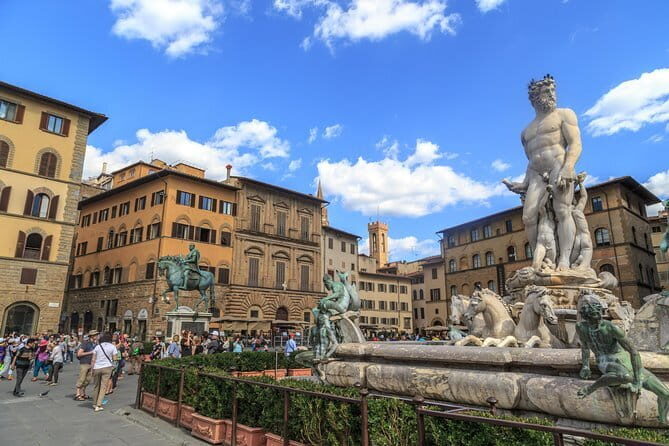
Piazza della Signoria is where Florence flips from “cathedral square” to “civic square.” The tour spends time here so you can see Palazzo Vecchio dominating the scene and get a feel for how public power played out in a public space.
This is also where you’ll spot famous sculptures, including Giambologna’s Rape of the Sabine Women. The point isn’t only that it’s famous. The point is that these works sit in a living square, in front of a government-like palace, surrounded by the everyday noise of modern visitors.
While the tour is timed, you can still use the space strategically:
- Stand where you can see the Palazzo Vecchio massing behind you.
- Look for how the statues align with sightlines in the square.
- Notice the way Florence layers older art into everyday street life.
If you’re the kind of person who likes to understand why a city built what it built where it built it, Signoria is one of the strongest stops.
From Vasari Corridor Views to Ponte Vecchio and Pitti Palace

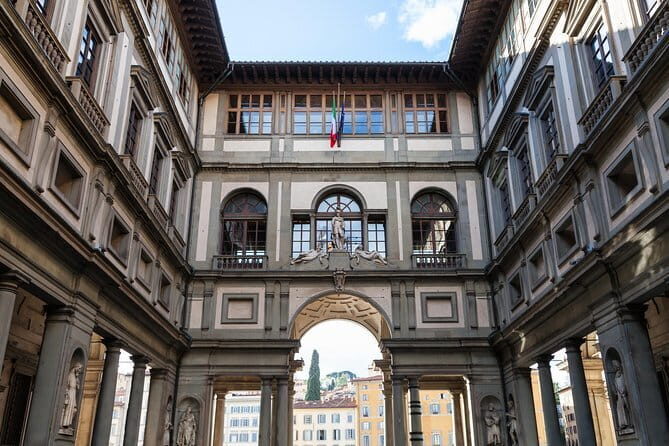
After Piazza della Signoria, the route shifts toward the river-and-palace world. The tour includes an exterior follow of the Vasari Corridor route, including stops near the Uffizi Gallery courtyard area and viewpoints connected to that famous elevated passageway.
You’ll also cross the Arno River and walk along Ponte Vecchio, often called the oldest bridge in Florence. The bridge is visually distinctive, and even in a short walking tour, the guide’s commentary helps you see it as more than a postcard. It becomes part of the city’s story of wealth, movement, and power—again, the same theme, different neighborhood.
Finally, you’ll reach toward the area associated with Pitti Palace. Even if you’re not going inside during the tour, you’ll get the external sense of scale and status.
This is one of those sections where good shoes pay off. The walk is manageable, but you’re on pavement and cobbles at certain stretches. Plan to keep your eyes up and your steps steady.
Medieval Corners After the River: Dante, Badia Fiorentina, Bargello
The tour ends by moving into Florence’s Medieval Quarters—the part of the city that feels older, tighter, and more layered. This section is a good reality check after Renaissance grandness.
You’ll hear about Dante Alighieri, tied to the area where he lived. You’ll also see (or pass by) Badia Fiorentina, described as charming, and the Bargello Palace, noted as austere. That contrast helps you notice how medieval Florence could be both gentle and severe depending on the building purpose—religious, civic, or judicial.
This final segment is a nice way to close the loop: not everything is about the dome and the Medici. Florence also has that older spine of life that existed before the Renaissance wave—and continued alongside it.
The Mobile App: VOX CITY Turns Your Walk Into a Two-Stage Lesson
One of the smartest features here is the companion app. The tour includes access to a self-guided mobile city guide with multilingual audio commentary for itineraries and points of interest.
After the walking portion, you can use VOX CITY to extend your day at your own speed. Practically, that means you can:
- Go back to places you want to re-check
- Fill in gaps the timed walk can’t cover
- Keep the story going without paying for more guided time
You will need your own smartphone and headphones to enjoy the audio after the tour. The tour notes also say you’ll receive the app credentials from an assistant before you start, so it’s worth arriving ready and on time.
Price and Value: Why $30 Can Work Here
At $30.04 per person for about 90 minutes, this is positioned as a low-stress orientation experience. That price point matters in Florence, where you can burn your day on expensive museum tickets if you’re not careful.
Here’s where the value comes from:
- You’re paying for an expert local guide to stitch the city together.
- You’re also getting app access for follow-up learning.
- The walk covers a dense cluster of major sights, so you don’t waste time figuring out what belongs together.
What’s not included is entry to attractions. At the same time, the tour’s stop notes indicate ticket-free admission for certain parts like the Basilica stop and the Duomo complex square. So for your planning, treat it like this: you’ll get excellent viewing and guided context, while any inside access can depend on what’s open and how the route lands that day.
What the Guides Do Well (And What to Watch for)
Most of the praise centers on the guide’s ability to make Florence feel logical. Names that show up in high marks include Marta, Helena, Larisa, Sylvia, Maximilian, and Deborah. The recurring theme is clear: these guides don’t just list facts—they connect the monuments to the Medici story, architectural ideas, and street-level Florence.
You should also watch for the one issue that appears repeatedly: time and pacing when there are two languages. Some groups move slower when the guide switches between languages at each stop. If English is your only language, you’ll feel this more, so mentally plan for slightly less time per location than a pure English-only group would get.
Cold weather can also be a real factor since some stops involve standing and listening. Bring a layer even in shoulder season.
Who This Tour Suits Best
This tour is a strong match if you want:
- A first-day overview with Medici context
- A walk that hits major Florence landmarks without needing a car
- A guided narrative you can continue using later with the app
- A route ending near Ponte Vecchio, so you can keep exploring after
It may be less ideal if you expect heavy interior museum time or long chapel access. The format is a walking introduction, and timed stops mean you’ll mostly be outside or in limited interior areas.
Should You Book This Renaissance & Medieval Florence Walking Tour?
I’d book it if you want to understand Florence quickly, especially on a short trip. The combination of Medici storytelling, a clear route through the Duomo and Signoria zones, and the VOX CITY audio follow-up gives you good value per hour.
I would skip or rethink it if you’re sensitive to slower pacing from multilingual narration or if you’re mainly hunting for deep interior visits. In that case, you’d likely want a more specialized, single-language museum or church-focused plan.
FAQ
Is the tour offered in English?
Yes. The experience is offered in English.
How long is the Renaissance & Medieval Florence Guided Walking Tour?
It runs about 1 hour 30 minutes (approximately).
Where does the tour start and end?
It starts at Via de’ Martelli, 50, 50122 Firenze FI, Italy and ends at Ponte Vecchio, 50125 Firenze FI, Italy.
Do I get tickets or entry included for attractions?
Entry to attractions is not listed as included. However, the tour notes mark some stops as admission ticket free, so what you can access may depend on what’s open and what’s considered ticket-free on the day.
What do I need for the mobile app?
Download the VOX CITY app on your phone (iOS or Android). You’ll also need your own smartphone and headphones to enjoy the audio after the guided tour.
Is there a group size limit?
Yes. The tour has a maximum of 20 travelers.
Is free cancellation available?
Yes. You can cancel up to 24 hours in advance for a full refund.
If you tell me your travel dates and whether you want mostly churches, mostly art, or a mix, I can suggest how to pair this walk with the best next stops for your style.
You Might Also Enjoy


More Walking Tours in Florence


More Tours in Florence
- The Best tour in Florence: Renaissance & Medici Tales – guided by a STORYTELLER
★ 5.0 · 12,316 reviews



More Tour Reviews in Florence
- Tuscany Day Trip from Florence: Siena, San Gimignano, Pisa and Lunch at a Winery
★ 5.0 · 21,634 reviews - The Best tour in Florence: Renaissance & Medici Tales – guided by a STORYTELLER
★ 5.0 · 12,316 reviews