REVIEW · FLORENCE
Florence: Private Guided Walking Tour
Book on GetYourGuide →Operated by Ciaoflorence Tours & Travel · Bookable on GetYourGuide
Florence rewards slow feet. On this private 3-hour walk, your guide threads the Renaissance through real streets, from Duomo Square to Ponte Vecchio and the House of Dante. You’ll cover the Medieval District in a way that feels like someone is turning on lights along the route.
I love how the stops connect art, sculpture, and power in places like Piazza della Signoria and the Loggia dei Lanzi. You get to look at original statues attributed to Cellini and Giambologna, then understand why they mattered right there in public view. I also love the stop at the House of Dante, tied to where the Divine Comedy was written.
One thing to consider: this experience does not include entrance to churches or museums, so plan for outside viewing and street-level context. If you want to go inside specific sites, you’ll need separate tickets.
In This Review
- Key highlights you’ll feel on the walk
- Why this Florence walk works so well in 3 hours
- Pickup and first steps: starting right where you stay
- Duomo Square: architecture you can understand while you’re standing there
- From the Medieval District to Ponte Vecchio: the bridge moment
- Piazza della Signoria and Palazzo Vecchio: where Florence shows its power
- Loggia dei Lanzi: original statues by Cellini and Giambologna
- Uffizi colonnade: using the outside view like a map
- The House of Dante: where the Divine Comedy connects to place
- Vasari Corridor: the secret-style connection between Vecchio and Pitti
- Pitti Palace area: seeing the Renaissance spread out
- Price and value: $341 per group up to 8
- Who this tour suits best (and who should be cautious)
- My quick “should you book it” call
- FAQ
- What’s the duration of the Florence private guided walking tour?
- How much does the private tour cost?
- Is this a private tour or a group tour?
- What sights will I see during the walk?
- Does the tour include entrance to churches or museums?
- What’s included in the price?
- Is pickup included?
- What languages are available for the live guide?
- Is the tour wheelchair accessible?
Key highlights you’ll feel on the walk
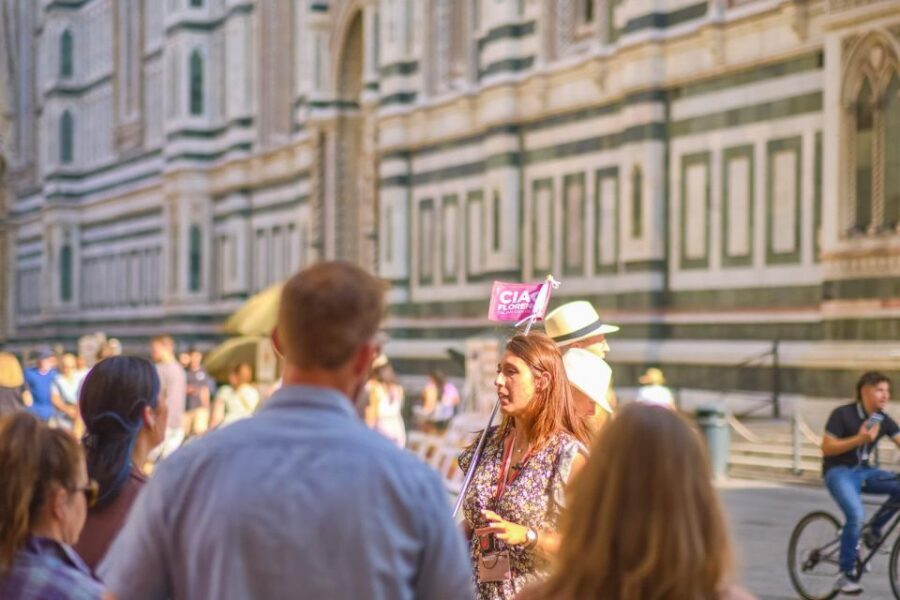
- Private group up to 8 keeps the pace flexible and the questions personal
- Pickup at your hotel or apartment entrance means less hunting at the start
- Duomo Square + Giotto’s Bell Tower + Brunelleschi’s Cupola get explained as you’re standing there
- Ponte Vecchio is part of the route, with photo-friendly moments on the oldest bridge in the city
- Loggia dei Lanzi lets you spot original statues by Cellini and Giambologna without adding museum time
- Dante stop and Vasari Corridor route connect famous works to the streets and buildings around them
Why this Florence walk works so well in 3 hours
This is the kind of tour that helps you get your bearings fast—without feeling rushed. You’re not bouncing between random spots; you’re moving along a logical Renaissance corridor, guided by stories that make buildings make sense.
I like that you spend time on the Medieval District and the places where Florence’s artistic heritage showed up in public space. It’s especially useful if this is your first visit and you want a quick “map in your head” by the end.
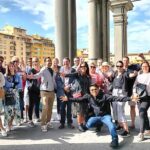
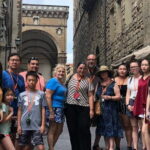
And because it’s private, your guide can steer the tone toward what matters to you—art, symbolism, architecture, or just great photo angles. In one example, guide Larla was patient and accommodating, letting the group deviate for gelato and extra photo stops.
You can also read our reviews of more walking tours in Florence

Pickup and first steps: starting right where you stay
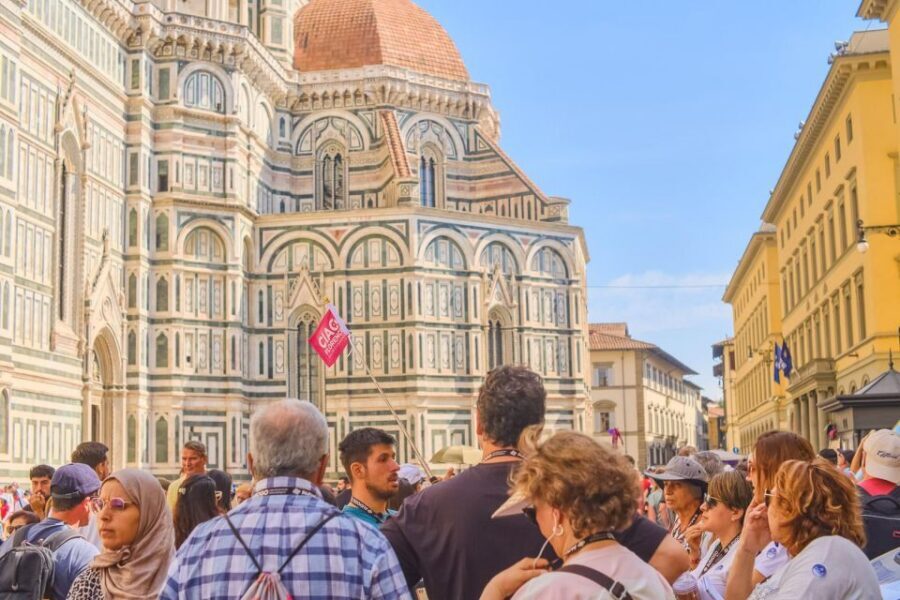
You get picked up on foot at your hotel or apartment’s main entrance. That sounds small, but it matters in Florence where meeting points can eat time and energy.
Before you start, I’d have your exact address handy and a clear sense of what main entrance looks like. If your building has multiple doors or a tight courtyard entrance, taking a quick moment to confirm the right spot will prevent awkward delays.
The tour runs with live guidance in Italian, Spanish, English, or French, so you can pick the language that matches how you like to receive details. This matters for a walking tour because you’re constantly hearing explanations while you’re physically looking at the buildings.
Duomo Square: architecture you can understand while you’re standing there
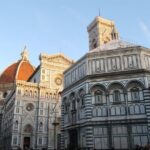
Your walk builds dramatic momentum right at Duomo Square. You’ll be able to feel why this area is the center of attention in Florence—the cathedral complex isn’t just impressive, it’s a whole visual argument in stone.
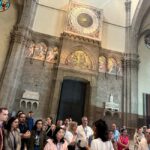
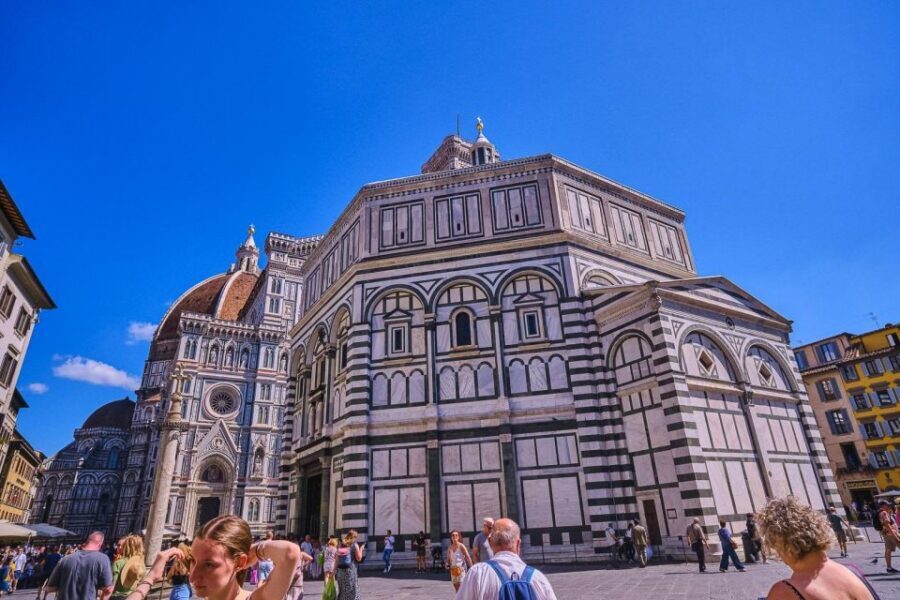
Your guide talks through the Cathedral construction, the Baptistery, Giotto’s Bell Tower, and Brunelleschi’s Cupola. Seeing these elements in one flow is the key here: instead of treating each landmark like an isolated postcard, you start to understand how they relate as a coordinated masterpiece.
Practical note: since entrances aren’t included, the value is in learning what you’re looking at from the outside. That works well if you want orientation and context, not if you’re specifically hunting for interior highlights.
From the Medieval District to Ponte Vecchio: the bridge moment
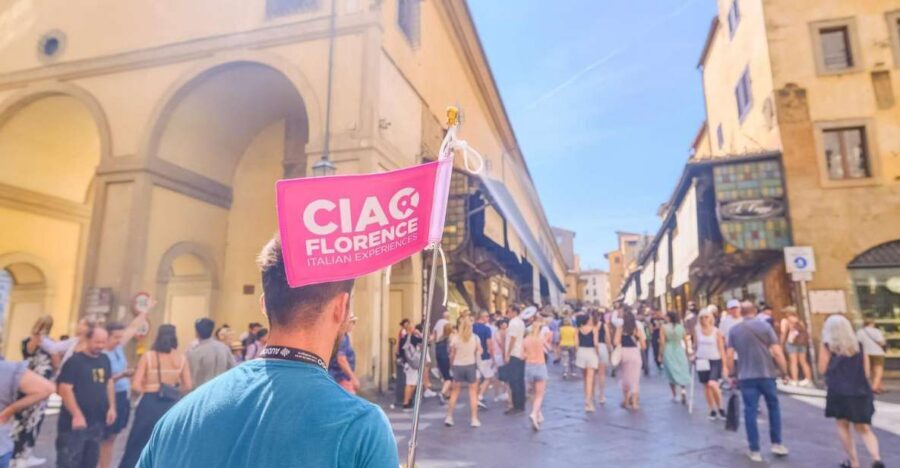
After Duomo Square, you head through Florence’s Medieval District, and eventually reach Ponte Vecchio. This is one of those street stretches where the guide’s storytelling changes how you see the space.
Ponte Vecchio is described as the oldest bridge in the city, and you’ll cross it as part of the route. That makes it more than a photo stop—it becomes a moving viewpoint, letting you watch the river-side setting shift as you walk.
If you like taking pictures, plan for short pauses. One reason Larla impressed is that she made room for extra photo ops and didn’t punish the group for wanting a few more angles.
Piazza della Signoria and Palazzo Vecchio: where Florence shows its power
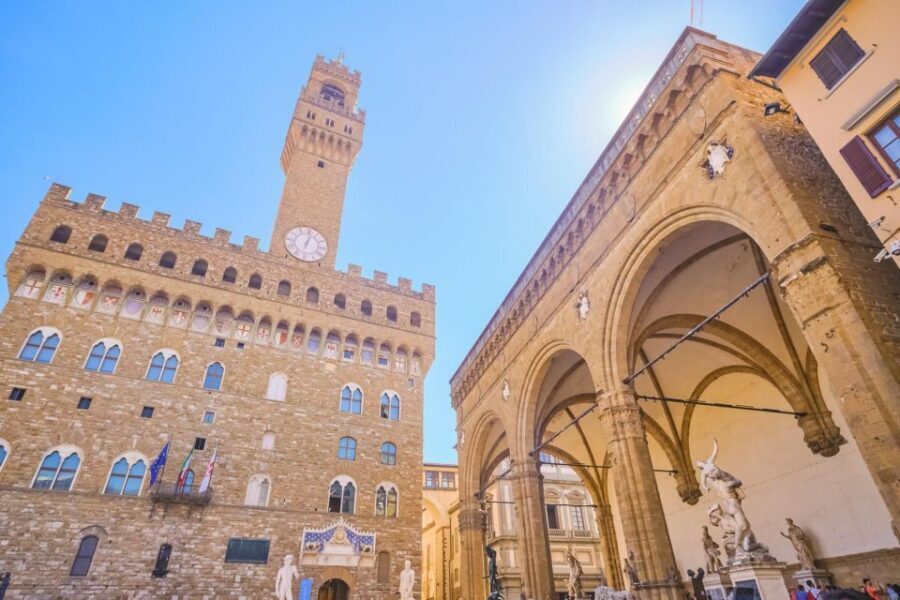
Next up is Piazza Della Signori, set up like an outdoor museum where major buildings make their statements in public. You’re standing in a place designed to be seen—and your guide helps you read what that means.
Palazzo Vecchio is a central anchor in the square, and you’ll stop and look at it in context. Even without entering, you can understand the atmosphere: this is a square built for attention, debate, and display.
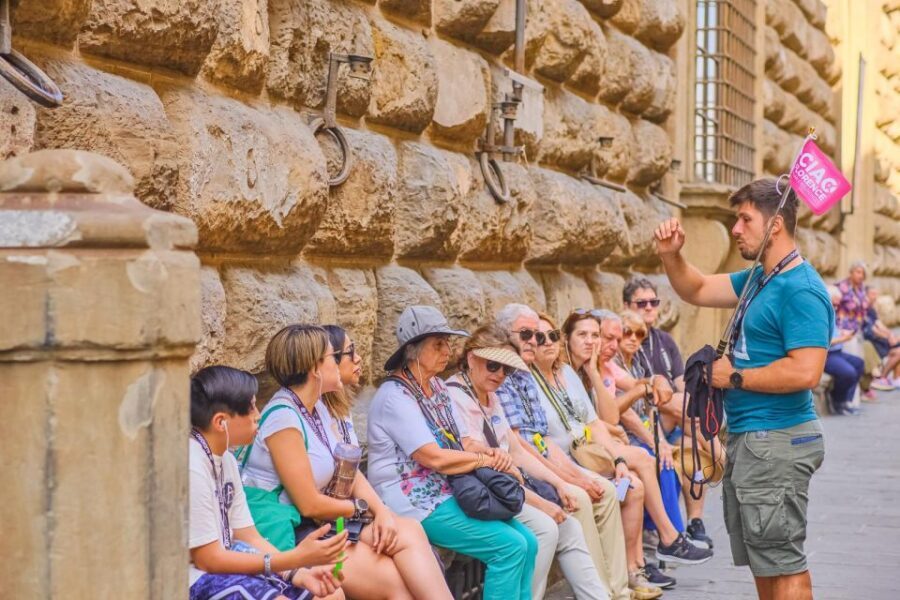
This stop is also where the tour’s “anecdote style” is most useful. A good guide turns architecture into a story about who had influence, what people valued, and why certain art ended up where it did.
You can also read our reviews of more guided tours in Florence
- The Best tour in Florence: Renaissance & Medici Tales – guided by a STORYTELLER
★ 5.0 · 12,316 reviews

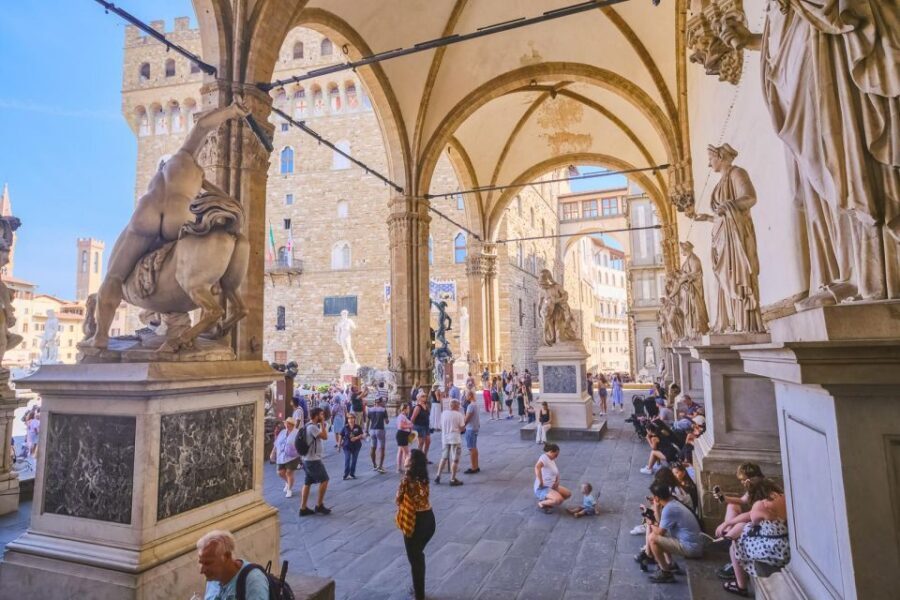
Loggia dei Lanzi: original statues by Cellini and Giambologna
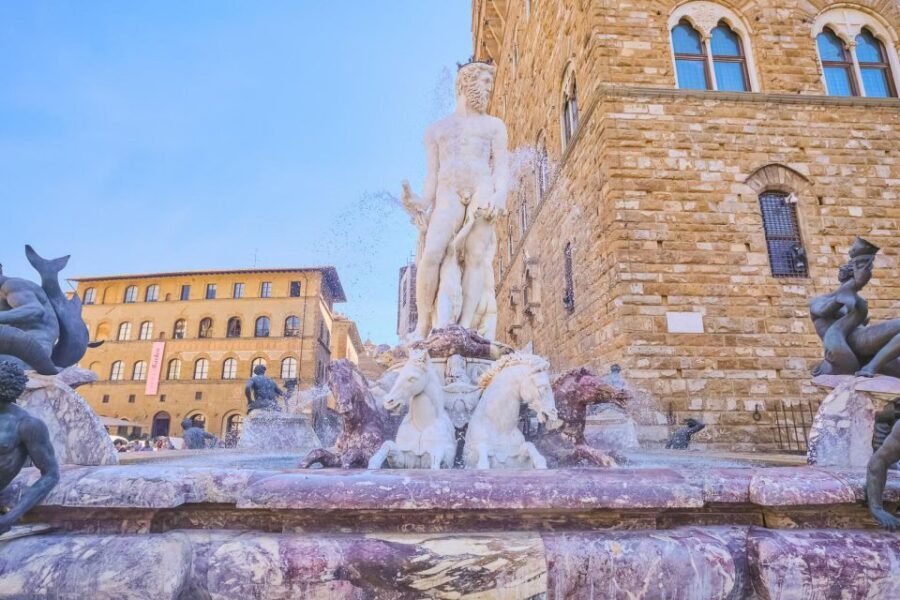
One of my favorite parts of this route is the Loggia dei Lanzi. You’re not just passing by; you’re set up to look closely at sculptures in a setting made for viewing.
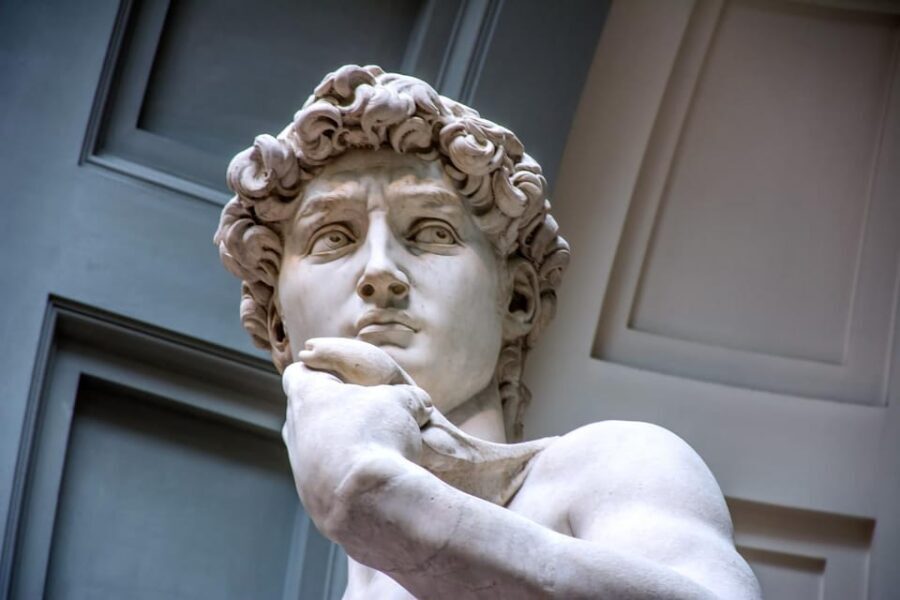
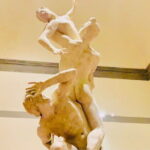
The tour highlights a vast collection of original statues by artists such as Cellini and Giambologna. Knowing the names while you’re looking makes the experience feel more grounded. You’re not staring at generic monuments; you’re linking specific creators to the public space they inhabit.
This is also a nice pacing break. It gives you a chance to slow down, compare details, and let the guide explain what you should notice.
Uffizi colonnade: using the outside view like a map
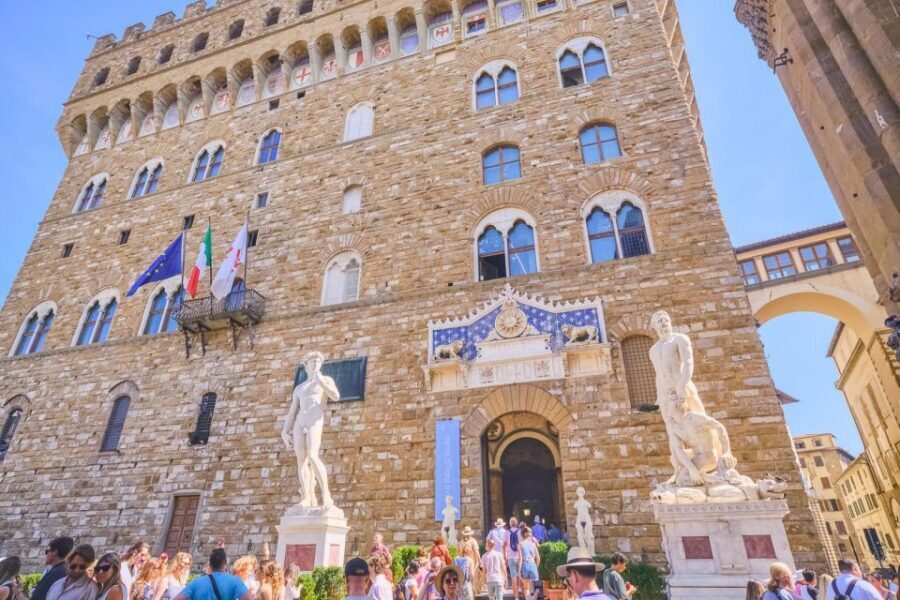
You’ll walk through the colonnade of the Uffizi Gallery. Even though entrance to museums isn’t included, the colonnade is still a strong architectural moment—and it helps you understand how Florence’s art world is built right into the city.
Why this matters: in Florence, so many landmark names are museum-based, and it’s easy to feel like you need a ticket to “count” the experience. This tour keeps the focus on what you can see and understand on the street—so you still get the Renaissance references without extra add-ons.
Think of it as a visual preface. You come away with a clearer sense of where the art tradition lives, and where the city’s major institutions sit in real urban space.
The House of Dante: where the Divine Comedy connects to place
This tour includes a stop at the House of Dante. It’s presented as the spot where Dante wrote the Divine Comedy, which gives the whole experience an added emotional charge.
The practical value is how your guide ties literature to the geography you can walk. When you connect a famous work to a street corner, it stops feeling like a school assignment and starts feeling like a real part of the city.
Since entrance isn’t included, your experience here is about context and location. You’ll leave knowing why this site carries weight and how it fits into the broader Renaissance narrative you’ve been tracing.
Vasari Corridor: the secret-style connection between Vecchio and Pitti
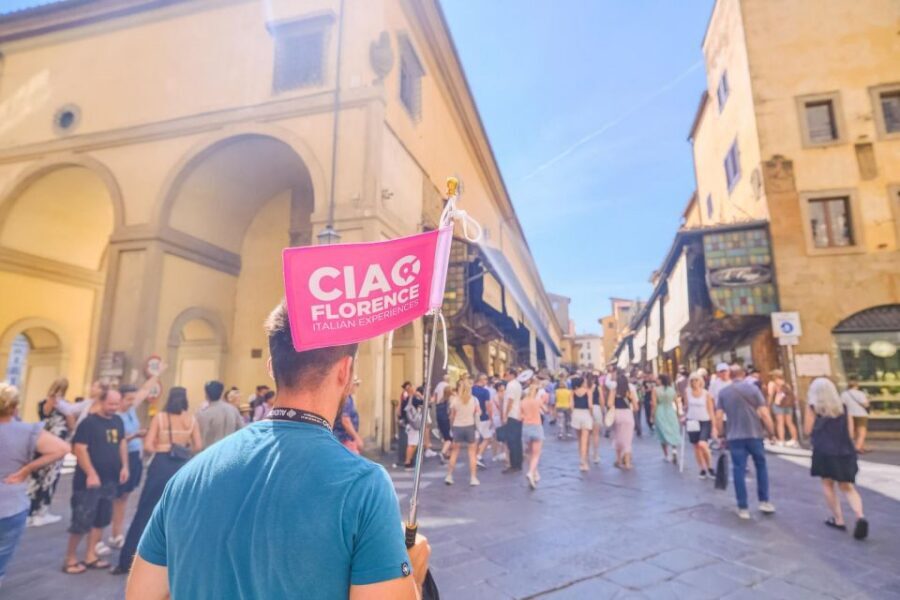
One of the more interesting mentions on this route is the Vasari Corridor. Your guide explains the twisty corridor that connects Palazzo Vecchio to Pitti Palace.
Even if you don’t enter anywhere (entrances aren’t included), learning how this passage links major power centers changes how you interpret the city layout. It’s a reminder that Florence’s art and architecture weren’t just meant for viewing from one place—they were designed for movement, access, and status.
I like these “less obvious” threads because they add variety after you’ve seen the big-ticket icons. This stop also tends to spark questions, and a private guide is ideal for that.
Pitti Palace area: seeing the Renaissance spread out
Your route includes a look at Pitti Palace as part of the story web. Since the Vasari Corridor links Palazzo Vecchio to Pitti Palace, you get an extra layer of meaning when you reach this side of the city.
You’re not just collecting famous names; you’re seeing how Florence’s main artistic and political centers connect. That makes the walk feel more like a guided understanding than a checklist.
If you enjoy photo stops, this portion is typically where your camera will earn its keep. The palace area is the kind of setting where even a quick pause produces a strong frame.
Price and value: $341 per group up to 8
Let’s talk money like adults. This tour costs $341 per group up to 8 people, for a 3-hour private walking experience.
If you’re booking with a full group of 8, that’s roughly $43 per person—reasonable for a private guide covering a concentrated set of high-impact sights. If you’re booking as two or three people, the per-person cost jumps a lot, so the value depends on whether you want the privacy and flexibility more than a lower-cost group option.
What makes it feel worth the price is the mix of major landmarks and specific, explained details: Duomo Square architecture elements, Ponte Vecchio, Piazza della Signoria, Loggia dei Lanzi statues, Uffizi colonnade viewing, and the Dante and Vasari Corridor connections. Add pickup at your door and a guide who can adjust, and you’re paying for time, attention, and the ability to ask questions while you walk.
Who this tour suits best (and who should be cautious)
This is ideal for you if you want a focused Renaissance overview in a limited time window. It’s also a great match if you like context—why a place matters, not just that it’s famous.
Because it’s a walking tour, comfortable shoes matter. Your guide will keep you moving between sites, and some streets in the historic center can be uneven.
Accessibility notes are a bit mixed in the provided info: it’s listed as wheelchair accessible, yet it also states it’s not suitable for people with mobility impairments. If accessibility is a factor for you, treat that as a signal to verify the walking demands with the provider before you book.
My quick “should you book it” call
I’d book this tour if you want a private, 3-hour route that ties Florence’s biggest names together with on-the-ground explanations. The combination of Duomo Square, Dante’s House stop, Ponte Vecchio, Piazza della Signoria, Loggia dei Lanzi statues, and the Vasari Corridor connection gives you a memorable storyline without needing museum entrances.
You might skip it if you’re only interested in inside visits to churches or museums, because entrances aren’t included. You’ll get a strong street-level education, but you won’t be touring interiors as part of this package.
If your group likes flexibility, this tour has a track record of accommodating it—Larla’s willingness to bend for gelato and extra photo moments is exactly the kind of service you’ll appreciate in real life.
FAQ
What’s the duration of the Florence private guided walking tour?
The tour lasts 3 hours.
How much does the private tour cost?
The price is $341 per group, up to 8 people.
Is this a private tour or a group tour?
It’s a private group tour.
What sights will I see during the walk?
You’ll cover Duomo Square, Piazza Della Signori, the House of Dante, Ponte Vecchio, the Uffizi Gallery colonnade, Loggia dei Lanzi, and you’ll also learn about the Vasari Corridor connection between Palazzo Vecchio and Pitti Palace.
Does the tour include entrance to churches or museums?
No. Entrance to churches or museums is not included.
What’s included in the price?
A local tour guide and the private walking tour are included.
Is pickup included?
Yes. Your private guide will pick you up on foot at your hotel or apartment’s main entrance.
What languages are available for the live guide?
The tour is available in Italian, Spanish, English, and French.
Is the tour wheelchair accessible?
The information provided says it’s wheelchair accessible, but it also notes it is not suitable for people with mobility impairments. It’s best to confirm the walking demands with the provider before booking.
You Might Also Enjoy


More Walking Tours in Florence


More Tours in Florence
- The Best tour in Florence: Renaissance & Medici Tales – guided by a STORYTELLER
★ 5.0 · 12,316 reviews

More Tour Reviews in Florence
- Tuscany Day Trip from Florence: Siena, San Gimignano, Pisa and Lunch at a Winery
★ 5.0 · 21,634 reviews - The Best tour in Florence: Renaissance & Medici Tales – guided by a STORYTELLER
★ 5.0 · 12,316 reviews