REVIEW · FLORENCE
Skip-the-Line Accademia Guided Visit: David Secrets and Beyond
Book on Viator →Operated by CAF Tour and Travel · Bookable on Viator
Michelangelo’s David, minus the crowd panic. This skip-the-line Accademia guided visit turns a chaotic museum day into a focused art route, built around the big moment: David, plus Michelangelo’s unfinished works. You’ll get a guaranteed time entry ticket and headsets so the story stays audible even when the gallery gets loud.
What I like most is the way the visit is structured. In about an hour you get the core Michelangelo pieces—I Prigioni and San Matteo—and you also get oriented enough to continue through the museum on your own after the guide leaves.
The main drawback to watch for is audio quality. Some people report headsets that cut in and out, and on noisy days your ability to hear will depend on how well the earphones are functioning and how close you are to your guide.
In This Review
- Key highlights worth clocking
- Accademia in 1 hour: why this guided plan makes sense
- Getting in fast: timed entry and the Via Ricasoli meeting point
- The Michelangelo route: David, Prigioni, and San Matteo up close
- Beyond David: where the Renaissance collection fits in
- Headsets, pace, and group size: hearing matters in crowded rooms
- Price and value: what $58.87 buys you in real time
- When to go: morning timing, comfort, and heat reality
- Should you book this David-focused Accademia tour?
- FAQ
- How long is the Accademia guided visit?
- Where do we meet for the tour?
- Is the tour offered in English?
- What’s included in the price?
- Can I stay in the museum after the guided part ends?
- How big is the group?
Key highlights worth clocking
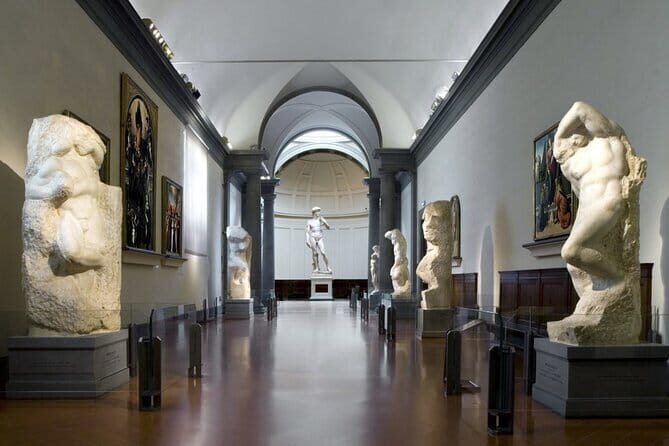
- Guaranteed timed entry saves you time at one of Florence’s busiest museums
- Earphones/headsets included so you can follow the guide’s explanations in real time
- Michelangelo’s unfinished sculptures (I Prigioni and San Matteo) show the craft behind the masterpiece
- Up-close David details—muscles, veins, and the scale of the Carrara marble block
- 1-hour guided route with a small group cap (max 19) and time to continue independently
- English-guided options (with seasonal language flexibility)
Accademia in 1 hour: why this guided plan makes sense
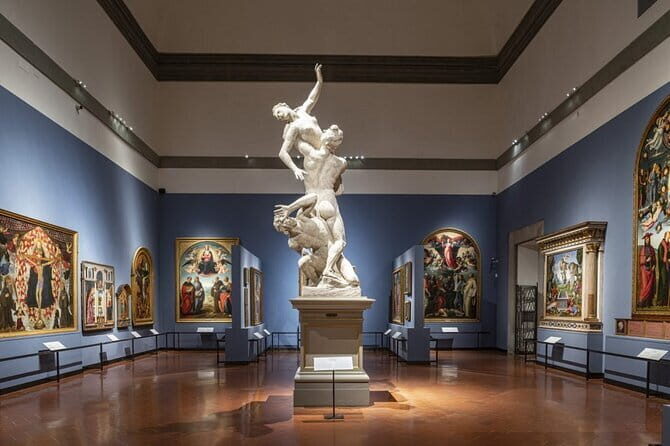
If your Florence schedule is tight, this is the right kind of “high-impact” tour. The Accademia can eat time—lines, room-to-room wandering, and the temptation to stare at David for 20 minutes until you forget lunch exists. Here, the guide route is built to hit the true anchor pieces without turning your day into a maze.
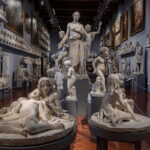
This visit is centered on Michelangelo, but it’s not only about the statue. You’ll also look at key unfinished works—I Prigioni and San Matteo—and then move on to other Renaissance artists represented in the museum collection (including names like Botticelli, Lippi, and Orcagna). The result is a guided experience that helps you understand what you’re seeing, then gives you permission to keep exploring after.
You can also read our reviews of more guided tours in Florence
- The Best tour in Florence: Renaissance & Medici Tales – guided by a STORYTELLER
★ 5.0 · 12,316 reviews
Getting in fast: timed entry and the Via Ricasoli meeting point
The biggest practical win is that you meet the guide right outside the museum area and use a guaranteed time entry ticket. Your ticket is delivered directly at the meeting point by an assistant, so you’re not scrambling last minute at the ticket booths.
Plan to arrive at Via Ricasoli, 68 (50122 Firenze FI). And do not treat the check-in time as a vague suggestion. If you’re late, the tour may not be possible to join, and there’s no refund or reschedule mentioned for delays. That rule matters because the gallery crowds can make “we’ll be there soon” turn into “we missed it” fast.
Also note a realistic expectation: even when you skip the longer line, entry can still involve short waiting depending on crowd flow. The way to beat that is simple—choose an early timeslot if you can, especially in peak season.
The Michelangelo route: David, Prigioni, and San Matteo up close
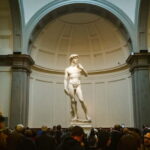
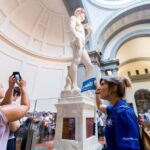
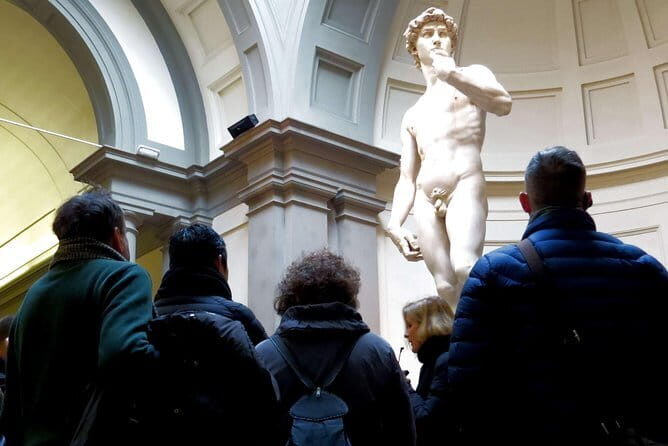
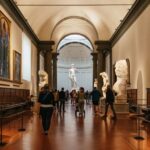
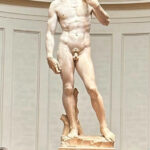
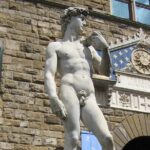
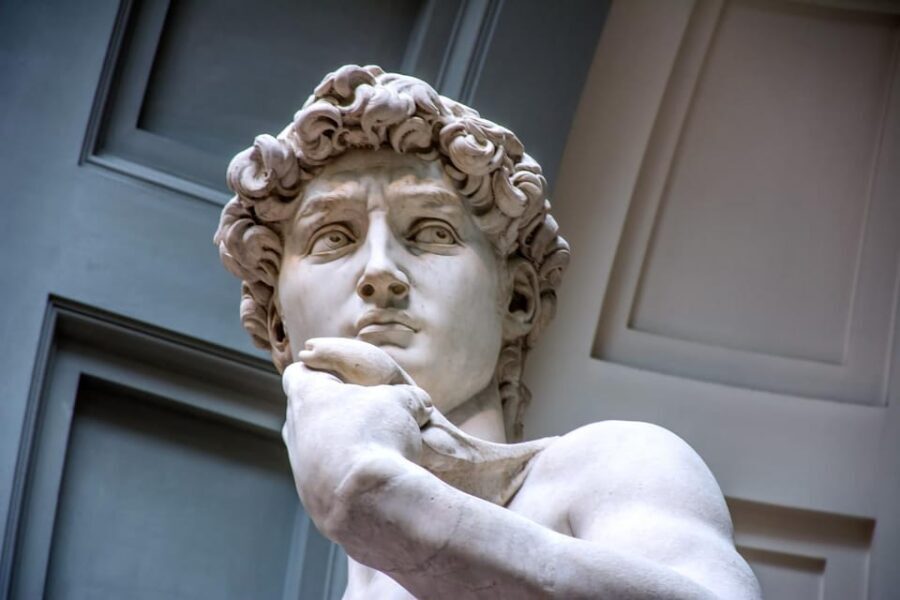
The guided portion starts at the Galleria dell’Accademia with a focus on Michelangelo’s most famous work: David. You’ll learn how Michelangelo created the figure in Carrara marble, working while he was still very young—in his twenties—and carving it from a huge block of rough stone over several years (three years is the figure given for David).
Then the tour helps you see David correctly. It’s easy to treat it like a poster image. Your guide pushes you to notice how the biblical hero’s body reads—lifelike outlines of muscles and veins—and how the sculpture’s scale changes how you experience it. If you can, look up for those details rather than only standing at eye level.
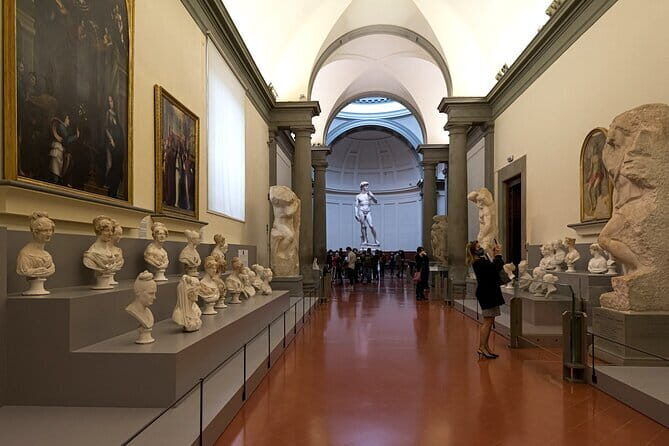
Next comes the power of seeing the works that didn’t turn into finished perfection: I Prigioni and San Matteo. These unfinished sculptures matter because they show the thinking in stone—what’s already released, what’s still locked in the marble, and how Michelangelo used the material’s natural shapes as part of the artwork.
You also spend time with another named highlight in the museum route: the Palestrina Pietà. This helps balance the intensity of the nude figure with religious and narrative art you’ll see throughout the gallery.
Beyond David: where the Renaissance collection fits in
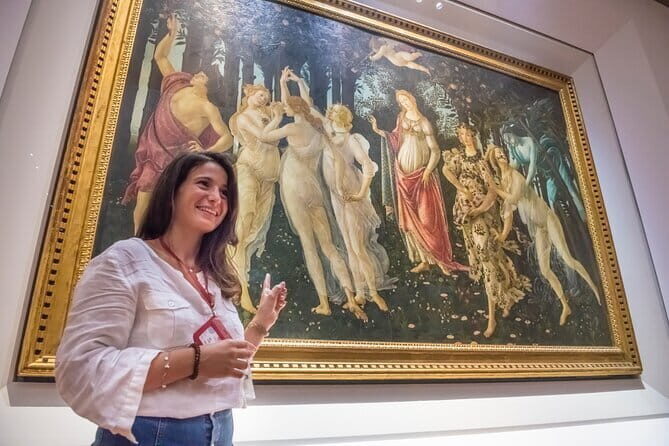
After David, you keep moving through other Renaissance artwork in the museum. The tour specifically points you to works tied to major names such as Botticelli, Lippi, and Orcagna. That’s useful because it prevents the classic mistake of leaving the Accademia knowing one sculpture and nothing else.
One practical way to get value from that part of the tour is to let the guide set the framework, then use the rest of the time to choose what fits you. You’ll be able to continue independently after the guided visit ends, so you can linger longer where your attention goes.
Depending on how you wander after the tour, you may notice additional layers in the museum. One common theme in the Accademia is that religious art appears alongside Renaissance masterpieces, so if you’re the type who likes contrast—classical vs. devotional—you may end up spending extra time beyond the guided highlights.
Headsets, pace, and group size: hearing matters in crowded rooms
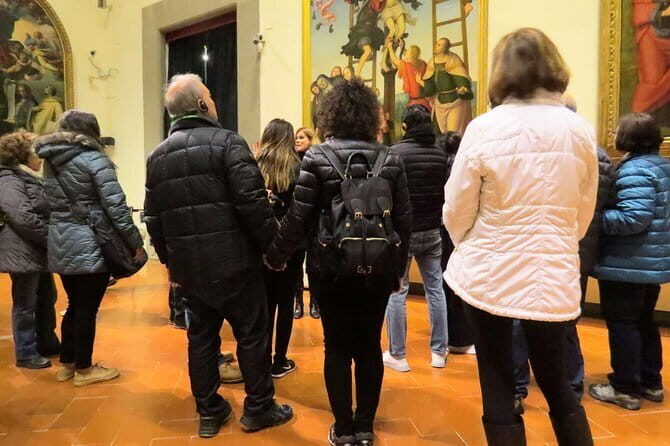
This tour includes earphones, and that’s a big deal at the Accademia. When galleries are packed, it’s hard to hear even a strong voice, and the guide’s explanations are often the difference between seeing art and understanding why it matters.
The tour runs with a maximum of 19 people. That keeps things manageable, and in many cases makes the route feel smoother than a big bus-group scramble. Still, audio issues can happen. Some people reported headsets going in and out, and a few mentioned difficulties hearing clearly enough to catch everything.
Here’s how you can reduce the risk:
- Stand in a place where you’re not blocked by taller visitors.
- If the sound cuts out, ask the assistant to troubleshoot right away during the tour.
- If you’re sensitive to audio quality, consider arriving with your own attention habits: face the guide, not the crowd.
Guides you might encounter in real-world departures include names like Fredericka, Chiara, or Elissa. The common thread in the experiences shared is that the guide’s delivery style can make the tour either smooth and enjoyable—or frustrating if you can’t hear.
You can also read our reviews of more tours and experiences in Florence

Price and value: what $58.87 buys you in real time
At $58.87 per person, you’re paying for more than a ticket. The price includes museum admission, a reservation fee tied to guaranteed time entry, and the guided visit itself with a local professional guide. You also get earphones and the help of an assistant at the meeting point delivering your entry ticket.
In practical terms, you’re buying time and stress reduction. The Accademia is the kind of museum where you can lose 30 to 60 minutes to lines and crowd choreography if you arrive without a plan. If your Florence itinerary is compact, that saved time can be worth far more than the headline price.
This is also a good “value” purchase because the guide’s job is to give you interpretive hooks for what you’re seeing. With Michelangelo, context changes how you perceive details—unfinished work included. If you were going solo, you’d either be depending on signage (hit-or-miss) or reading a guidebook while other people block your view.
That said, this tour may be less worth it if you already know you only want David and you’re okay moving at your own pace. But if you want to understand the sculpture choices and how the museum’s collection connects, the guided structure justifies the cost.
When to go: morning timing, comfort, and heat reality
Timing is one of the best upgrades you can make here. If you can, go early in the day. Crowds build as the morning turns into afternoon, and the experience becomes more about traffic than art.
Comfort matters too. Wear shoes you can walk in for a full museum loop, even if the guided segment is around an hour. The tour also indicates no health restrictions are needed for participation, but it doesn’t mean your comfort won’t be affected by typical Florence conditions.
One real-world note: during hot weather, some visitors have mentioned issues with air conditioning. I can’t promise every day runs the same, but I’d treat summer Florence as a hydration-and-sunscreen situation. Early timing plus a bottle of water can keep the museum portion from feeling like a survival game.
Should you book this David-focused Accademia tour?
Book it if you want a fast, structured way to see the Accademia’s core Michelangelo highlights and you’d rather spend your energy on the art than on figuring out timing, lines, and what to look for. It’s especially smart if:
- you’re visiting for the first time and want a guide to set the frame,
- you want David plus the unfinished works (I Prigioni and San Matteo),
- you prefer a small group experience capped at 19,
- you like having headsets so you can actually follow the commentary.
Skip it (or consider a self-guided timed entry) if you’re mainly chasing one sculpture and you’re comfortable reading labels and figuring out the museum flow without guided interpretation. Also consider passing if you’re very picky about audio quality, given that some participants have reported headset problems.
If your goal is the best use of a limited day in Florence, this tour is a solid bet: you get guaranteed time entry, a focused Michelangelo walkthrough, and enough breathing room afterward to linger where you care most.
FAQ
How long is the Accademia guided visit?
The guided visit runs about 1 hour, and your museum time continues after the tour ends if you want to explore on your own.
Where do we meet for the tour?
The meeting point is Via Ricasoli, 68, 50122 Firenze FI, Italy. The activity ends back at the meeting point.
Is the tour offered in English?
Yes. The tour is offered in English. Seasonal notes indicate April to October is monolingual, and in November to March the guided service may be in two languages.
What’s included in the price?
Your ticket includes museum admission with reservation/guaranteed entry time, earphones to follow the guide, assistance at the meeting point, and a local professional guide.
Can I stay in the museum after the guided part ends?
Yes. After the guided tour you can continue exploring the museum independently for as long as you wish.
How big is the group?
The tour has a maximum group size of 19 travelers.
You Might Also Enjoy

More Skip the Line in Florence

More Guided Tours in Florence
- The Best tour in Florence: Renaissance & Medici Tales – guided by a STORYTELLER
★ 5.0 · 12,316 reviews
More Tour Reviews in Florence
- Tuscany Day Trip from Florence: Siena, San Gimignano, Pisa and Lunch at a Winery
★ 5.0 · 21,634 reviews - The Best tour in Florence: Renaissance & Medici Tales – guided by a STORYTELLER
★ 5.0 · 12,316 reviews