REVIEW · FLORENCE
Skip-the-Line Accademia Tour – See Michelangelo’s David!
Book on GetYourGuide →Operated by FLORENCE TOURS - ENJOY BIKING · Bookable on GetYourGuide
Florence is one of those cities where one statue can steal your whole day. This skip-the-line Accademia tour is built for exactly that kind of moment, with expert guidance in one focused hour. You’ll move quickly through the museum highlights instead of losing time in crowd shuffle, then leave with a clearer story for what you saw.
I especially like the way the guide turns marble and paint into something you can actually follow. The David itself lands in a short window, so you see it close-up without the usual museum fatigue. I also like the small group size (limited to 9) because it keeps the pace human and the questions possible.
The main consideration is that a one-hour format means you won’t see everything in the Accademia. If you’re the type who wants to linger on every religious painting detail, you might feel a little rushed.
In This Review
- Quick Hits: what makes this David tour work
- Fast-Track into Accademia: what skipping the line buys you
- Cavour 21 red to your first rooms: short walk, clear start
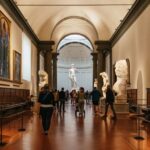
- Hall of Prisoners: seeing Michelangelo’s process, not just the final product
- The big moment: Michelangelo’s David up close
- Musical Instruments Museum: Stradivari and the Medici connection
- Paintings and altarpieces: how Florence’s style shifts show up in one tour
- Price and value: is $70 worth one hour at the Accademia?
- Timing, pacing, and what you can realistically expect
- Who should book this David tour
- Should you book this skip-the-line David experience?
Quick Hits: what makes this David tour work
- Separate entrance fast-track: you’re set up to bypass the longest waiting lines outside.
- Hall of Prisoners stop: unfinished sculptures let you see Michelangelo’s thinking, not just the finished fame.
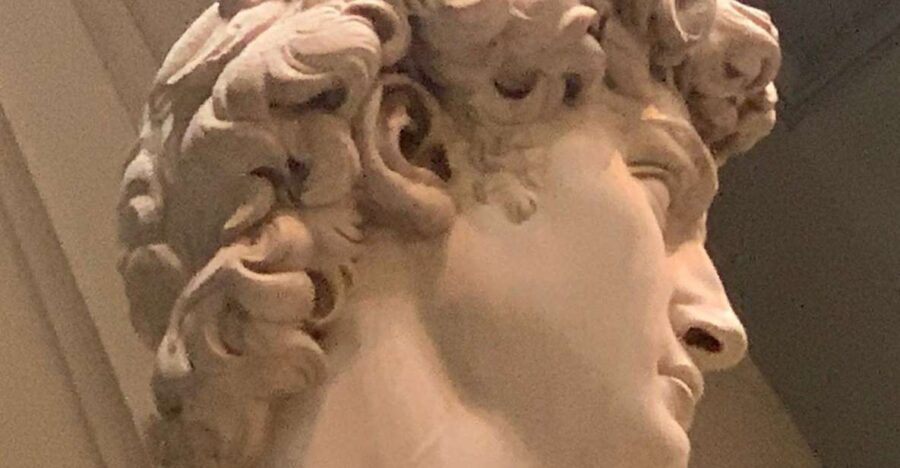
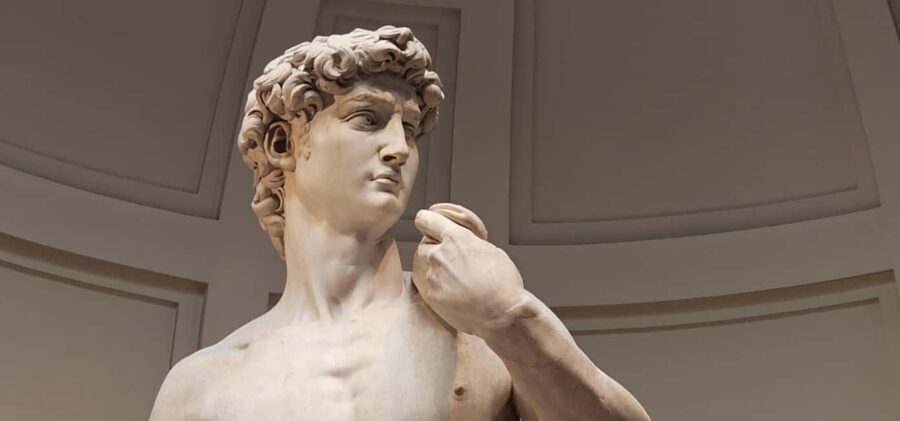
- David up close: the guide frames scale and symbolism so it hits harder than a quick glance.
- Musical Instruments Museum added in: you get Stradivari instruments and Medici-related pieces in the same hour.
- English live guide + audio equipment: you hear the story clearly as you move through rooms.
- High consistency with guides: names like Julia, Elizabeth, Francesca, Elia, and Laura show up often in strong feedback for storytelling.
Fast-Track into Accademia: what skipping the line buys you
In Florence, lines are part of the experience—until they start eating your day. The big advantage here is the skip-the-line access through a separate entrance, so you can get inside when the museum flow is heavy. For a one-hour tour, that time-saving matters. You spend less time standing still and more time looking at art.
The other practical win is momentum. Because you’re not arriving at “start of queue chaos,” you can settle faster once you’re in. And with audio equipment included, you’re not relying on squeezing close to hear your guide.
One small note for planning: a few people have reported short entry waits even with fast-track. That can happen when museum staffing or room flow gets tight. Still, the overall design is clearly meant to cut the worst of the exterior crowd time.
You can also read our reviews of more tours and experiences in Florence

Cavour 21 red to your first rooms: short walk, clear start
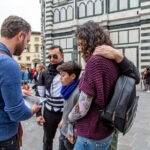
You meet at via Cavour 21 red (between 11 black and 13 black), and then the group does a brief on-foot transfer to the museum area. That short walk matters because it helps everyone gather before the guide starts the “this is what you’ll look for” briefing.
The tour runs with limited group size (up to 9), so you’re not stuck shoulder-to-shoulder. In a museum with narrow sightlines, that small-group structure is the difference between actually seeing details and just trying to survive the crowd.
You’ll also get a photo stop right as the tour begins. It’s a small thing, but it helps you grab the first defining view without hunting for the best angles while also trying to track the guide’s next movement.
Hall of Prisoners: seeing Michelangelo’s process, not just the final product
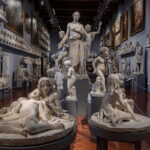
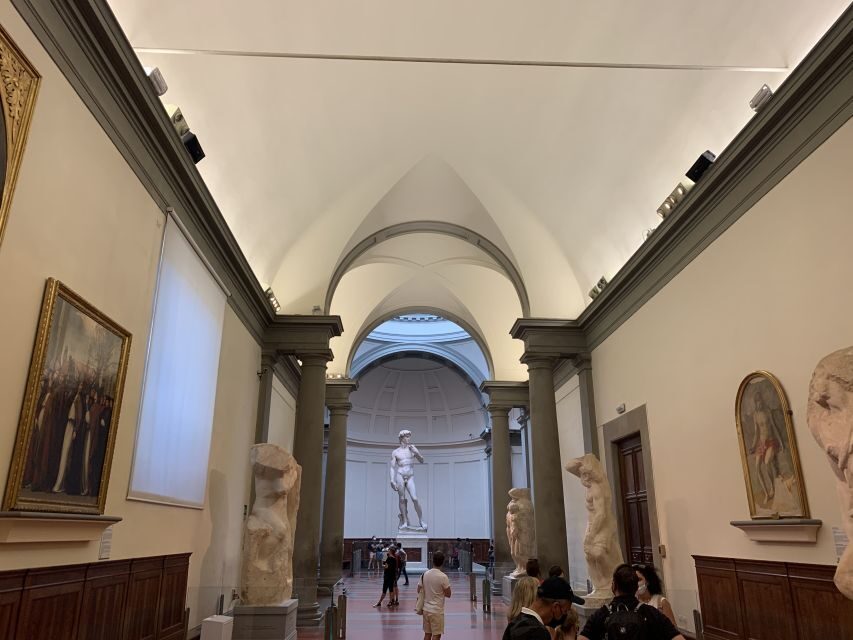
The first major interior highlight is the Hall of Prisoners. This is where the museum story shifts from finished masterpiece to creative work-in-progress. Even if you know the name Michelangelo, seeing the unfinished figures changes your understanding. You start noticing how the blocks of stone are carved to reveal the pose and the motion beneath the surface.
This is also one of the best stops for first-time visitors because it teaches you how to look. The guide’s job here is not just to point at sculptures. It’s to explain why these are called Prisoners, what the unfinished state suggests about struggle and liberation, and how the artist’s approach shows up in the chisel work you can still see.
The value of this stop is that it sets expectations for the next rooms. When you go from prisoners to David, the famous statue doesn’t feel like an isolated “wow.” It feels like the endpoint of an idea Michelangelo kept wrestling with.
The big moment: Michelangelo’s David up close
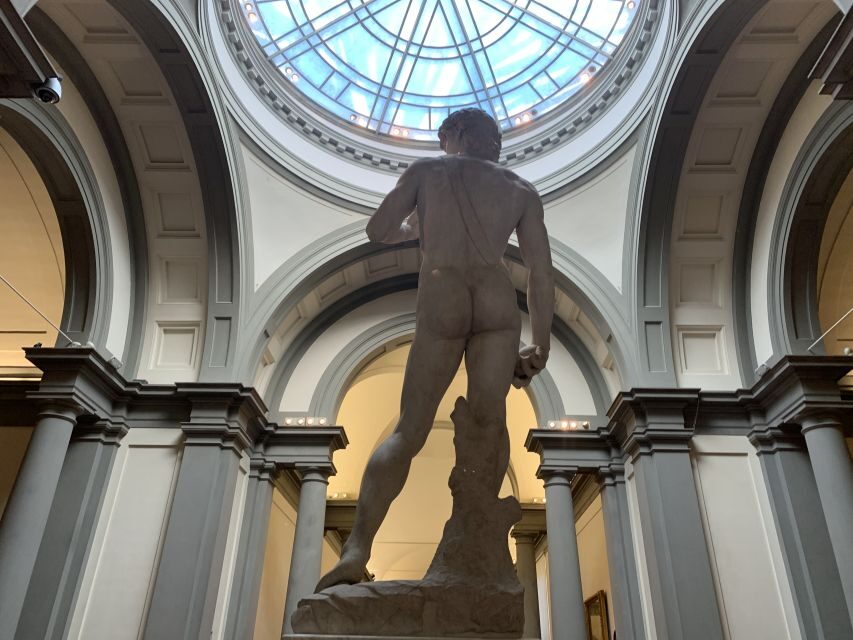
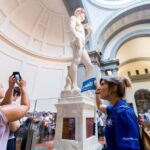
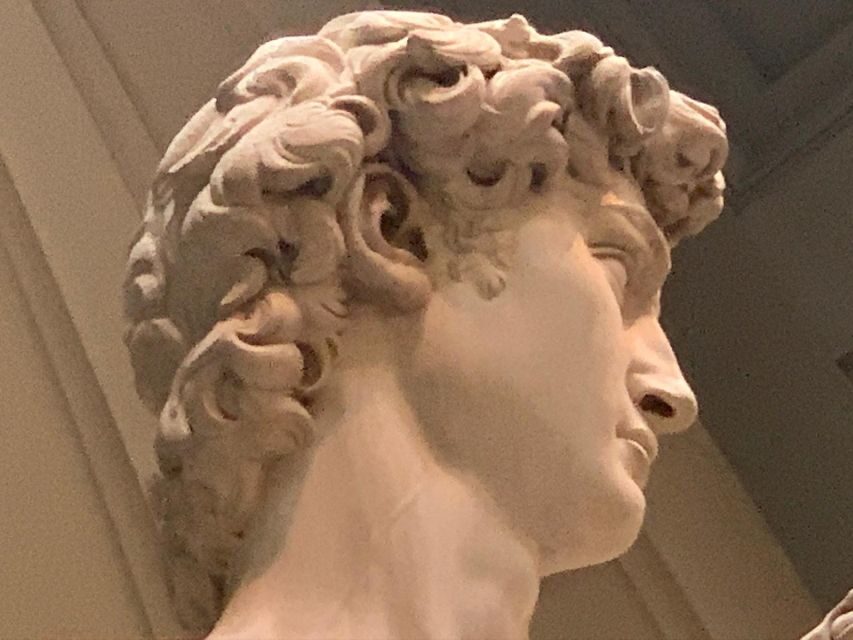
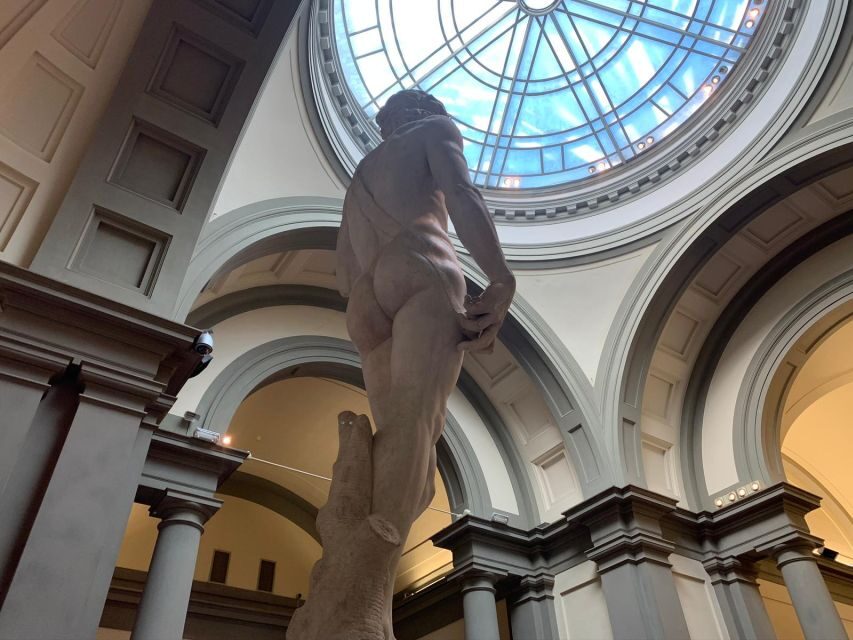
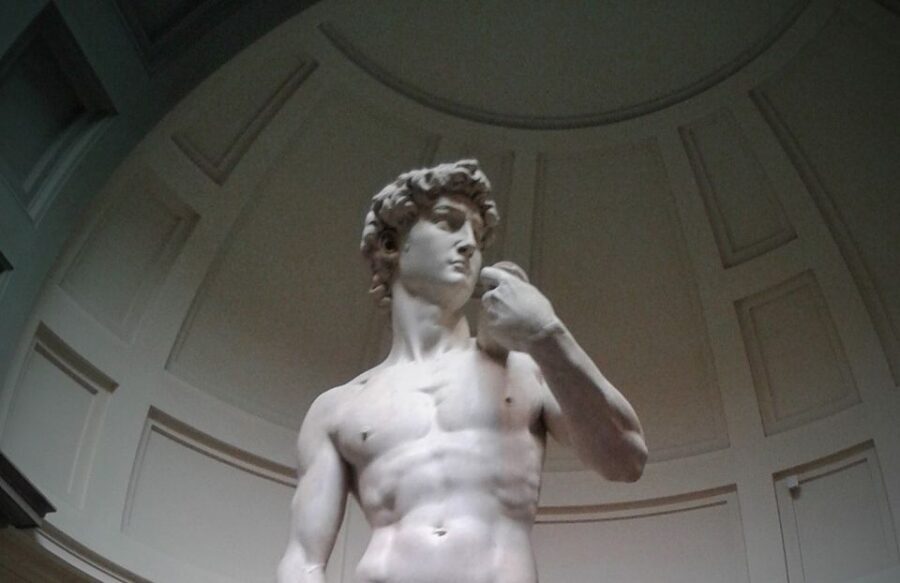
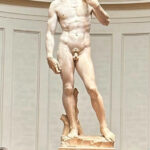
Then comes the statue everyone came for: Michelangelo’s David, standing at over 5 meters tall. The scale is the obvious part, but the real payoff is context. The guide explains its creation and significance in Florence, so you don’t just see a body—you see a symbol.
Up close, it’s also the kind of artwork that rewards attention to small choices: posture, expression, and the way the statue holds itself in space. That’s where having a guide helps. You learn what details matter most and why people in the Renaissance would have read the figure as something larger than a person.
In feedback, guides such as Julia, Elizabeth, Elia, and Francesco are often praised for how they structure this moment—moving you to the right spots and giving you enough time to really take it in. One recurring theme is that the tour helps you understand the statue’s story in a short time window, which is exactly what you want with a 1-hour plan.
Musical Instruments Museum: Stradivari and the Medici connection
A nice surprise in this tour is that you don’t spend the entire hour stuck on sculpture alone. You continue to the Musical Instruments Museum, where you can see rare pieces tied to the Medici collection. Stradivari violins are specifically mentioned, along with ancient pianos.
This part works well because it changes the pace. Your brain gets a reset from marble and you get a different kind of Renaissance power: craftsmanship that you hear and handle through history. Even if you don’t know much about instruments, the guide’s explanations make you pay attention to design and rarity instead of treating it like a side room.
You also get variety without adding time. In other words, you get a broader Florence snapshot—art as sculpture, art as sound, and art as status—without losing your place in the schedule.
- Tuscany Day Trip from Florence: Siena, San Gimignano, Pisa and Lunch at a Winery
★ 5.0 · 21,634 reviews


Paintings and altarpieces: how Florence’s style shifts show up in one tour
The tour also includes the Byzantine-inspired paintings and stunning altarpieces, which help you connect Florence’s medieval roots to the Renaissance changes that Michelangelo represents. This section can feel more repetitive if you’re sensitive to themes that keep returning, and one review notes that the museum is heavy on religious paintings.
But here’s how to use it to your advantage: treat this stop like a timeline lesson. The guide can point out how the visual language evolves—how figures, symbolism, and style shift as Florence moves forward. If you let the guide steer you, you won’t feel like you’re just walking past religious art. You’ll feel like you’re watching an artistic transition happen in real time.
If you’re only in Florence for a day and you want the museum experience to make sense instead of being a pile of rooms, this “style evolution” piece is a big help.
Price and value: is $70 worth one hour at the Accademia?
At $70 per person for 1 hour, this is not a budget add-on. But it’s also not just a ticket with a stamp. You’re paying for three things that are hard to DIY under pressure: skip-the-line entry, a professional live guide, and audio equipment so the story stays audible as you move.
For a one-hour tour, the value is mostly about time and interpretation. You’re buying back minutes spent outside in queues and gaining a structured route through rooms that can otherwise feel overwhelming. Add in the fact that the group is small (up to 9), and you get a better chance to actually hear the guide and see what matters.
The one scenario where the math can feel awkward: if you visit on days when museum tickets are free. There’s at least one mention that the Accademia can be free on the first Sunday of each month, which makes a paid guided tour feel less cost-effective on that specific day. If you’re flexible and happen to land on a free day, it’s worth considering whether you still want the guide for the added context—or go more independent.
Timing, pacing, and what you can realistically expect
This is a short tour, and you should plan it that way. The Accademia portion is listed at 55 minutes, with time built for a photo stop and guided movement through key rooms. That means you get highlights with an explanation, not a slow wandering art seminar.
Most guides in the feedback are praised for moving quickly while still being patient. Still, a one-hour format means you won’t do deep re-reading of every label, and you might not return to earlier rooms later.
Also pay attention to audio tech quality. One person mentioned interference with the listening technology. It’s not a deal-breaker for most, but if you’re sensitive to audio clarity, it’s smart to ask early and keep the headset snug and tested when you receive it.
Who should book this David tour
I’d book this if you want the classic Florence “David moment” without losing half your day to lines and crowd navigation. It’s also ideal if you like art history, but you don’t want a three-hour museum marathon.
You’ll especially enjoy it if:
- You’re short on time and need a tight route through Accademia’s best-known works.
- You want the guide to explain why Michelangelo’s choices matter.
- You’d rather see a few rooms well than wander and hope you understand everything.
If you’re the type who wants to linger for a long time in each painting room, you might prefer a longer visit where you can set your own pace.
Should you book this skip-the-line David experience?
Yes, I think you should book it if David is your priority and you value a guided route that makes the art easier to read. The pairing of skip-the-line entry, a small group, and a guide who talks with passion shows up again and again in the feedback—people describe it as feeling like a structured lesson rather than just a quick statue stop.
Before you commit, do one quick planning check: make sure your day fits a 1-hour museum block, and if your dates line up with possible free museum days, decide whether you still want the paid guide for the storytelling and route control.
If your goal is to walk out of Accademia understanding David (and not just remembering you saw it), this tour is a strong fit.
You Might Also Enjoy



More Skip the Line in Florence

More Tours in Florence
- The Best tour in Florence: Renaissance & Medici Tales – guided by a STORYTELLER
★ 5.0 · 12,316 reviews



More Tour Reviews in Florence
- Tuscany Day Trip from Florence: Siena, San Gimignano, Pisa and Lunch at a Winery
★ 5.0 · 21,634 reviews - The Best tour in Florence: Renaissance & Medici Tales – guided by a STORYTELLER
★ 5.0 · 12,316 reviews